Misplacing common household items ruins their longevity and quietly drains your wallet over time. Reorganizing these everyday essentials safeguards your investments and immediately restores order to your living space.
Most homeowners instinctively stash items where convenience dictates instead of where climate conditions allow them to survive. Moving just six common products to their proper zones prevents chemical degradation, food spoilage, and structural damage.
You can easily transform your living areas with targeted adjustments and simple workshop upgrades. Grab a tape measure and clear your schedule for a quick weekend overhaul.

Planning Snapshot: Budget, Timeline, and Skill Level
You do not need advanced carpentry skills to correct these common home storage mistakes. This project requires only basic DIY skills and an afternoon of focused effort.
Expect to invest between two and four hours auditing your cabinets, garage shelves, and pantry. The exact timeline depends on how many items you need to sort and relocate.
Budgeting for this organizational reset remains remarkably affordable for any homeowner or renter. Most households spend under fifty dollars on basic airtight bins, wire organizers, and simple monitoring tools.
If you choose to build custom wooden dividers or specialized storage racks, material costs might reach one hundred dollars. You control the scope based on the materials you already own.
6 Everyday Items You’re Storing in the Wrong Place
Pinpointing household organization mistakes requires a close look at your daily routines. Storing everyday items in the wrong microclimates causes premature wear, spoilages, and safety hazards.
Item 1: Latex Paint in the Garage or Shed
Stashing leftover latex paint cans in an unheated garage or outdoor shed ruins the product. Freezing temperatures cause the water-based synthetic emulsion to separate into clumpy solids and unusable watery liquid.
Summer heat causes equal damage by drying out lid seals and accelerating chemical breakdown. Review the Department of Energy guidelines on insulation to understand how temperature swings destroy unconditioned spaces.
Move all latex paint cans to an interior closet, climate-controlled basement, or laundry room cabinet. Place the cans on wooden slats rather than bare concrete floors to prevent metal rust.
Item 2: Prescription Medications in the Bathroom Cabinet
The traditional bathroom medicine cabinet represents the single worst storage spot for pharmaceutical products. Daily steam from your shower creates a hot, humid microclimate that penetrates medication bottles.
Excessive moisture and heat cause active chemical compounds in pills and capsules to break down rapidly. This degradation reduces clinical potency long before the printed expiration date arrives.
Follow the official National Institutes of Health medication storage recommendations to protect your family prescriptions. Relocate all medicine bottles to a cool, dry linen closet or high bedroom dresser drawer.
Item 3: Potatoes Stored Directly Beside Onions
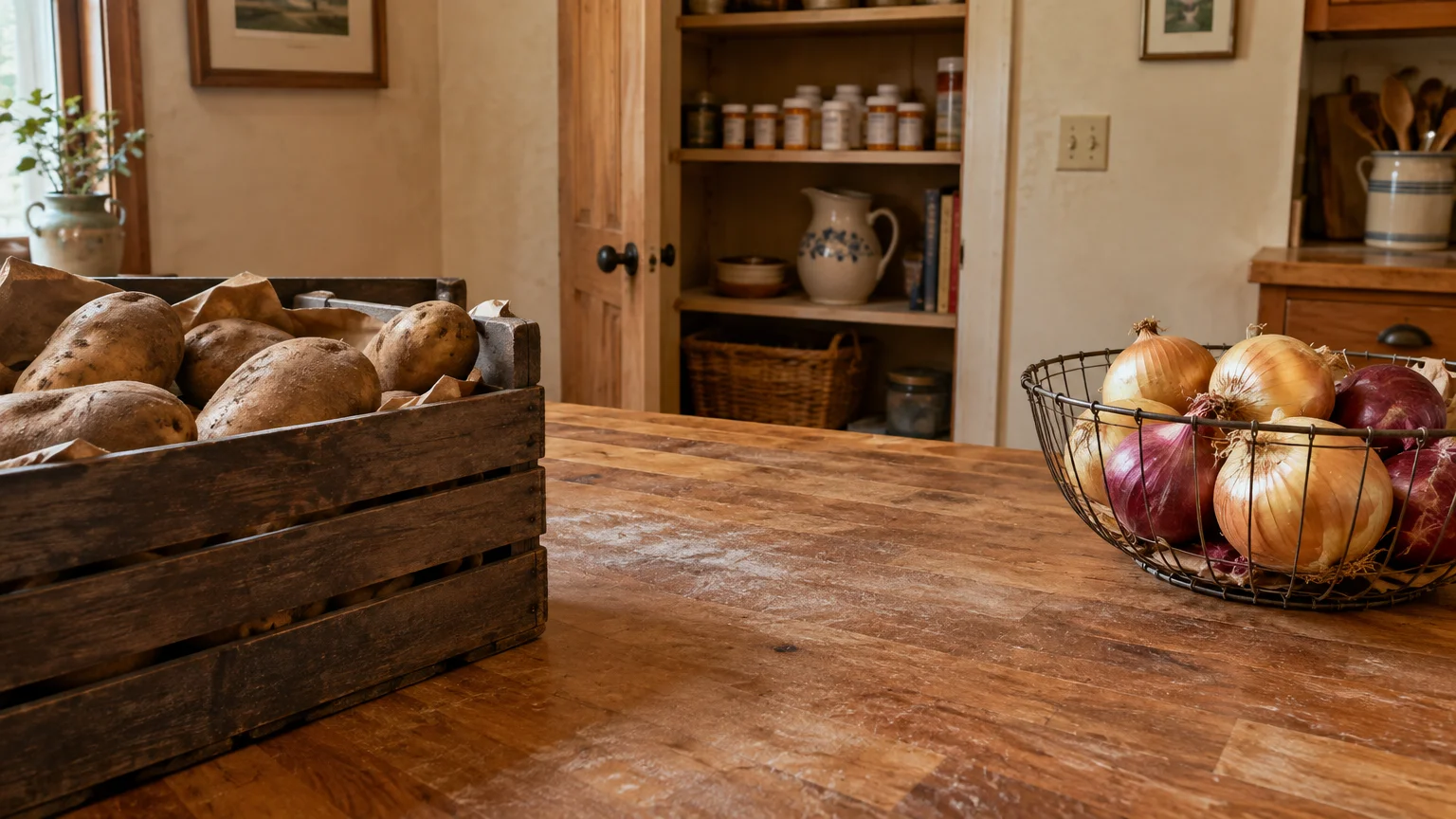
Many home cooks toss whole onions and russet potatoes into the same countertop wire basket. This common kitchen pairing accelerates food decay and ruins your grocery budget in record time.
Ripening onions constantly emit ethylene gas, a natural plant hormone that triggers rapid sprouting in raw potatoes. At the same time, moisture from potatoes causes onion skins to soften and rot.
Examine the latest university agricultural extension research on produce storage to optimize your vegetable freshness. Store potatoes in a dark, breathable crate, and keep onions several feet away in a separate basket.
Item 4: Cooking Oils Next to the Stovetop
Keeping your favorite olive oil bottle right beside the range feels convenient while cooking meals. However, radiant heat from your burners and oven quickly oxidizes delicate fatty acids.
Persistent light exposure and elevated temperatures destroy the subtle polyphenols and antioxidants found in culinary oils. The oil turns rancid, developing an unpalatable bitter flavor that ruins fresh food.
Store bulk cooking oils inside a dark, temperature-stable pantry cabinet away from heat-generating kitchen appliances. If you keep daily oil on counters, pour small quantities into dark, light-blocking amber glass bottles.
Item 5: Loose Batteries in a Kitchen Junk Drawer
Tossing loose alkaline and lithium batteries into a miscellaneous drawer creates a serious fire and corrosion risk. Unprotected metal terminals easily brush against loose paperclips, screws, keys, or stray coins.
This accidental contact creates a closed electrical circuit that causes rapid battery discharge, overheating, and dangerous leakage. In severe cases, short-circuited lithium batteries can rupture violently or ignite surrounding paper clutter.
Consult practical Family Handyman workshop organization standards to organize your small electrical supplies safely. Dedicated plastic battery caddies with individual slots isolate each terminal from accidental contact.
Item 6: Wooden Cutting Boards in Enclosed Cabinets
Sliding damp wooden cutting boards into deep, dark cabinets creates an ideal breeding ground for microbial growth. Trapped moisture cannot evaporate without steady airflow, leading to warped edges and deep grain splits.
When damp wood remains enclosed, standing water softens waterproof food-safe glues and fosters deep mildew spores. These microscopic mold spores can contaminate fresh meats and vegetables during your next meal prep.
Store wooden cutting boards vertically on open kitchen counters or ventilated wire drying racks. Vertical storage ensures balanced air exposure on both sides, allowing the hardwood fibers to dry thoroughly and evenly.
Step Framework: The Three-Phase Storage Overhaul
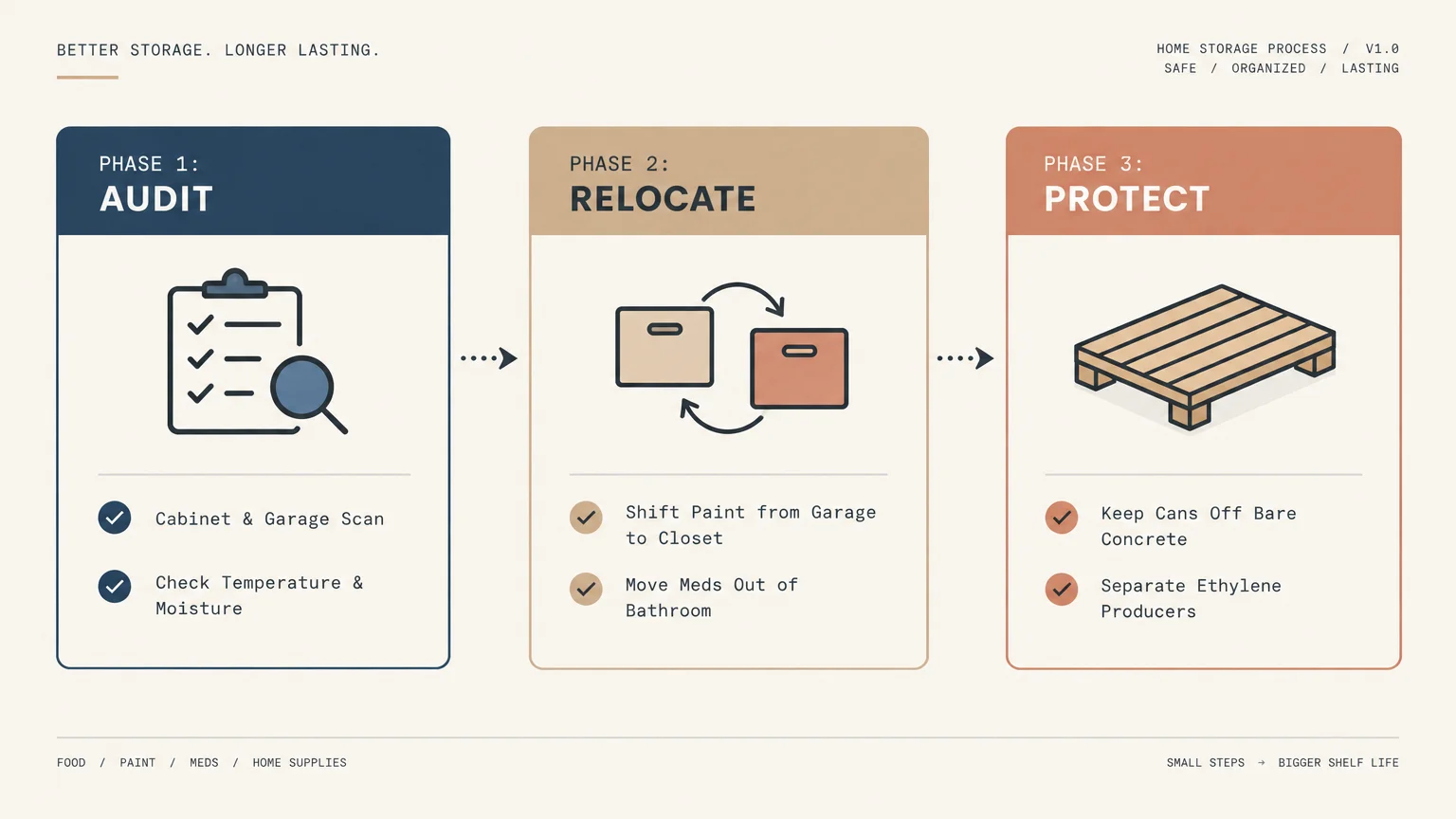
Transforming your home storage requires a systematic method rather than chaotic, random reorganizing. Follow this structured three-phase blueprint to establish lasting order across your household.
Phase 1: Prep and Environmental Audit
Begin your overhaul by evaluating the physical environment of every cabinet, pantry shelf, and utility closet. Place a portable digital hygrometer in suspect areas to check baseline humidity and ambient temperature.
Empty each target storage space completely to view its true capacity and identify structural flaws. Staging all your supplies across a flat work table allows you to sort items by category.
Inspect every item for signs of damage, past expiration dates, or environmental degradation. Safely discard separated paint cans, expired medications, and corroded batteries at your local municipal hazardous waste facility.
Phase 2: Execution and Spatial Reallocation
Assign each category of goods to a dedicated zone matching its specific storage requirements. Never place temperature-sensitive supplies along poorly insulated exterior walls or directly beside heat ducts.
Integrate ideas from Architectural Digest pantry design strategies to optimize your vertical storage layouts. Place frequently used culinary goods between waist and eye level for effortless daily access.
Position heavier bulk supplies on bottom shelves to keep weight loads structurally balanced and safe. Maintain at least two inches of open air gap between storage containers and cabinet walls to encourage healthy circulation.
Phase 3: Finishing and Preventive Labeling
Transfer dry foods and bulk pantry goods into airtight glass or food-grade polypropylene containers. High-quality silicone gaskets create an impenetrable seal against air, ambient kitchen moisture, and opportunistic insects.
Affix bold, legible labels to every bin, jar, and workshop storage compartment. Clearly marked containers eliminate guesswork and encourage everyone in your household to return items to their proper homes.
Record purchase dates and expiration timelines on container bottoms using waterproof ink. This chronological tracking system helps you rotate older stock forward and dramatically curtails household waste.
Styling and Personalization for Functional Zones
High-performance storage does not force you to compromise on interior visual charm. Thoughtful styling choices integrate practical organization smoothly into your existing room decor.
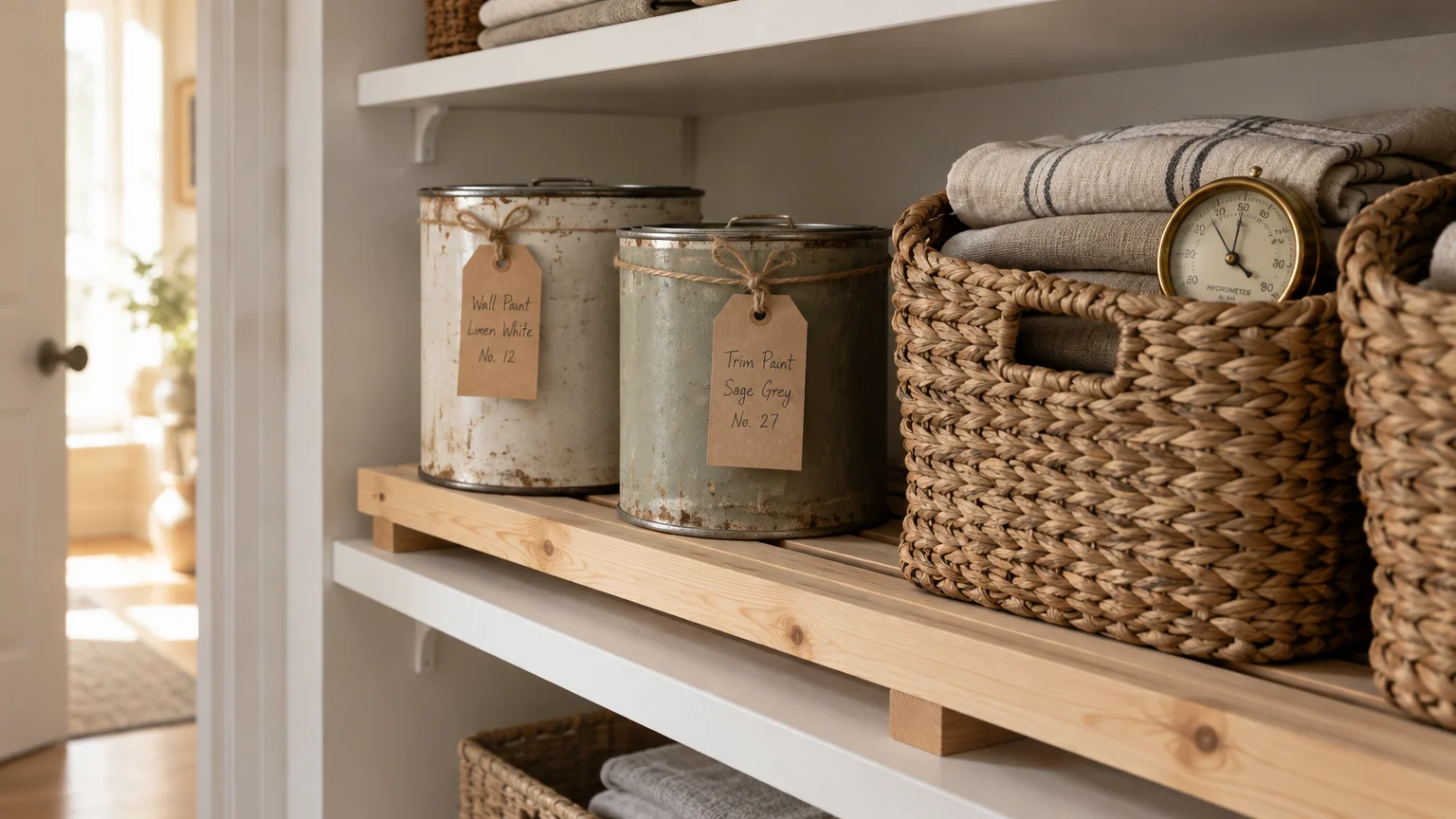
Select organizing bins crafted from cohesive natural materials like woven water hyacinth, birch plywood, or dark wire. Using uniform textures across open shelving creates a clean, intentional aesthetic that elevates any room.
Incorporate tinted amber or cobalt glass dispensers for kitchen oils, dish soaps, and everyday cleaning sprays. These dark glass vessels shield sensitive formulas from UV degradation while introducing warm, vintage character to countertops.
Add custom stamped metal tags or leather label holders to identify bin contents on exposed pantry shelves. Matching typography across storage zones delivers an upscale, personalized look on a modest DIY budget.
Troubleshooting Storage Pitfalls and Ongoing Upkeep
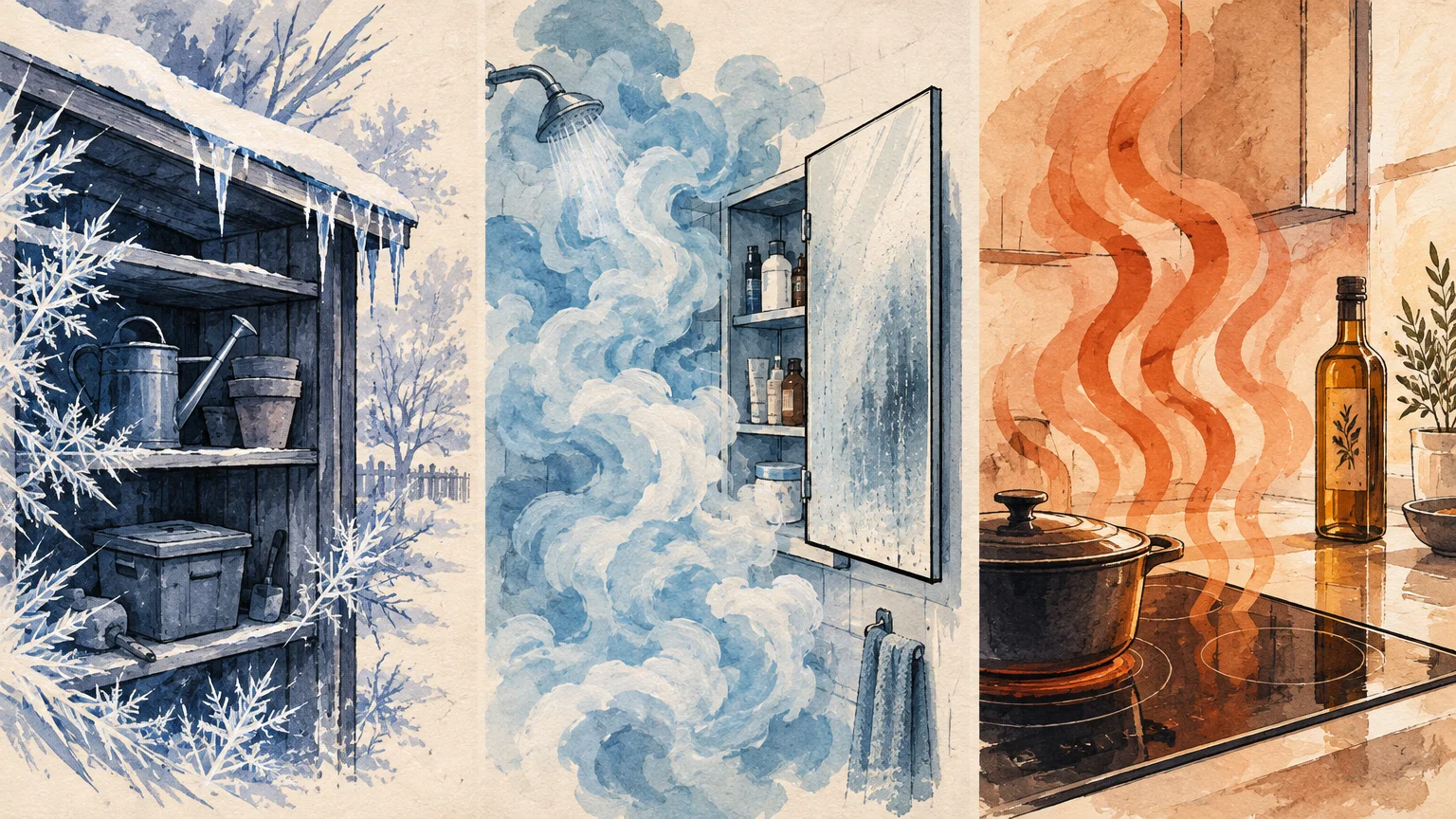
Even carefully planned storage setups encounter environmental challenges as weather patterns shift through the seasons. Keep an eye out for telltale warning signs like peeling labels, musty odors, or moisture drops.
If you notice condensation inside closed cabinetry, air circulation within the room is severely lacking. Install compact, rechargeable dehumidifiers or breathable louvered cabinet doors to purge trapped moisture.
Seasonal humidity changes can cause wooden storage drawers and pantry doors to stick or bind. Rub standard paraffin wax along drawer runners to maintain smooth operation during humid summer months.
Establish a recurring seasonal maintenance schedule to review all household storage zones. Taking twenty minutes every three months to rotate stock and clean shelves keeps clutter from overtaking your hard work.
Frequently Asked Questions
What basic tools do I need to monitor storage environments?
A reliable digital hygrometer provides fast readings of ambient humidity and temperature levels throughout your home. These compact battery-powered devices cost under fifteen dollars and identify moisture hazards before damage occurs.
You should also keep a quality steel tape measure on hand when purchasing or building storage racks. Accurate shelf measurements ensure new containers fit your cabinetry precisely without wasting vertical space.
How can renters optimize storage without drilling into walls?
Renters can rely on freestanding wire shelving units, expandable shelf risers, and heavy-duty tension organizers. These modular systems dramatically increase vertical storage density without damaging drywall or wood trim.
Over-the-door organizers and damage-free adhesive wall hooks offer additional hanging storage inside tight closets and pantries. When your lease ends, pulling the adhesive release tabs removes hardware without leaving holes or residue.
Where can I source chemical-resistant and food-safe storage bins?
Commercial restaurant supply retailers sell certified food-safe containers made from high-density polyethylene and durable polycarbonate. These commercial containers resist food stains, seal tightly, and cost considerably less than designer retail bins.
Local home improvement centers and industrial supply outlets carry heavy-duty chemical storage caddies with specialized vapor seals. Look for containers explicitly rated to hold hazardous solvents, lubricants, or concentrated gardening chemicals safely.
Can I safely store opened cleaning chemicals inside my home?
Store everyday cleaning chemicals inside dedicated utility cabinets outfitted with sturdy child-resistant safety latches. Make sure the storage cabinet remains well-ventilated and kept strictly separated from food storage surfaces.
Never store volatile solvents, paint thinners, or combustible chemicals inside your conditioned living spaces. Keep hazardous flammable supplies locked inside a ventilated metal cabinet located within an outdoor workshop or detached shed.
Take Control of Your Space Today
Correcting your everyday home storage mistakes protects your valuable possessions, prevents chemical spoilage, and cuts monthly grocery waste. Simple storage shifts yield immediate improvements in safety, functionality, and daily peace of mind.
Do not let the prospect of a full home reorganization overwhelm your weekend plans. Select one problem zone—such as your paint shelf or pantry bins—and relocate those misplaced items today.
Every small improvement builds momentum toward a fully organized, highly efficient living environment. Your home will run smoother, look sharper, and serve your family better starting right now.