A crowded cabinet filled with specialty cleaners drains your budget and clutters your home. You can streamline your cleaning routine by choosing versatile supplies that tackle multiple household surfaces with ease.
Savvy homeowners rely on hard-working staples that handle everything from greasy stovetops to delicate textiles. These multipurpose cleaning products save valuable storage space and cut your annual grocery expenses.
Mastering these clever swaps transforms tedious chores into fast, satisfying weekend victories. Here are ten powerhouse cleaning products that do double duty across your entire living space.

Project Snapshot: Streamlining Your Cleaning Routine
Transitioning to a minimalist cleaning setup requires minimal upfront investment and pays immediate dividends. You only need twenty dollars and thirty minutes to audit your supplies and build a high-impact kit.
Beginners can master these techniques instantly without complex equipment or specialized training. You will reduce household waste while creating a safer living environment for children and pets.
Top 10 Cleaning Products That Do Double Duty
Specialty cleaners often rely on identical base chemistries packaged under flashy labels. Investing in these versatile workhorses delivers reliable cleaning power across every room in your home.
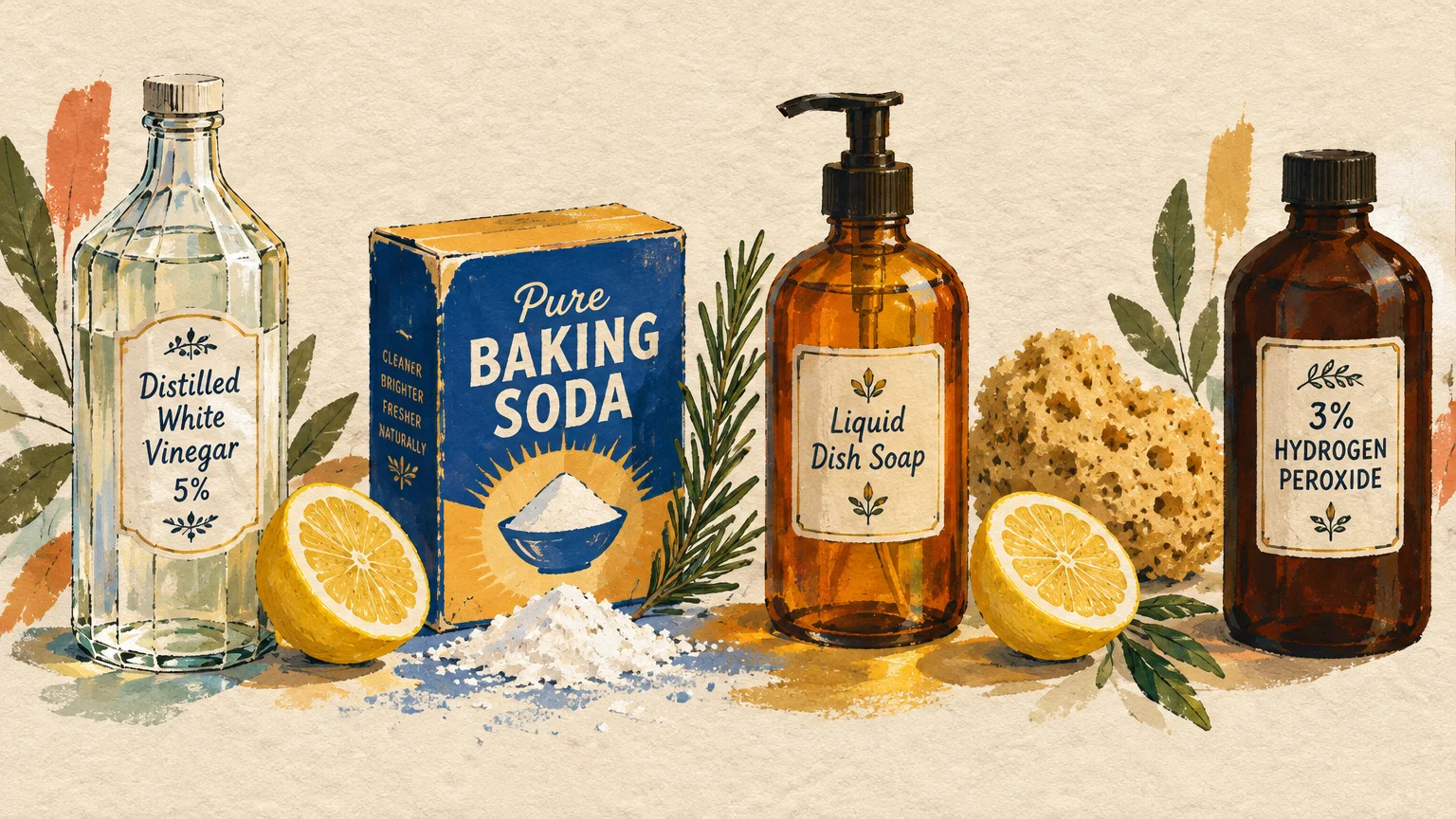
1. Distilled White Vinegar
Distilled white vinegar serves as an exceptional descaler and deodorizer thanks to its mild acetic acid content. It dissolves hard water stains on shower glass and cuts mineral crusts inside coffee makers effortlessly.
Beyond descaling, vinegar works brilliantly as a streak-free window wash and fabric softener. Research from Colorado State University Extension confirms that mild organic acids dissolve alkaline mineral films without damaging fabrics.
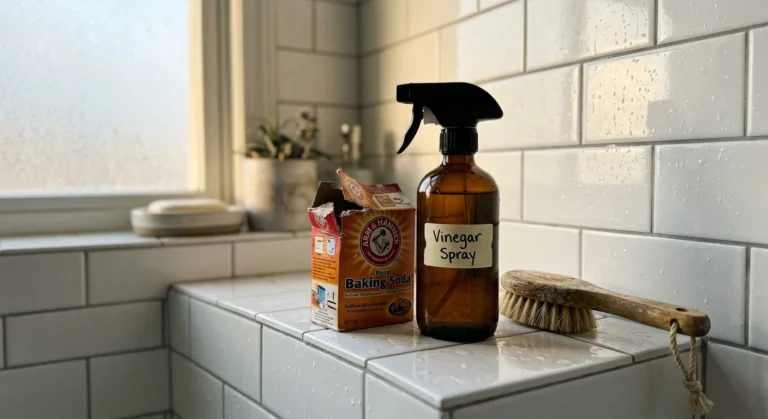
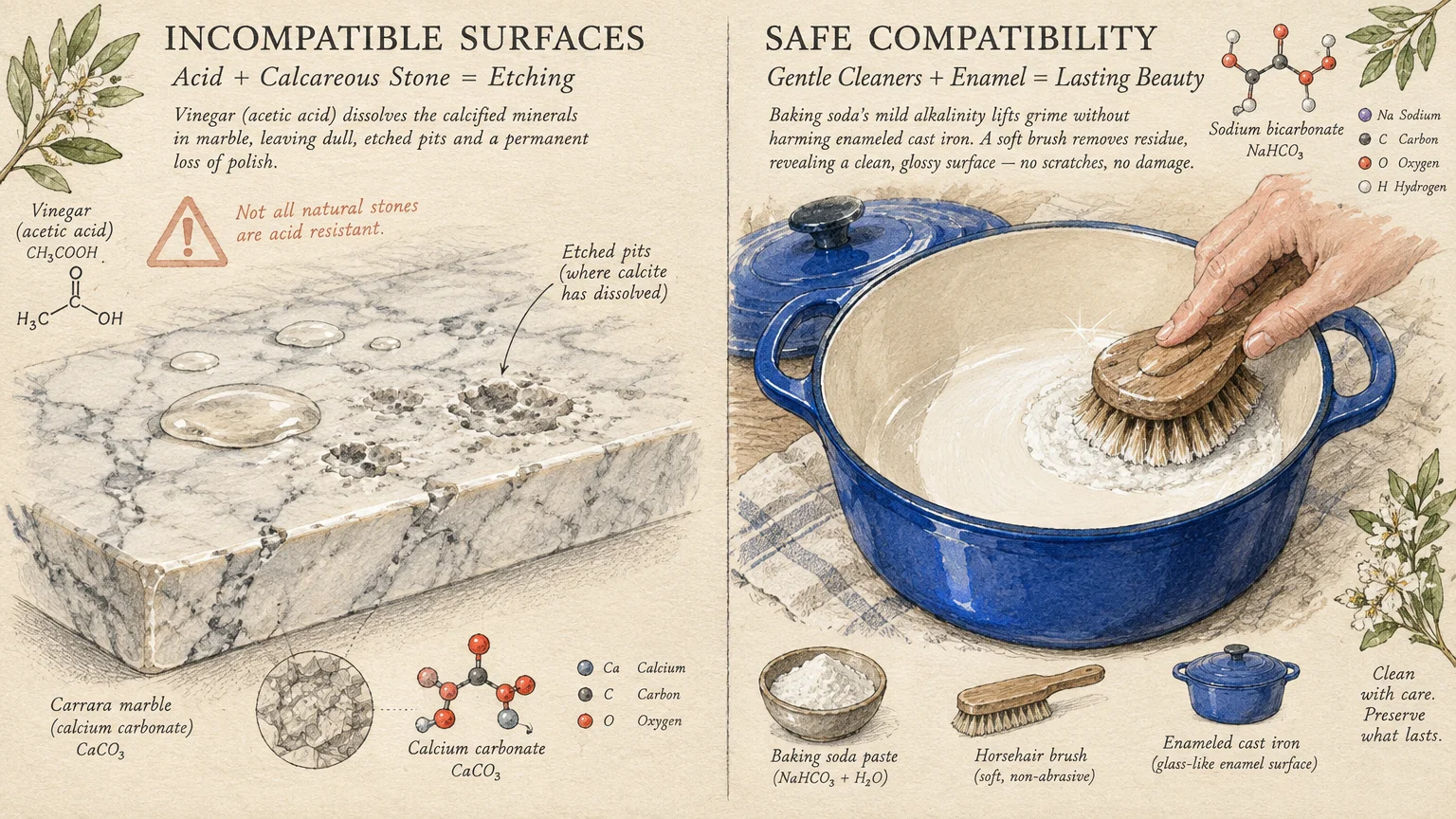
Never apply vinegar to natural stones like marble or granite, as acids permanently etch calcified surfaces. Keep a diluted five-percent solution in a glass spray bottle for routine kitchen and bath maintenance.
2. Baking Soda
Sodium bicarbonate provides gentle physical abrasion alongside natural odor neutralization. It scrubs baked grease off enameled cookware without scratching smooth glazes or dulling glossy finishes.
When sprinkled across dry carpets or upholstered furniture, baking soda draws out stubborn pet odors before vacuuming. Let the powder sit for twenty minutes to absorb trapped moisture and musty smells.
You can also mix baking soda with warm water into a thick paste to lift collar sweat marks. Its alkaline chemistry breaks down acidic body oils without weakening delicate fabric seams.
3. Concentrated Liquid Dish Soap
Liquid dish soap breaks surface tension to emulsify tough lipids on greasy cookware. That powerful degreasing mechanism makes dish soap one of the best cleaning products for garage floors and patio furniture.
Add two drops of dish soap into warm water to create an effective, gentle tile floor wash. The neutral pH cleans ceramic surfaces thoroughly without stripping protective sealants or leaving sticky residue.
You can also pretreat oily fabric stains by rubbing concentrated soap directly into fibers before laundering. It lifts motor oil and cooking grease far better than standard laundry detergent alone.
4. Three Percent Hydrogen Peroxide
Hydrogen peroxide acts as a gentle, color-safe oxygenating bleach and sanitizing agent. It lifts organic stains like red wine, blood, and coffee from light fabrics without harsh chlorine fumes.
In bathrooms, hydrogen peroxide effectively bleaches mold stains out of porous grout lines. Spray the solution along shower tile joints, let it bubble for ten minutes, and rinse with warm water.
According to household sanitization guidelines from Clemson Cooperative Extension, hydrogen peroxide degrades cleanly into water and oxygen. This makes it an ideal compound for deodorizing plastic cutting boards.
5. Vegetable Castile Soap
Pure liquid Castile soap uses saponified plant oils to create a rich, versatile cleansing base. It washes hands gently while serving as a heavy-duty degreaser for baseboards, walls, and woodwork.
Dilute one tablespoon of Castile soap in warm water to clean painted trim and kitchen cabinets. The plant oils lift grime while keeping painted surfaces looking fresh and hydrated.
Castile soap also makes an exceptional gentle wash for makeup brushes and synthetic paint tools. It rinses away pigment buildup without drying natural bristles or dissolving ferrule glue.
6. Isopropyl Rubbing Alcohol
Isopropyl alcohol evaporates rapidly, making it the premier solvent for surfaces where lingering moisture creates streaks. It dissolves oily fingerprints across laptop keyboards, touchscreen monitors, and stainless steel appliances.
Beyond electronics, rubbing alcohol dissolves sticky adhesive residues left by price tags, decals, and masking tape. Apply several drops to a clean cloth to melt tacky glue in seconds.
It also prevents bathroom mirrors from steaming up during hot showers when buffed over clean glass. The microscopic alcohol barrier prevents condensation droplets from clinging to the glass.
7. Sodium Percarbonate Oxygen Bleach
Sodium percarbonate dissolves in warm water to release concentrated hydrogen peroxide and washing soda. This powder restores dingy white linens and brightens weathered exterior wood decking without harsh chlorine odors.
Safer chemistry evaluations published by the EPA Safer Choice program recognize oxygen bleach for low environmental toxicity. It breaks down naturally into soda ash and water after scrubbing.
Mix two tablespoons of oxygen bleach into hot water to revitalize stained porcelain mugs and travel thermoses. The bubbling reaction lifts tannin marks without requiring vigorous physical scrubbing.
8. Foaming Shaving Cream
Standard aerosol shaving cream contains whipped surfactant soaps and light conditioning agents. It lifts oil-based makeup stains and water spots from car upholstery and microfiber couches effortlessly.
Apply a dollop of white shaving cream to chrome bathroom faucets, then buff clean with a towel. The light lubricating layer repels hard water spots and keeps chrome gleaming for weeks.
Shaving cream also polishes clouded stainless steel sinks to an impeccable, reflective finish. Spread it over metal basins, wait five minutes, and buff dry to eliminate stubborn water marks.
9. Pure Olive Oil
Standard olive oil works as a natural conditioner for dry wood surfaces and cast iron cookware. Combining two parts olive oil with one part lemon juice creates a nourishing furniture polish.
This moisturizing blend feeds parched timber while dissolving surface grime on wooden dining tables. The oil penetrates wood fibers, restoring rich tones and concealing hairline finish scratches.
You can also buff a drop of olive oil over clean stainless steel appliances to deter smudges. The oil creates a protective sheen that keeps everyday fingerprints from adhering.
10. Pure Cornstarch
Pure cornstarch provides ultrafine absorption capabilities that extract grease stains from dry-clean fabrics. Dusting cornstarch over fresh leather grease spots draws out oils without damaging delicate dyes.
Add a teaspoon of cornstarch to homemade window sprays to achieve exceptional optical clarity. The fine starch particles buff away microscopic streaks on exterior glass panes without scratching.
Dusting cornstarch inside rubber dishwashing gloves keeps them fresh and dry between uses. It absorbs palm perspiration instantly and prevents unpleasant interior odors from developing.
A Three-Phase Framework for Multipurpose Cleaning
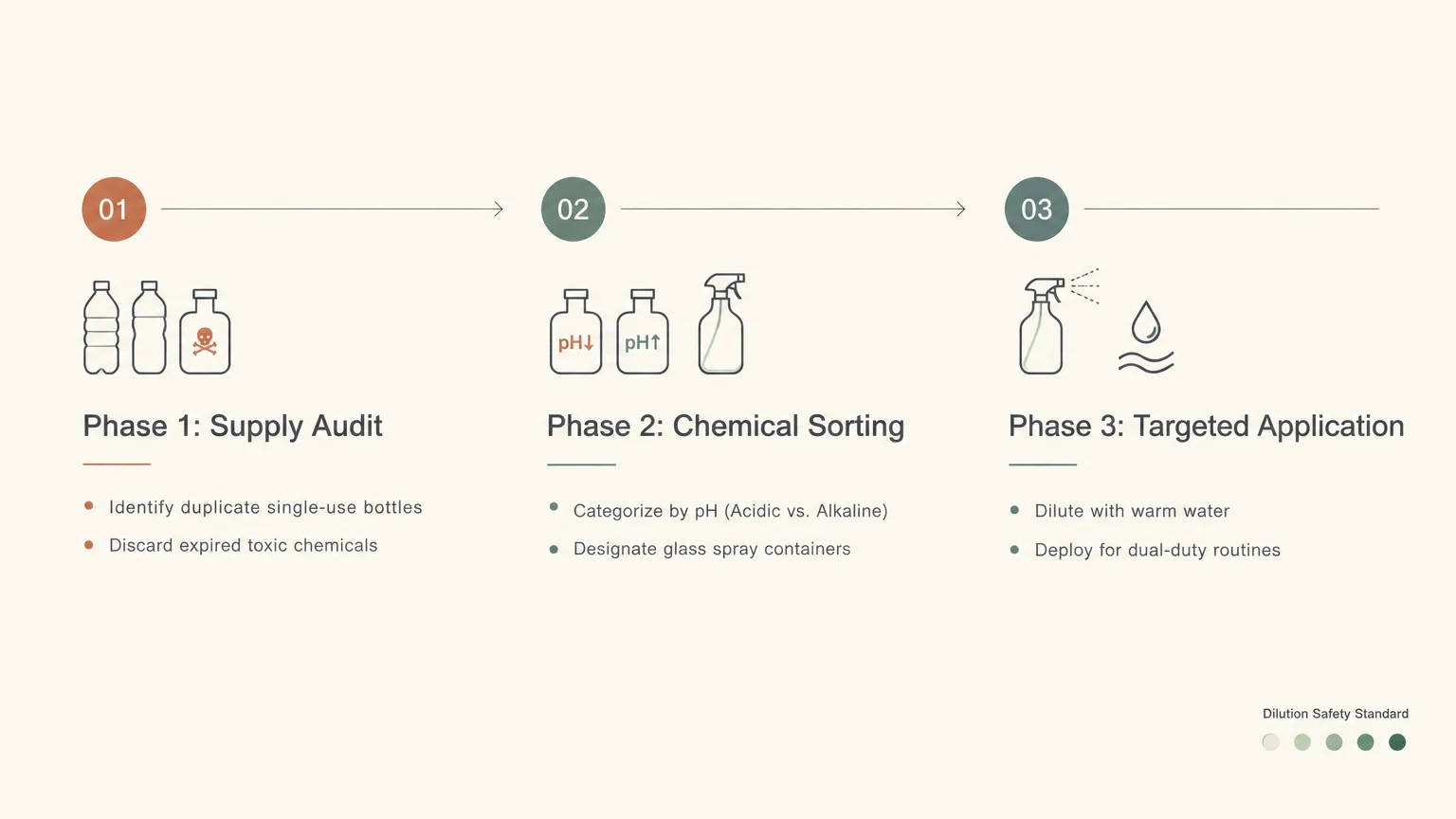
Streamlining your routine requires an organized workflow so you do not waste effort retracing steps. Follow this three-phase framework to maximize efficiency while using your versatile cleaning arsenal.
Phase 1: Preparation and Surface Assessment
Before spraying any solution, clear the working area of loose clutter, papers, and decor. Dust all dry surfaces from top to bottom using an electrostatic duster or dry microfiber cloth.
Always inspect surface composition before applying acids or solvents to verify chemical compatibility. Testing your all purpose cleaner on an inconspicuous corner prevents accidental discoloration or permanent finish damage.
Phase 2: Targeted Application and Dwell Time
Apply your cleaning solution evenly, allowing sufficient contact time for active ingredients to loosen grime. Rushing to wipe surfaces immediately forces you to scrub harder and wastes valuable cleaning product.
For greasy cooktops or heavy soap scum, let your cleaning solution sit for several minutes. The active surfactants break down baked-on residues so they wipe away with minimal physical scrubbing.
Phase 3: Rinsing, Buffing, and Quality Checks
Remove loosened debris with a damp microfiber cloth, rinsing the cloth frequently in warm water. Lingering residue attracts airborne dust particles and creates cloudy films on reflective surfaces.
Finish by buffing dry with a waffle-weave microfiber cloth to produce a streak-free shine. Step back and check your work under natural lighting to ensure no missed spots remain.
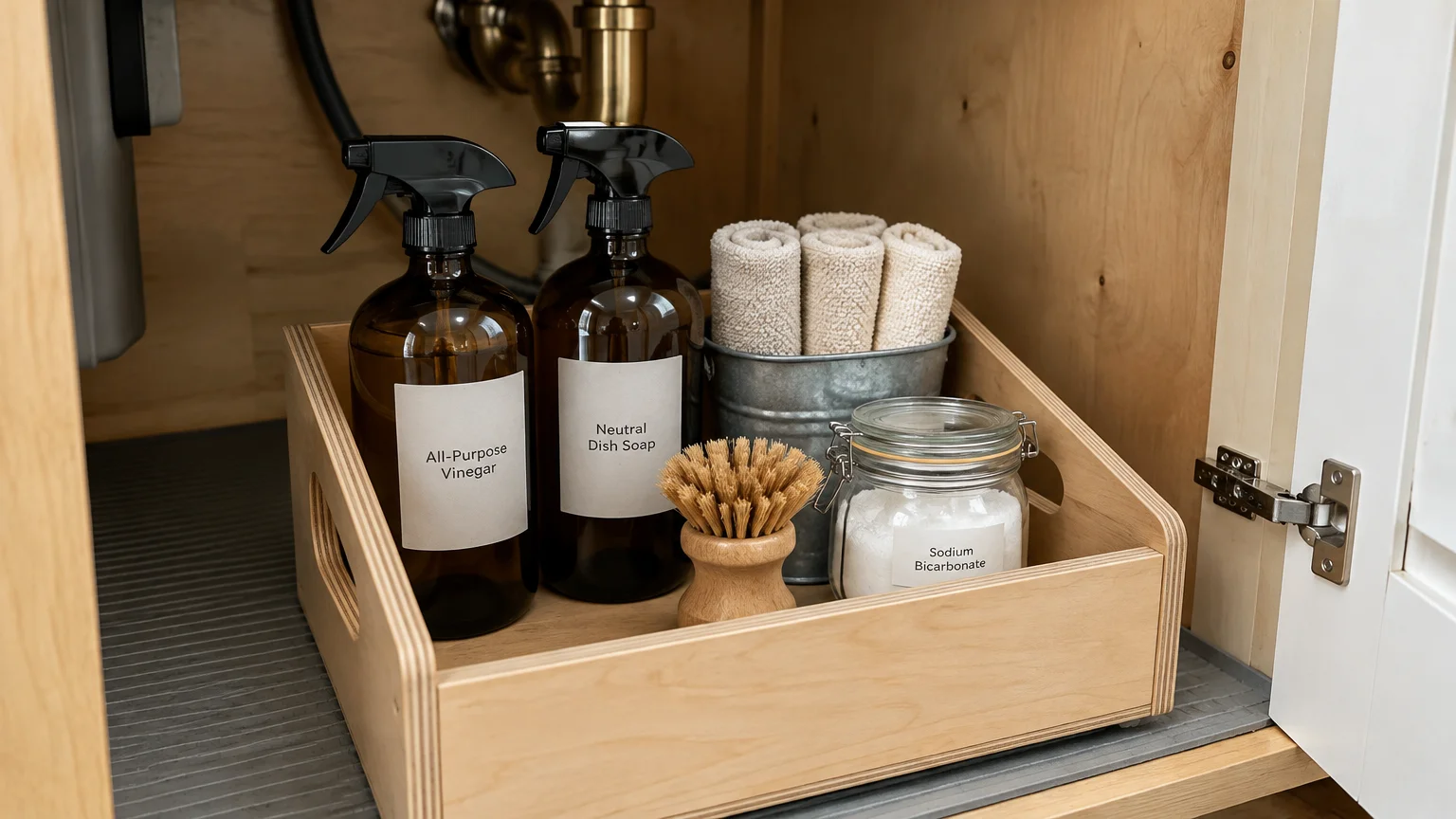
Styling and Organizing Your Utility Station
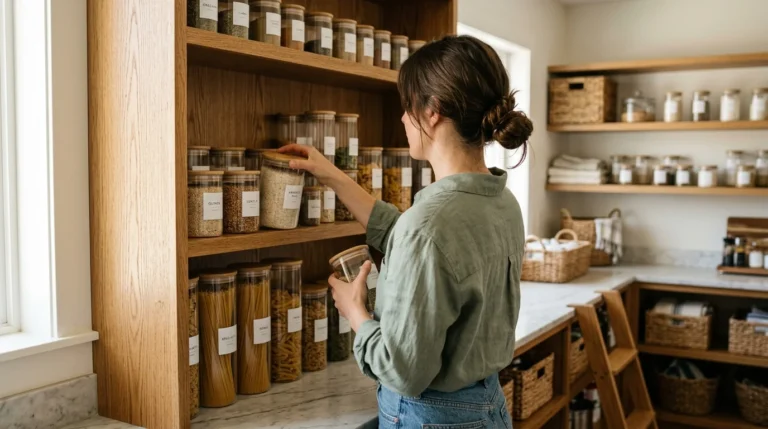
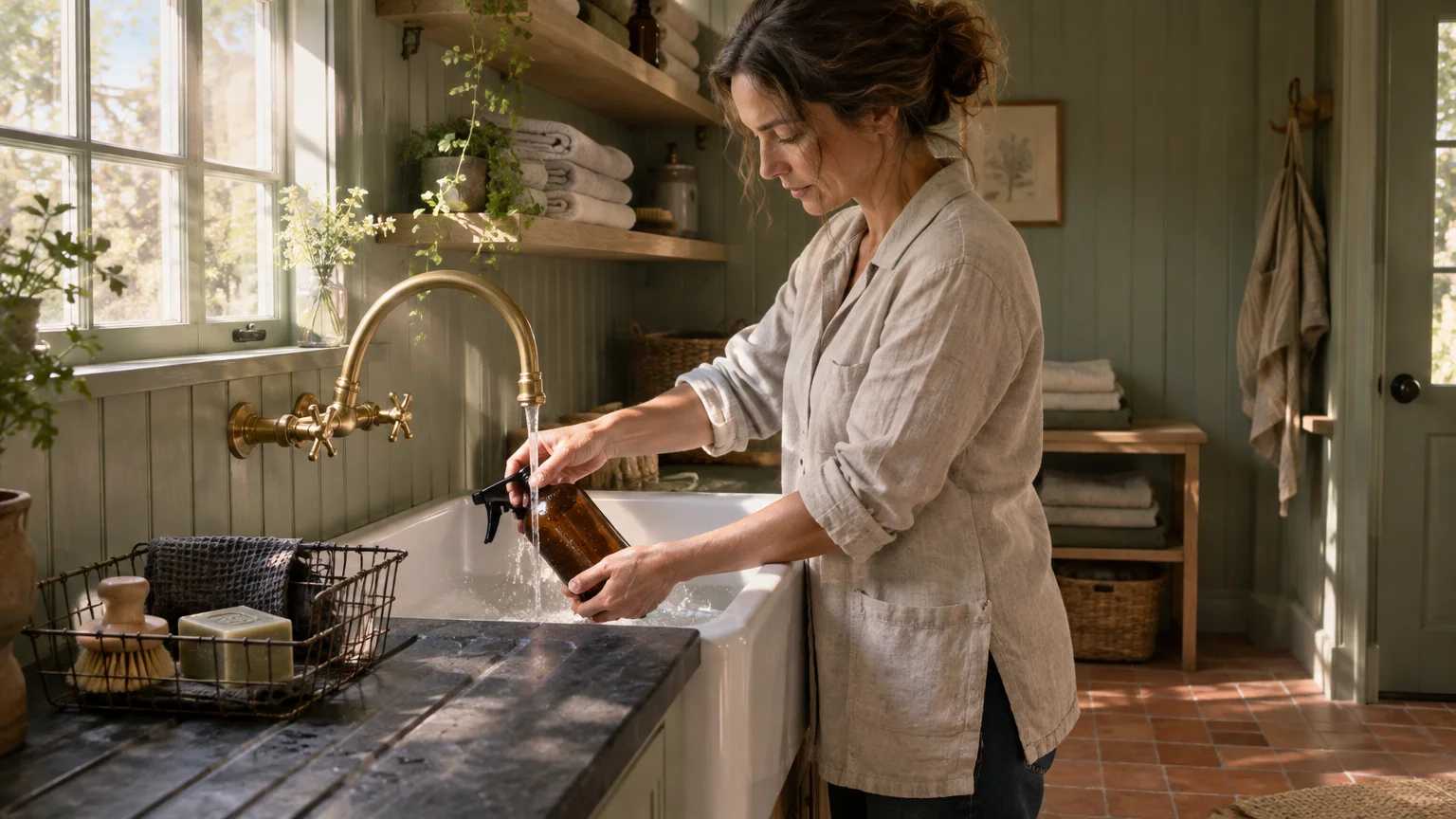
A functional cleaning station deserves an organized presentation that motivates regular maintenance. Organizing editors at Architectural Digest recommend decanting bulk supplies into uniform glass spray bottles to eliminate visual clutter.
Use waterproof embossed labels to identify your solutions clearly while maintaining an upscale aesthetic. Store matching spray bottles inside a woven seagrass basket or powder-coated metal caddy for portable convenience.
Personalize your homemade mixtures by blending natural essential oils like sweet orange, lavender, or eucalyptus into Castile soaps. These botanical oils add refreshing aromas to your home without synthetic fragrance chemicals.
Hang brass hooks inside utility cabinet doors to keep premium microfiber cloths organized by specific color codes. Designating blue cloths for glass and yellow for bathrooms prevents cross-contamination across living zones.
Troubleshooting Common DIY Cleaning Pitfalls
The most dangerous household mistake involves mixing incompatible cleaning chemicals inside closed spray bottles. Never combine vinegar with bleach, as this reaction releases hazardous chlorine gas into your living space.
Similarly, mixing hydrogen peroxide with vinegar creates corrosive peracetic acid, which irritates eyes and lungs. Store these two powerful cleaners in separate bottles and apply them sequentially rather than together.
If homemade vinegar sprays leave cloudy films on glassware, tap water minerals are likely reacting with your solution. Switch to distilled water when diluting concentrated supplies to guarantee crystal-clear results.
Maintain your cleaning tools by washing microfiber cloths in warm water without fabric softeners. Fabric softeners coat microfiber pores with silicone, destroying their static cling and liquid absorption capacity permanently.
Frequently Asked Questions
Can an all purpose cleaner replace specialized disinfectants entirely?
Multipurpose cleaners remove dirt, grime, and grease effectively, lifting the vast majority of surface microbes through mechanical action. However, medical-grade disinfection on contaminated surfaces requires dedicated EPA-registered sanitizers with specific dwell times.
Cleaning experts at HGTV recommend reserving chemical disinfectants for raw meat prep zones and sick rooms. Routine household surfaces remain spotless and sanitary using gentle soap and water solutions.
How long do homemade multipurpose cleaning solutions stay effective?
Water-diluted vinegar and rubbing alcohol solutions remain chemically stable indefinitely when stored in clean, airtight containers. Their chemical structures do not degrade over time or lose potency in ambient room temperatures.
However, mixtures containing tap water and Castile soap should be used within thirty days to prevent bacterial growth. Solutions utilizing hydrogen peroxide must stay in dark, opaque bottles to prevent light from degrading active oxygen molecules.
What surfaces should you never clean with vinegar or acidic products?
Never spray acidic cleaners onto calcium-based stones such as marble, limestone, or travertine tiles. Acid dissolves calcium carbonate instantly, leaving dull etched circles that require professional mechanical polishing to repair.
You should also avoid using vinegar on unsealed hardwood flooring or cast iron cookware. The acid strips protective wax finishes and dissolves the cured oil seasoning on heavy skillet surfaces.
How do you adapt these multipurpose cleaning hacks for small apartments?
Small-space dwellers benefit most from concentrated ingredients that minimize storage footprints inside cramped cabinets. Buying concentrated Castile soap and baking soda eliminates half a dozen bulky plastic jugs under your sink.
Mount a slim vertical rack behind your utility closet door to hold three core spray bottles and folded cloths. This compact vertical setup keeps floors completely clear while ensuring immediate access during quick daily cleanups.
Take Control of Your Cleaning Routine Today
Transforming your home into a fresh, gleaming sanctuary does not require dozens of costly, single-purpose cleaning products. Embracing these ten versatile staples simplifies your chores, protects your household budget, and declutters your cabinets.
Gather two spray bottles, some microfiber cloths, and your pantry basics to start mixing your customized solutions today. You will love the rewarding simplicity and sparkling results of a streamlined, double-duty cleaning routine.