You can eliminate stubborn kitchen sink smell permanently by stopping organic decay before it colonizes your plumbing pipes. Simple daily habits protect your living space from foul sulfurous sewer gases and decomposing food residues.
Plumbing odors stem from hidden microbial colonies clinging to drain walls and disposal baffles. These ten practical cleaning habits systematically eradicate bacterial biofilms and grease build-up.
Adopting this straightforward regimen restores pristine indoor air quality and keeps every drain running smoothly. You will save money on emergency plumbing repairs while creating a cleaner home.
Planning Your Odor Prevention Routine
Before tackling sink odors, evaluate your timeline, project budget, and required materials. Establishing a clear maintenance framework keeps the deodorizing process seamless and stress-free.
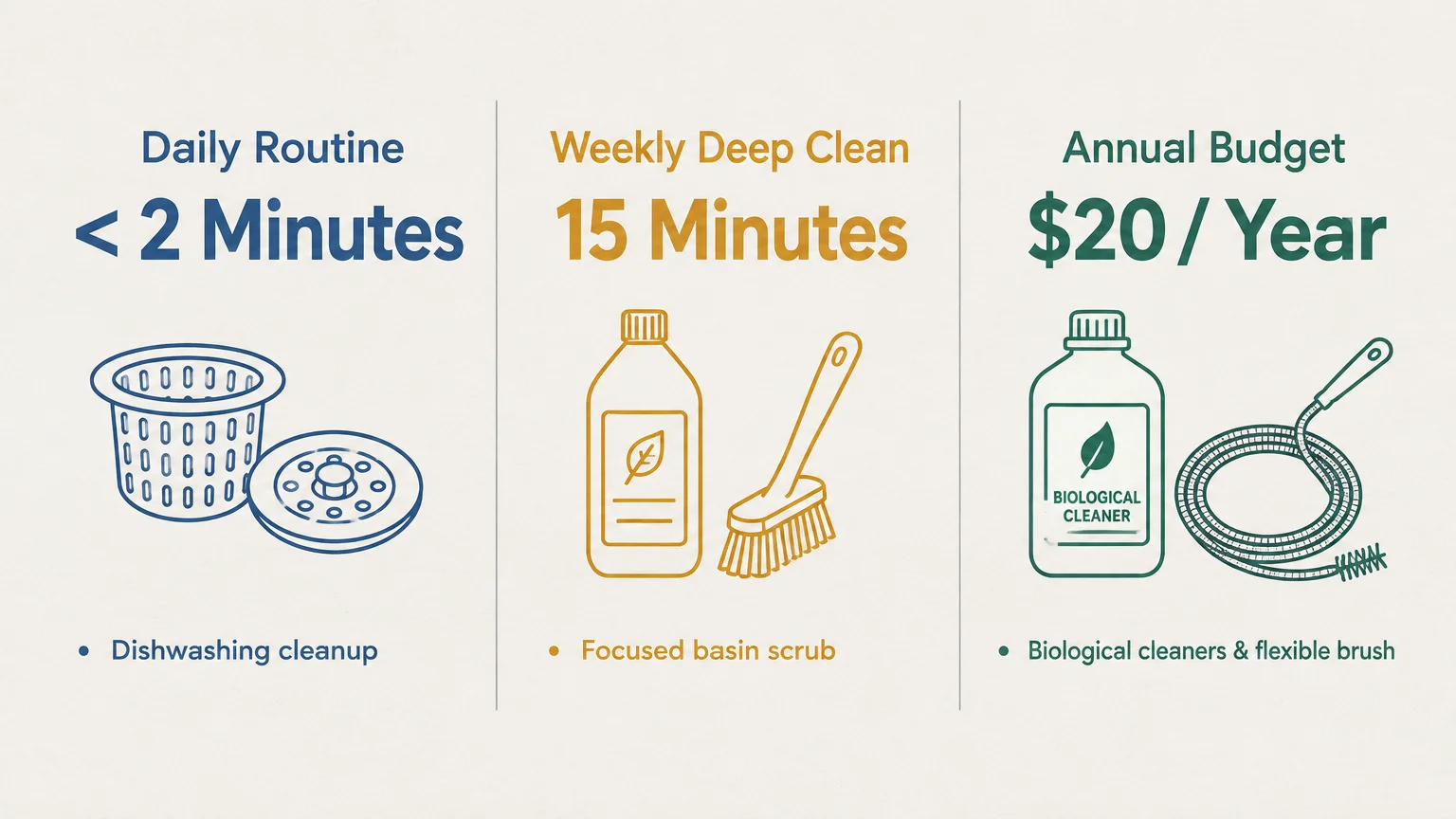
Implementing these practical drain cleaning tips requires minimal investment beyond standard household supplies. Budgeting twenty dollars for biological cleaners and a flexible drain brush covers an entire year of preventive care.
Your daily tasks take less than two minutes during regular dishwashing routines. Weekly deep cleaning sessions require approximately fifteen minutes of focused effort per basin.
This project suits complete novices and seasoned DIY homeowners alike. You need only basic hand tools to disassemble surface stoppers or rinse accessible drainage components.
Essential Preparation and Safety Protocols
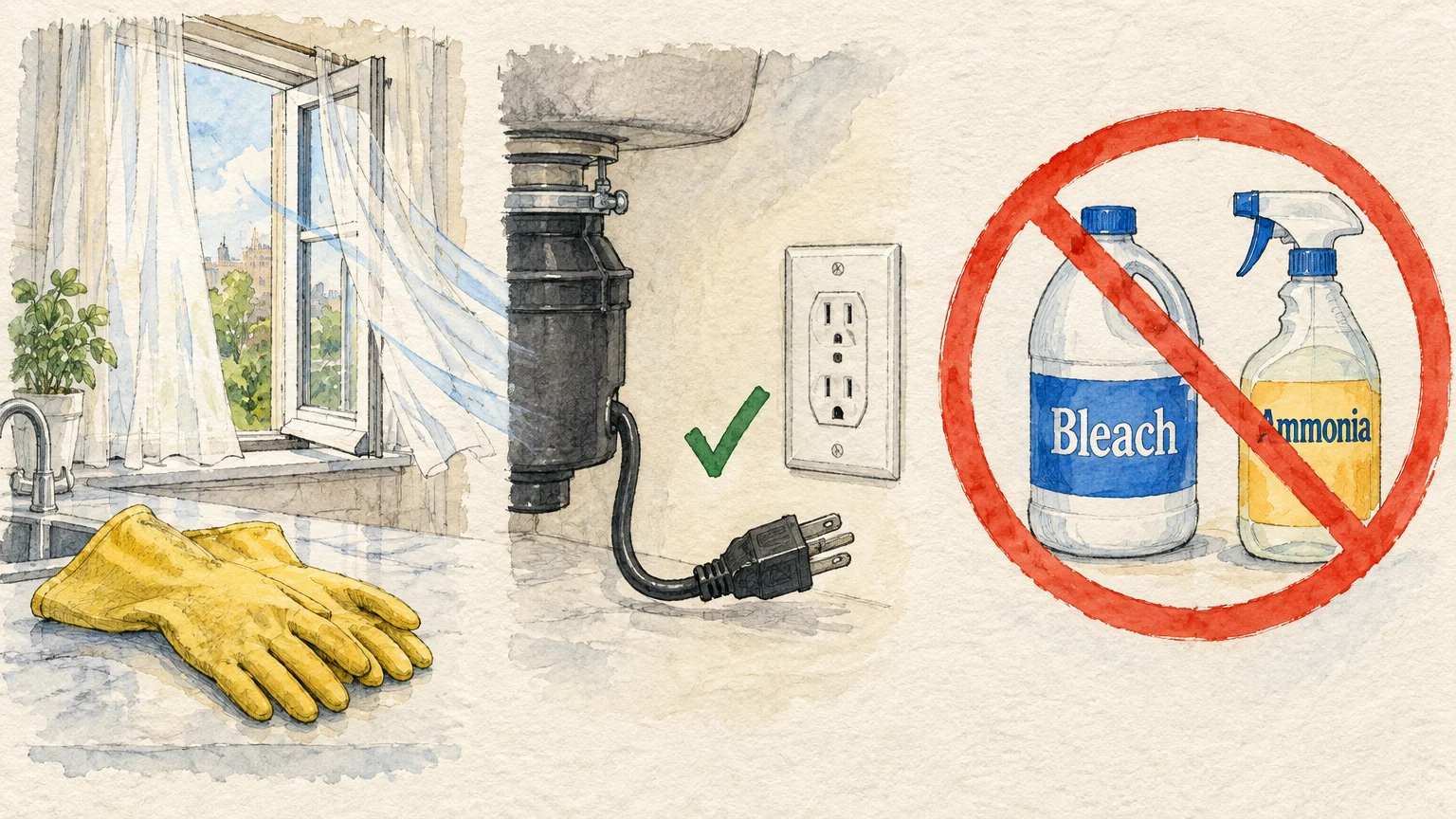
Every successful plumbing maintenance project begins with thoughtful preparation and personal protection. Wear durable rubber gloves to shield your hands from caustic residues and biological slime.
Ensure adequate ventilation by opening a nearby window or turning on an exhaust fan. Proper airflow disperses lingering sewer gas odors and fumes from natural cleaning pastes.
Learning how to clean smelly sink plumbing safely protects your home and prevents accidental chemical reactions. Never mix commercial drain openers with bleach, ammonia, or vinegar within enclosed pipes.
Disconnect your garbage disposal unit from its electrical outlet before inspecting the grinding chamber. Physical safety remains the top priority whenever you access internal sink components.
Daily Habits to Prevent Drain Odor at the Source
Consistent daily habits form your primary defense against noxious sink smells. Small adjustments to your cleanup routine prevent solid food particles from decomposing inside drain pipes.
Habit 1: Scraping Plates and Catching Solid Waste
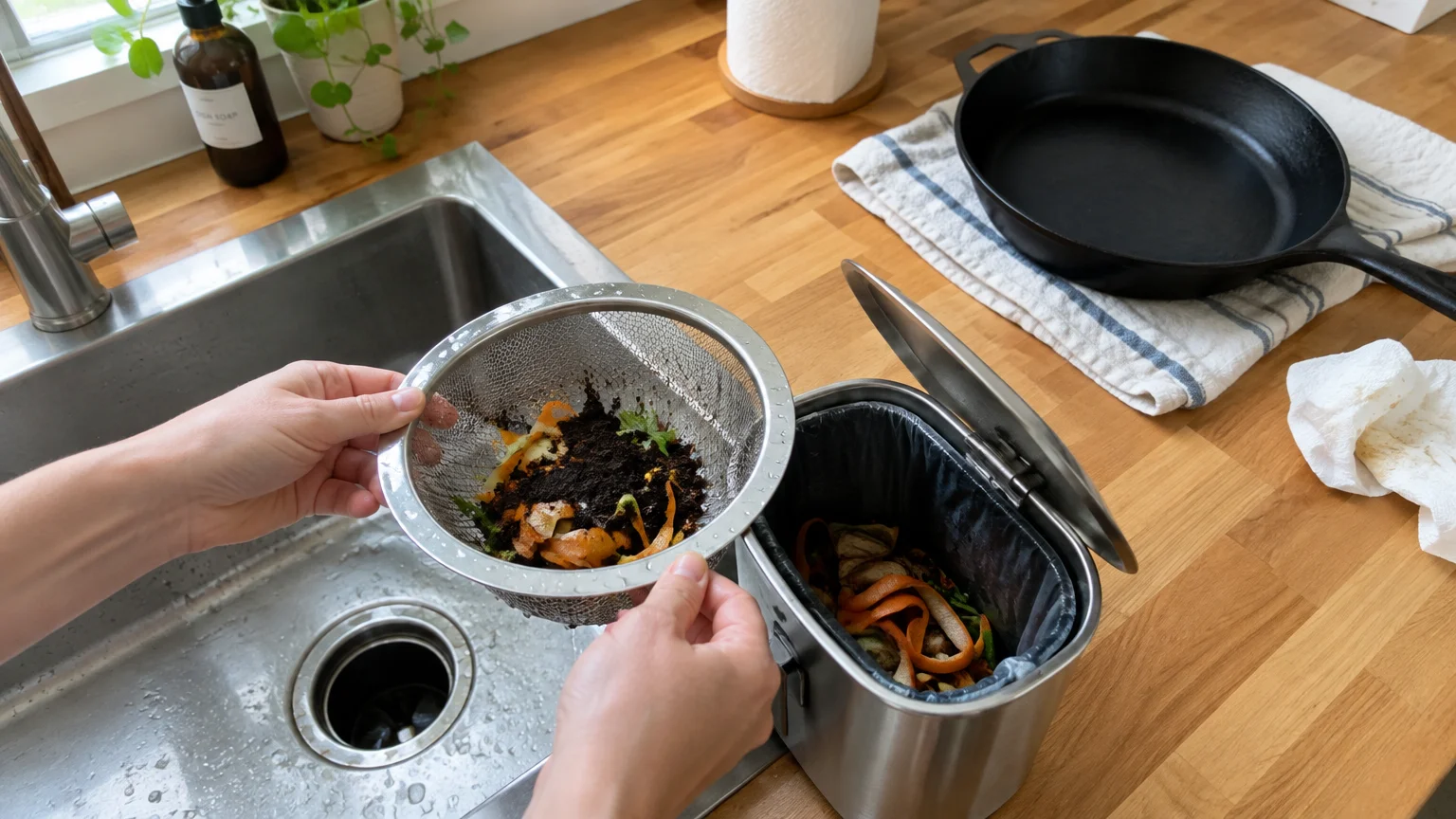
Install a fine-mesh stainless steel basket strainer over your drain opening. This inexpensive barrier traps tiny coffee grounds, grain kernels, and vegetable scraps before they enter the waste line.
Empty the captured debris into your compost bin or trash can after clearing each meal. Trapped organic solids rapidly break down inside moist plumbing lines, generating offensive odors.
Habit 2: Managing Fats, Oils, and Grease
Never pour cooking fats, bacon grease, or buttery sauces down the drain. According to guidance on waste management from the Environmental Protection Agency, grease solidifies inside pipes and constricts household sewer laterals.
Wipe oily skillets with recycled paper towels before washing them in hot, sudsy water. Collect warm cooking oil in a sealable metal can for responsible municipal disposal.
Habit 3: The Post-Dishes Hot Water Flush
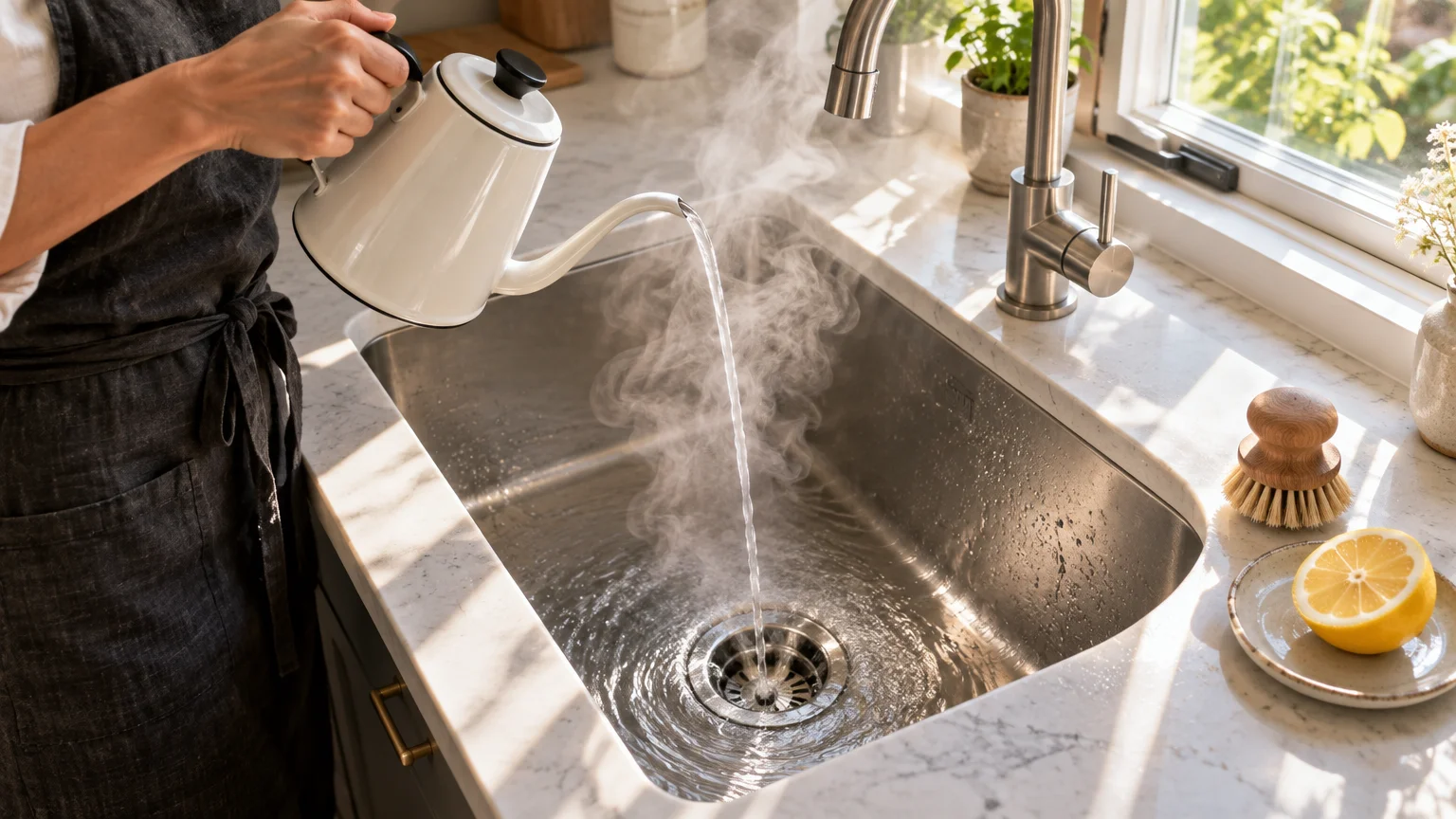
Conclude every evening dishwashing session by flushing your drain with a full kettle of steaming water. The intense heat liquifies clinging surface grease and sweeps soft sediment down the waste stack.
Pour the steaming water directly into the center of the drain in a steady stream. This thermal rinse dislodges nascent bacterial film before stubborn colonies can establish roots.
Weekly Maintenance for Deeper Deodorizing
Weekly care removes foul films that daily rinses leave behind. Dedicating a few minutes each weekend keeps your sink fresh and operational.
Habit 4: Scrubbing the Garbage Disposal Splash Guard
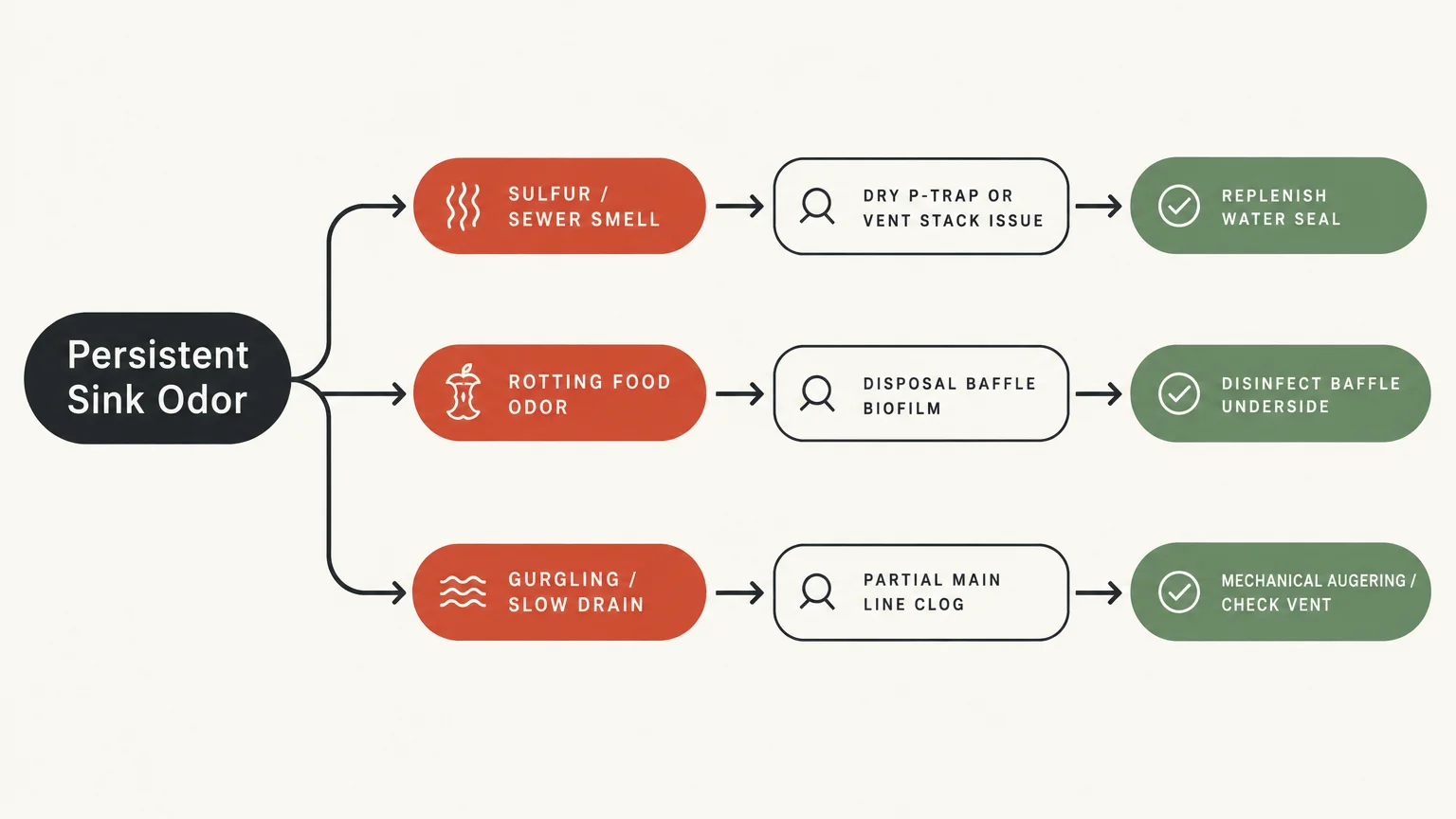
The rubber baffle at the mouth of your garbage disposal traps rotting food debris underneath its flexible folds. Unpleasant kitchen sink smell often originates from this hidden underside rather than the grinding chamber.
Pull the removable rubber collar free or fold the flaps upward using protective gloves. Scrub both sides vigorously with an old toothbrush soaked in grease-cutting liquid dish soap.
Rinse the rubber baffle thoroughly under running tap water before pressing it back into position. A clean splash guard instantly neutralizes lingering odor sources around the basin collar.
Habit 5: Applying Baking Soda and Vinegar Treatments
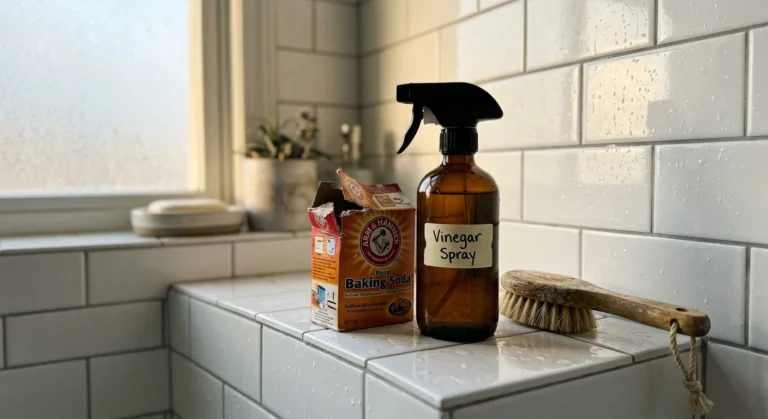
Pour half a cup of fresh baking soda directly down the dry drain aperture. Follow immediately with one cup of warm distilled white vinegar to activate a foaming chemical reaction.
Cover the drain opening with a flat rubber plug to force the carbon dioxide fizz down into the pipe. Allow the bubbling mixture to loosen grime for fifteen minutes.
Flush the fixture with steaming tap water to carry the emulsified organic debris away. This natural effervescent scrub neutralizes acidic odors without degrading fragile pipe seals.
Habit 6: Flushing the Bathroom Sink Overflow Channel
Bathroom sinks feature a built-in overflow channel designed to prevent accidental basin flooding. Unfortunately, soap scum, damp hair, and airborne mold frequently collect inside this unpressurized internal passage.
Insert a narrow, flexible silicone tube attached to a small funnel directly into the overflow hole. Pour a hot mixture of water and gentle dish detergent down the passage.
Scrub the opening gently using a specialized pipe cleaner or flexible bottle brush. Flushing this hidden chamber eliminates musty smells that manifest whenever water enters the sink.
Habit 7: Cleansing Mechanical Drain Stopper Assemblies
Pop-up drain stoppers in bathroom basins contain metal linkage rods that gather thick tangles of hair and paste. These sticky clogs decompose slowly, emitting an offensive sulfurous odor into your bathroom.
Loosen the retaining pivot nut beneath the sink basin to release the vertical stopper rod. Pull the entire stopper mechanism upward out of the drain opening.
Strip accumulated hair from the stem and scrub the rubber gasket with disinfectant spray. Reinstall the hardware securely, checking underneath for water-tight operation before walking away.
Monthly and Long-Term Defensive Strategies
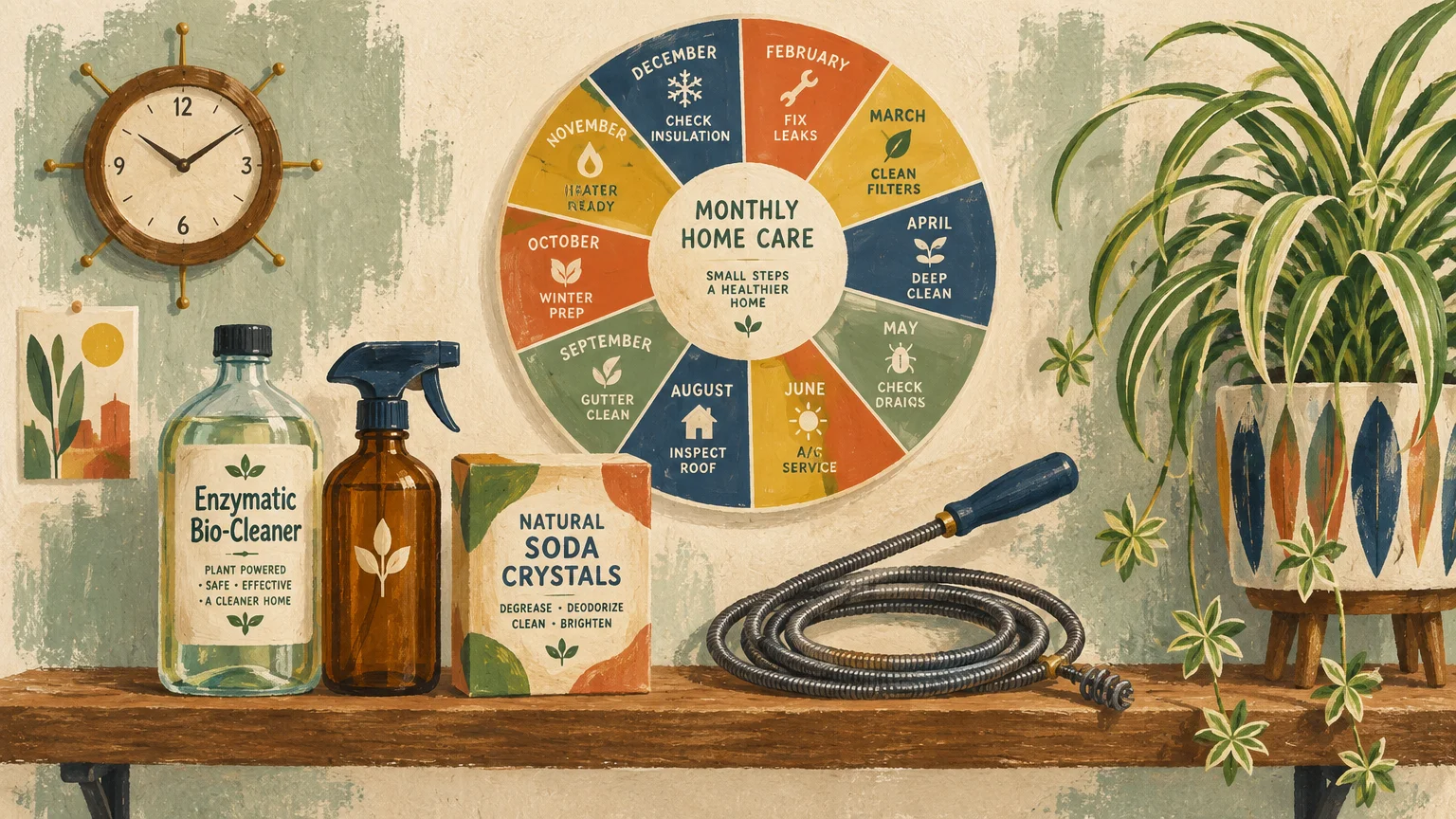
Monthly plumbing maintenance safeguards your drainage system against stubborn deep-set odors. These proactive measures keep drain lines clear without requiring harsh caustic chemicals.
Habit 8: Applying Bio-Enzymatic Drain Cleaners
Ditch corrosive chemical drain openers in favor of safe bio-enzymatic drain cleaners. Research from Penn State Extension highlights how non-pathogenic bacteria safely digest organic waste without destroying septic systems or plumbing infrastructure.
Pour the enzyme solution down your drains right before going to sleep at night. Leaving the formula undisturbed for eight hours allows hungry bacteria to consume clinging organic grease.
Flush the pipes with lukewarm tap water the following morning to clear loosened particles. Regular biological treatments maintain free-flowing pipes while preventing foul sulfur gas accumulation.
Habit 9: Clearing and Resetting the P-Trap
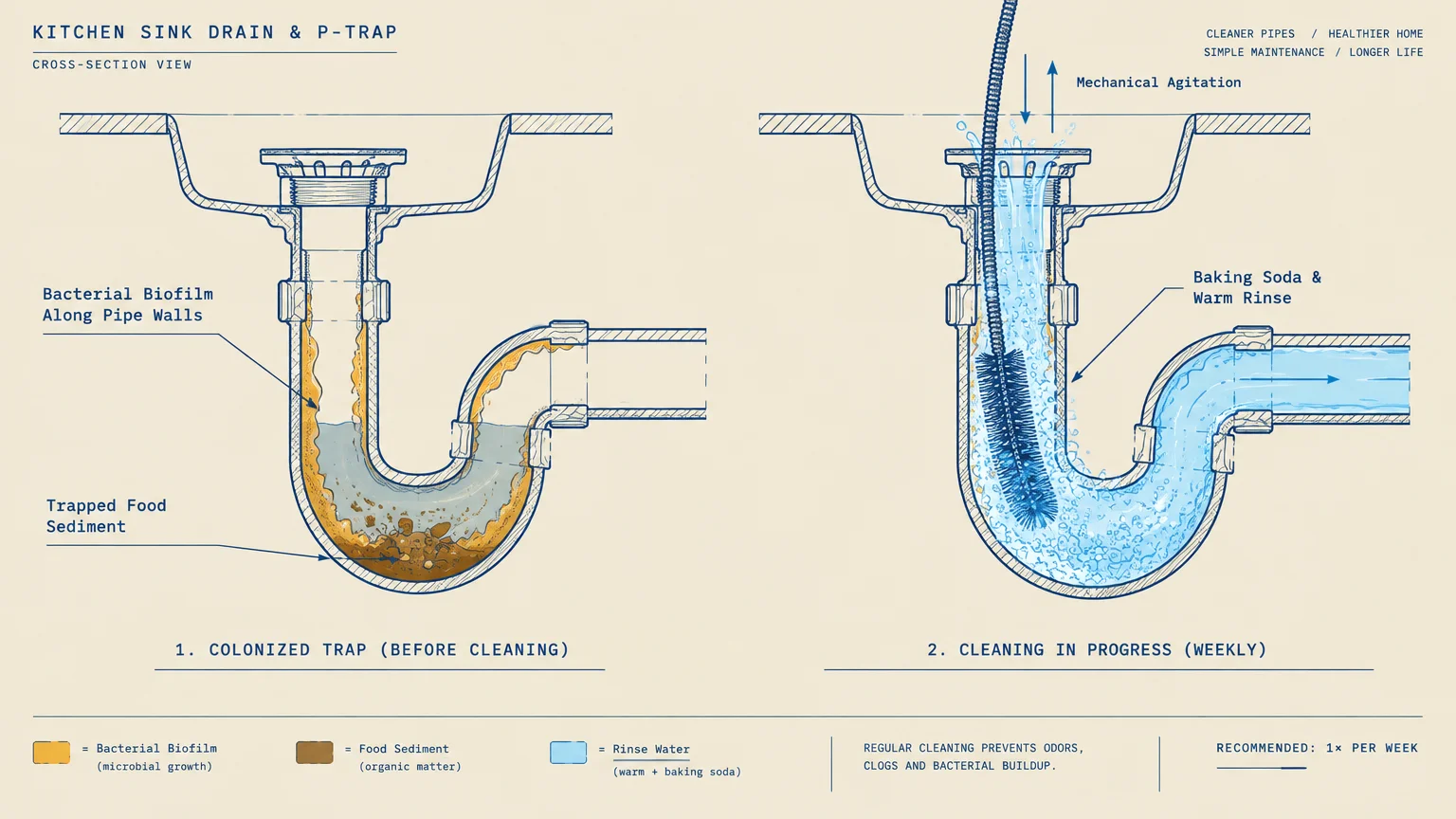
The curved pipe under your sink holds a protective water seal that blocks sewer gas. Heavy debris can settle inside this bend, decaying over months and generating pungent odors.
Position a shallow bucket underneath the slip nuts connecting the curved PVC trap pipe. Loosen the nuts by hand or with channel-lock pliers to drain standing wastewater.
Scrub interior pipe walls clean using a stiff wire bottle brush and hot water. Reseat the rubber slip washers carefully and hand-tighten all fittings to prevent leaks.
Habit 10: Inspecting Plumbing Vents and Ensuring Water Traps
Unused guest bathroom sinks often develop foul odors when their trap seals evaporate completely. Run tap water into rarely used fixtures for thirty seconds every month to replenish the protective water barrier.
Check your plumbing roof vent stacks if you notice persistent gurgling sounds accompanying sink odors. Cleared vent stacks equalize internal pressure so wastewater flows freely without siphoning dry traps.
Styling and Personalizing Your Sink Area
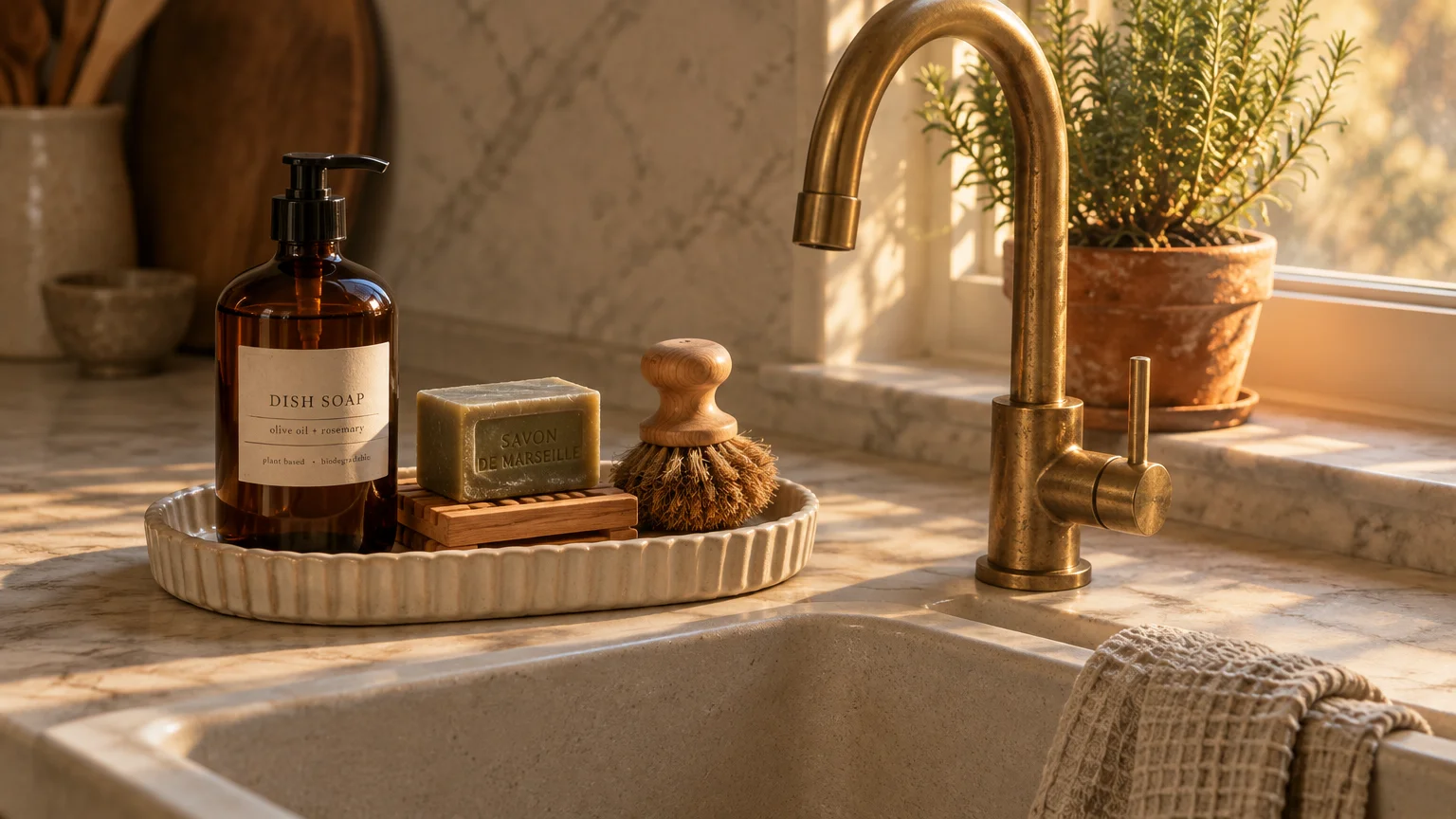
A clean sink deserves an elevated visual aesthetic that complements your home design. Smart functional accessories streamline cleaning routines while infusing your wash area with sophisticated charm.
Pair high-performance fixtures with matte black, brushed brass, or polished nickel finishes. Design insights from Architectural Digest emphasize that durable, non-porous surfaces actively resist microbial accumulation around sink rims.
Upgrade your workstation with a solid ceramic soap tray and matching amber glass pump bottles. Coordinated organizers replace clutter with intentional design, keeping sponges dry and odor-free.
Select perforated sink mats made from antimicrobial food-grade silicone rather than mildew-prone plastic mesh. These flexible protectors shield sink basins from scratches while draining water instantly.
Introduce gentle natural aromatics to enhance your room ambiance between scheduled deep cleanings. Place small sprigs of fresh eucalyptus or rosemary in a minimalist ceramic vase beside the faucet.
Grind fresh citrus peels through your garbage disposal alongside cold running water. Natural citrus oils deposit bright botanical notes throughout the room without synthetic chemical sprays.
Troubleshooting Persistent Sink Odors and Common Pitfalls
When standard cleaning habits fail to eradicate sink odors, investigate deeper plumbing problems. Pinpointing the exact cause prevents unnecessary repairs and restores fresh indoor air.
A sudden rotten egg smell usually signals an evaporated trap seal or cracked vent pipe. Pouring two cups of water into dormant drains quickly resolves dry trap issues.
Never pour commercial bleach down a garbage disposal unit with rubber seals. Bleach hardens delicate internal neoprene gaskets, causing sudden leaks beneath your kitchen cabinetry.
Inspect dishwasher drain hoses beneath the kitchen counter for improper installation loops. According to kitchen renovation guides on HGTV, an elevated high loop prevents wastewater from back-siphoning into your sink drain.
Check your household water heater temperature settings to ensure sufficient sanitizing warmth. The Department of Energy recommends setting water heaters to 120 degrees Fahrenheit to balance safety with cleaning performance.
Schedule a professional camera inspection if noxious sewer smells linger despite spotless plumbing traps. Underground sewer main line cracks require prompt professional remediation from licensed plumbing contractors.
Frequently Asked Questions About Sink Care
Can bleach safely eliminate persistent drain smells?
Bleach acts as a potent disinfectant, but it cannot dissolve thick hair or coagulated grease. Caustic bleach also damages septic ecosystems and degrades rubber disposal components over time.
Rely instead on bio-enzymatic drain cleaners or baking soda and vinegar washes. These sustainable solutions dissolve organic matter safely without corroding delicate plumbing seals.
How do bio-enzymatic cleaners compare to chemical drain openers?
Bio-enzymatic formulas utilize live bacteria to break down fats, starches, and proteins naturally. Caustic chemical openers rely on intense heat reactions that can soften plastic pipes and generate toxic fumes.
Enzyme cleaners work slower than aggressive chemicals, requiring several hours to digest sludge. However, their lingering bacterial action offers long-term protection against recurring odor.
Why does my bathroom sink smell like rotten eggs when running water?
Running water displaces stale air upward through dry overflow passages or coated pop-up stoppers. The smell often originates from hair and soap scum decomposing on the stopper assembly.
Occasionally, sulfur-reducing bacteria living inside your water heater create hydrogen sulfide gas. Test your hot and cold water separately to isolate plumbing odors from municipal water supply issues.
How do I clean bathroom sink overflow openings without making a mess?
Use a narrow, flexible silicone funnel inserted directly into the overflow hole. Pour warm water mixed with grease-cutting dish soap through the channel to wash away accumulated debris.
Follow with a flexible nylon tube brush to scrub interior walls mechanically. Rinse thoroughly with clean warm water to restore clear airflow through the passage.
Take Control of Your Kitchen Air Today
Banishing foul sink odors does not require costly emergency visits from professional contractors. Consistent application of these ten straightforward habits maintains pristine, fresh-smelling drains year-round.
Assemble your cleaning supplies, inspect your drain baffles, and implement these simple steps today. Your plumbing system will reward you with quiet, smooth, and odorless performance for years to come.