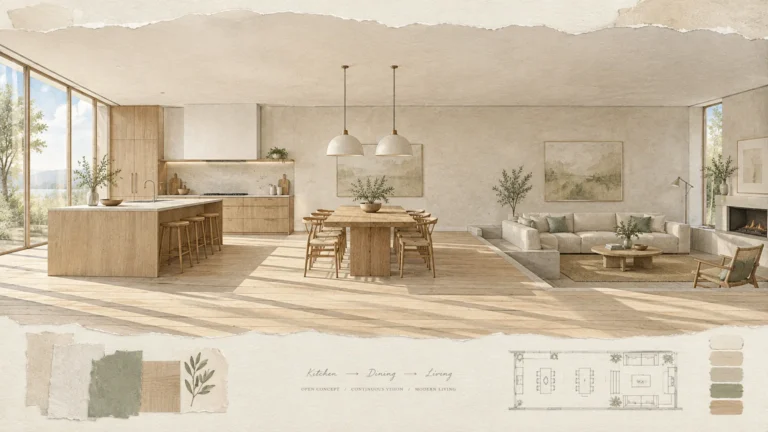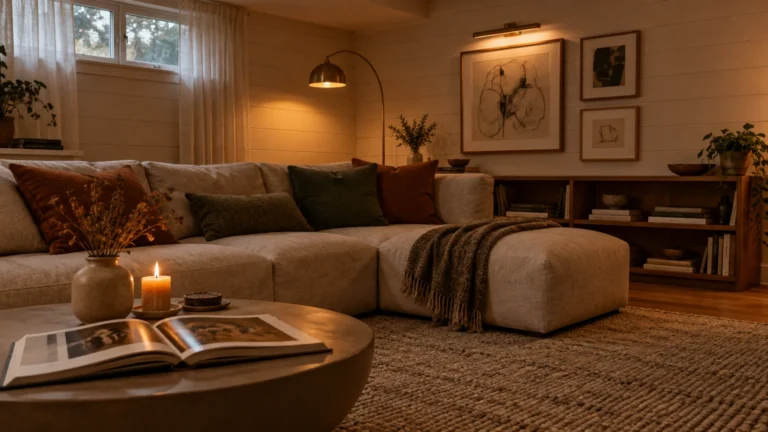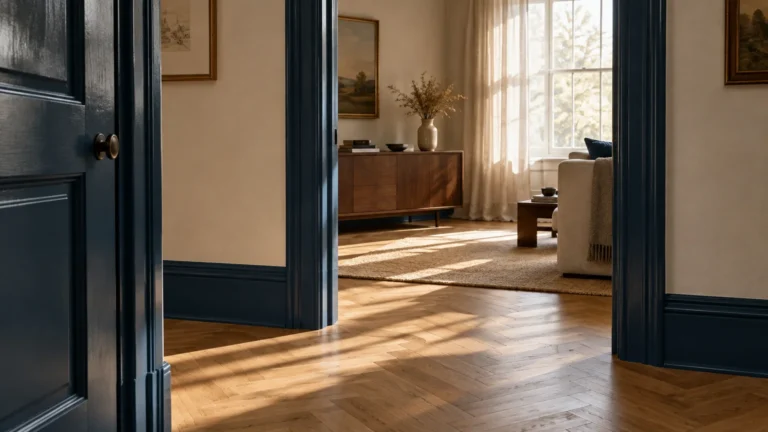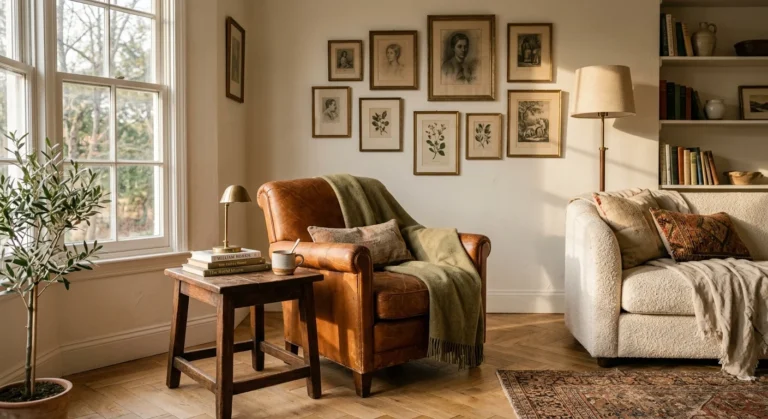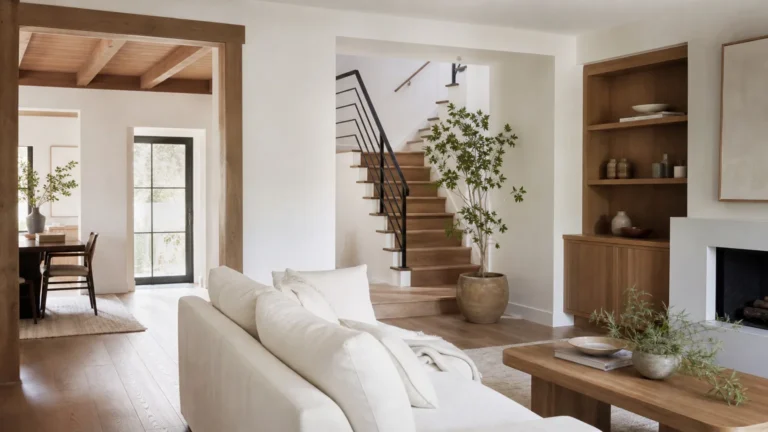
Transforming a temporary rental into a cozy, bespoke sanctuary does not require forfeiting your security deposit or executing permanent construction. You can bypass generic beige walls, outdated cabinet knobs, and harsh overhead lighting through strategic, rental-friendly design swaps that express your unique personal style. By focusing on reversible updates like peel-and-stick textiles, upgraded hardware, custom window treatments, and intentional lighting layers, you reclaim creative control over your living area. Whether you occupy a studio apartment for twelve months or rent a townhouse long-term, these tactical updates elevate your interior footprint while keeping your lease agreement intact. You gain a polished, custom aesthetic that feels entirely your own.
Project Planning Snapshot
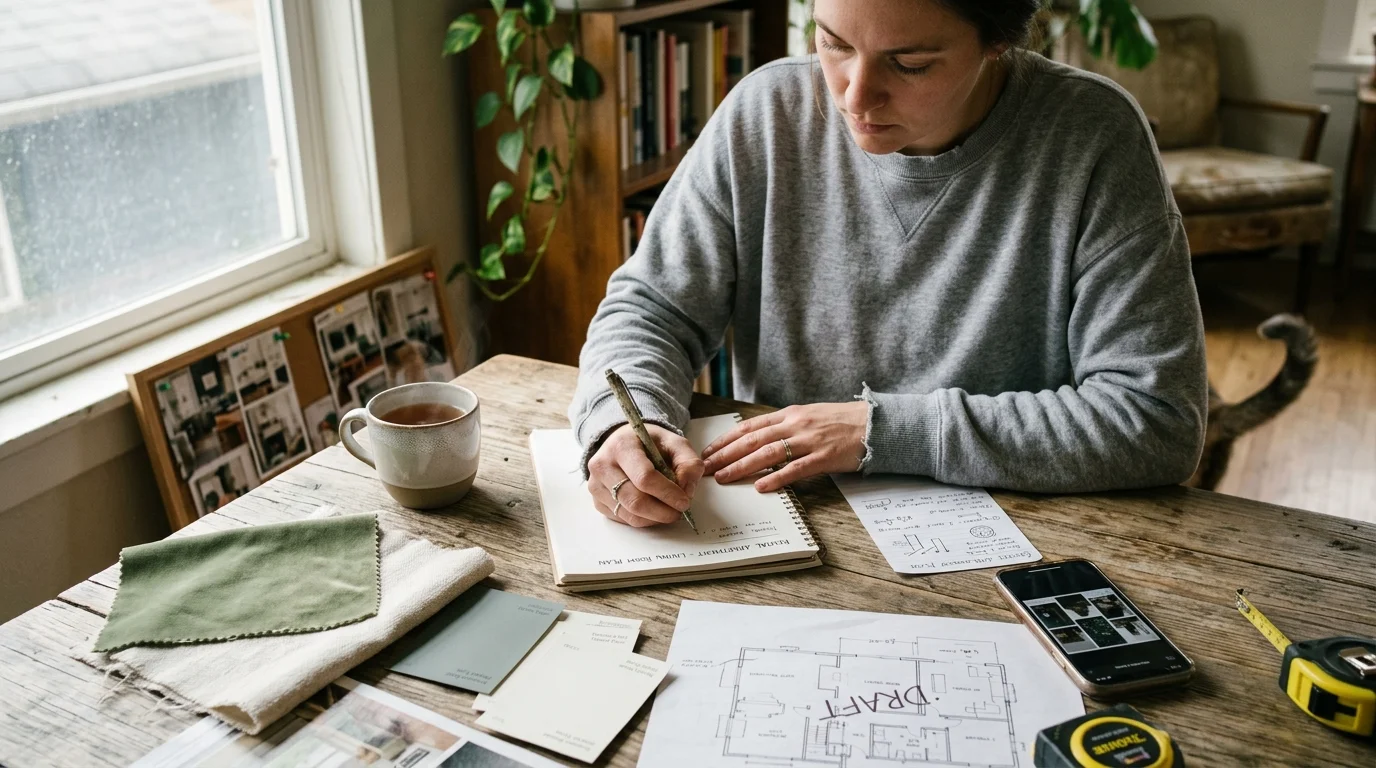
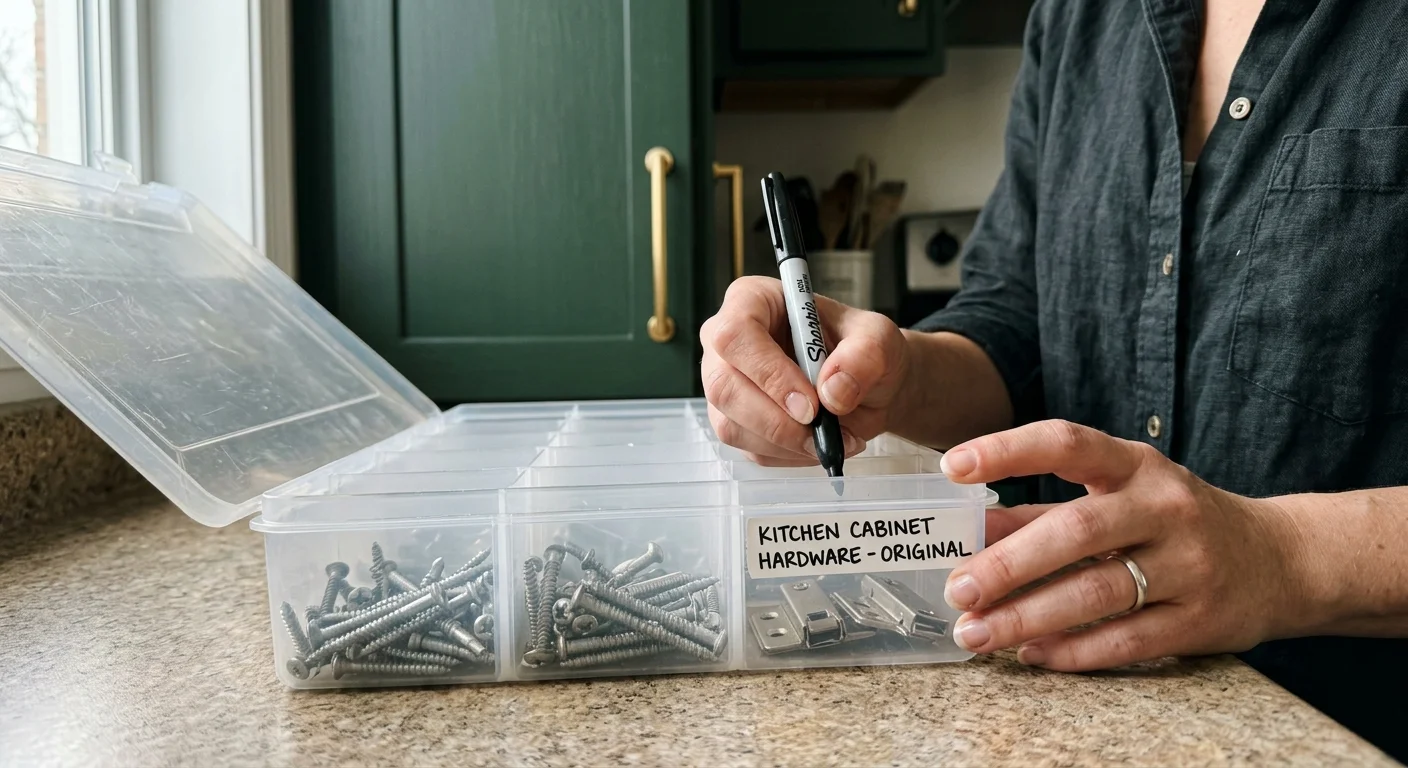
Before unrolling temporary wallpaper or unboxing brass pulls, establish a practical design blueprint. Projects focused on personalize rental home ideas can range from a fifty-dollar weekend hardware swap to a five-hundred-dollar full-room makeover; setting clear limits keeps your spending targeted. Most renter decorating tips rely on basic DIY skills and standard household tools like a cordless drill, precision knife, tape measure, and painter’s level. Allocate two hours for targeted tasks like changing switch plates; set aside a full weekend for peel-and-stick wallpaper or vinyl backsplashes. Always review your rental contract first, noting restrictions on wall anchors or paint. Store original fixtures in labeled bins to ensure quick reinstallation before move-out day.
Phase 1: Preparing Your Rental for Design Upgrades
Proper preparation guarantees clean application and stress-free removal when your lease ends. Start by cleaning all target surfaces; accumulated dust, grease, and humidity compromise the adhesive strength of temporary wallpapers and removable tiles. A standard solution of warm water and mild soap removes oils from cabinets and walls without stripping paint. Allow surfaces to dry for twenty-four hours before applying self-adhesive products. Inspect wall textures carefully, as heavy knockdown finishes reduce adhesive contact and may require alternative mounting strategies like heavy-duty picture hangers or tension rods. Keep safety first by switching off breakers at your main panel whenever working near electrical outlets or light fixtures.
10 High-Impact Strategies for Decorating a Rental Apartment
1. Upgrade Builder-Grade Hardware and Lighting
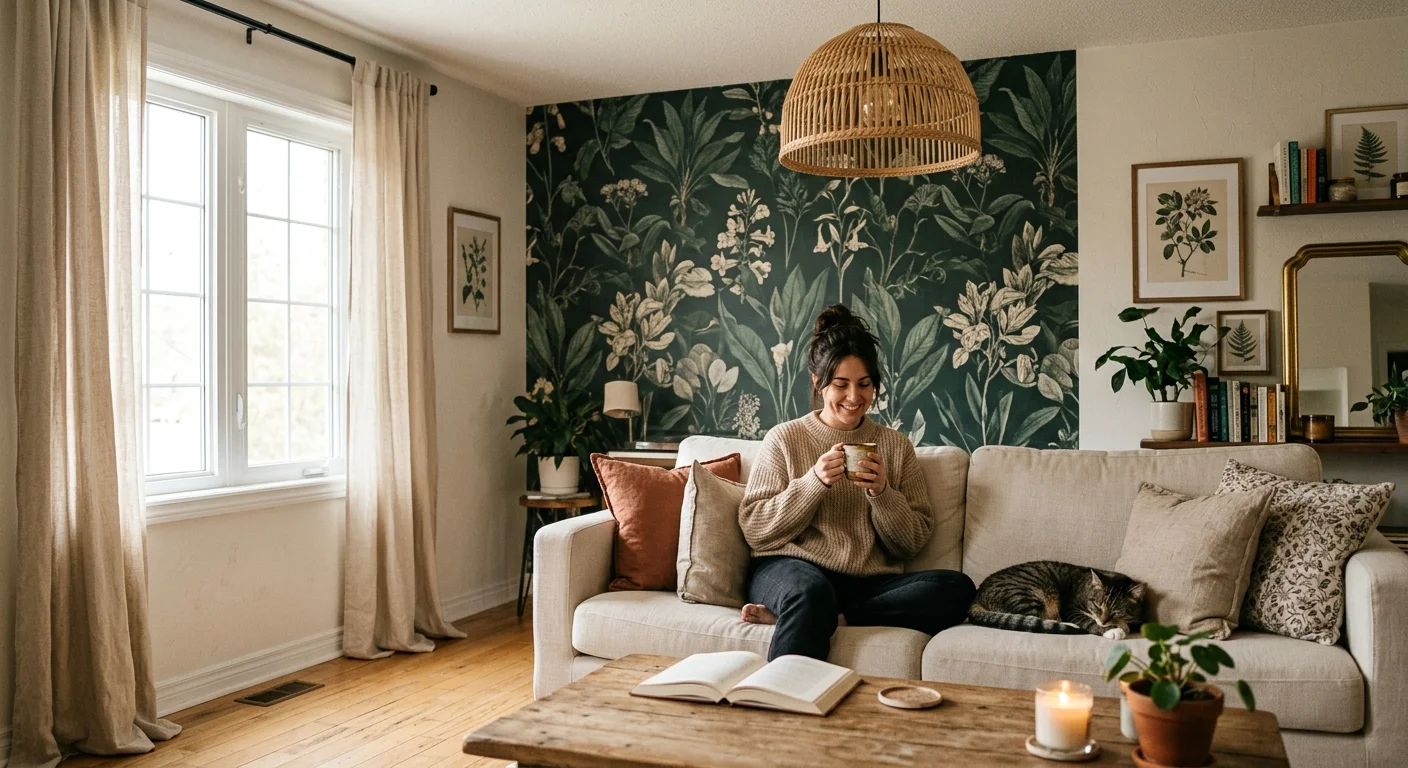
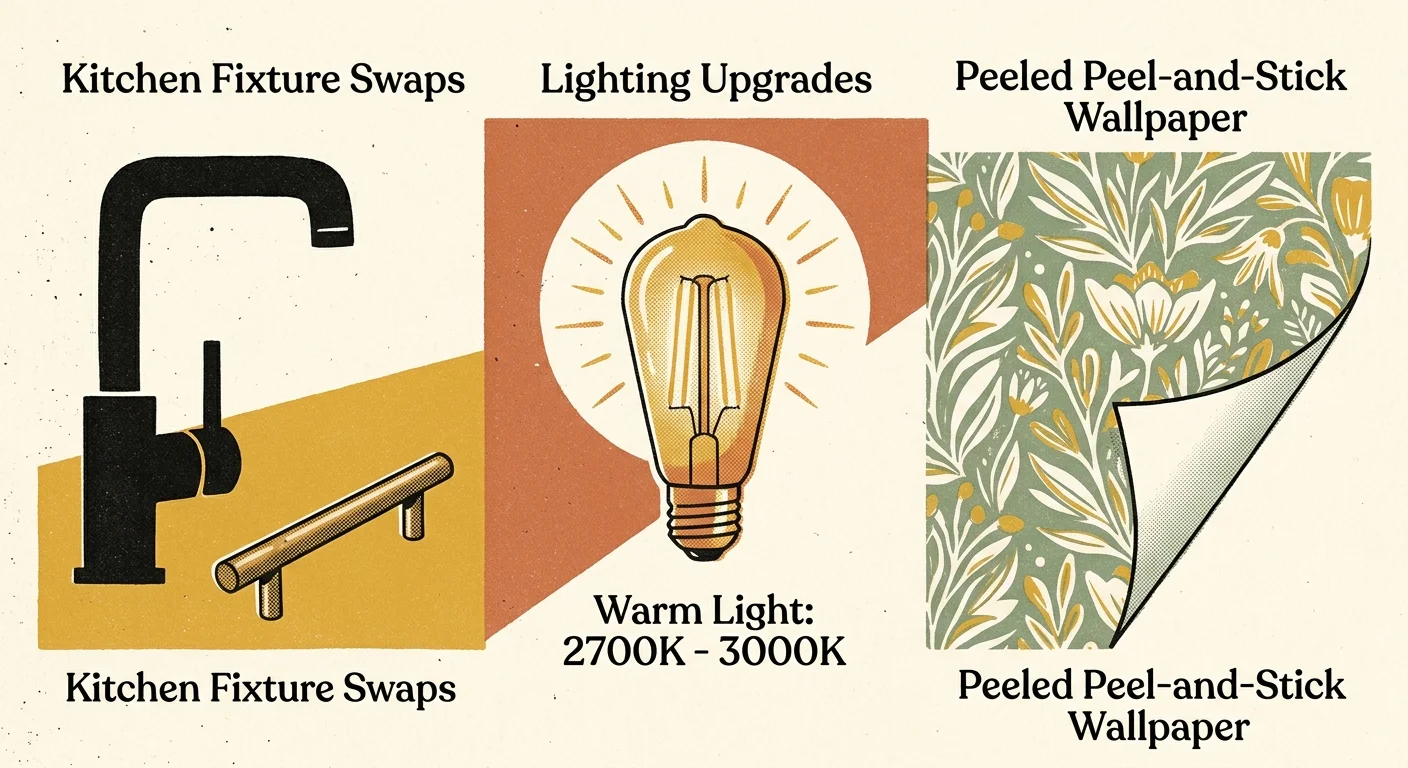
Swapping out basic plastic knobs, tarnished chrome handles, and standard switch plates provides an immediate visual upgrade across kitchen and bathroom spaces. Matte black pulls, brushed brass knobs, or ceramic handles bring modern craftsmanship to builder-grade cabinetry. Store original hardware in labeled bags for easy move-out reinstallation. Overhead lighting also dictates mood; replacing a generic flush-mount dome with a woven pendant creates an instant focal point. According to lighting guidance from the U.S. Department of Energy, using energy-efficient LED bulbs with warm color temperatures—between 2700K and 3000K—softens cold rental paint tones.
2. Install Peel-and-Stick Accent Walls
Peel-and-stick wallpaper has revolutionized decorating a rental apartment by delivering rich patterns and textures without damaging drywall. Choose self-adhesive vinyl wallpaper for moisture-prone bathrooms, or select woven fabric wallpaper for living rooms and bedrooms. Measure walls accurately and buy ten percent extra material to handle pattern matching along seams. Apply panels slowly from top to bottom, smoothing air bubbles with a felt squeegee. When choosing patterns, reference design principles highlighted by Architectural Digest, which suggest using large-scale geometric motifs or moody botanical prints to make compact rooms feel expansive rather than visually cluttered.
3. Layer Rugs to Define Functional Living Zones
Rental flooring often features builder-grade wall-to-wall carpet or plain vinyl tiles that lack visual warmth. Layering area rugs directly over existing floors introduces rich texture, hides floor wear, and dampens ambient noise. Anchor your seating area with a large neutral base rug made from jute or sisal, then angle a smaller patterned wool rug over top for rich color. Place non-slip rug pads beneath every layer to prevent shifting. This rug strategy effectively establishes distinct functional zones within open-concept layouts, clearly separating your dining area from your main lounge space without building walls.
4. Swap Out Standard Window Coverings
Standard plastic mini-blinds instantly feel temporary. Elevate your windows by removing standard blinds carefully—leaving mounted brackets intact—and storing them safely out of sight. Hang floor-length curtain panels using temporary tension rods or bracket hooks that snap onto existing blind hardware. Mount your curtain rod several inches above the actual window frame and extend it wider than the window; this visual trick creates an illusion of towering ceilings. Choose breathable linen or heavy velvet drapes depending on privacy needs, adding instant architectural texture to plain rental windows.
5. Maximize Vertical Space with Floating Shelves and Floor Mirrors
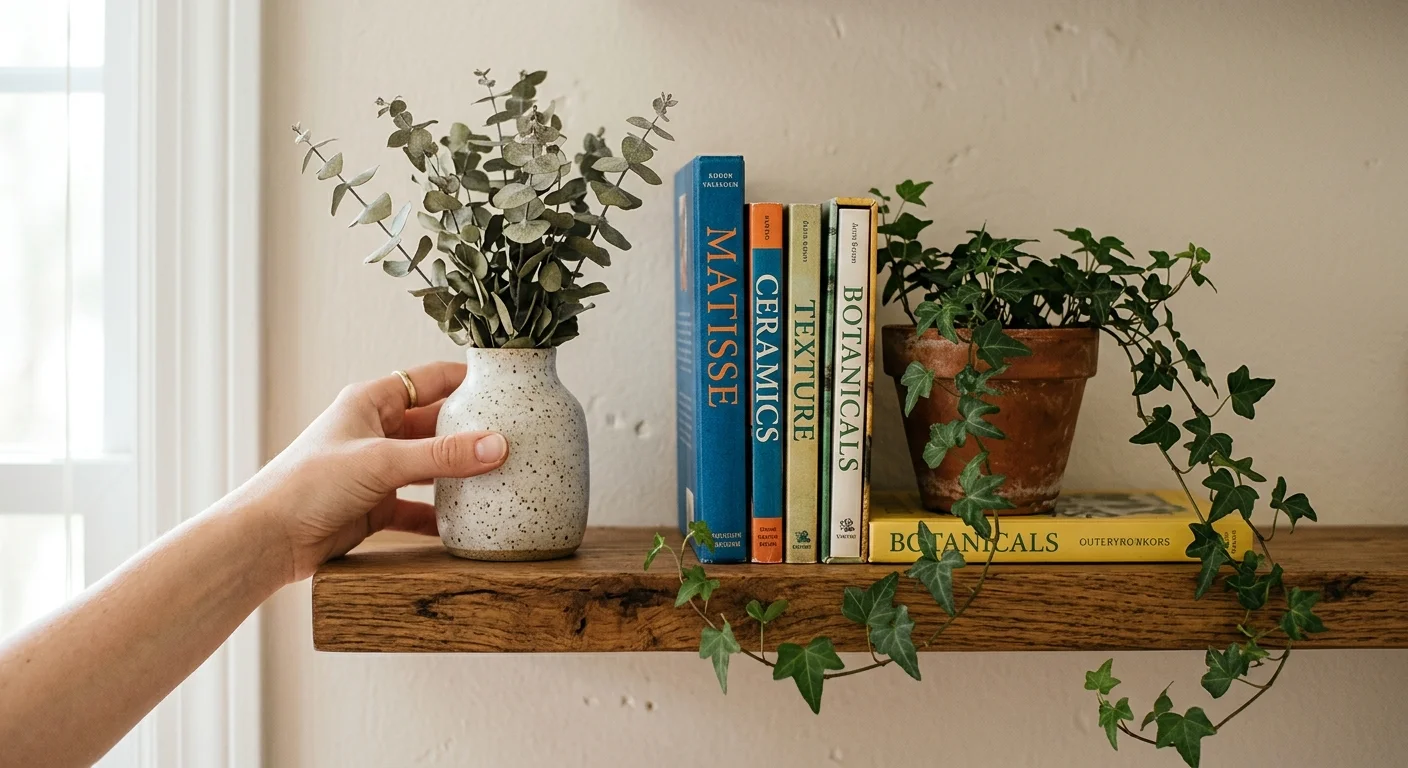
When floor space is limited, utilize vertical wall space to display personal books, art, and ceramics. Install floating shelves using easy-patch wall anchors, or select leaning ladder shelves that rest against walls without deep drilling. Oversized floor mirrors bounce natural light deep into dark spaces while doubling perceived room size. According to styling resources from HGTV, arranging functional items alongside decorative ceramics and trailing indoor plants on vertical shelves builds visual rhythm, giving your rental an intentionally curated gallery feeling.
6. Hang Art with Damage-Free Mounting Systems
Creating a gallery wall does not require drilling deep anchor holes into drywall. Combine heavy-duty adhesive picture hangers with lightweight frames to display photography, art prints, and woven textiles. For window alcoves or recessed wall nooks, position adjustable tension rods to hang lightweight tapestries suspended from satin ribbons. Always check manufacturer weight ratings for adhesive hooks, pressing them firmly against clean walls for thirty seconds and waiting twenty-four hours before mounting heavy items to ensure an unyielding adhesive bond.
7. Transform Kitchen Backsplashes with Removable Vinyl Tiles
Plain painted drywall or dated ceramic tile backsplashes drain personality from kitchens. Self-adhesive vinyl backsplash tiles replicate realistic subway tiles, zellige patterns, or marble herringbone at a fraction of the cost. Clean your backsplash thoroughly with degreaser prior to installation, then cut tile panels using a utility knife and metal straightedge. Seal seams near sink basins with removable clear silicone caulk to block water intrusion behind tiles, protecting your landlord’s drywall while building a custom culinary backdrop.
8. Layer Plug-In Lighting Fixtures
Overhead central lighting in rental apartments frequently produces flat, unflattering illumination. Correct this by introducing multiple soft light layers throughout every room using table lamps, floor lamps, and plug-in wall sconces. Mount decorative plug-in sconces beside your bed or sofa, disguising hanging cords beneath paintable cord covers that blend into your wall color. Smart light bulbs allow you to program custom schedules, adjust brightness levels, and tune color warmth from your smartphone, turning a basic rental room into an ambient retreat.
9. Apply Removable Contact Paper to Countertops and Furniture
If worn laminate countertops or basic rental furniture ruin your aesthetic, heavy-duty contact paper delivers a dramatic surface overhaul. Modern faux-marble, granite, and wood-grain contact papers feature water-resistant surfaces that withstand light daily use in kitchens and bath spaces. Smooth contact paper across clean counter surfaces using a plastic squeegee, trimming edges neatly around sinks with a razor blade. You can also apply matching contact paper to basic bookshelves or coffee tables, unifying mismatched furniture pieces under a single cohesive theme.
10. Introduce Scale and Organic Life with Large Botanicals
Living plants instantly introduce vibrant color and organic texture to sterile rental environments. Rather than cluttering window sills with small succulents, invest in two or three large statement plants like a Fiddle Leaf Fig, Monstera, or Snake Plant housed in woven baskets or ceramic pots. According to plant care guides from Clemson University Cooperative Extension, incorporating indoor foliage enhances visual texture while naturally regulating indoor humidity. Position tall plants in empty corners to soften sharp architectural lines and bring vibrant life to every room.
Styling and Personalization Techniques
After completing hardware swaps and wall updates, focus on intentional styling to tie your interior scheme together. Establish a cohesive three-shade color palette: assign a dominant neutral to sixty percent of the space, a secondary accent to thirty percent through curtains and rugs, and a bold pop color to ten percent through throw pillows and art. Mix contrasting textures—such as chunky knit wool, brushed brass, raw wood, and smooth linen—to add tactile depth that distracts from standardized rental architecture. Float seating furniture slightly away from walls to create intimate conversational groupings that feel intentional rather than cramped.
Troubleshooting and Maintenance Guidelines
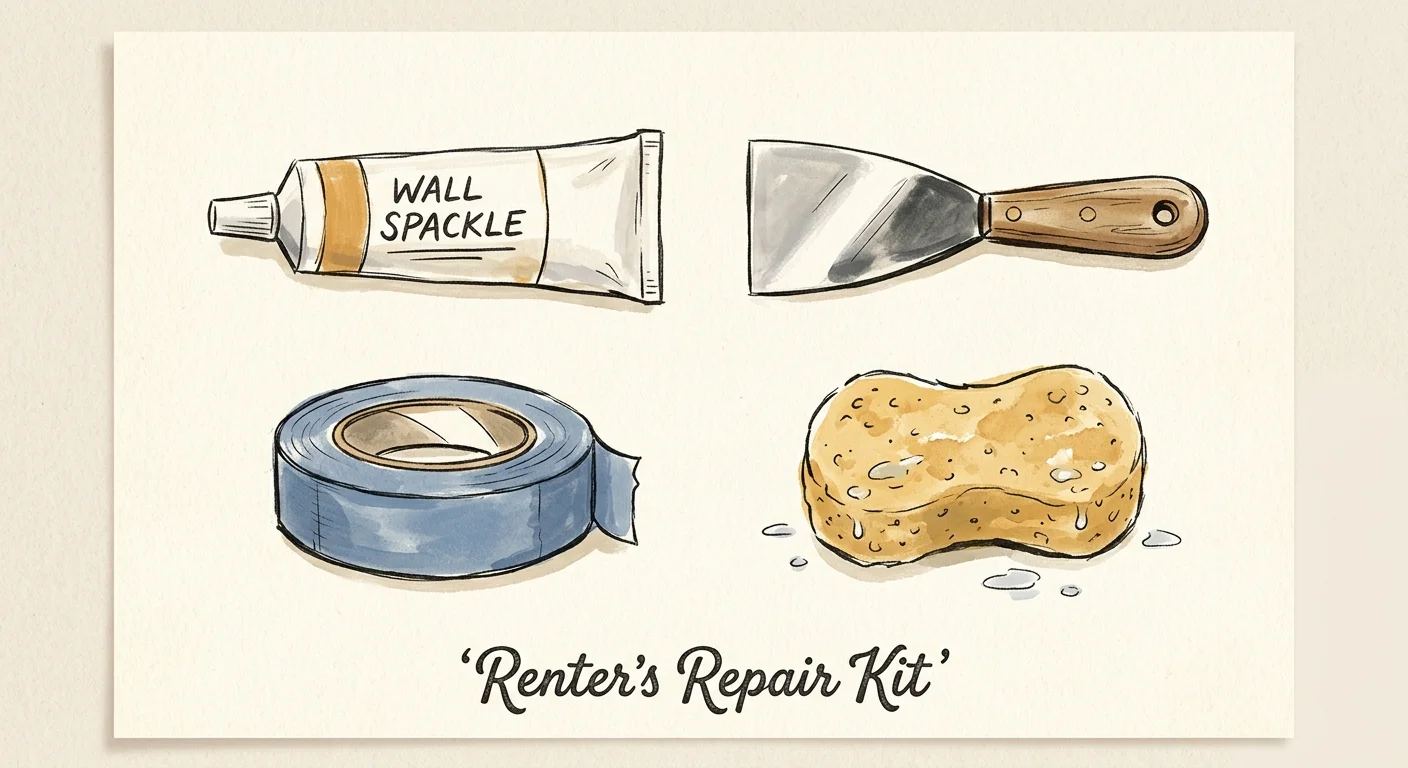
Maintaining temporary design updates requires simple periodic checkups and smart move-out planning. If peel-and-stick wallpaper edges lift over time due to seasonal humidity shifts, apply a tiny drop of washable craft glue behind the loose edge and press firmly. Avoid harsh chemical solvents when removing sticky adhesive residue during move-out; warm soapy water or diluted isopropyl alcohol safely dissolves adhesive without stripping original wall paint. Keep matching touch-up paint on hand if you do minor spackling over tiny pinholes. Taking clear photographs of your apartment before installing upgrades and after removing them provides essential documentation for full security deposit recovery.
Frequently Asked Questions
How do I ask my landlord for permission to make temporary modifications?
Submit a written proposal detailing your planned projects to your landlord. Emphasize that all updates are non-permanent, self-funded, and designed to protect wall surfaces. Highlight that hardware swaps and peel-and-stick applications require zero structural changes. Offering to return all original fixtures before move-out demonstrates responsibility and builds trust.
What are the safest methods to hang heavy artwork without drilling?
For heavy mirrors and framed artwork, use specialized no-drill wall hangers that utilize thin steel pins inserted into drywall at downward angles; these hold significant weight while leaving micro-pinholes that fill effortlessly with spackle. Heavy-duty adhesive mounting strips rated for fifteen pounds also work effectively on clean, smooth walls.
Can peel-and-stick wallpaper damage original wall paint upon removal?
High-quality removable wallpaper applied over sound, fully cured paint will not peel drywall surfaces. Damage usually occurs if underlying paint was poorly primed or flaking before application. To remove paper safely, warm panels gently using a hairdryer set to low heat, softening adhesive so you can peel paper away slowly at a forty-five-degree angle.
How can I make a dark rental apartment feel brighter without painting?
Brighten dark rental spaces by positioning large floor mirrors directly opposite natural light sources like windows to reflect sunlight throughout the room. Replace heavy dark drapes with sheer linen curtains that diffuse sunlight softly. Upgrade ambient lighting by placing high-lumen, warm-toned LED bulbs inside multi-directional floor lamps positioned in dark corners.
Transform Your Space Today
Renting an apartment should never force you to compromise on style or live in a generic, impersonal environment. By implementing practical, non-permanent strategies—such as upgrading cabinet hardware, layering area rugs, hanging custom window panels, and installing peel-and-stick accents—you build a rental friendly decor scheme that reflects your personality. Begin with one simple weekend project today, like swapping standard cabinet knobs or placing a statement floor mirror, and experience how quickly your space elevates into a customized home.