You can transform an uninspired room into a cohesive, functional retreat simply by sidestepping expensive purchasing blunders. Taking control of your furniture selections saves thousands of dollars in freight fees and years of everyday frustration.
Even seasoned DIY enthusiasts often fall into showroom traps that compromise room balance and restrict movement. Understanding how professional designers source and measure pieces will instantly elevate your decorating confidence.
Before you swipe your credit card on a trendy sofa or an oversized dining set, learn how to audit your layout like a seasoned professional. These strategic principles guarantee that every new acquisition looks intentional and fits effortlessly.

Planning Snapshot: Project Benchmarks
Before you buy a single accent table or armchair, establish clear project benchmarks. Setting realistic budgets and timelines prevents decision fatigue and costly impulse buys.
Most room transformations require two to four weeks of planning, measuring, and sourcing. Custom upholstery or freight orders can add another six to ten weeks for residential delivery.
Allocate roughly sixty percent of your furniture budget to core anchor items like sofas, dining tables, and primary bed frames. Reserve the remaining forty percent for accent lighting, secondary seating, rugs, and hardware.
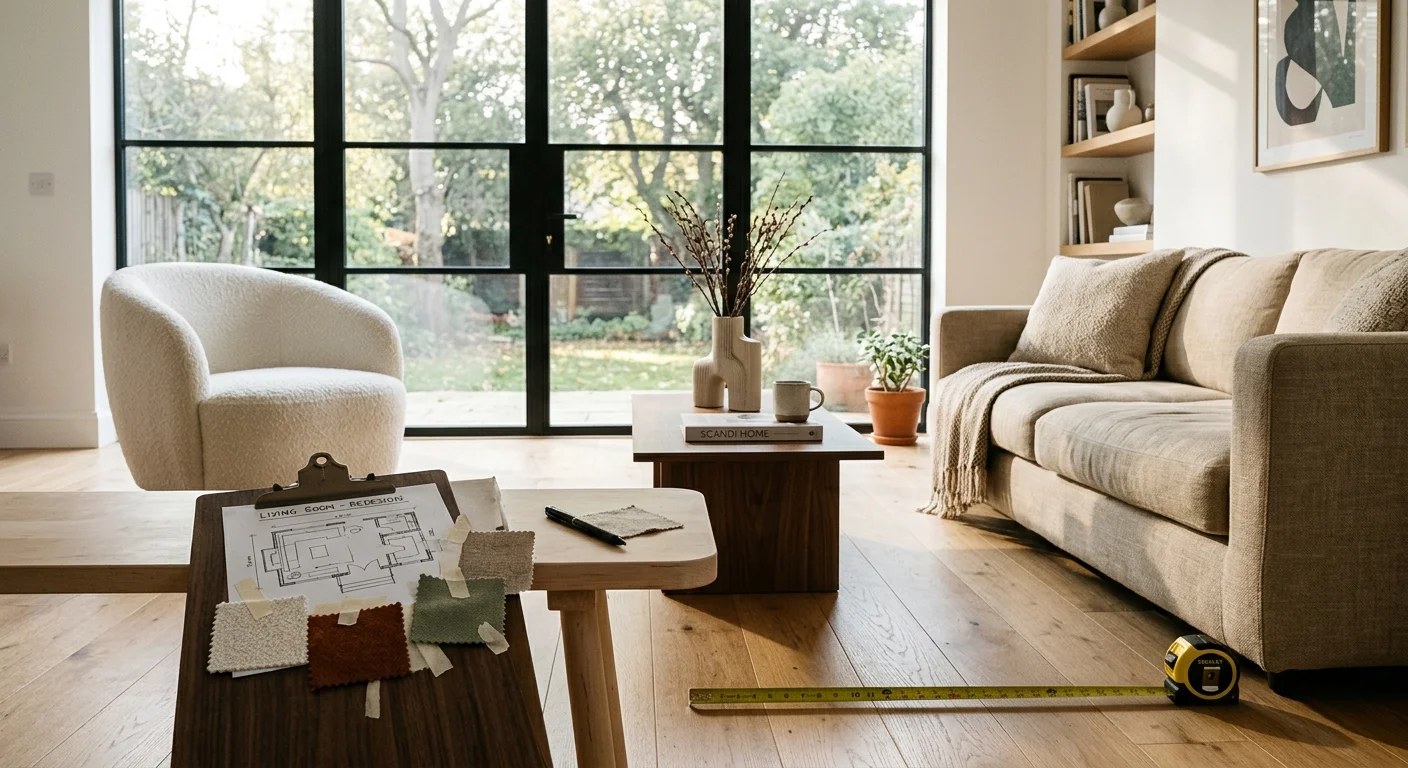
You do not need advanced carpentry skills to furnish a home like an interior designer. You only need a measuring tape, basic drafting sketches, and a systematic eye for spatial proportion.
Mistake 1: Disregarding Walkways and Clearance Standards
Nothing ruins a living space faster than constantly bumping your shins against poorly situated coffee tables or navigating narrow walkways. Professional decorators prioritize human traffic patterns long before they examine upholstery swatches.
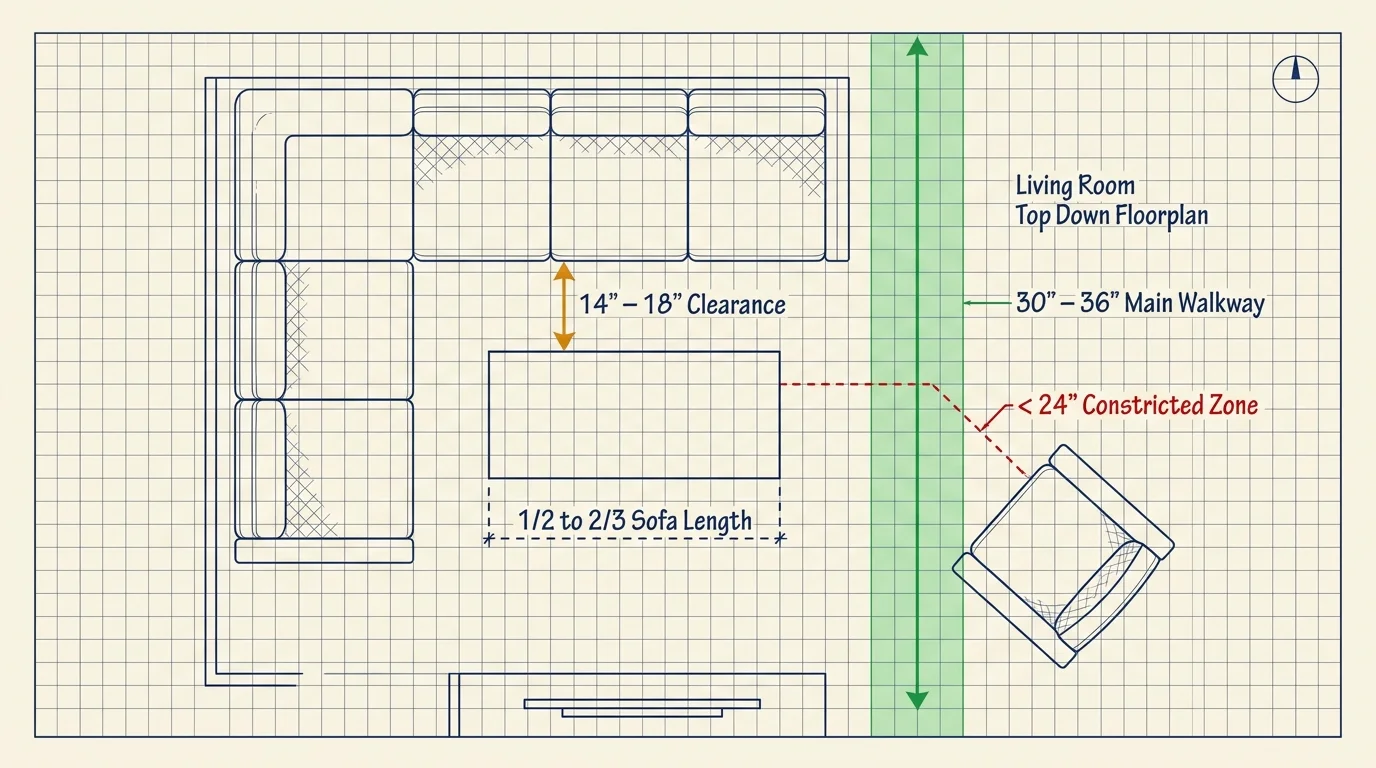
Main walkways demand thirty to thirty-six inches of clear floor space to allow comfortable, unobstructed foot traffic. Any corridor that narrows below twenty-four inches feels instantly cramped and inhibits effortless movement through the room.
Maintain between fourteen and eighteen inches of clearance between your sofa cushions and the edge of your coffee table. This specific distance grants ample legroom while keeping drinks, books, and remote controls within arm reach.
Scale also dictates visual harmony. Designers recommend selecting a coffee table that spans one-half to two-thirds the total length of your sofa.
Ensure the table top sits level with or one to two inches below your sofa seat cushions. Reviewing these dimensions against established Architectural Digest interior design guidelines ensures you never purchase an awkwardly towering table.
Mistake 2: Ignoring Delivery Pathways and Transit Access
Homeowners frequently select pieces that fit their room footprint perfectly but cannot pass through their front entryway. A sectional that remains stuck on your front porch creates an immediate logistical nightmare.
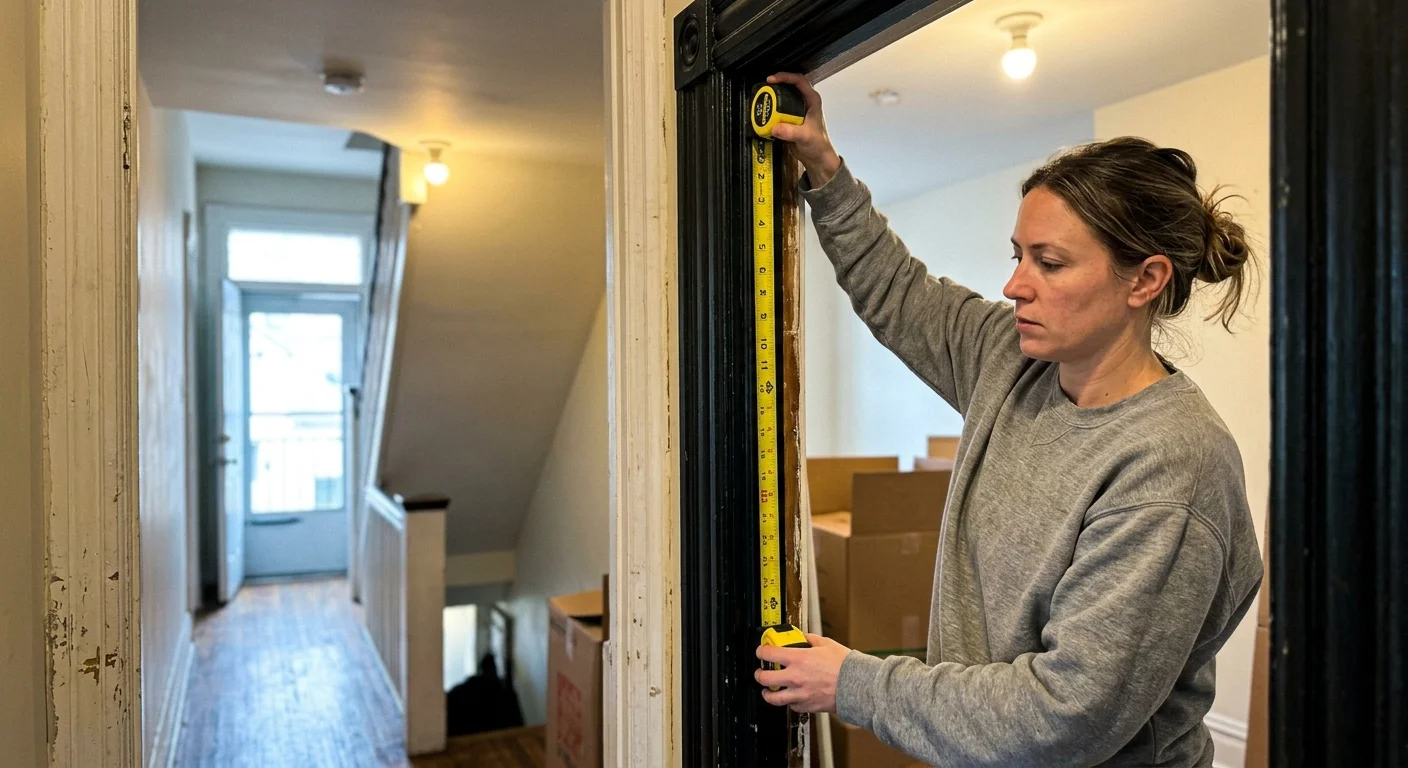
Standard interior door frames measure thirty to thirty-two inches wide and eighty inches tall. However, trim moldings, doorknobs, and interior hinges consistently reduce that usable opening by two to three inches.
Measure every staircase landing, hallway turn, elevator cage, and ceiling clearance along the delivery route. Account for low-hanging pendant lights and sharp ninety-degree turns that can trap rigid sofa frames.
Overlooking these transit obstacles brings severe financial consequences. Major home furnishings retailers routinely charge customer-paid return freight alongside ten to twenty-five percent restocking fees when delivery teams cannot navigate your entryways.
Always compare the packaged box dimensions against your narrowest architectural pinch point before finalizing an order. Request knocked-down delivery options with removable legs whenever you navigate tight stairwells.
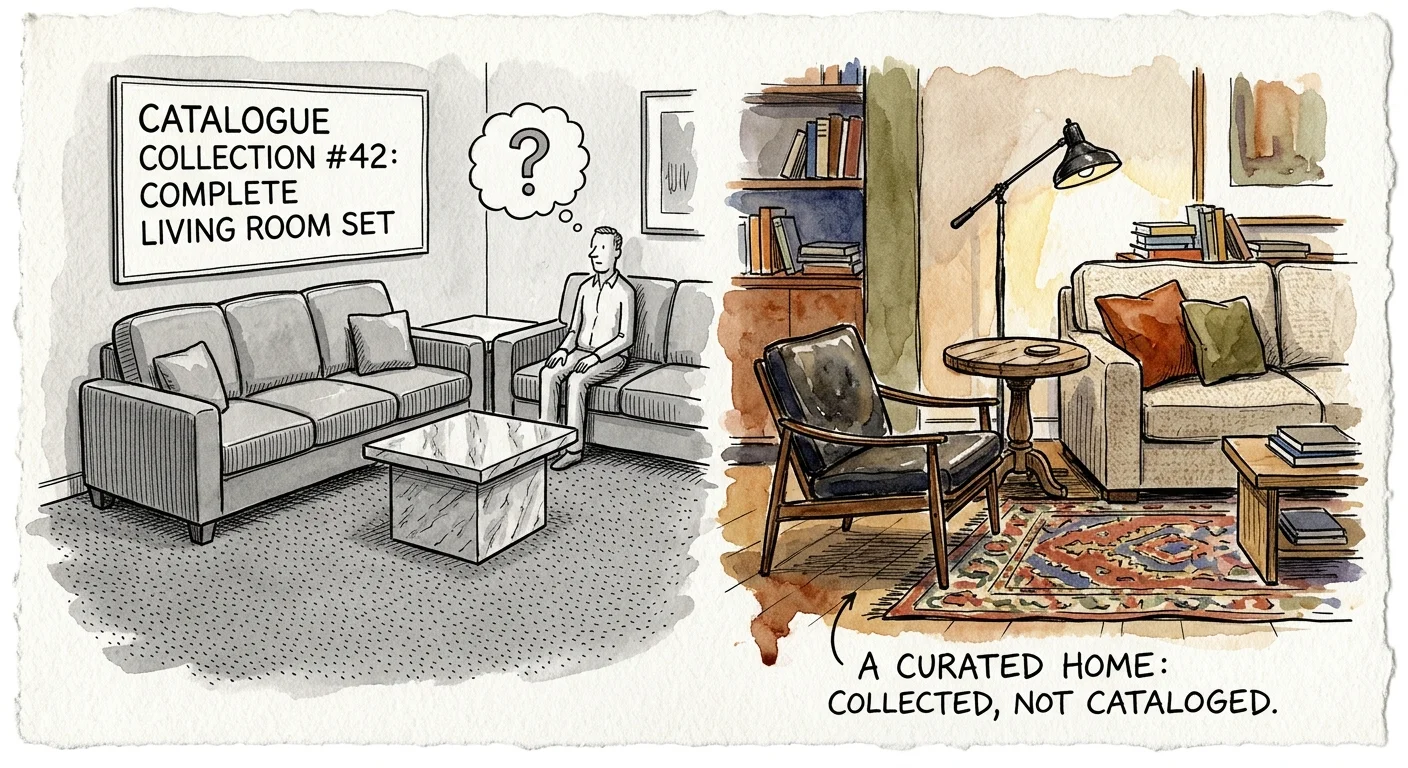
Mistake 3: Buying Matching Showroom Suites
Purchasing an entire five-piece matching bedroom set or living room collection creates a sterile, catalog-like atmosphere. Retailers market matching sets for commercial convenience, not for architectural character or timeless aesthetic value.
Designers prefer to layer complementary materials across different eras to give spaces an organic, collected-over-time character. You can pair a tailored modern sofa with vintage leather armchairs and a reclaimed oak coffee table.
Varying finishes creates depth that monochromatic matching suites completely lack. When you combine warm walnut tones, matte blackened steel, and natural woven rattan, your room feels curated rather than staged.
Audit your space by choosing one foundational wood finish and pairing it with a contrasting painted or metallic texture. This deliberate friction between surfaces produces the visual interest that sets professional interiors apart from retail floor models.

Mistake 4: Choosing Undersized Area Rugs
A diminutive area rug makes an entire room look visually contracted and disjointed. Designers often refer to tiny floor coverings as postage stamps because they float awkwardly in the center of the floor.
In a living room, your rug should comfortably accommodate at least the front two legs of all primary seating pieces. This anchor links individual chairs and sofas into a cohesive conversation zone.
Dining rooms require even stricter dimensional accuracy. Standard layouts require thirty-six to forty-eight inches of perimeter space between the table edge and surrounding walls so diners can move back comfortably.
Underneath the dining table, your area rug must extend at least twenty-four inches beyond all table edges. This two-foot border prevents chair legs from catching on the rug edge when guests slide out from the table.
Consult professional layout resources such as HGTV space planning recommendations to visualize how correct rug scales ground an open-concept dining area.

Mistake 5: Overlooking Structural Safety and Joinery Quality
Aesthetic beauty means very little if your furniture wobbles, sags, or presents tipping hazards to household members. Structural integrity begins with the internal frame joinery and stability standards.
Inspect joints for corner blocks, wooden dowels, and mortise-and-tenon construction rather than fragile glue and staples. Frame materials like kiln-dried hardwood resist warping under seasonal humidity changes, outlasting hollow particleboard assemblies.
Tip-over prevention represents a critical safety mandate that every homeowner must prioritize. The U.S. Consumer Product Safety Commission enforces mandatory regulations under the STURDY Act through federal rule 16 CFR Part 1261.
Adopting ASTM F2057-23, this mandatory rule requires clothing storage units manufactured after September 1, 2023, to pass rigorous physical stability tests. It governs dressers, chests, and armoires measuring at least twenty-seven inches in height.
The regulation applies to units weighing at least thirty pounds with at least 3.2 cubic feet of enclosed storage volume. These rigorous standards protect children up to seventy-two months old using simulated sixty-pound weight pull tests.
Review the official U.S. Consumer Product Safety Commission furniture stability standards whenever you shop for dressers or freestanding wardrobes. Always anchor tall storage units securely into wall studs with heavy-duty metal brackets.
Mistake 6: Prioritizing Fast Trends Over Fabric Performance
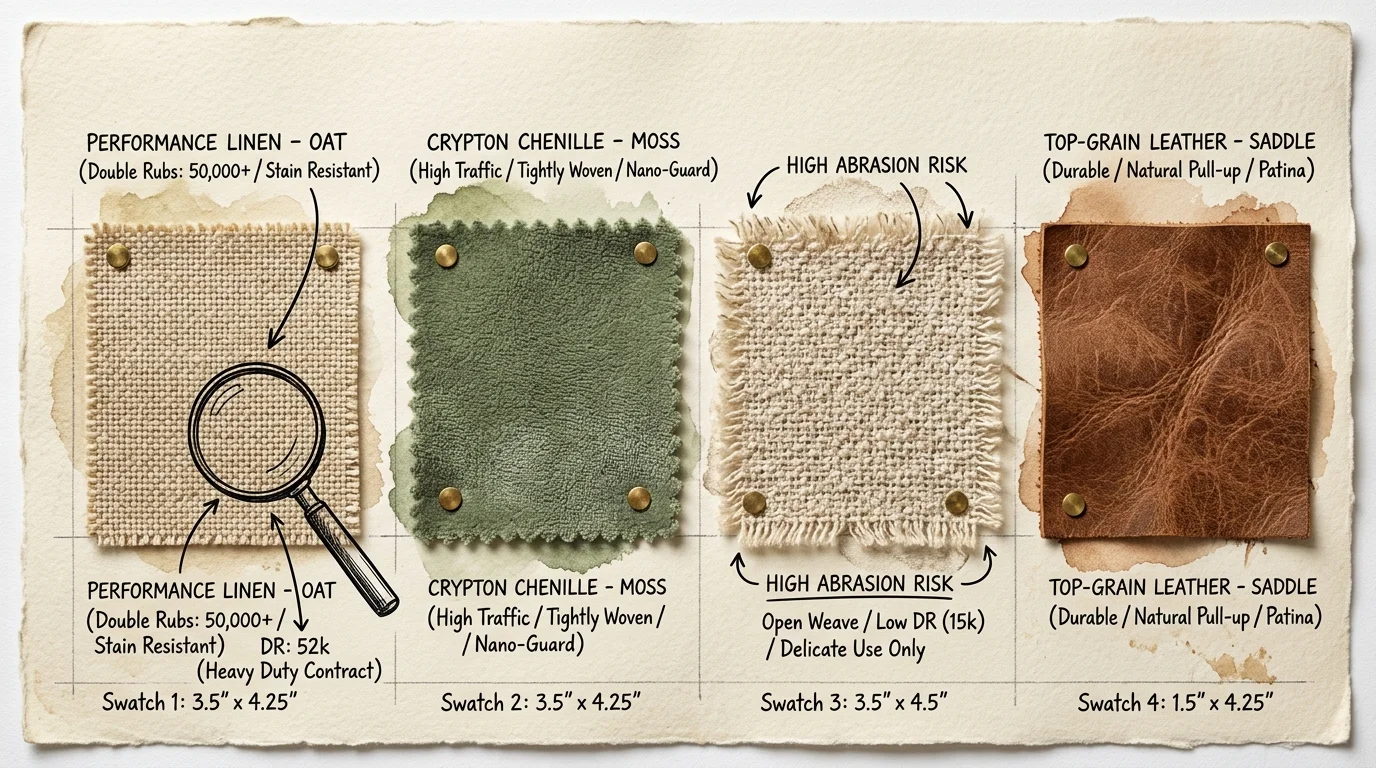
Falling in love with a delicate, unrated velvet sofa often leads to heartbreak when real-life wear takes its toll. Furnishings must withstand everyday biological spills, pet claws, and ultraviolet sunlight exposure.
Examine the double-rub rating on upholstered goods, which measures abrasion resistance through standardized Wyzenbeek mechanical testing. Residential upholstery should withstand at least fifteen thousand double rubs, while busy family rooms benefit from thirty thousand rubs or higher.
Seek out performance fabrics woven from solution-dyed acrylic or polyester fibers treated with durable liquid-repellent barriers. These specialized weaves resist dye transfer from denim jeans while releasing wine and coffee stains with mild soapy water.
Evaluate foam cushion densities before completing your purchase. High-resiliency foam with a density rating above two pounds per cubic foot maintains its crown and bounce for a decade, preventing unsightly fabric puddling.
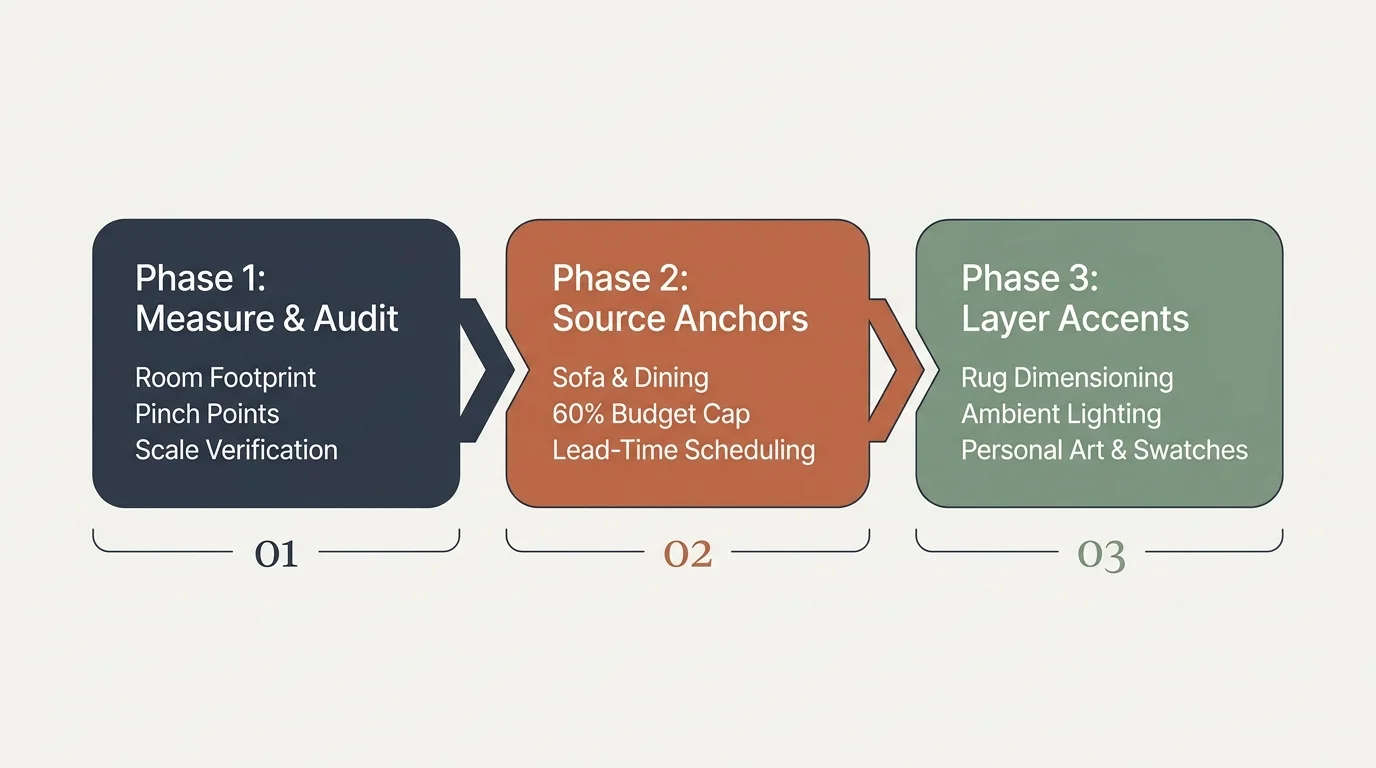
The Three-Phase Purchasing Framework
Phase 1: Preparation and Spatial Mapping
Begin your purchasing journey by clearing the room and outlining prospective furniture footprints directly on the floor. Use blue painter tape to mark exact outer dimensions for depth, width, and circulation clearance.
Walk through the taped outlines for an entire day to test whether the arrangement impedes normal domestic activity. Open closet doors, pull out theoretical dining chairs, and ensure pathways remain at least thirty inches wide.
Transcribe these measurements into a portable notebook or mobile sketch app. Always record your ceiling height, window sill clearances, and existing radiator or air vent positions.
Phase 2: Vetting Specs and Execution
When you find a candidate piece, scrutinize the manufacturer specification sheet beyond basic marketing summaries. Confirm frame composition, cushion fill ratios, suspension webbing or eight-way hand-tied springs, and total assembly weight.
Order physical fabric swatches and finish samples to evaluate them under your specific home lighting conditions. Colors shift dramatically between retail fluorescent tubes, warm morning sunlight, and evening residential bulbs.
Compare timber sustainability and fiber quality by referencing university research or the Forest Products Laboratory wood construction data before choosing softwood items. High-quality structural woods save money by eliminating premature replacements.
Phase 3: Delivery, Anchoring, and Finishing
Prepare your home on delivery day by removing hanging picture frames along stairwells and protecting hardwood floors with drop cloths. Inspect each piece under bright light before signing the carrier delivery receipt.
Affix heavy-duty self-adhesive felt pads beneath every wooden or metallic leg before placing furniture on hard flooring. This protective measure prevents deep gouging and allows you to slide heavy consoles easily during routine vacuuming.
Install furniture anti-tip straps into solid structural wall studs using three-inch wood screws. Never rely on hollow wall drywall anchors when securing heavy bookcases, chests, or entertainment consoles.

Designer Styling and Personalization Strategies
Elevating standard retail furniture into a magazine-worthy layout requires intentional styling balance. Distribute visual weight evenly across the room rather than clustering all massive, heavy items against a single feature wall.
Incorporate the classic design balance of sixty percent dominant neutral tone, thirty percent secondary structural texture, and ten percent bold accent color. This proportion prevents visual chaos while keeping your interior vibrant and cohesive.
Combine contrasting textures to inject tactile warmth. Pair smooth marble table surfaces with nubby bouclé chairs, woven jute baskets, and brushed brass hardware to create tactile dimension.
Leave generous negative space around standalone statement pieces. Allowing blank floor area and unadorned wall space directs human focus toward your most beautiful focal elements without overwhelming the senses.

Troubleshooting Common Issues and Long-Term Upkeep
Wood furniture inevitably responds to changes in ambient indoor humidity throughout the changing seasons. The Department of Energy home environmental guidelines suggest keeping indoor humidity between thirty and fifty percent to minimize timber splitting.
If a dining chair or accent table begins to wobble, inspect and tighten the internal bolts beneath the corner blocks. Hardware naturally loosens after several months of thermal expansion and routine domestic shifting.
Combat seat cushion compression by flipping and rotating loose pillows every two weeks. This simple rotation routine ensures uniform foam wear and prevents permanent impressions from developing in your favorite relaxation spots.
Address fabric spills immediately using clean, dry microfiber cloths to blot liquids before they penetrate deeper upholstery batting. Avoid aggressive scrubbing motions that fray surface threads and break down protective stain-resistant coatings.
Frequently Asked Questions
What basic tools should you own before buying furniture online?
Keep a twenty-five-foot locking steel tape measure, a roll of painter tape, and a long level on hand. A digital angle finder also helps verify staircase headroom clearance for bulky sectional deliveries.
How can you verify furniture build quality without touching it in person?
Review the product weight and specific raw materials list rather than generic marketing descriptors like composite wood. Heavy pieces built from kiln-dried hardwood, solid steel, and high-density foam indicate lasting structural value.
Where do professional designers source unique, budget-friendly pieces?
Designers frequently source one-of-a-kind vintage furnishings through estate sales, local architectural salvage depots, and antique consignments. Reupholstering a solid vintage armchair yields superior craftsmanship at a fraction of modern retail showroom costs.
How do you adapt large-scale furniture to small or awkward floor plans?
Select pieces with exposed, slender legs that elevate the furniture body off the floor, allowing light to pass underneath. Floating a sofa away from walls creates the optical illusion of greater architectural depth.
Take Control of Your Furnishing Journey
Creating a functional, beautifully balanced home does not require an unlimited budget or professional licensing. It simply requires deliberate planning, disciplined measurement habits, and the patience to avoid impulse purchases.
When you respect spatial clearances, prioritize frame safety, and choose durable performance materials, your home becomes a true sanctuary. You will enjoy a cohesive environment that serves your daily routines effortlessly.
Grab your tape measure and blue painter tape today to evaluate your current floor plan. Your most rewarding room transformation begins with a single accurate measurement.