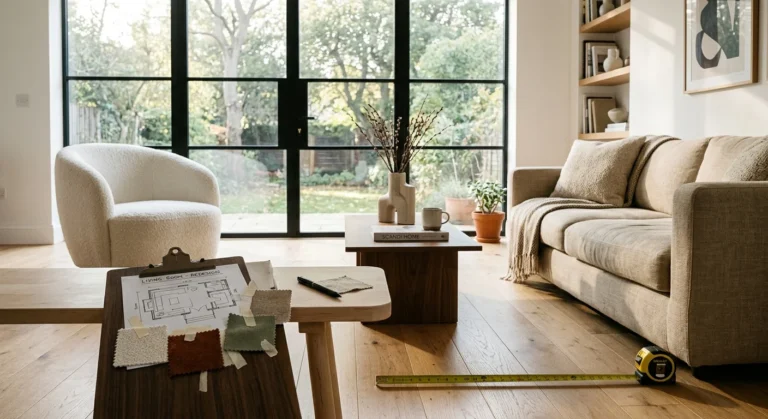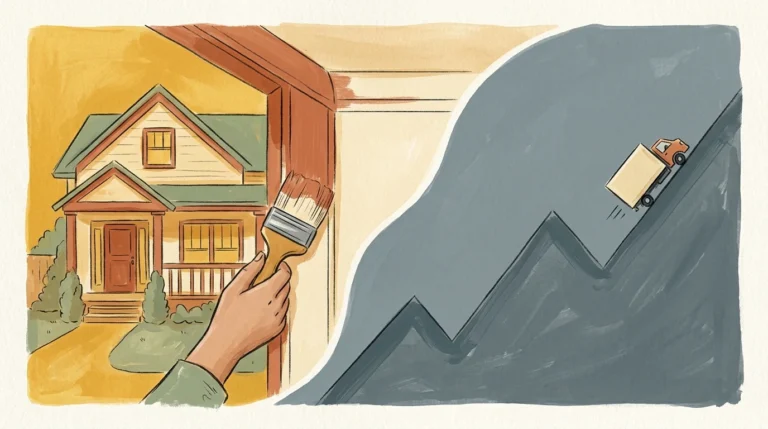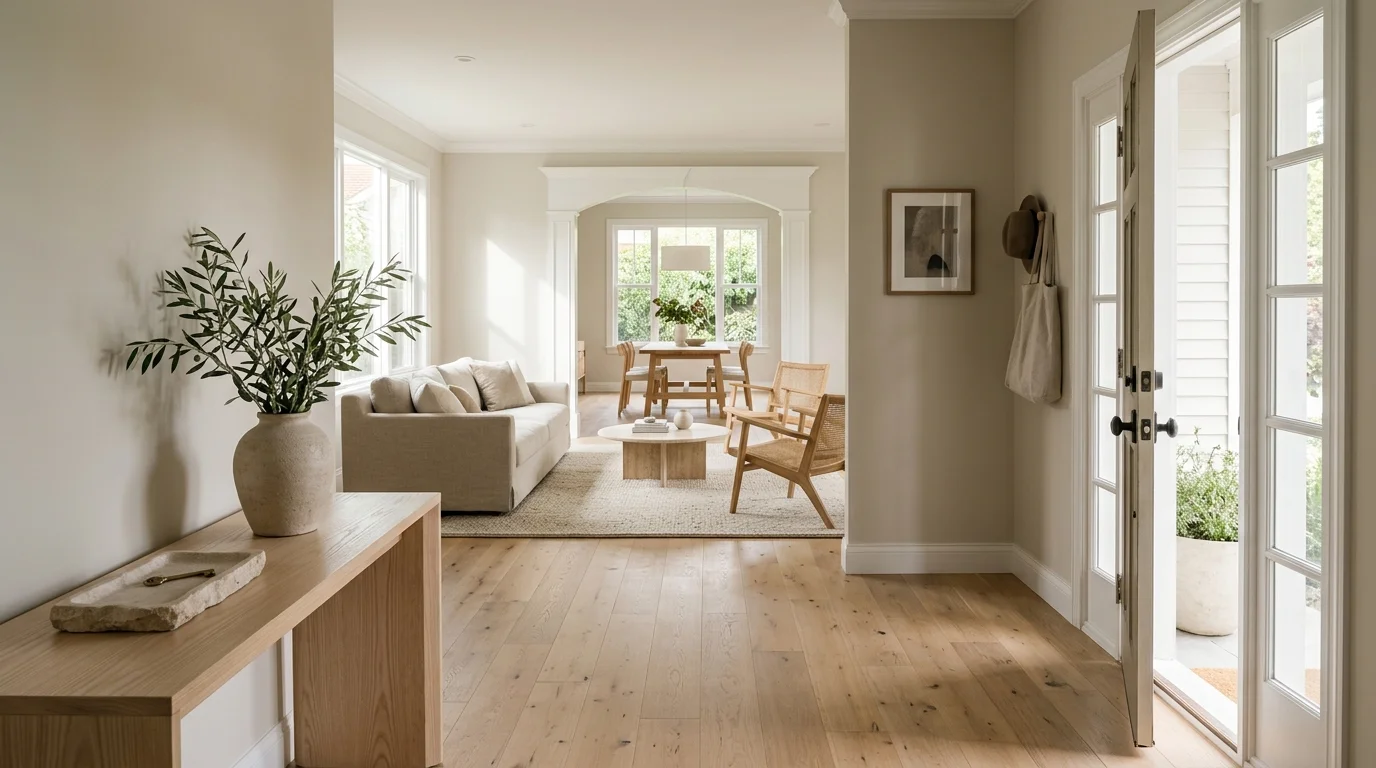
You can lose thousands of dollars on your sale price before prospective buyers finish touring your foyer. Clashing paint, awkward layouts, and distracting clutter immediately derail a buyer’s emotional connection to your property.
Strategic presentation fixes help you secure faster offers and protect your hard-earned home equity. Identifying subtle design mistakes that hurt home value allows you to correct issues using simple, weekend-friendly DIY methods.
Shifting your mindset from personal preference to buyer psychology turns personal living spaces into universally appealing real estate. These actionable staging mistakes to avoid will help you make a home sell faster without exhausting your renovation budget.

Project Overview: Budget, Timeline, and Skill Level
Addressing aesthetic issues before listing does not require a contractor or a massive bankroll. Most cosmetic improvements require only beginner DIY skills and standard household hand tools.
A realistic budget for whole-home cosmetic staging typically ranges between $500 and $1,500. This budget covers fresh neutral paint, updated lighting fixtures, wall patching supplies, and minor hardware replacements.
You can complete most targeted improvements over two consecutive weekends. Dedicating focused effort to high-impact spaces yields outsized returns during open houses and private buyer tours.
Data from the National Association of Realtors (NAR) 2025 Profile of Home Staging shows that 29% of agents report staged homes command up to a 10% increase in dollar value offered.
The 8 Costly Design Mistakes Hurting Your Sale
1. Drenching Rooms in Polarizing Wall Colors
Bold color palettes feel deeply personal to you, but they present an immediate visual roadblock to house hunters. Intense accent walls shrink visual space and project an intimidating future painting chore.
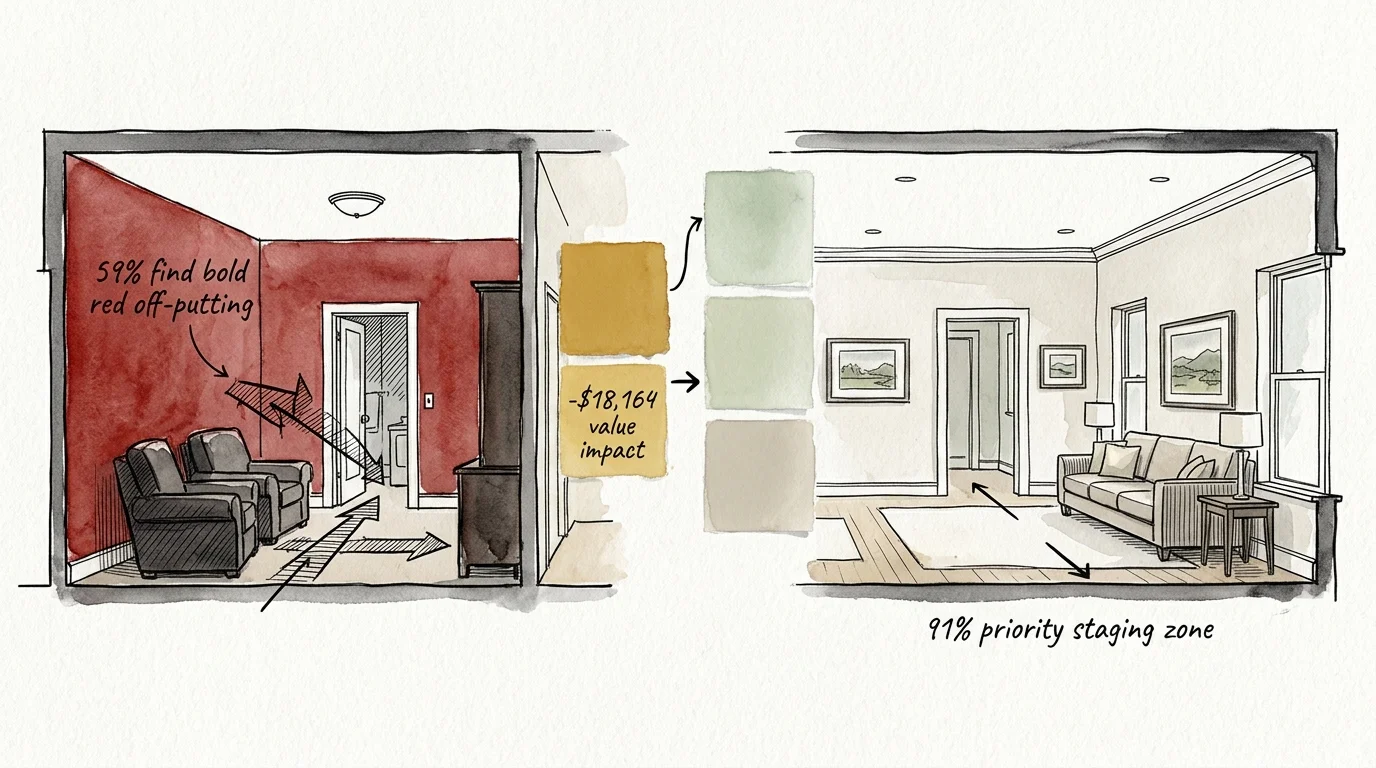
In a Fixr survey, 59% of interior designers agreed that bold red is the single most off-putting paint color. Furthermore, Zillow research revealed that earthy ochre yellow walls correlate with an estimated $18,164 reduction in overall buyer offers.
Replace intense pigments with versatile, light-reflective options like soft warm whites or greige. Cohesive tones such as sage green consistently perform in the top tier by establishing an airy, welcoming ambiance.
2. Neglecting the Most Influential Living Zones
Spreading your staging energy evenly across every square foot dilutes your visual impact. Buyers prioritize specific core living spaces when deciding whether a floor plan suits their daily lifestyle.
The NAR staging report confirms that agents stage living rooms 91% of the time, primary bedrooms 83% of the time, and dining rooms 69% of the time. These three priority zones drive purchasing decisions.
Focus your renovation energy directly on these vital rooms first. Clean carpets, paint trim, and arrange clear seating vignettes that communicate comfort, order, and easy relaxation.
3. Over-Personalizing Your Space with Niche Decor
Family photo galleries, quirky collectibles, and personal hobby gear distract buyers from assessing raw square footage. When buyers inspect your personal memorabilia, they struggle to visualize themselves living in the home.
The NAR profile highlights that 83% of buyers’ agents consider staging and depersonalization vital for helping prospects imagine a property as their future residence. Your home must present an open, neutral canvas.
Pack away family portraits, trophies, and eccentric collections into organized offsite storage before scheduled tours. Replace niche items with universally pleasing landscape photography or understated framed prints that cultivate boutique hotel appeal.
4. Blocking Traffic Flow and Ignoring Scale
Oversized furniture crammed into compact rooms makes generous square footage appear cramped and unmanageable. Similarly, arranging bulky pieces that obstruct primary walkways creates an awkward, frustrating tour experience for visiting buyers.
Ensure that main entryways and hallways feature at least 36 inches of unobstructed walking clearance. Pull sectionals away from walls or temporarily store bulky recliners to showcase genuine floor area.
Study balanced room arrangements featured in Architectural Digest design coverage to scale furnishings appropriately. Anchor conversational seating with properly proportioned area rugs so front furniture legs rest securely on the textile.
5. Overlooking Inadequate or Harsh Lighting
Dim rooms with yellowed, low-wattage bulbs project an uninviting, dingy impression during daytime tours and evening walk-throughs. Conversely, ultra-cool fluorescent bulbs cast clinical blue shadows that make cozy bedrooms feel harsh and uninviting.
Review the Department of Energy lighting guidance to select energy-efficient LED bulbs with warm-white temperatures between 2700K and 3000K. Layer your illumination by pairing overhead fixtures with secondary table lamps to eliminate dark corners.
Wash your windows thoroughly inside and out, swapping heavy drapery for light-filtering sheer curtains. Maximizing natural daylight magnifies room dimensions and flatters architectural finishes better than artificial sources alone.
6. Installing Choppy and Inconsistent Flooring
Abrupt transitions between ceramic tile, laminate, vinyl, and carpet visually chop up your floor plan. When flooring changes dramatically from room to room, the entire living space feels fragmented and deceptively small.
While installing continuous hardwood throughout may exceed your staging budget, you can minimize jarring transitions through smart DIY interventions. Remove worn area rugs that break up continuous planks across open-concept layouts.
Replace damaged transition strips with matching low-profile thresholds, and rent a commercial extractor to deep-clean soiled carpeting. Consistent, level flooring guides the buyer’s eye seamlessly forward, expanding perceived visual depth.
7. Abandoning Curb Appeal and Exterior Entryways
Neglecting your front exterior is one of the costliest home-selling mistakes you can make. Prospective buyers form their foundational impression within seconds of parking at the curb.
According to 2025 NAR data, 77% of real estate agents urge sellers to improve curb appeal before listing. Peeling exterior trim, overgrown shrubbery, and dirty walkways immediately telegraph deferred maintenance to buyers.
Pressure-wash your walkways, coat your front door in rich navy or charcoal, and consult Colorado State University Extension horticulture resources for hardy native porch plants. Symmetrical planters, clean house numbers, and a fresh welcome mat establish immediate pride of ownership.
8. Crowding Architectural Features and Storage Spaces
Packed bedroom closets, jammed kitchen pantries, and crowded fireplace mantels signal an alarming shortage of storage capacity. Functional storage consistently ranks among the top features house hunters seek in a prospective home.
The NAR staging report identifies decluttering as the single most critical recommendation, advised by 91% of licensed agents. Overfilled closets tell visiting buyers that your home lacks sufficient space for daily essentials.
Empty closet shelving and kitchen cabinets by 40% to create generous negative space. Clear mantels of small bric-a-brac, allowing structural stone, wood, and masonry features to command full attention.
Strategic Staging Framework: From Prep to Polished Finish
Phase 1: Deep Decluttering and Surface Cleansing
Begin your transformation by removing non-essential belongings, seasonal wardrobes, and redundant furniture pieces from every room. Real estate agents cite deep cleaning as an essential staging priority, with 88% recommending it to sellers.
Scrub baseboards, window tracks, tile grout, and cabinet faces until they shine under direct light. Eradicate lingering pet or cooking odors using enzymatic cleaners rather than masking them with heavy scented sprays.
Rent a climate-controlled storage unit for packed boxes instead of stacking cardboard containers inside your garage. An open, orderly garage proves that your property offers abundant utility storage.
Phase 2: Execution and Neutral Color Application
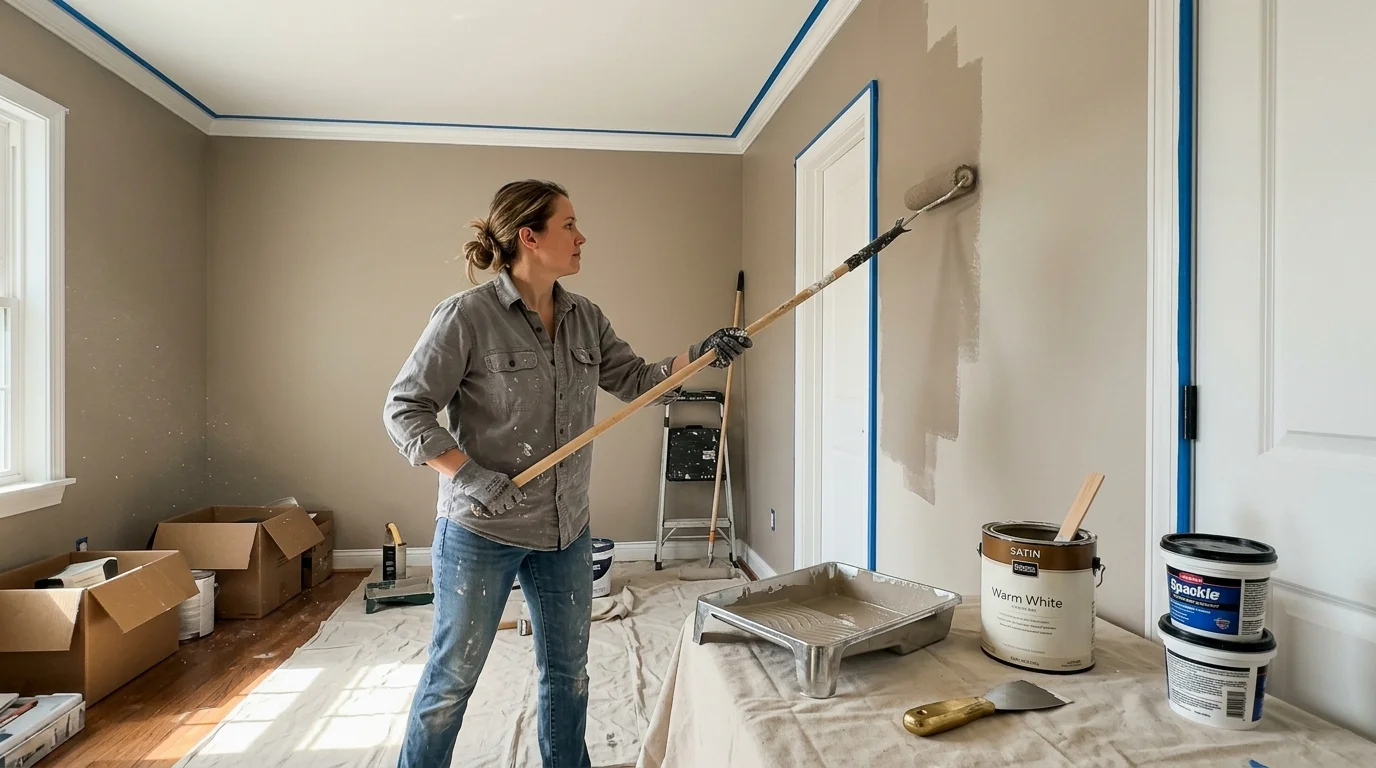
Patch wall anchors, nail holes, and corner drywall dings using lightweight spackling compound and a flexible putty knife. Sand smooth with a 220-grit sponge, wipe away residual dust, and spot-prime each repair.
Roll two uniform coats of durable eggshell latex paint across bold or dingy accent walls. Establishing consistent wall sheens between connected rooms creates visual continuity and makes adjoining spaces feel unified.
Inspect interior door latches and cabinet hardware, tightening loose screws and replacing dated brass pulls with modern matte black. Simple hardware updates deliver substantial contemporary appeal for minimal financial investment.
Phase 3: Final Styling and Safety Checkpoints
Incorporate proven staging principles highlighted in HGTV staging resources to arrange accent decor purposefully. Use the designer rule of three when dressing coffee tables, grouping a decorative tray, candle, and book.
Evaluate sightlines from every room entrance to verify that bulky furniture backs do not block views of exterior windows. Clean sightlines direct visitor attention toward bright, expansive focal points.
Conduct a meticulous safety check by securing loose handrails, replacing dead smoke alarm batteries, and testing exterior path lighting. Visible maintenance hazards raise immediate doubts that can undermine an otherwise stellar showing.
Balancing Neutral Foundations with Warm Personalization
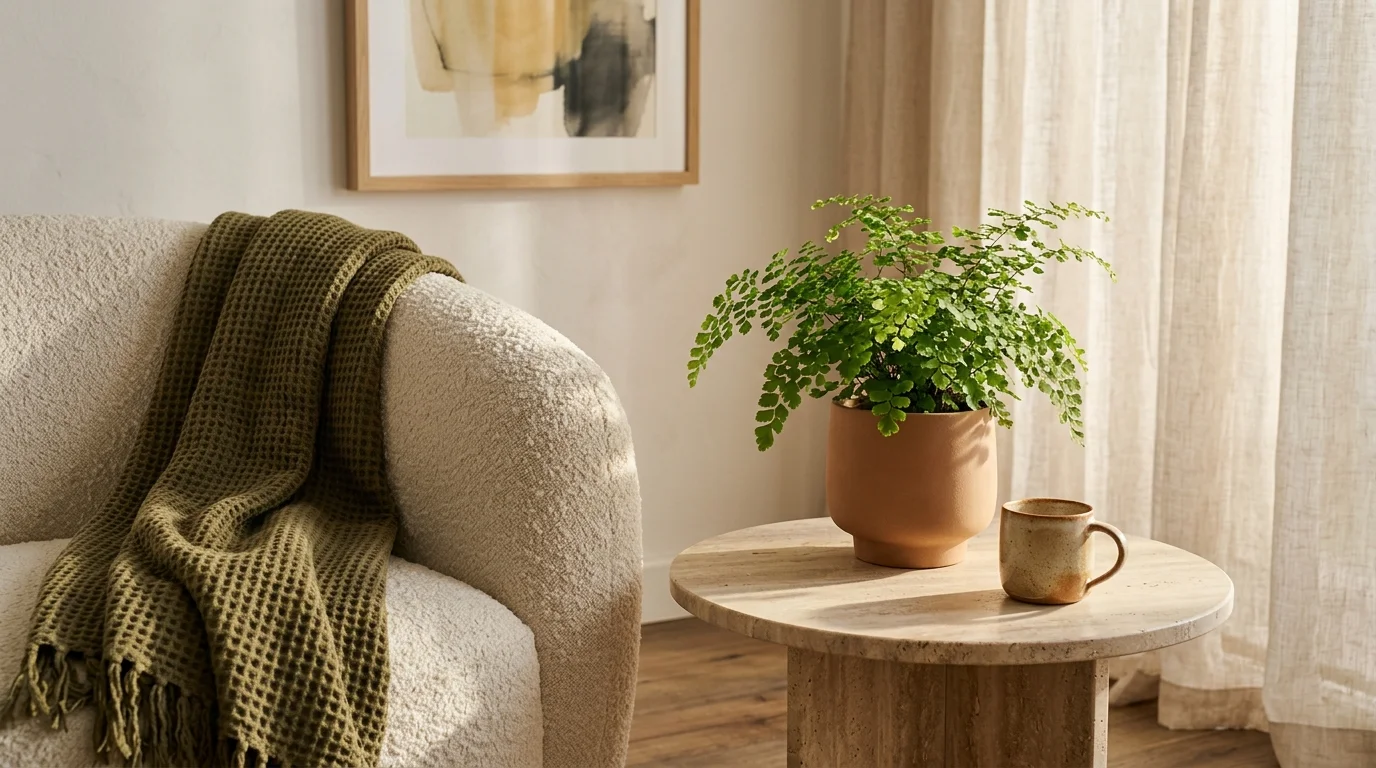
Staging your home in neutral colors should never result in a sterile, clinical environment that feels cold. The secret to success lies in layering rich tactile textures rather than introducing loud paint hues.
Drape textured knit throws across sofa arms and add washed linen accent pillows in earthy tones like oatmeal, moss, and slate. Natural textiles inject dimension without distracting buyers from your room dimensions.
Introduce hardy indoor greenery such as potted snake plants, ZZ plants, or fresh eucalyptus stems on dining tables and bathroom vanities. Living foliage adds organic vibrancy and softens architectural lines.
Select brushed brass or matte black accents to bring warmth to plain painted cabinetry. Purposeful metallic hardware anchors airy rooms and gives builder-grade finishes an elevated, bespoke feel.
Troubleshooting Common Home Staging Hurdles
If pet odors persist after standard carpet cleaning, pull back carpet corners to inspect padding for underlying subfloor saturation. Seal contaminated subfloor boards with a pigmented shellac odor-blocking primer before laying replacement carpet pad.
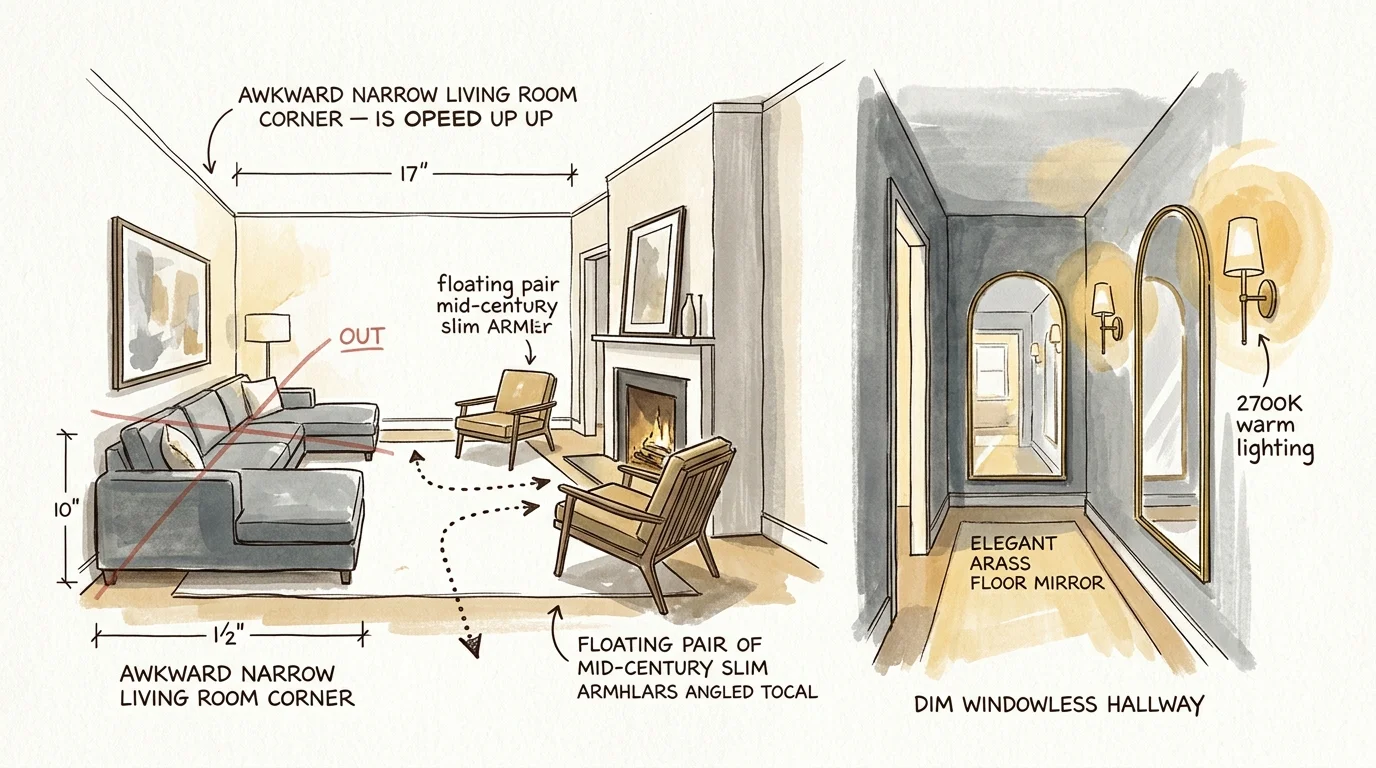
When dealing with awkward room alcoves or dead corners under staircases, never leave them completely empty. Transform an awkward niche into a functional reading nook or compact workstation using a slim desk and chair.
If compact secondary bedrooms feel tight, position an oversized framed mirror opposite the main window to bounce daylight across the room. This simple optical trick doubles visual depth without knocking down walls.
Avoid pungent plug-in scented oils before scheduled open houses, as buyers frequently assume strong perfumes mask hidden moisture or smoke damage. Rely on natural ventilation, clean surfaces, and mild botanical touches.
Frequently Asked Questions About Home Presentation
What DIY tools are essential for preparing a home for sale?
You need a dependable cordless drill, a multi-bit screwdriver, a flexible putty knife, and 220-grit sanding sponges. Add an angled sash paintbrush, a microfiber mop, and a torpedo level to handle cosmetic staging tasks.
Which materials provide the highest visual return for modest budgets?
Neutral latex interior paint, modern cabinet pulls, and warm-white LED lighting provide the highest return on investment. These low-cost materials instantly modernize tired spaces without demanding specialized trade experience.
Where should you source affordable staging decor and accessories?
Source neutral textiles, planters, and wall art from discount home stores, thrift outlets, or online liquidators. Simple, budget-friendly furnishings photograph just as effectively in online real estate listings as luxury designer goods.
How can renters or condo owners stage compact properties effectively?
Mount drapery rods right below ceiling mouldings to exaggerate wall height, and utilize multi-functional storage benches. Strip kitchen counters and bath vanities bare to demonstrate clear, expansive usable surface area.
Elevate Your Space and Command Top Dollar
Presenting your home for sale requires stepping back from your personal tastes and viewing your property through a buyer’s critical lens. Thoughtful cosmetic updates and strategic staging tips transform tired rooms into high-value assets.
The NAR findings prove that 49% of real estate agents see staged properties spend significantly less time lingering on market. Fast sales reduce mortgage carrying costs and preserve your final asking price.
Grab your putty knife, pick up a roller, and tackle these high-impact design fixes this weekend. A weekend of focused effort will position your home to attract enthusiastic buyers and competitive, premium offers.