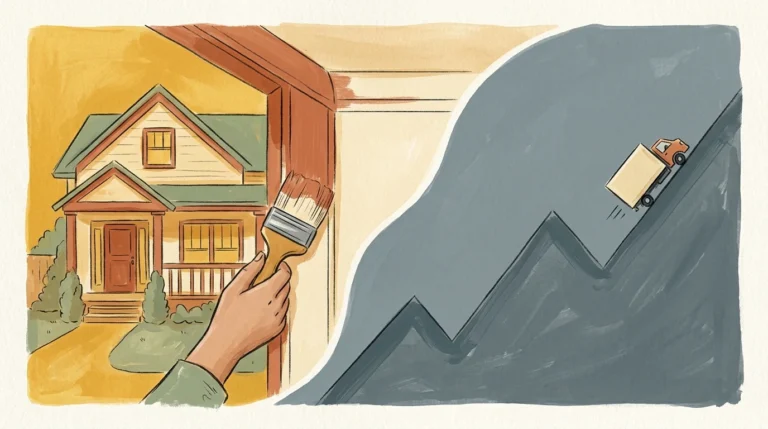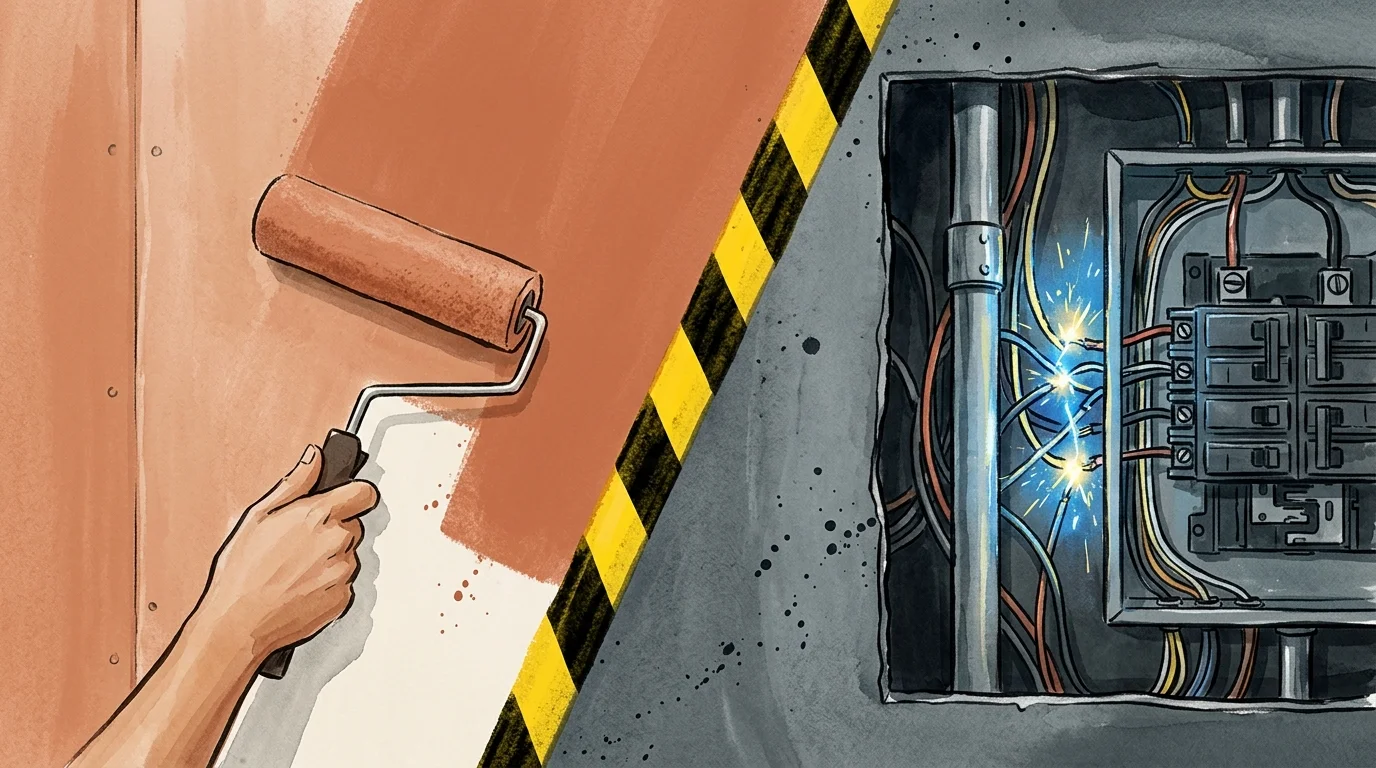
Tackling home improvement projects brings immense satisfaction and saves money, but knowing where to draw the line separates a successful renovation from a costly or dangerous catastrophe. Pushing your weekend warrior limits into high-risk mechanical, structural, or toxic territory can trigger catastrophic damage, severe injuries, or voided insurance policies. While painting cabinets or installing laminate flooring makes sense for a weekend project, handling high-voltage wiring, tapping gas mains, or climbing steep roofs requires professional mastery. By recognizing which dangerous home repairs to avoid, you protect your family, preserve your budget, and keep your home value intact. This guide breaks down the high-risk zones and reveals how to collaborate effectively with licensed contractors.
Planning Your Project: Balancing DIY Ambition with Practical Safety
Every ambitious home makeover begins with enthusiasm, but professional tradespeople approach every job through the lens of risk management. Before you unholster your drill or buy raw materials, you must conduct an honest evaluation of your project budget, timeline, and personal skill level. Labor costs for specialized contractors might initially trigger sticker shock, yet those fees cover years of technical training, specialized safety gear, permits, and comprehensive liability insurance that shields your property from ruin.
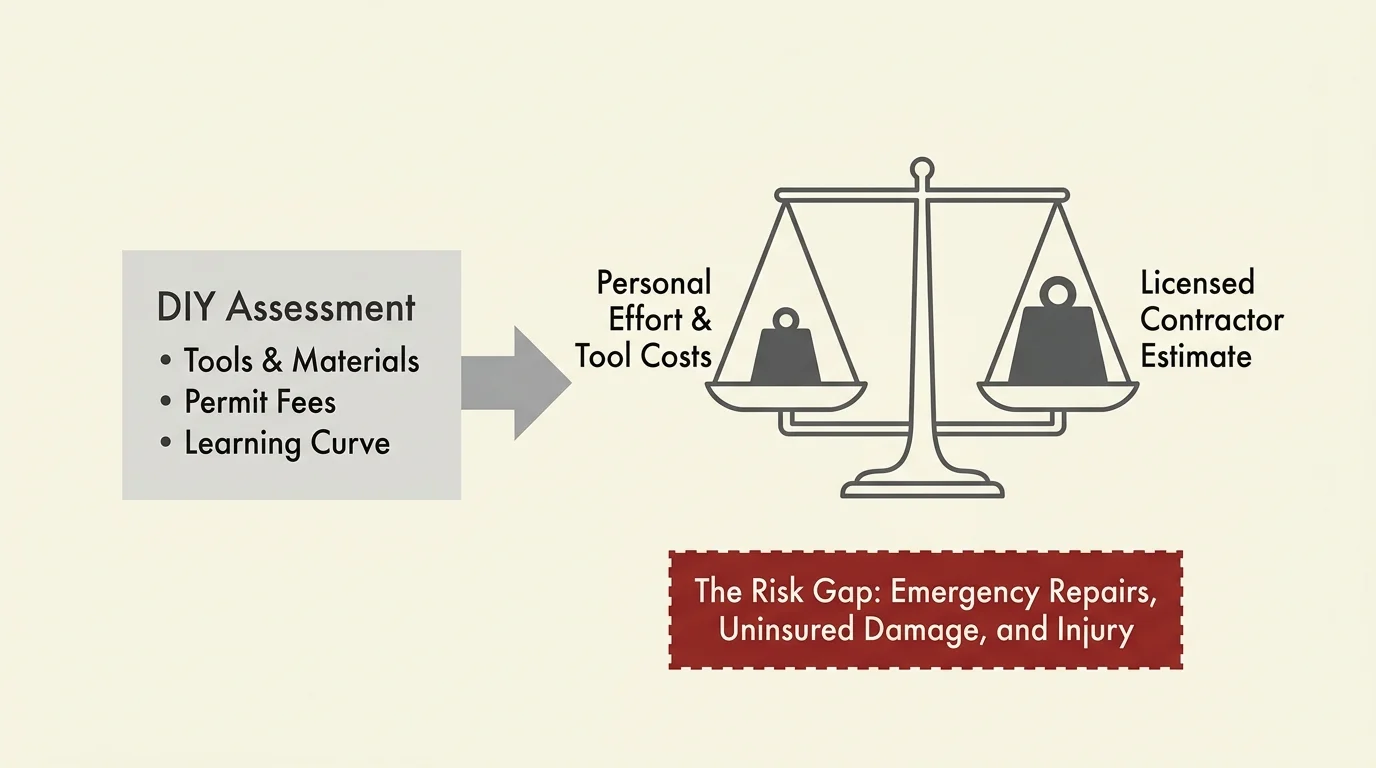
A simple calculation helps clarify when to step back. Calculate the total cost of tools, raw materials, potential permit fees, and the personal time you will spend learning and executing the fix. Compare that total against a licensed contractor’s estimate while factoring in the financial consequence of an error. A misstep in simple finish carpentry costs a few board feet of lumber; a misstep in structural framing, plumbing, or electrical work can result in thousands of dollars in emergency repairs, severe personal injury, or catastrophic fire damage. Setting clear boundaries early saves you time, money, and unnecessary stress.
The Four High-Risk Repairs That Demand a Professional
Certain home systems demand specialized tooling, precise mathematical calculations, and years of supervised apprentice experience. When you cross the line from decorative upgrades into core utility systems and structural alterations, the margin for error disappears. Understanding these four dangerous zones allows you to delegate risky work with confidence.
1. Major Electrical Overhauls and Main Panel Upgrades
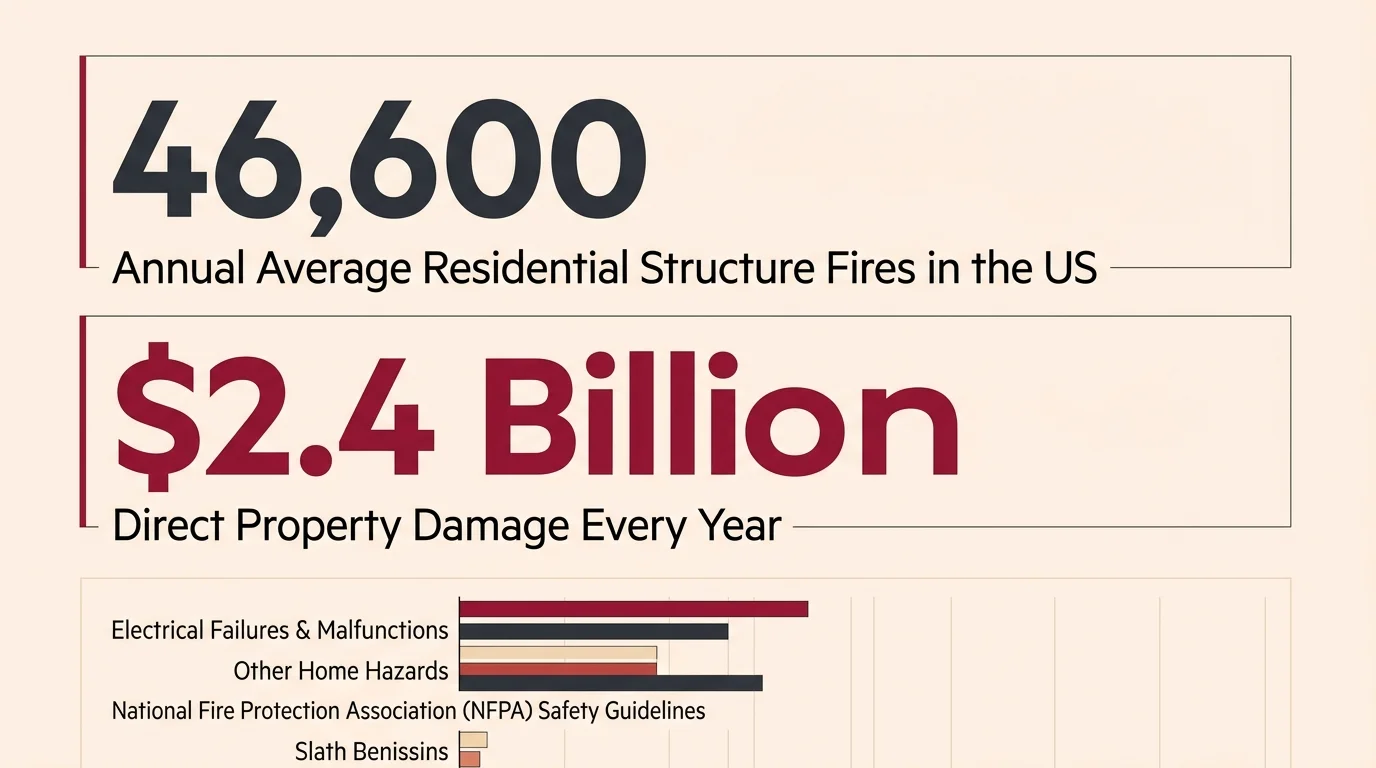
Swapping a decorative light switch cover or replacing an existing light fixture on a turned-off breaker ranks high among accessible home improvements. However, expanding main breaker panels, running new 240-volt dedicated circuits, or re-wiring aged knob-and-tube circuitry presents extreme hazard. According to published safety statistics from the National Fire Protection Association safety guidelines, electrical failures or malfunctions trigger an estimated annual average of over 46,600 residential structure fires across the United States. These devastating blazes result in more than 500 civilian deaths, 1,500 injuries, and $2.4 billion in direct property damage every year.
High-voltage currents can kill instantly, and improper wiring connections hidden inside walls create silent fire hazards that linger for months or years. Loose connections create electrical arcs—intense sparks that reach thousands of degrees Fahrenheit—igniting surrounding wood framing and insulation. Licensed electricians undergo thousands of hours of rigorous training to understand load calculations, wire gauge sizing, grounding protocols, and municipal building codes. Leave main service panel upgrades, subpanel installations, and hidden structural rewiring entirely to certified professionals who pull proper permits and schedule required municipal inspections.
2. Natural Gas Lines and Appliance Hookups
Natural gas and propane power our furnaces, water heaters, and high-end kitchen ranges efficiently, but gas distribution piping requires absolute technical precision. Unlike water leaks, which cause visible puddles and localized water damage, a leaking fuel line creates an immediate risk of catastrophic explosion or lethal carbon monoxide poisoning. Municipal regulations and national building codes, such as the National Fuel Gas Code, strictly mandate that only licensed gasfitters or master plumbers handle gas line installations, extensions, and appliance connections.
Gas piping systems must undergo mandatory pressure tests using specialized gauges before inspectors allow supply lines to pressurize. Attempting unpermitted DIY gas line modifications creates extreme physical danger and can immediately void your homeowner insurance policy if an incident occurs. Insurance adjusters regularly deny claims caused by unpermitted work performed by unlicensed individuals. If you suspect a gas leak or plan to relocate a gas appliance during a kitchen overhaul, step away and contact a qualified professional immediately.
3. Steep-Slope Roofing and Load-Bearing Structural Repairs
Working at elevated heights poses severe physical threats that many energetic homeowners underestimate. The CDC injury prevention research highlights that over 500,000 people receive emergency room treatment each year in the United States due to ladder-related falls, resulting in more than 300 fatal falls annually. Furthermore, data from the Bureau of Labor Statistics indicates that falls from heights remain the leading cause of death in construction, with roofing contractors accounting for 26 percent of all fatal construction fall deaths. Professional roofers follow strict safety protocols established by the OSHA fall protection standards, which mandate active personal fall arrest systems, guardrails, or safety nets whenever working six feet or more above lower levels.
Beyond vertical fall risks, structural modifications like removing interior walls require expert structural engineering calculations. Removing what appears to be a simple partition wall without proper temporary shoring can cause ceiling sagging, cracked drywall throughout upper floors, binding doors, and eventual structural collapse. Licensed contractors calculate dead loads, live loads, and point load distributions before placing beam supports. Leaving roof replacements, truss alterations, and structural wall removals to licensed pros keeps your body safe and your home structural shell sound.
4. Hazardous Material Remediation: Lead Paint and Asbestos
Older homes offer unmatched historical character, but homes built prior to modern chemical bans often harbor hidden health threats. The federal government banned residential lead-based paint in 1978, while asbestos restrictions phased into place throughout the late 1970s and 1980s. When you scrape, sand, tear down, or cut through vintage materials, you risk releasing microscopic carcinogenic asbestos fibers or toxic lead dust directly into your indoor air supply and HVAC distribution system.
The Environmental Protection Agency enforces strict regulations regarding hazardous materials. Under the EPA environmental health standards and the Renovation, Repair, and Painting rule, contractors disturbing painted surfaces in pre-1978 housing must hold specialized certifications and employ full plastic containment zones, negative-pressure air scrubbers, and specialized HEPA vacuums. Failing to comply with lead-safe practices can trigger federal administrative fines exceeding $44,000 to $49,000 per day per violation for commercial operators. Unsafe DIY demolition can contaminate your living spaces permanently, exposing children to neurological lead hazards and adults to mesothelioma. Always hire certified asbestos inspectors and lead abatement specialists before knocking down walls or removing old insulation in legacy homes.
Smart Personalization: Where to Focus Your DIY Creative Energy
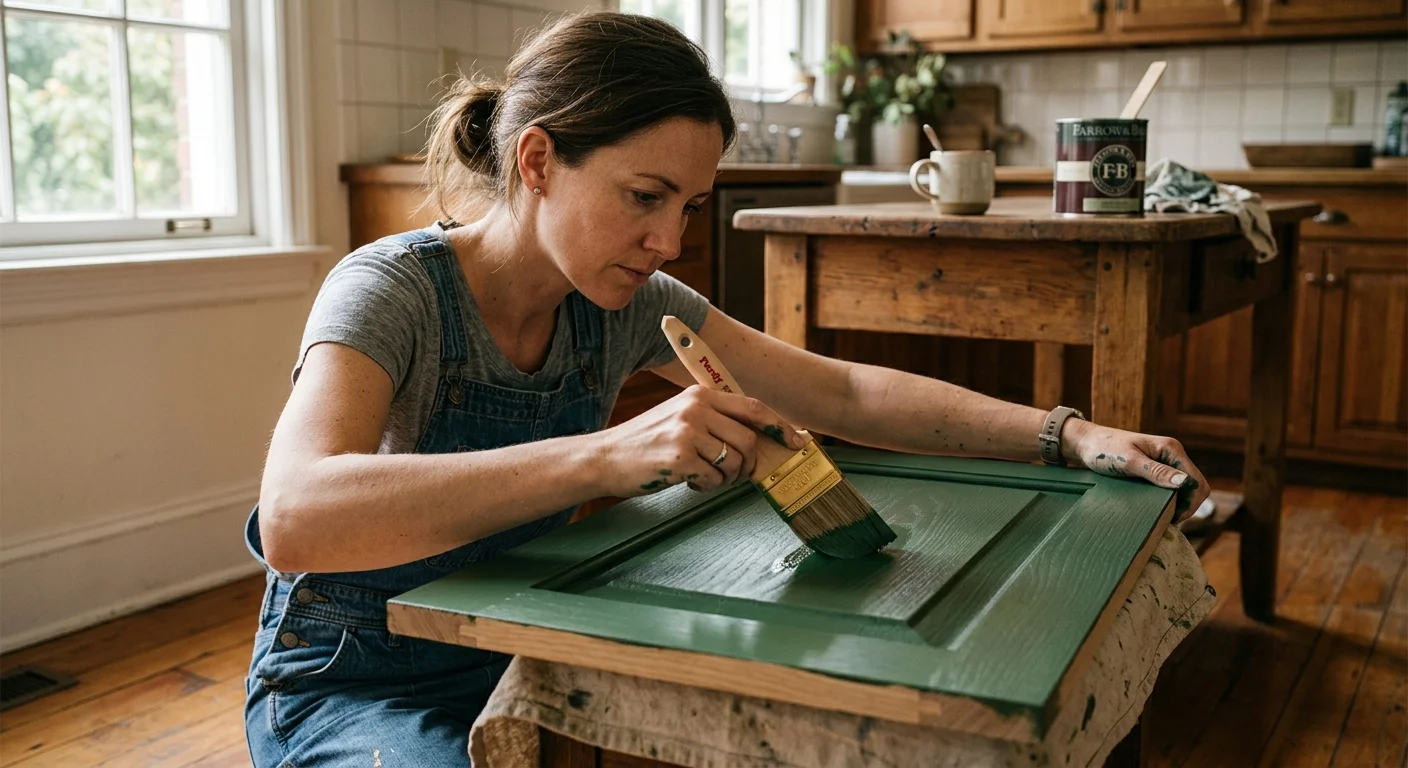
Stepping back from dangerous mechanical trades does not mean abandoning your creative vision for your living space. In fact, delegating risky rough-in mechanics frees up your energy, time, and budget to focus on high-impact finish work that truly customizes your home environment. By mastering decorative skills, you achieve high-end aesthetic appeal while maintaining total safety.
Direct your DIY enthusiasm toward surface updates that transform visual texture and room layout without touching hidden infrastructure. Install decorative board-and-batten accent walls, custom wainscoting, or prefabricated crown molding to add architectural depth. Apply fresh, modern paint schemes using low-VOC coatings, or install stylish floating shelving units securely into wall studs. Modern click-lock luxury vinyl plank flooring and pre-finished hardwood systems allow you to update entire floor levels without structural risk. When you handle surface aesthetics and leave heavy electrical, gas, and structural framework to licensed experts, you achieve a beautifully finished home that meets every safety standard.
Navigating Contractor Relationships and Project Pitfalls
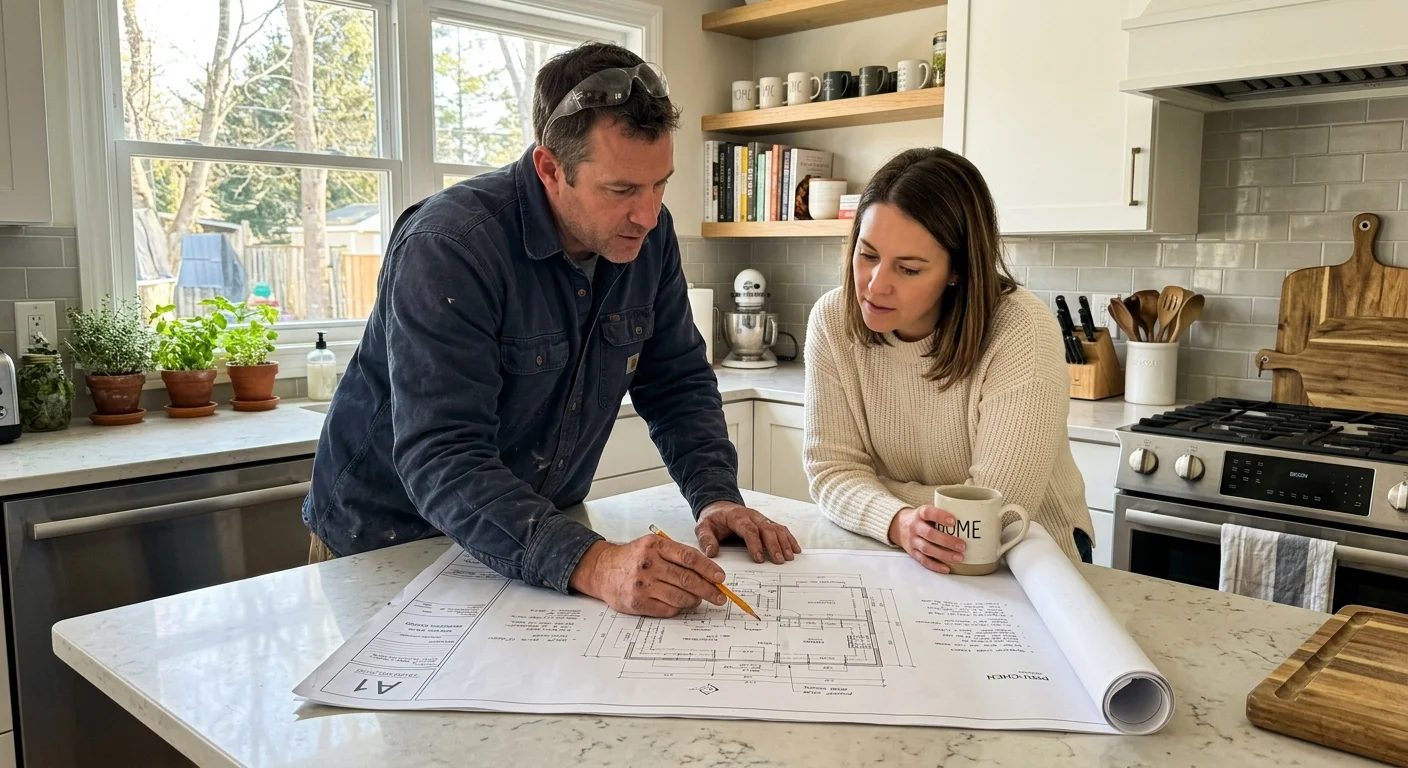
Building a strong, collaborative partnership with skilled contractors ensures your home projects run smoothly, stay within budget, and hit deadline targets. Start by seeking recommendations from trusted friends, local building supply yards, or established trade associations. Always verify that a contractor holds active state licensing, general liability insurance, and worker compensation coverage before signing contracts or handing over deposits.
Clear communication forms the foundation of successful contractor relationships. Define the project scope in writing, secure clear detailed estimates, and ensure the contract outlines who will secure municipal permits and schedule required city inspections. To keep your home operating smoothly over time, implement consistent routine maintenance. Review seasonal resources like the Department of Energy home maintenance guidelines to establish routine schedules for changing HVAC filters, inspecting roof flashing visually from ground level, and testing ground-fault circuit interrupter outlets monthly. Regular upkeep prevents emergency service calls and extends the life of professional trade installations.
Frequently Asked Questions About Risky DIY Repairs
How do I know if an interior wall is load-bearing before starting a project?
Load-bearing walls transfer vertical weight from the roof and upper floors down to your foundation. Generally, walls that run perpendicular to ceiling floor joists or sit directly above underlying support beams, columns, or foundation walls carry structural loads. Exterior walls almost always bear loads. Because framing configurations vary significantly across architectural eras, never remove studs or cut top plates without consulting a licensed structural engineer or experienced general contractor to conduct a thorough physical inspection.
Can I pull my own building permits as a homeowner to save money?
In many jurisdictions, homeowner-builder provisions allow owner-occupants to pull permits for certain types of work on their primary residence. However, pulling your own permit legally registers you as the general contractor, transferring total legal and safety liability to you. If subcontracted work fails building code inspections, you remain fully responsible for costly remediation. For complex electrical, gas, structural, or plumbing work, require your hired licensed contractor to pull the permits under their official license.
What small electrical projects are safe for a confident DIYer?
Confident homeowners can safely perform simple surface electrical swaps if they follow fundamental safety steps. Replacing existing light fixtures, updating decorative switch cover plates, or swapping standard wall outlets for modern USB outlets are manageable DIY projects. Always shut off power at the main circuit breaker panel, use a calibrated non-contact voltage tester to confirm zero current before touching wires, and match wire colors and terminal connections precisely according to manufacturer guidelines.
How can I safely test for asbestos or lead paint before starting a remodel?
You cannot identify asbestos or lead paint through visual inspection alone. For lead paint in pre-1978 homes, purchase EPA-recognized chemical swab test kits at local home improvement centers to check painted layers. For suspected asbestos in ceiling tiles, pipe insulation, or vinyl flooring, hire a certified environmental hazard testing technician to collect lab samples using strict containment protocols to avoid releasing hazardous fibers into your air.
Empower Your Home Journey with Smart DIY Choices
Smart homeownership centers on making informed, empowering decisions about where your hands-on energy delivers the greatest reward. By knowing when to call a professional for high-risk electrical, structural, gas, and environmental hazards, you protect both your family and your biggest financial asset. Embrace the creative satisfaction of tackling finish carpentry, custom painting, and surface upgrades yourself while relying on certified experts for core structural systems. Gather your design ideas, plan your next safe weekend project, and take the next confident step toward building a beautiful, secure home environment today.