
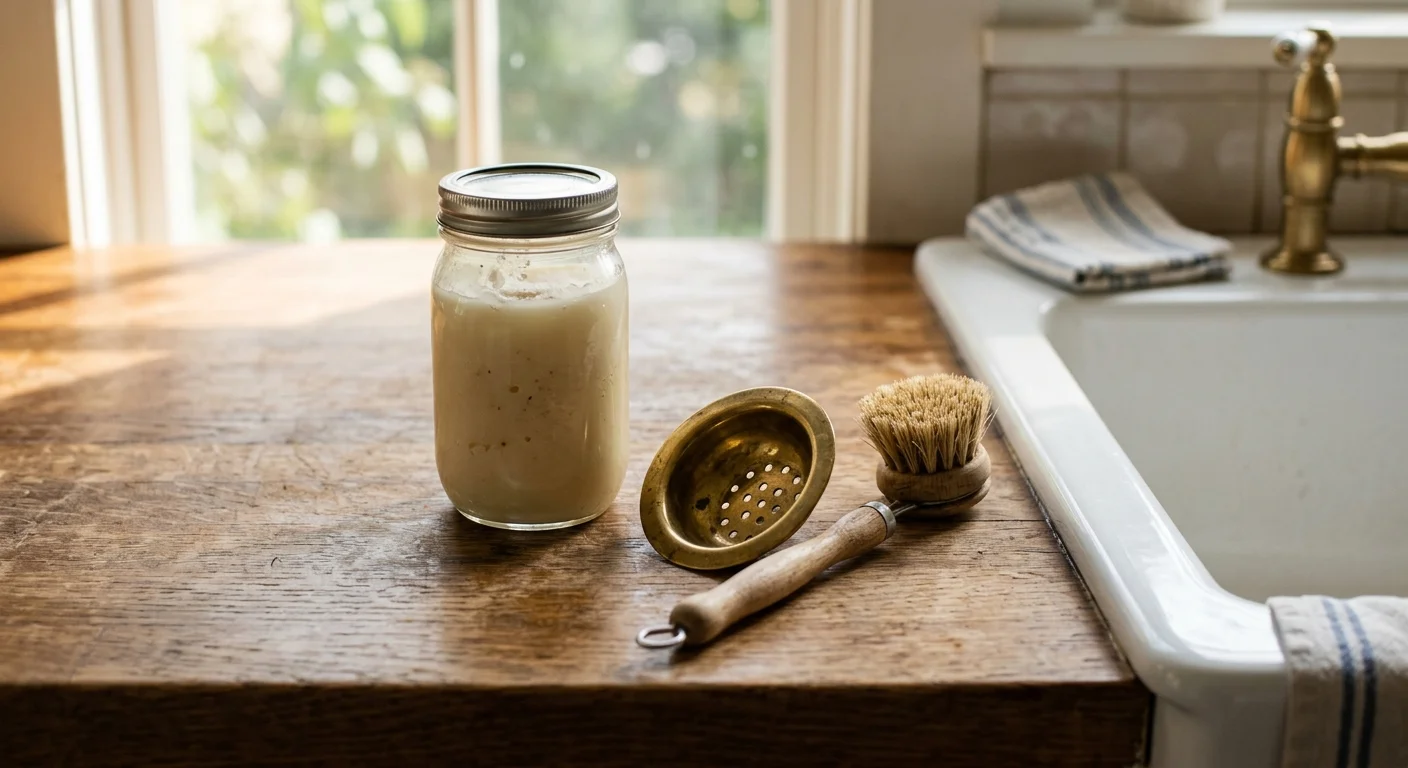
Saving thousands of dollars on emergency plumbing repairs starts by abandoning the daily habits secretly destroying your pipes. You can keep your water flowing freely and avoid the messy nightmare of a backed-up sink by recognizing and correcting these common drain mistakes today. While invisible from the surface, daily routines involving cooking grease, harsh chemicals, fibrous foods, and neglected shower drains create massive blockages deep within your home infrastructure. People often treat their sinks and tubs as invincible catch-alls, but residential plumbing systems require mindful usage. Making a few minor adjustments to your cleanup routine requires zero special skills, costs almost nothing, and actively protects your property from catastrophic water damage and stressful, expensive service calls.
Assessing Your Plumbing Maintenance Strategy
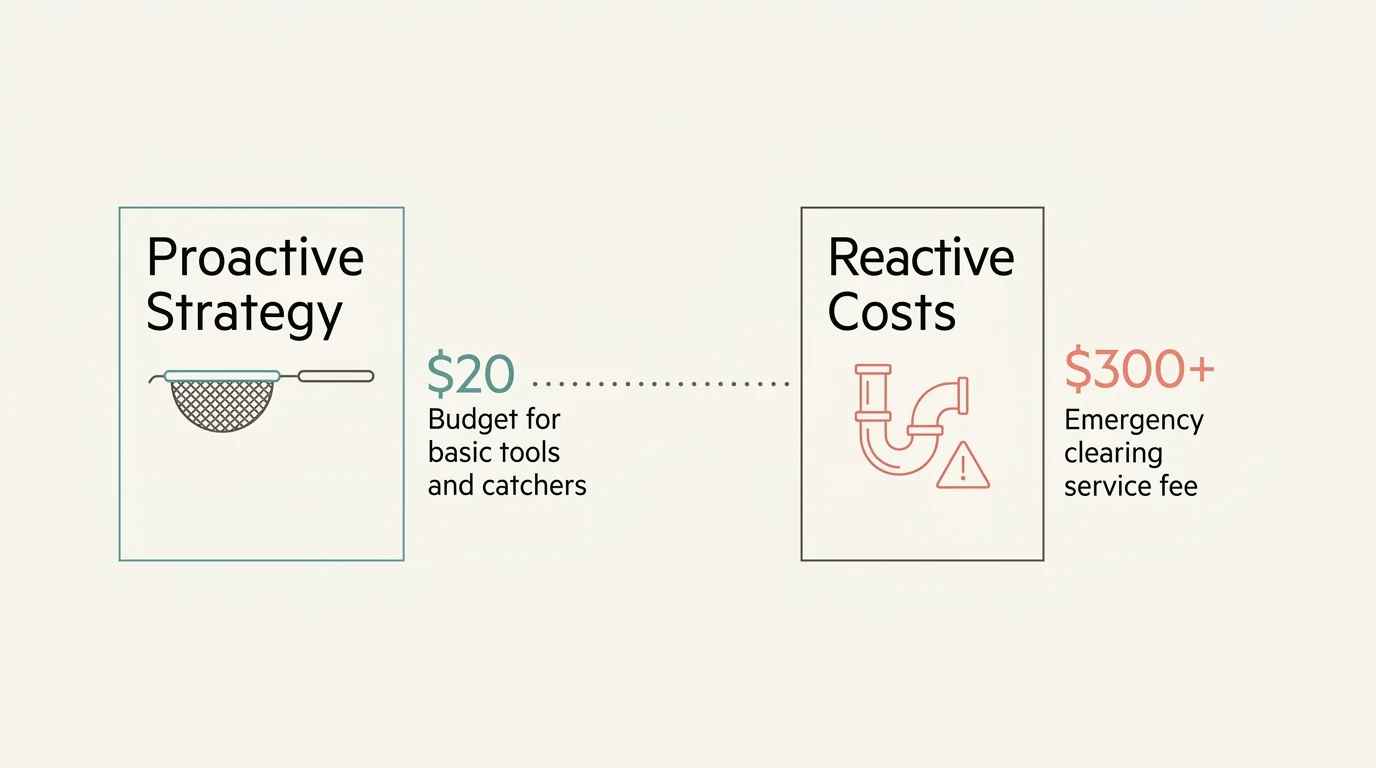
Rethinking your daily drain habits represents the ultimate beginner-friendly home maintenance project. You need absolutely no specialized skills to stop damaging behaviors, and the required timeline involves just a few extra seconds during your daily cleanup routines. When you evaluate the budget for proactive drain care, you will spend less than twenty dollars on basic catchers or natural enzyme treatments. Compare that minimal investment to the staggering costs of professional plumbing interventions; emergency drain clearing services frequently exceed three hundred dollars, while replacing severely damaged or corroded pipes can push your repair bill into the thousands. Gathering your materials simply means picking up a few inexpensive drain strainers, dedicating a jar for grease disposal, and perhaps purchasing a standard cup plunger. By shifting your mindset from reactive panic to proactive care, you take full control of your home infrastructure.
Habit 1: Pouring Liquid Grease Down the Kitchen Sink
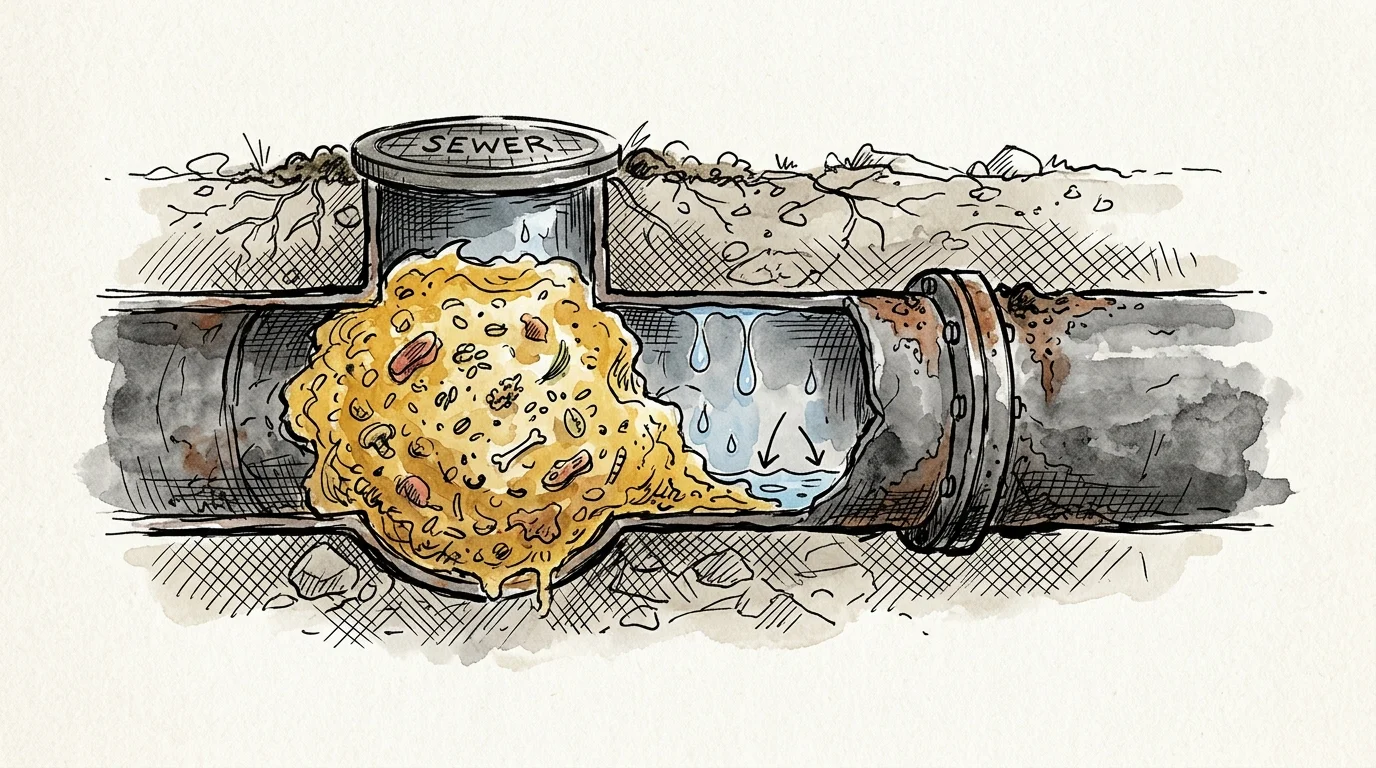
Bacon grease might look like a harmless liquid when hot, but it acts like concrete once it hits the cooler temperatures of your underground plumbing. Professional plumbers refer to fats, oils, and grease as the most destructive elements you can introduce to a kitchen sink. As the warm oil travels down the pipe, it inevitably cools, congealing into a sticky, dense mass that catches every other passing food particle. Over time, this creates a massive, impenetrable blockage that completely halts your drainage system. When this congealed grease travels further down the municipal line, it contributes to massive structural blockages commonly known as fatbergs, which severely damage city infrastructure. By taking responsibility at the sink level, you protect both your property and your community water systems.
You must completely eliminate the practice of rinsing cooking oils down the drain. Instead, establish a simple preparation and execution routine for grease disposal right on your countertop. Keep an empty glass jar or a designated grease container near your stove. Once you finish cooking, carefully pour the liquid fat into the jar, allow it to cool and solidify entirely, and then toss the sealed container into your household trash once it fills up. For pans with a light coating of oil, take a dry paper towel and vigorously wipe the surface clean before the pan ever touches the soapy sink water. This straightforward execution step prevents microscopic oil droplets from accumulating in your P-trap and saves you from a disastrous midnight plumbing emergency.
Habit 2: Treating the Garbage Disposal Like a Trash Can
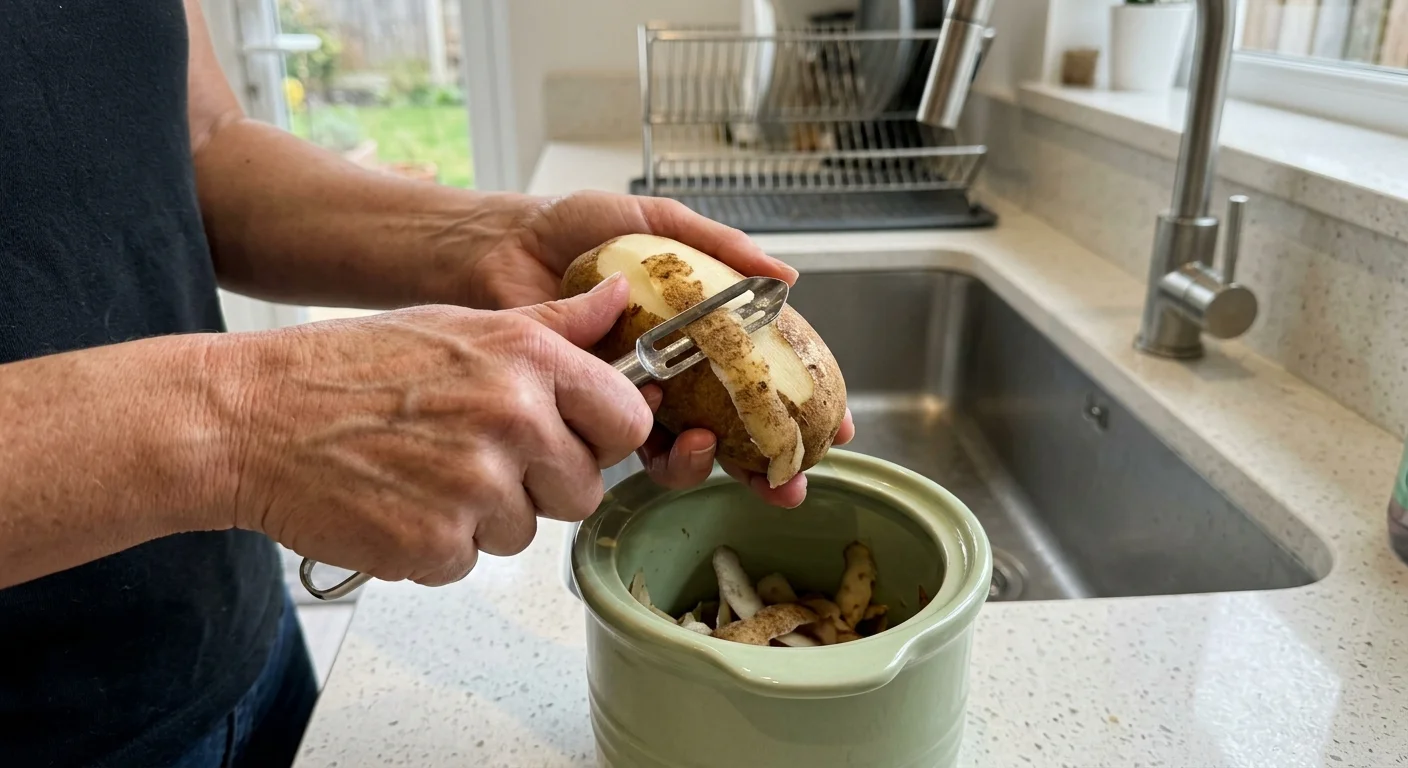
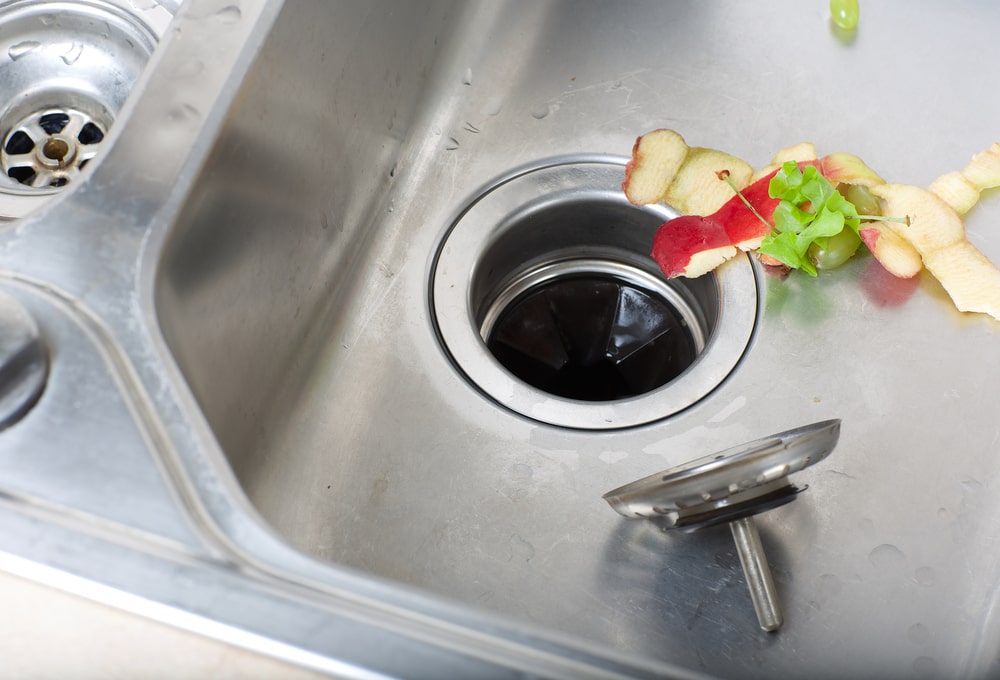
Homeowners frequently overestimate the capabilities of their garbage disposals, treating them like magical black holes that can pulverize any organic material. In reality, modern disposals are designed strictly for light food remnants left over after scraping your plate. Shoving large quantities of starchy or fibrous foods down the disposal ranks among the most common mistakes that lead to severe clogged drains. Potato peels, rice, and leftover pasta act like a thick paste when ground up and mixed with water; they expand rapidly and coat the interior walls of your pipes with a dense sludge that slows drainage to a frustrating trickle.
Fibrous vegetables—such as celery stalks, asparagus, and corn husks—pose an entirely different but equally frustrating threat. Their tough, stringy fibers wrap tightly around the disposal impellers, eventually burning out the appliance motor or creating a physical net that traps other kitchen debris. A pervasive DIY myth suggests that grinding eggshells sharpens the disposal blades. In reality, garbage disposals utilize blunt impellers to mash food against a grinding ring. The delicate inner membrane of an eggshell easily slips past these impellers and wraps around the moving parts, while the pulverized calcium creates a sandy grit that settles heavily in the horizontal spans of your plumbing. To properly manage your food waste, scrape your plates thoroughly into a compost bin or the trash can before moving them to the sink.
Habit 3: Relying on Harsh Chemical Drain Cleaners
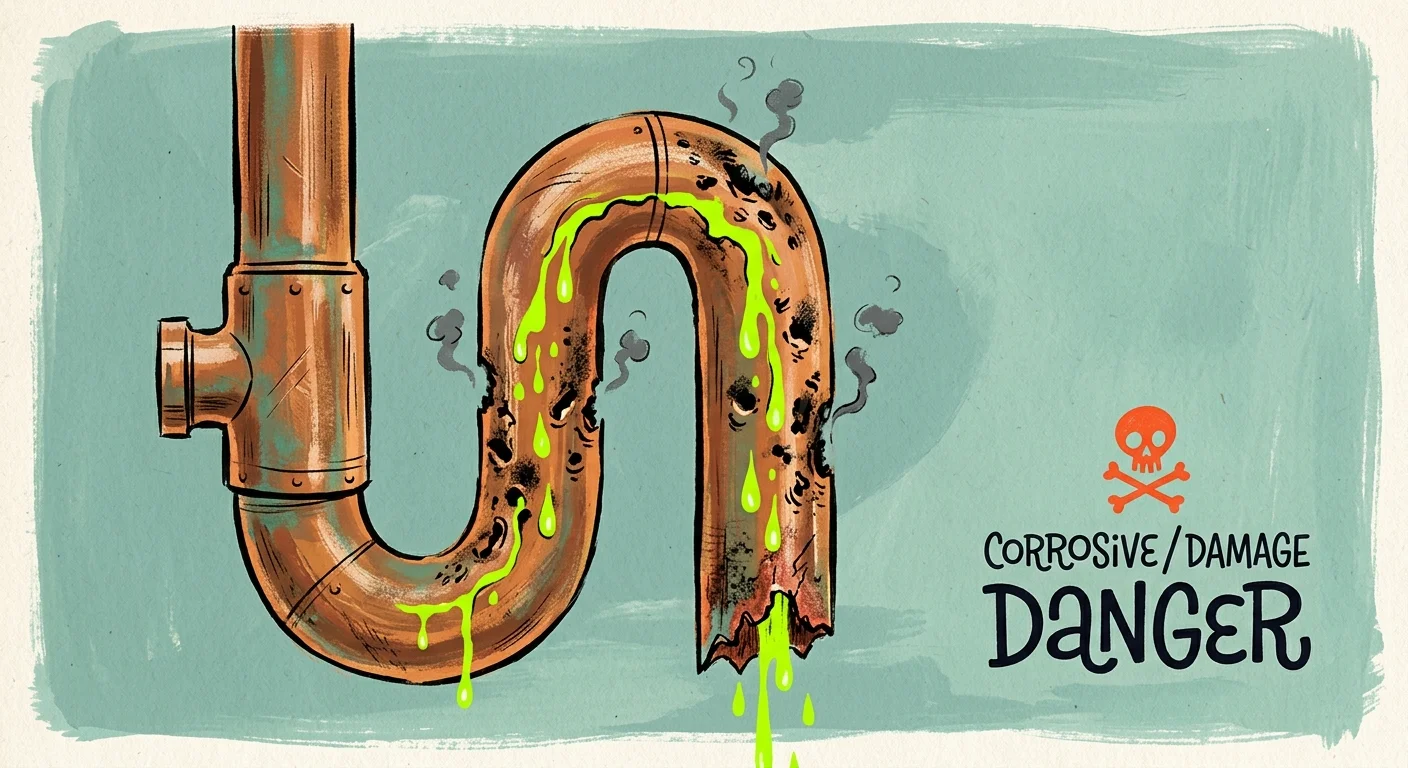
When faced with a stubborn slow drain, your first instinct might lead you straight to the hardware store for a brightly colored jug of liquid drain cleaner. Seeking professional plumbing advice generally reveals a unanimous consensus against this hazardous habit. Commercial chemical cleaners rely on intense exothermic reactions to dissolve blockages; they generate an immense amount of heat inside your plumbing lines. This extreme temperature spike can easily warp or melt modern PVC pipes, while older metallic pipes suffer from accelerated corrosion and structural weakening. Furthermore, if the chemical fails to clear the blockage, you are left with a sink full of highly toxic, caustic water that poses a severe safety risk.
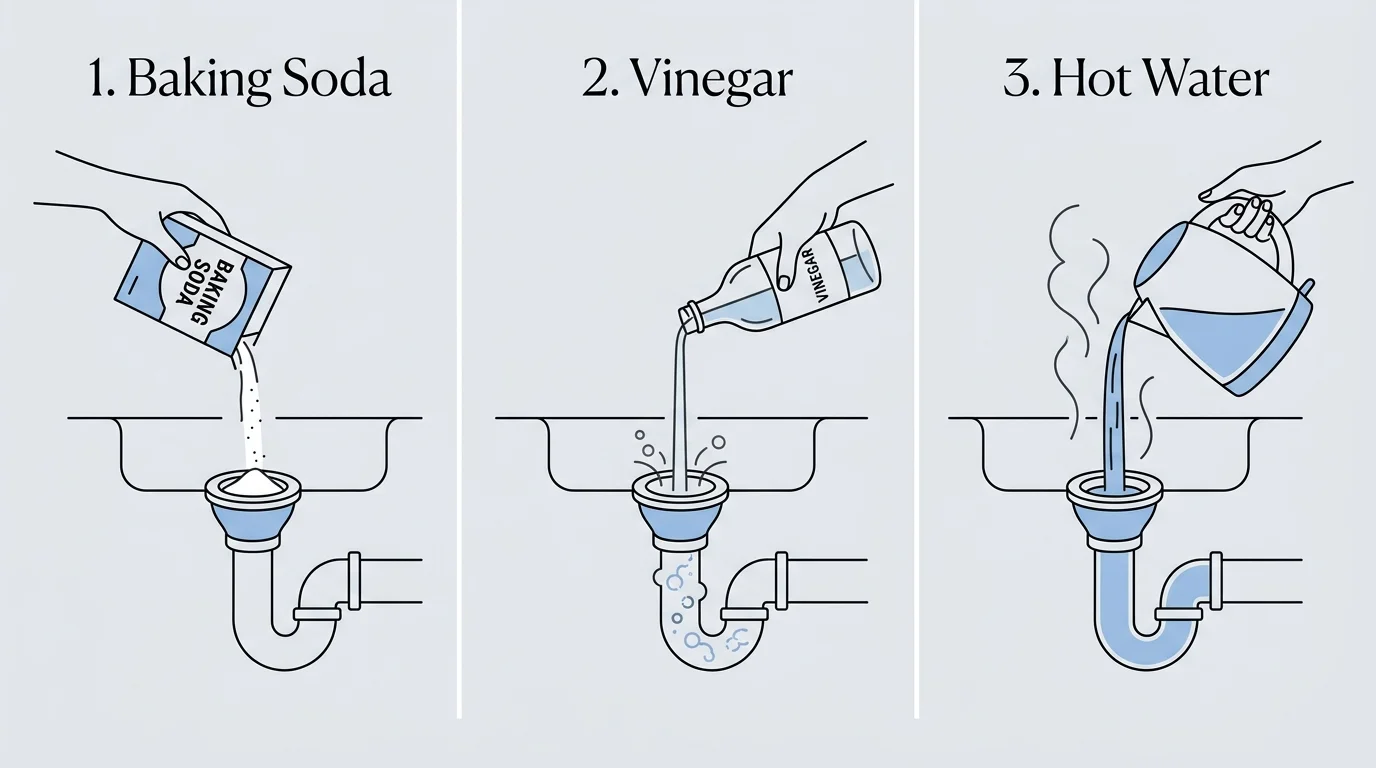
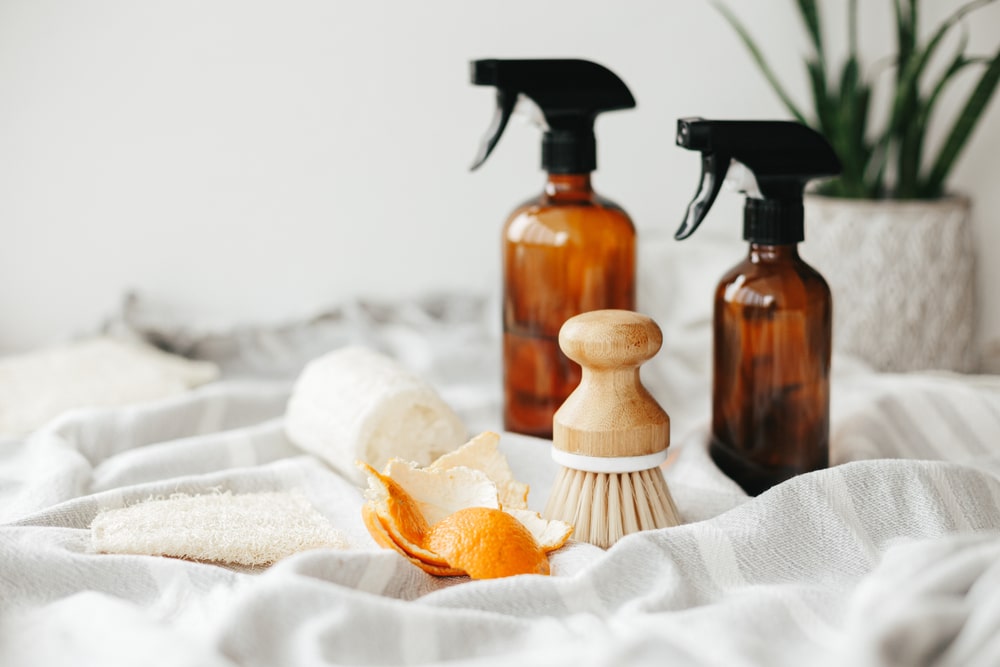
When you eventually concede defeat and call a professional, that caustic liquid remains trapped in the pipe. As the plumber opens the P-trap to physically clear the line, they face severe chemical burns from the sudden release of toxic water. You can achieve much safer and more reliable results by adopting mechanical clearing methods and natural maintenance routines. For a safer chemical reaction, pour half a cup of baking soda directly into the drain, followed by half a cup of white vinegar. Cover the drain plug and let the fizzing action break down light organic buildup for fifteen minutes before flushing the system with boiling water. You can read more about safe household maintenance and energy-efficient water systems through the guidelines provided by the Department of Energy. For organic buildup that resists the baking soda method, switch to enzyme-based cleaners that digest biological matter safely.
Habit 4: Ignoring the Bathroom Hair Catcher Necessity
Moving away from the kitchen, the bathroom presents its own unique plumbing challenges—primarily the relentless accumulation of human and pet hair. Hair does not naturally decompose in water, and when it washes down your shower drain, it easily snags on the pop-up stopper or the inner pipe walls. Once a few strands anchor themselves, they act as a net, capturing sticky soap scum, body oils, and hard water mineral deposits. This unholy alliance of materials forms a dense, matted plug that completely stops water flow and creates an unsanitary, slippery environment in your tub.
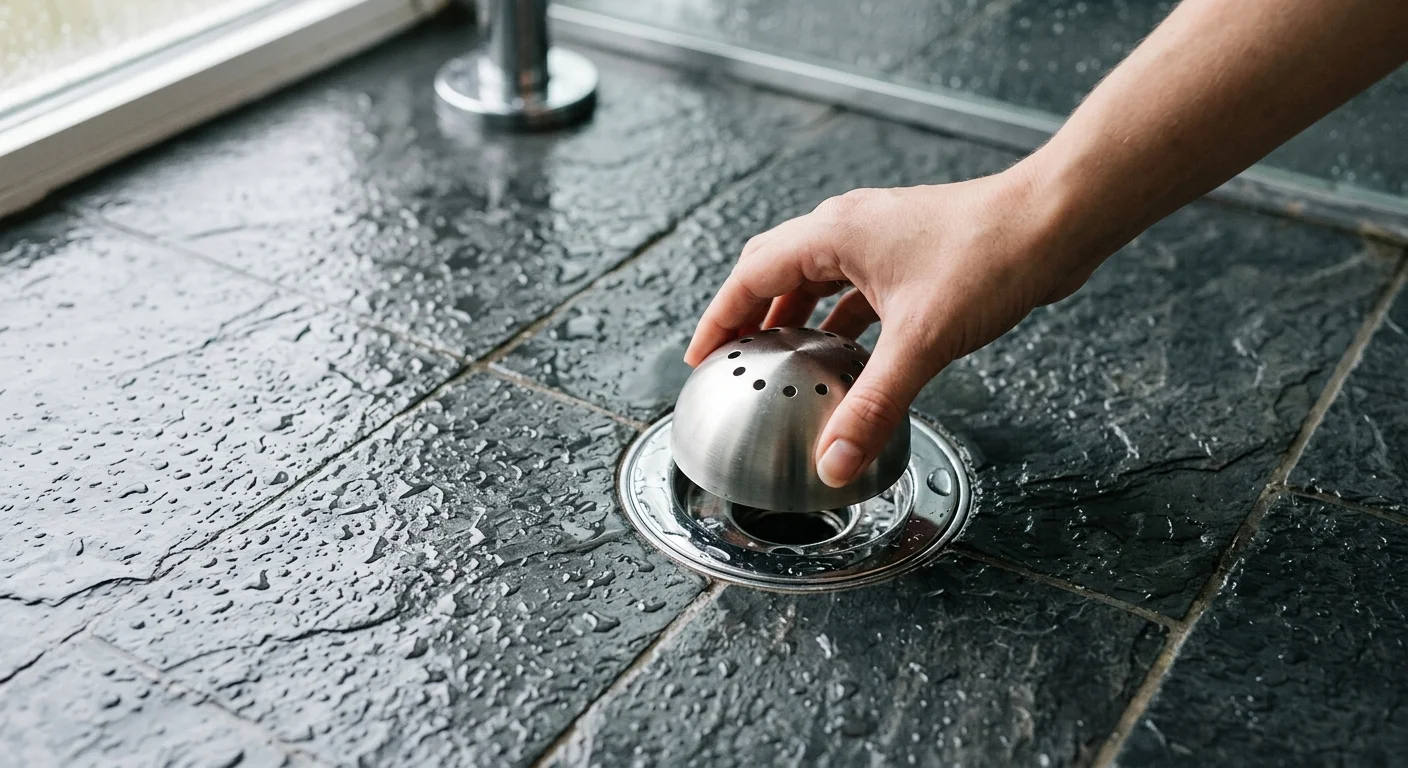
The execution of this preventative step could not be simpler; you must install a high-quality hair catcher in every bathroom drain. Remove your standard stopper and drop in a mesh or silicone strainer designed specifically to trap hair before it enters the plumbing infrastructure. Make it a daily finishing habit to wipe the catcher clean after every shower. While pulling wet hair off a silicone dome feels mildly unpleasant in the moment, it demands far less effort than dismantling your P-trap or aggressively snaking a clogged drain line. Consistently utilizing a physical barrier represents the single most effective strategy for preserving the long-term health of your bathroom pipes.

Styling and Personalization: Elevating Your Drain Hardware
Protecting your plumbing does not mean you must sacrifice the carefully curated aesthetic of your home. The market offers a massive variety of beautifully designed drain catchers, stoppers, and strainers that complement any design scheme. If you recently updated your kitchen with brushed brass fixtures, you can easily source heavy-duty brass strainers that perfectly match your faucet while effectively blocking food debris. Manufacturers now produce protective hardware in living finishes, such as unlacquered brass or oil-rubbed bronze, which age beautifully alongside your primary fixtures. The right hardware choices seamlessly blend utilitarian function with elevated design, ensuring your protective measures never look like a cheap afterthought.
When selecting your protective hardware, consider the texture and finish of your existing sink basin. For a sleek, modern farmhouse aesthetic featuring a white fireclay sink, a matte black silicone catcher provides a striking, deliberate contrast while sitting flush against the drain opening. In a spa-inspired bathroom, a minimalist stainless steel insert disappears visually into the shower floor while performing its crucial hair-catching duties. You can draw fantastic inspiration for balancing high-performance hardware with stunning interior aesthetics from reputable design publications like Architectural Digest or explore easy weekend design upgrades on HGTV. By treating your drain protectors as deliberate design accessories rather than cheap plastic additions, you elevate the entire look of your wet spaces.
Troubleshooting Common Clogs and Upkeep Routines
Even with impeccable daily habits, you might occasionally encounter a sluggish drain due to gradual, unavoidable mineral buildup. When this happens, avoid the panic response and systematically troubleshoot the issue using mechanical tools. A standard cup plunger—not a toilet plunger with a flange—serves as your first line of defense against minor sink clogs. Creating an airtight seal remains the most critical aspect of effective plunging. If you are working on a double basin kitchen sink, you must securely plug the secondary drain opening with a heavy wet cloth or a rubber stopper; otherwise, the air pressure will simply escape out the other side instead of forcing the blockage down the pipe. Apply firm, rhythmic pressure downward, and pull up sharply to break the vacuum.
If plunging fails to restore normal water flow, escalate your troubleshooting to a simple plastic drain snake. These inexpensive, flexible tools feature tiny barbs that easily navigate the curves of a P-trap, grabbing onto hidden hair and sludge so you can pull the mess directly out of the pipe. To minimize the need for these interventions, establish a preventative upkeep routine. Once a week, pour a kettle of rapidly boiling water down your kitchen sink to melt away any residual oils before they can solidify. For expert guidance on maintaining older plumbing fixtures during your upkeep routines, consult resources like This Old House, which provides comprehensive advice on preserving vintage home infrastructure. For environmental guidelines on safe waste disposal, the Environmental Protection Agency offers extensive documentation to help homeowners make responsible choices.
Frequently Asked Questions About Drain Maintenance
How do I clear a slow drain without using harsh chemical liquids? You can tackle most slow drains using a combination of boiling water, baking soda, and white vinegar. Pour the dry baking soda into the drain, follow it with the vinegar, and let the resulting reaction agitate the organic sludge for about twenty minutes. Flush the entire system with boiling water to push the loosened debris through the pipes. If the drain remains slow, manual removal using a plastic barbed snake or a traditional sink auger offers the safest, most effective resolution without risking chemical damage to your infrastructure. Implementing these simple drain cleaning tips will preserve your pipes for decades.
What drain maintenance materials are safest for older home plumbing? Older homes frequently feature cast iron or galvanized steel plumbing, which reacts poorly to acidic or highly caustic commercial cleaners. Enzymatic drain cleaners provide the safest possible maintenance solution for aging pipes; these biological formulas utilize natural bacteria to consume fats and organic matter without generating any heat or corrosive action. Furthermore, investing in high-quality mechanical catchers prevents debris from entering the fragile system in the first place, serving as the ultimate protective measure for historic plumbing networks.
Where can I source stylish, high-quality drain strainers that match my fixtures? You can find premium drain accessories at dedicated plumbing supply houses, high-end hardware stores, and specialized online retailers. When shopping for these upgrades, look for solid brass or heavy-gauge stainless steel construction rather than cheap, metal-plated plastics that will inevitably chip and peel over time. To ensure a perfect visual match, purchase your strainers from the exact same manufacturer that produced your primary faucet, as finish colors like brushed nickel or antique bronze can vary wildly between different brands.
How often should I perform routine drain cleaning and maintenance? You should practice physical barrier maintenance daily by wiping out your bathroom hair catchers and emptying kitchen food strainers after every use. For deeper preventative care, flush your kitchen sink with boiling water once a week to clear away minor grease accumulations. Apply a gentle enzymatic cleaner to all the heavily used drains in your home once a month before you go to bed, allowing the helpful bacteria to work undisturbed overnight; this consistent schedule prevents catastrophic blockages from ever forming and drastically reduces the need for emergency plumbing repairs.
Embrace Proactive Plumbing Habits Today
Taking control of your home plumbing health does not require a specialized contractor license or an expensive arsenal of heavy machinery. By simply stopping the daily assault of grease, fibrous foods, dangerous chemicals, and tangled hair, you instantly extend the lifespan of your entire drainage system. Equip your sinks with beautiful, functional strainers, adopt gentle cleaning routines, and treat your pipes with the respect they deserve. You have the knowledge and the power to prevent stressful plumbing emergencies, so start implementing these straightforward, money-saving habits right now and enjoy the peace of mind that comes with flawlessly flowing water.


Leave a Reply