You can fund your next major room renovation without dipping into your savings account by cashing in on forgotten items hiding right inside your home. Whether you want to refresh a guest bedroom or buy premium materials for a backyard deck build, those vintage treasures gathering dust in the attic are an untapped goldmine. Flipping collectibles offers a practical way to declutter your living spaces while generating serious side income. You probably walk past hundreds of dollars in hidden value every single day; you just need to know exactly what buyers desperately want. By identifying the right pieces, properly assessing their condition, and presenting them effectively, you can transform household clutter into a lucrative budget booster.
Planning Your Flipping Operation
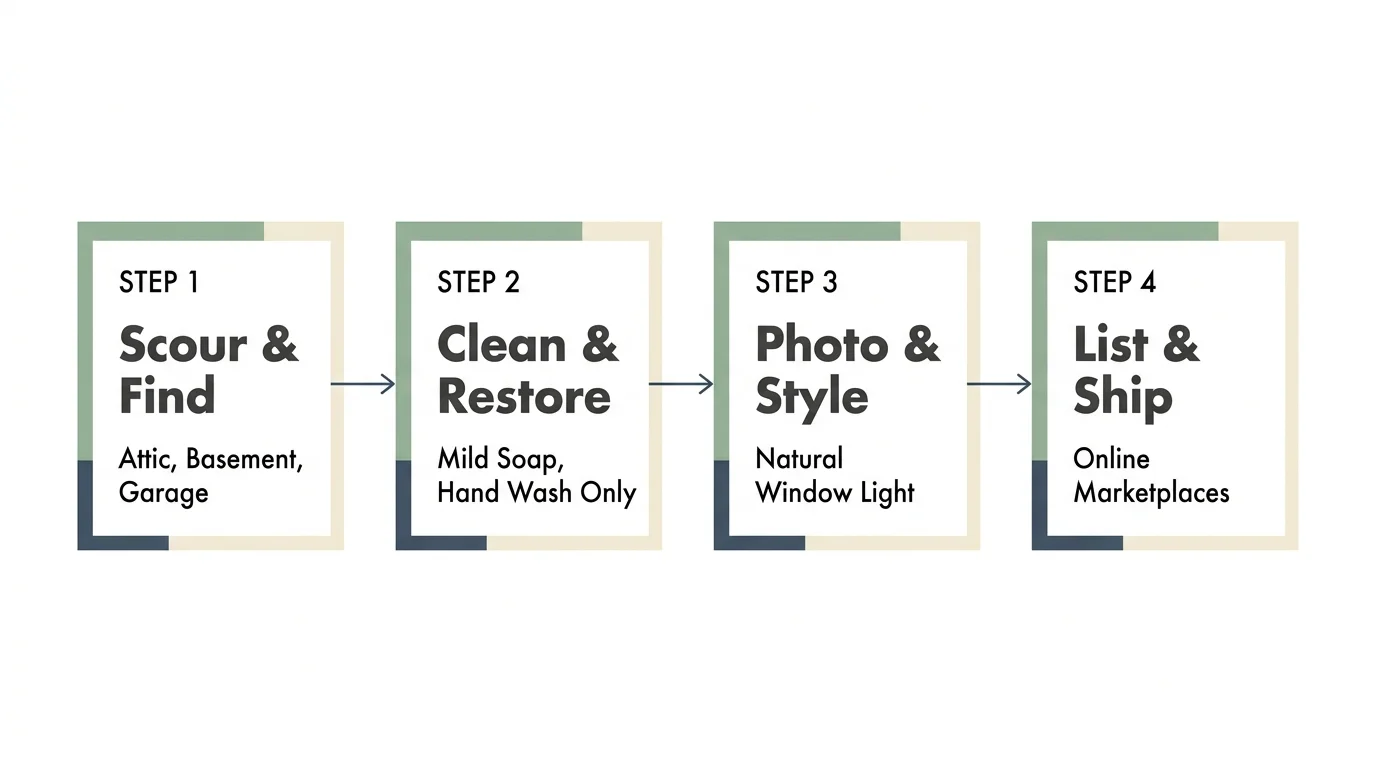
Assess your budget, timeline, and skill level before tearing apart your attic looking for inventory. You can start this decluttering project with practically zero dollars; you only need basic household cleaning supplies you likely already own in your kitchen or workshop. Your timeline depends entirely on how quickly you want to move the merchandise. Dedicate a single weekend afternoon to scouring your basement, cleaning your finds, and photographing the inventory for online marketplaces. As for your skill level, flipping vintage collectibles requires zero specialized training. You just need a bit of patience for researching comparable items online and a willingness to write accurate, honest descriptions. This low-risk endeavor offers a massive return on your time, allowing you to quickly fund those expensive paint gallons or premium power tools you have been eyeing for your next property upgrade.
The 9 Collectibles Hiding in Plain Sight
Your home is a treasure trove of forgotten items just waiting to be uncovered, restored, and sold. Let us walk through the most lucrative items you can find in your cupboards, bedroom closets, and garage shelves right now.
Vintage Pyrex and Kitchenware
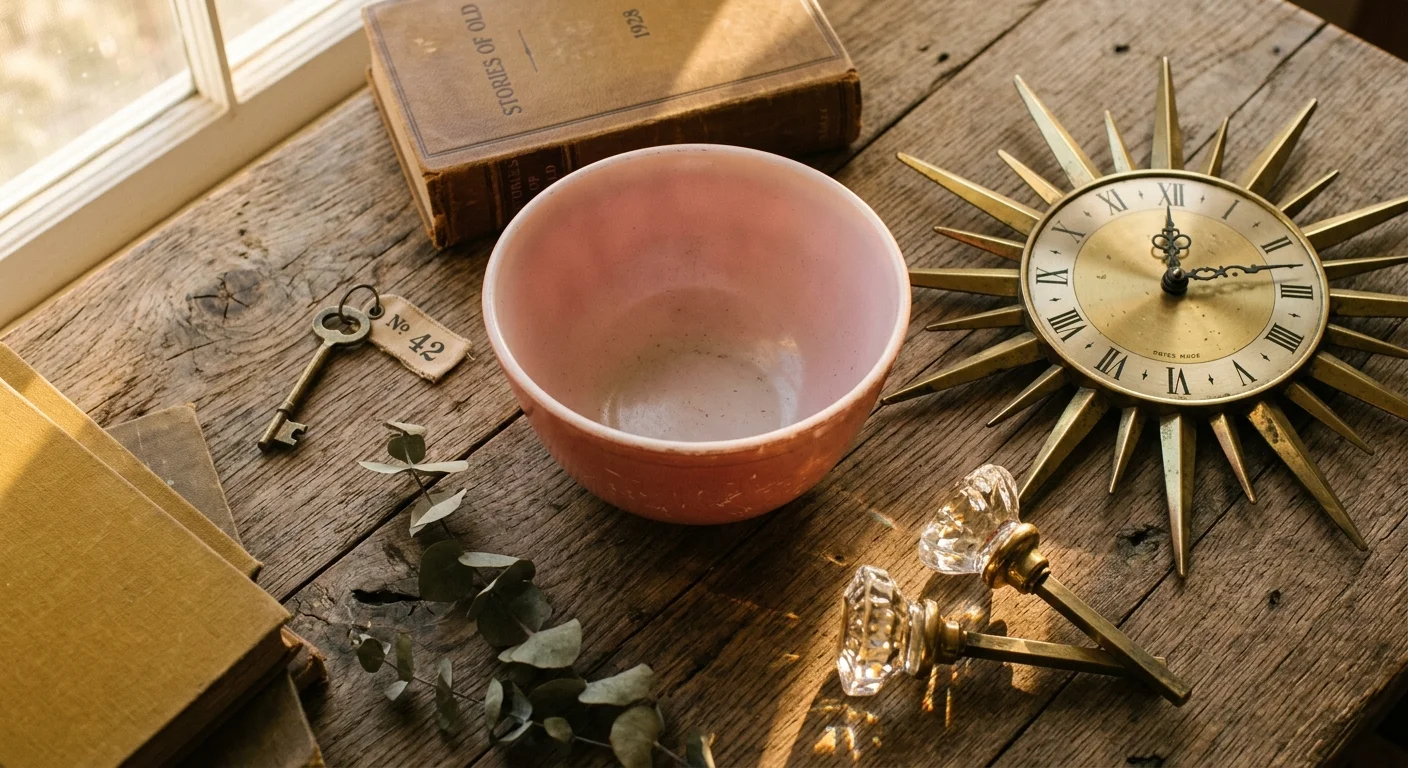
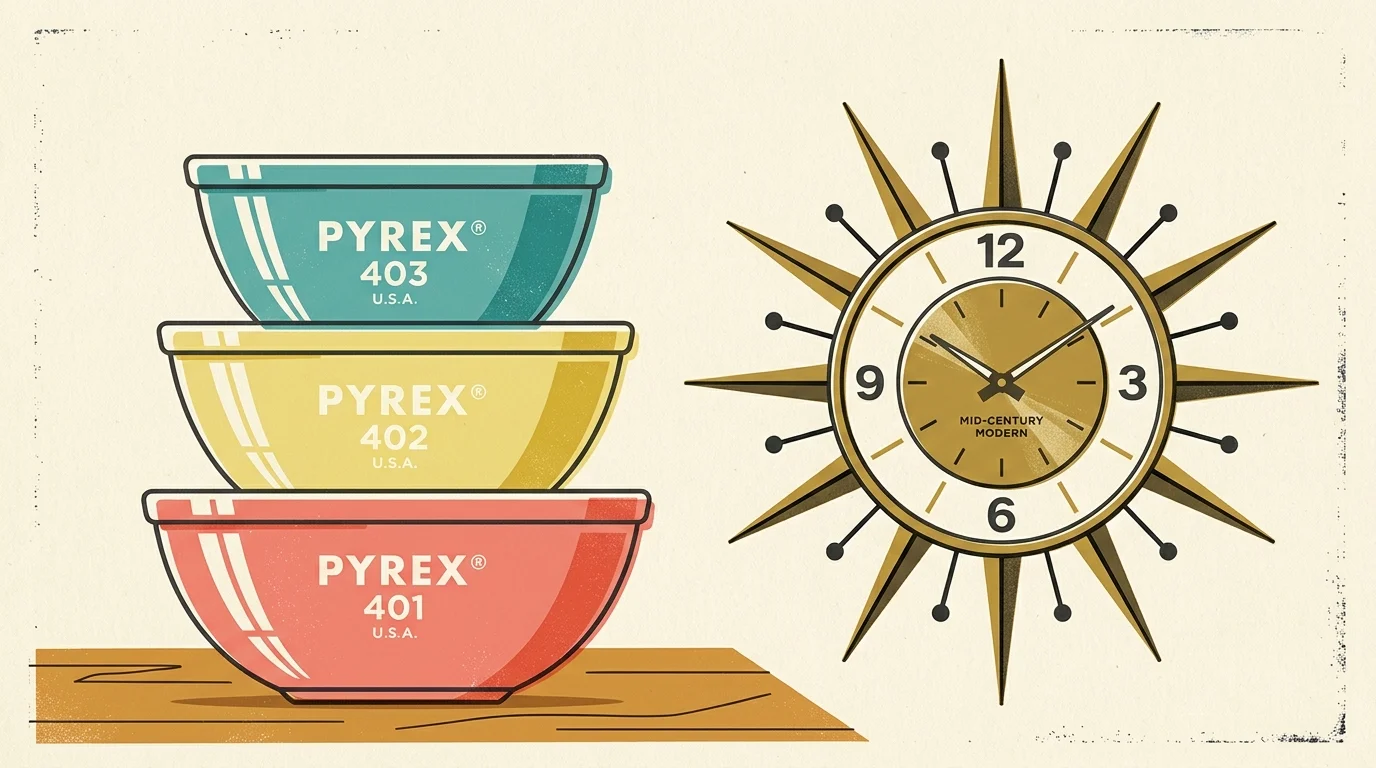
Brightly colored glass mixing bowls command staggering prices on the secondary market. Buyers obsess over iconic mid-century patterns like Pink Gooseberry, Friendship, or the famous Primary Colors set. Inspect your dark cupboards and basement boxes for these heavy glass pieces. You must never put vintage Pyrex in an automatic dishwasher; harsh detergents destroy the glossy finish and fade the vibrant colors, drastically reducing their resale value. Wash them gently by hand using warm water and mild dish soap. For stubborn, baked-on grease, a gentle glass cooktop cleaner safely restores the shine without scratching the delicate exterior paint.
Mid-Century Modern Decor and Lighting
That funky sunburst clock or brass table lamp sitting in your guest bedroom could easily pay for your next bathroom fixture upgrade. Mid-century modern design remains highly sought after by homeowners dedicated to adding retro flair to their spaces. Look closely for items featuring sleek geometric lines, teak wood accents, or solid brass construction. Before listing these items, give them a thorough cleaning. Polish tarnished brass figurines using a dedicated metal polish and a soft cloth to reveal their original luster. A clean, functioning piece of vintage lighting always attracts eager buyers looking to elevate their own interior design.
Architectural Salvage and Hardware
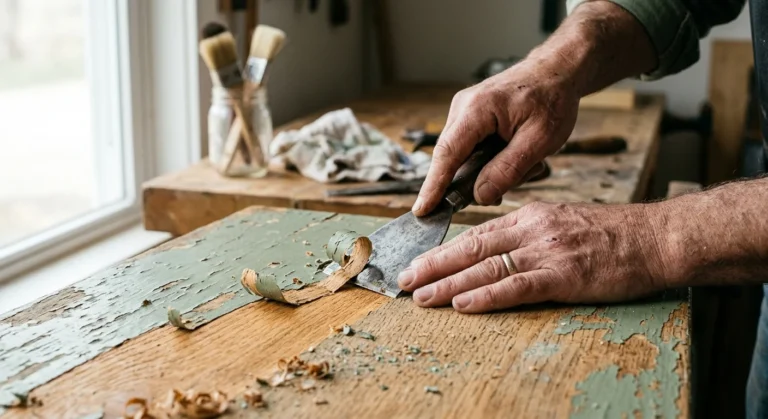
Home renovators constantly hunt for authentic period hardware to match their historic properties. You might have crystal doorknobs, ornate cast iron floor registers, or solid brass cabinet pulls sitting in a dusty hardware bin down in your basement. These architectural remnants hold incredible value because homeowners restoring Victorians or Craftsman bungalows will gladly pay a premium to avoid cheap modern reproductions. Remove layers of old paint by soaking the metal parts in a slow cooker filled with water and a few drops of dish soap; the heat safely loosens the paint without damaging the antique metal beneath. Once cleaned, these small components ship easily and deliver impressive profit margins.
Vintage Hand Tools and Woodworking Gear
Do not overlook the rusty hand planes, chisels, and back saws lingering in your garage or workshop. Traditional woodworking enthusiasts highly prize older hand tools for their superior high-carbon steel and durable hardwood handles. You can easily rehabilitate a lightly rusted Stanley block plane by submerging the metal components in white vinegar overnight. The mild acid eats away the oxidation, leaving you with a perfectly functional tool that commands a premium price. Dry the metal thoroughly and apply a light coat of machine oil to prevent future rust before taking your listing photographs.
Retro Video Games and Consoles
Childhood gaming consoles like the Super Nintendo or Sega Genesis routinely sell for excellent money, especially if you have the original power cords and controllers. Search your entertainment center cabinets and childhood storage bins for these nostalgic electronics. You should always plug the console in and test it before listing it for sale; buyers pay significantly more for verified, working electronics. Use a cotton swab lightly dampened with isopropyl alcohol to clean the dirty metal contact pins inside the game cartridges. This quick maintenance step ensures the games load perfectly and guarantees a positive transaction with your buyer.
Classic Board Games and Puzzles
Vintage board games from the 1980s and 1990s capture the hearts of collectors and nostalgic families alike. Games like Fireball Island, HeroQuest, or early editions of Monopoly hold serious cash value. The most critical step in flipping board games involves taking a highly detailed inventory of the contents. Sit down and meticulously count every card, plastic token, and cardboard cutout, comparing your findings against the rulebook. If you discover you are missing a few pieces, do not panic; you can often sell the game as an incomplete set for parts, as other collectors frequently buy partial boxes to complete their own sets.
Vinyl Records and Audio Equipment
The massive resurgence in analog audio means those heavy crates of vinyl records in your attic represent easy money. Classic rock, jazz, and early hip-hop albums move incredibly fast on resale platforms. Carefully pull the records from their paper sleeves and inspect them under a bright light for deep scratches or warping. You can gently wipe away surface dust using a specialized anti-static carbon fiber brush. Always store and ship your records perfectly vertical; stacking them flat on top of one another causes irreversible damage to the fragile vinyl grooves.
First-Edition Books and Specialty Magazines
Old books might look like basic household clutter, but a first-edition printing of a classic novel serves as a major payday. Check the copyright page of older hardcovers for number lines or specific publisher marks that indicate a first printing. You must also evaluate the condition of the dust jacket, as this fragile paper cover often holds the vast majority of the book’s total value. Keep these items in a dry, climate-controlled environment to prevent foxing—the brownish spots caused by high humidity and age.
Vintage Denim and Workwear
Faded, worn-out jeans might seem like prime candidates for the rag bag, but vintage Levi’s and rugged canvas workwear jackets are aggressively hunted by fashion collectors worldwide. Look for heavy cotton denim featuring distinct wear patterns, unique distressing, or older tag designs. Wash these items gently in cold water and hang them up to dry, completely avoiding the harsh heat of a modern tumble dryer. Measure the waist and inseam manually with a fabric tape measure, as vintage sizing often shrinks over the decades and differs wildly from the size printed on the original leather patch.
Executing the Sale: Styling and Photography
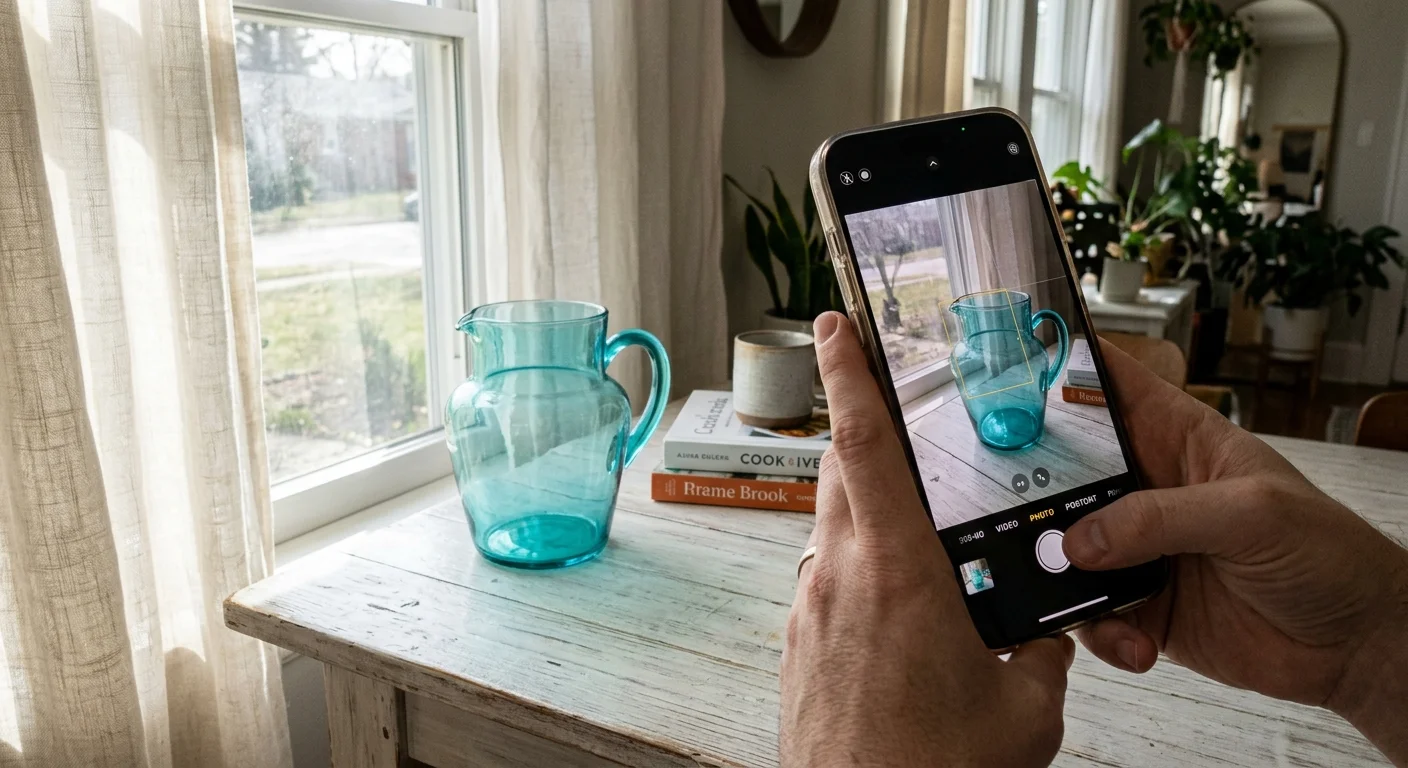
Listing your items online requires the exact same attention to detail as staging a home for a high-end open house. You must present your collectibles in their absolute best light to command top dollar. Start by finding a neutral, uncluttered background—a clean wooden dining table or a freshly painted white wall works perfectly. You should rely exclusively on bright, indirect natural light; position your items near a large window during the mid-morning hours to capture accurate colors and crisp textures. Avoid using harsh overhead room lighting or your smartphone’s built-in flash, as these light sources cast ugly shadows and heavily distort the true condition of the piece.
Write your item descriptions with total transparency. Highlight the beautiful, custom-feeling details of the piece, but explicitly point out any chips, scratches, or fabric wear. Buyers appreciate complete honesty, and disclosing flaws upfront permanently prevents frustrating returns. You can read extensive guides on how to sell things online to master the art of writing compelling, search-friendly titles that draw eager shoppers directly to your listings. Address the buyer directly in your description, explaining exactly how this specific vintage treasure will perfectly accent their own living space.
Finishing the Job: Secure Packing and Shipping
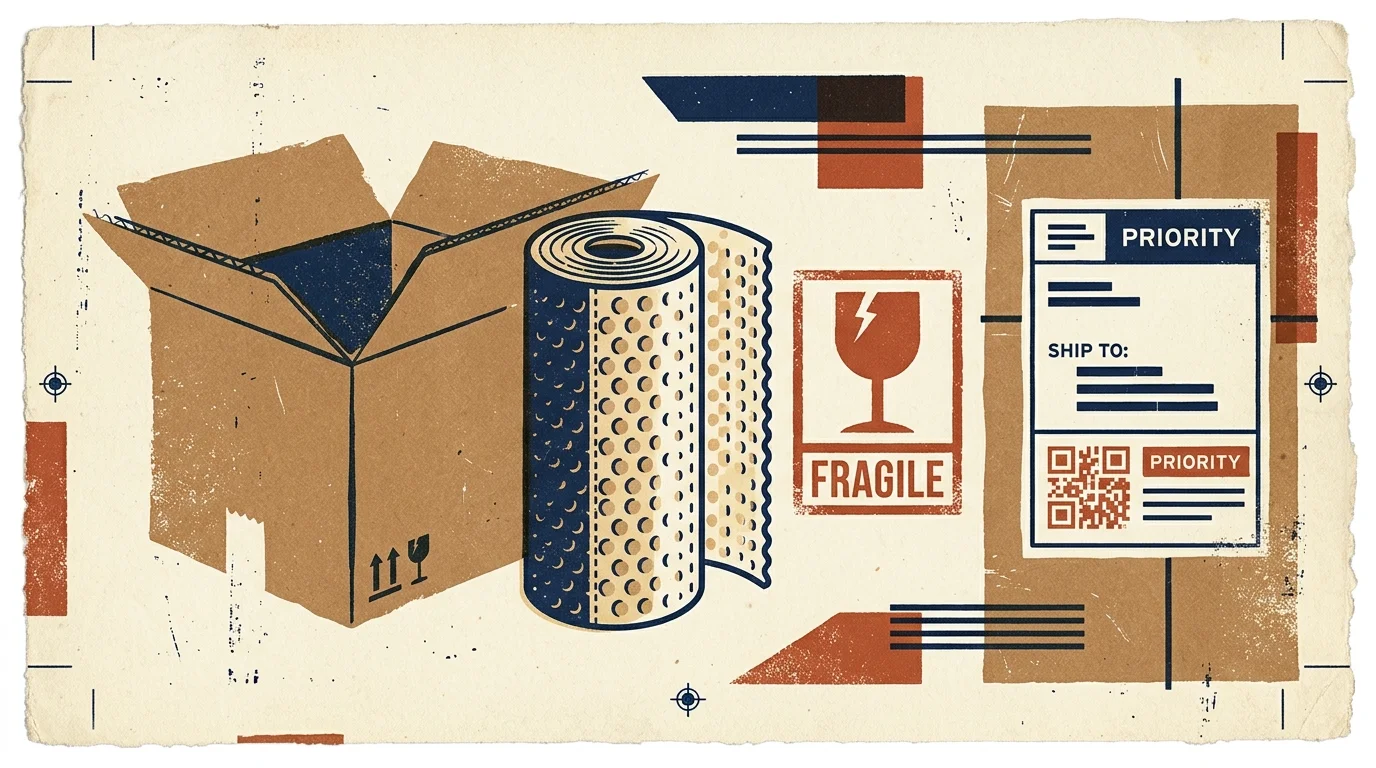
Once your collectible sells, your execution phase shifts entirely to logistics and physical protection. You must pack fragile vintage items with excessive care, assuming the cardboard box will face a highly chaotic journey through the postal system. Wrap delicate glassware or architectural salvage in several thick layers of small-bubble wrap, securing the bundle tightly with high-quality packing tape. Place the wrapped item inside a sturdy, double-walled corrugated box, filling every single inch of empty space with crumpled kraft paper or dense packing peanuts. The item should not shift or rattle at all when you vigorously shake the sealed box.
Protecting your profit margin requires highly accurate shipping calculations. You must weigh the fully packed box on a digital scale and measure its exact dimensions before purchasing a shipping label. Guessing these metrics often results in expensive carrier surcharges that eat directly into your hard-earned project cash. For incredibly valuable or irreplaceable antiques, always purchase supplemental shipping insurance and require a signature upon delivery to completely protect yourself against transit loss or neighborhood package theft.
Troubleshooting Common Reseller Pitfalls
Even the most prepared seller occasionally runs into frustrating roadblocks. If your beautifully staged vintage Pyrex bowl sits unsold for weeks, you have likely priced it far too high for the current resale market. Do not let pride get in the way of a successful sale; lower the price incrementally every few weeks to trigger automated algorithmic alerts for buyers currently watching your item.
You will inevitably encounter online buyers who send frustratingly low offers. Maintain a professional, emotionless tone when negotiating these deals. You can simply counteroffer with your lowest acceptable price or politely decline and move on. If a buyer claims a fragile item arrived damaged, ask them to send clear photographs of the broken piece alongside the damaged shipping box. You can use these photos to file a swift insurance claim with the postal carrier, allowing you to refund the buyer while successfully recovering your own funds.
Frequently Asked Questions
What tools do I need to clean up vintage items safely?
You only need a few gentle essentials: a soft-bristled toothbrush for getting into tight crevices, microfiber cloths for dusting, mild liquid dish soap, and a non-abrasive sponge. Avoid aggressive wire brushes or harsh chemical solvents, as these easily strip away valuable original finishes or protective historic patinas.
Which shipping materials best protect fragile collectibles?
You should rely on small-bubble wrap for the initial layer against the delicate item, followed by a thick outer layer of large-bubble wrap for shock absorption. Always use brand-new, double-walled corrugated boxes for heavy items like vintage hand tools, and fill any remaining voids with dense packing peanuts to completely prevent internal movement.
Where else can I find inventory once my house is completely empty?
Once you clear out your own attic, you can easily source new inventory by visiting local estate sales, weekend garage sales, and neighborhood thrift stores. You can also consult expert resources from the Mississippi State University Extension service to confidently help older friends and family members declutter their own homes in exchange for keeping the vintage items they plan to discard.
How do I adapt my staging space for large items versus small ones?
For small items like costume jewelry or video game cartridges, a simple tabletop setup with a solid-colored poster board backdrop works perfectly. For larger items like mid-century floor lamps or bulky architectural salvage, clear a dedicated corner of a well-lit room and use a blank wall as your backdrop, ensuring absolutely no distracting household clutter sneaks into the frame.
Turn Your Clutter Into Project Cash
You possess absolutely everything you need to start generating serious side income today. By viewing your forgotten household goods through the specialized lens of a flipper, you unlock a powerful stream of revenue just waiting to be claimed. Walk through your home right now, open up that dusty storage trunk, and pull out your very first item. Clean it up, snap a few beautiful photos in the sunlight, and get your listing live. Your next spectacular home improvement project is already funded—it is just sitting in a cardboard box, waiting for you to cash it in.