Choosing the right backyard fence colors transforms your outdoor space from a basic boundary into a stunning extension of your living area. An updated coat of paint or stain immediately boosts curb appeal and provides a polished backdrop for your outdoor decor. You spend hours cultivating your garden and arranging patio furniture; leaving your fence raw or faded undermines that hard work. Selecting the perfect shade requires balancing your home’s exterior design with your personal landscaping style. Mastering actionable prep strategies, selecting from fourteen top-tier color choices, and implementing smart maintenance techniques will ensure your newly finished fence looks fantastic for years.
Planning Snapshot
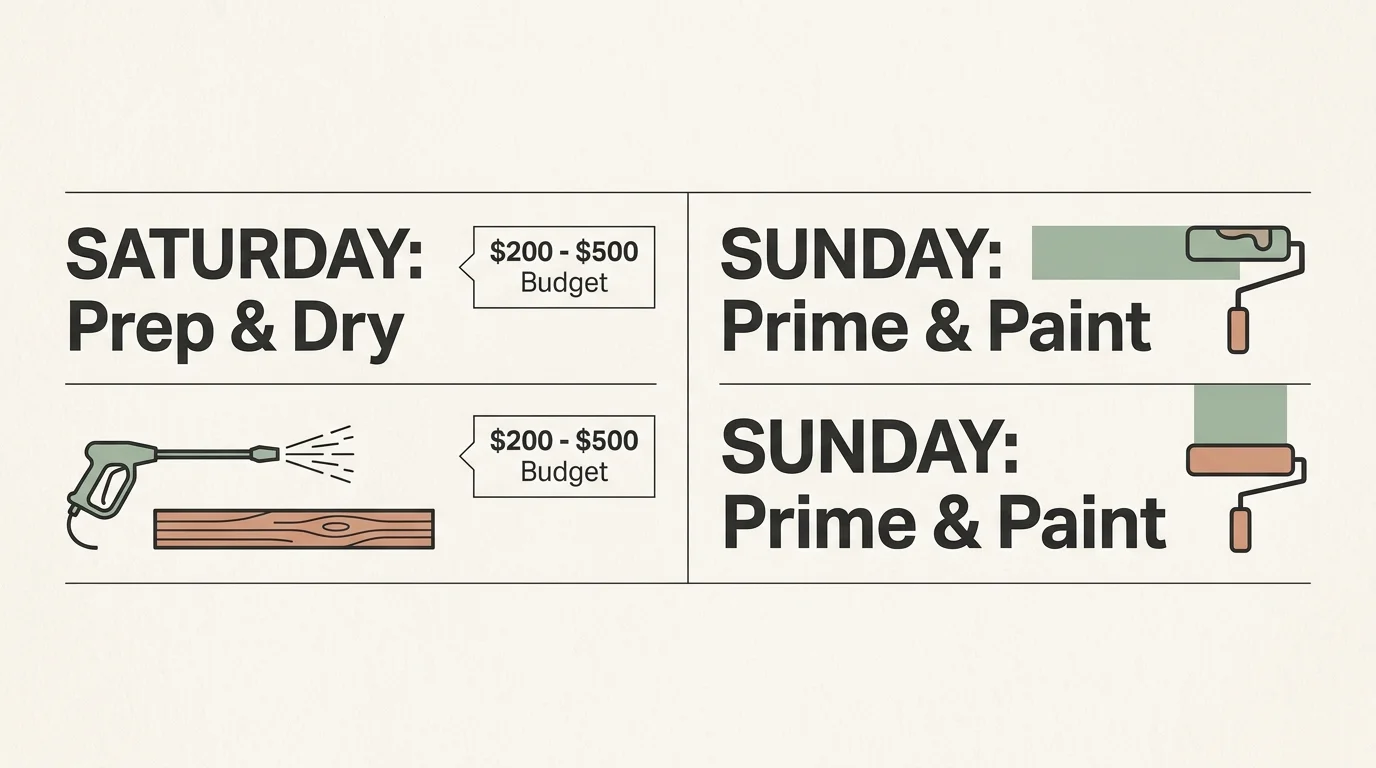
Before you buy gallons of exterior paint, you need a realistic view of the budget, timeline, and required skill level. Painting or staining a fence requires moderate DIY skills; the physical endurance to handle repetitive motions matters far more than technical expertise. You can expect to spend between two and five hundred dollars on premium materials, depending on your yard size and whether you need to purchase a paint sprayer. Timeline-wise, dedicate a full weekend to this project. You must allocate Saturday for thorough cleaning and prep work, allowing the wood to dry completely before you apply primer and paint on Sunday. Rushing the drying phase guarantees premature peeling, so patience remains your most valuable asset.
Three-Phase Fence Painting Framework
Phase One: Preparation and Cleaning
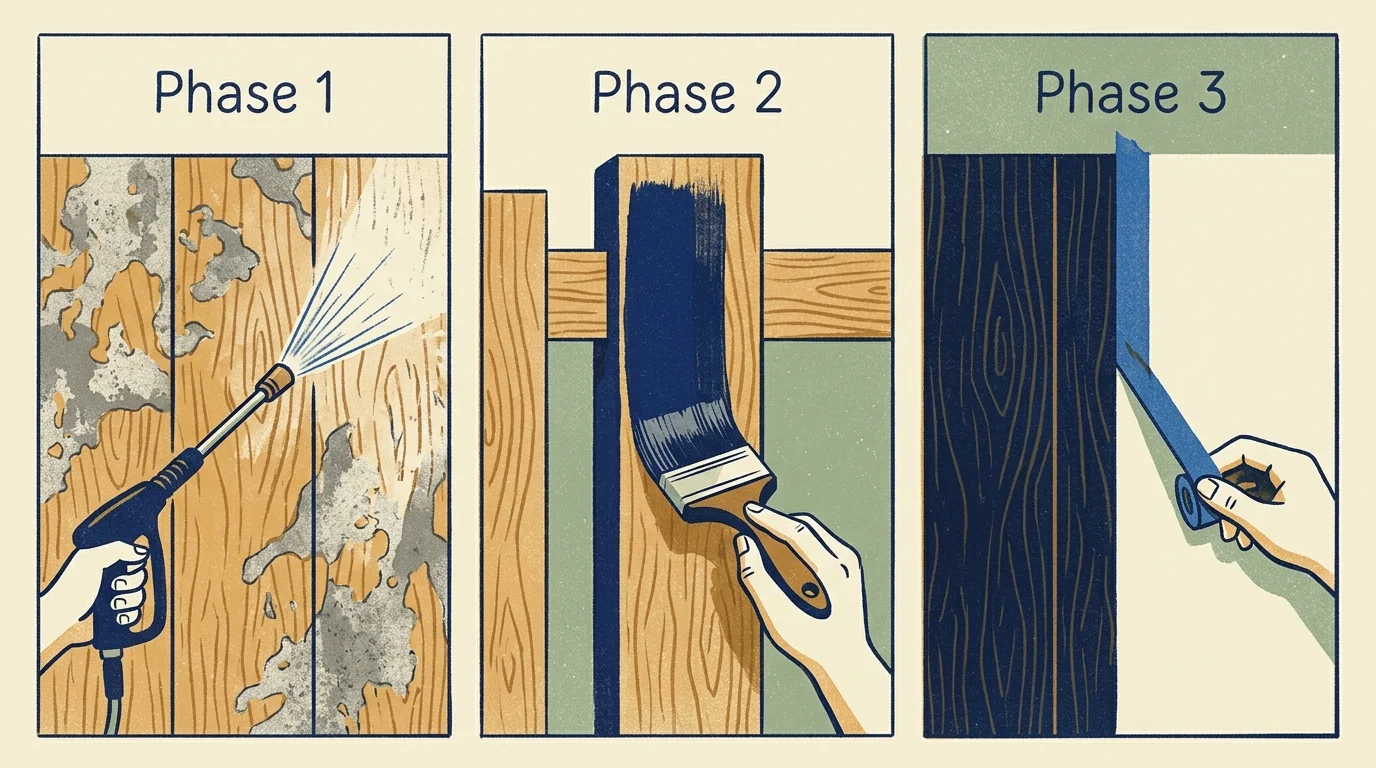
Proper adhesion depends entirely on how meticulously you clean the wood. Start by clearing all debris, lawn furniture, and potted plants away from the fence line. You must protect your landscaping; lay heavy canvas drop cloths over nearby shrubs and delicate flowers. According to experts at the Penn State Extension, covering plants with breathable materials prevents chemical burns and physical damage during home maintenance projects. Next, wash the fence thoroughly. You can use a pressure washer equipped with a wide-angle nozzle to strip away gray wood fibers, mildew, and old flaking paint. Keep the wand moving to avoid gouging the soft cedar or pine. If you do not own a pressure washer, a stiff bristle brush and a dedicated wood deck cleaner work just as effectively—they simply require more elbow grease. Allow the fence to dry for at least forty-eight hours before moving to the next step.
Phase Two: Priming and Execution
Once the wood feels completely dry to the touch, you can begin the application process. Always start with a high-quality, exterior-grade primer if you are applying solid paint over bare wood; primer blocks tannins from bleeding through and ruining your pristine finish. When applying the color, you have three primary methods: brushing, rolling, or spraying. An airless paint sprayer offers the fastest coverage for long, sprawling fences, but it requires careful masking to prevent overspray from hitting your house or your neighbor’s property. If you choose to spray, follow closely behind with a wide brush to push the paint deep into the wood grain—a technique known as back-brushing. This crucial step forces the protective coating into every crevice, ensuring a durable, weather-resistant barrier. Work in small sections, moving from top to bottom, and maintain a wet edge to prevent unsightly lap marks.
Phase Three: Finishing Touches
After completing the final coat, resist the urge to immediately peel away your masking tape and protective coverings. Allow the paint to cure until it feels tacky rather than wet, which usually takes an hour depending on ambient humidity. Score the edge of your painter’s tape with a utility knife before pulling it away at a forty-five-degree angle; this prevents the tape from lifting your fresh paint. Inspect the entire fence line for drips, runs, or thin spots, touching them up lightly with a small brush while the surrounding paint remains workable. Finally, clean your sprayers, rollers, and brushes thoroughly with warm soapy water for latex products or mineral spirits for oil-based stains, ensuring your tools remain in top condition for your next weekend project.
Styling and Personalization: 14 Best Backyard Fence Colors
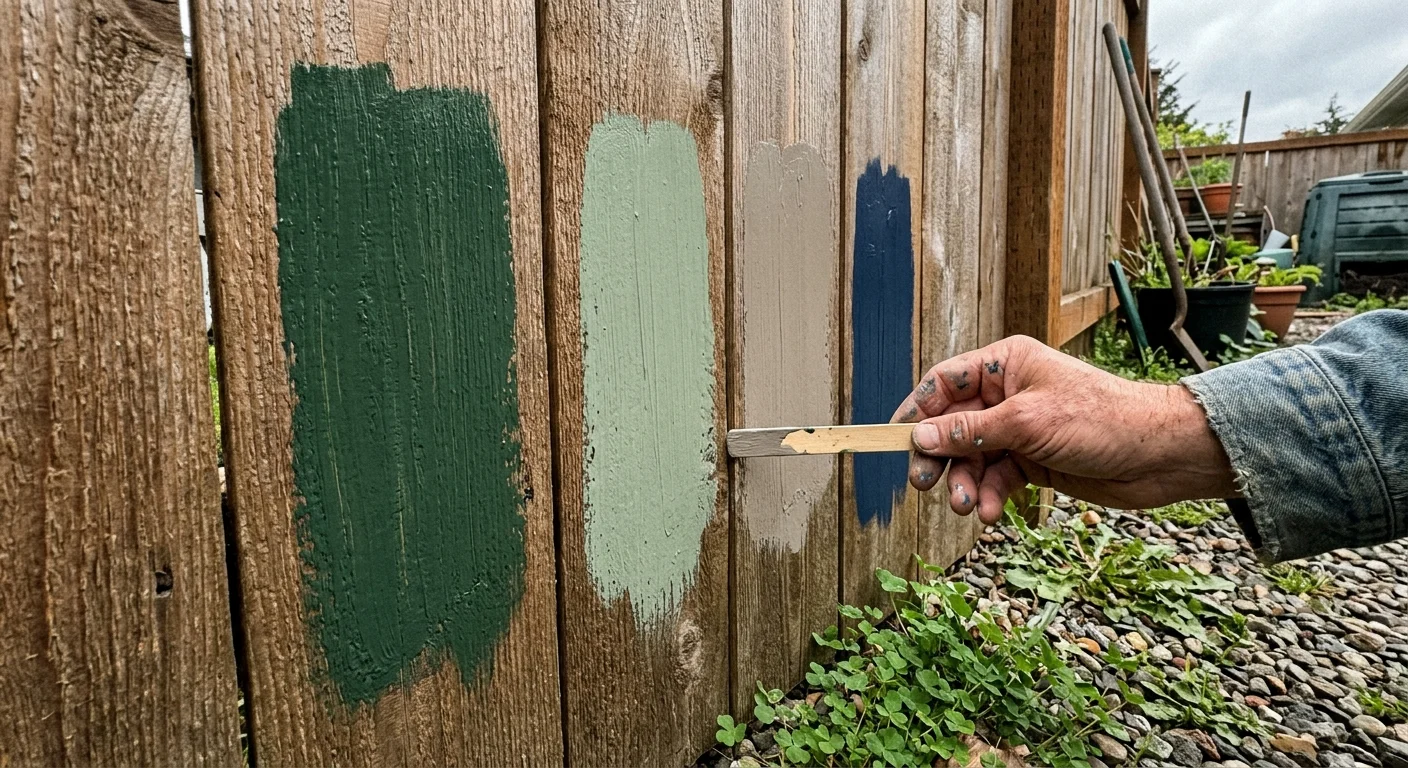
Now that you understand the mechanics, you can focus on the aesthetics. Your fence occupies massive visual real estate; treating it as a deliberate design element instantly elevates your outdoor decor. Designers featured on HGTV regularly demonstrate how unified exterior color palettes create high-end, custom-looking spaces.
1. Classic Bright White
A crisp white fence stands as the ultimate symbol of traditional architecture. This highly reflective color beautifully frames colorful flower beds and makes green lawns pop with vibrant contrast. White finishes demand rigorous upkeep, as they eagerly display mud splashes, grass clippings, and mildew. If you commit to regular power washing, a bright white boundary delivers unmatched classic charm and instantly brightens shady perimeters.
2. Charcoal Black
While painting a fence black might sound intimidating, this deep shade acts as a magical backdrop for lush landscaping. Dark colors make boundaries recede visually, creating the illusion of a larger, endless garden. Trendsetters highlighted in Architectural Digest frequently utilize black exterior accents to achieve striking, modern curb appeal. Charcoal black requires high-quality, UV-resistant paint to prevent premature fading under harsh summer sunlight.
3. Slate Grey
If charcoal feels too dramatic and white feels too bright, slate grey offers the perfect neutral bridge. This sophisticated tone complements both modern and historic home exteriors, tying together natural stone patios and brushed metal outdoor furniture. Grey effectively hides dust and water spots, making it a low-maintenance favorite for busy homeowners who want high style without constant scrubbing.
4. Hunter Green
For those who want their fence to disappear entirely into the surrounding foliage, hunter green provides the ideal camouflage. This deep, earthy shade blurs the line between your constructed boundary and your living landscaping. It works beautifully in heavily wooded lots or lush, overgrown cottage gardens, allowing your prized blooming perennials to command all the visual attention.
5. Navy Blue
Navy blue injects a dose of tailored sophistication into your backyard design. This rich, nautical tone pairs exceptionally well with warm wood decking, brass light fixtures, and white patio trim. Navy offers a slightly softer alternative to black while maintaining a moody, elegant presence that feels distinctly upscale.
6. Warm Cedar Stain
Sometimes, the best color comes from enhancing what nature already provided. A high-quality, semi-transparent warm cedar stain protects the wood while allowing the natural grain to shine through. This classic choice suits rustic, farmhouse, or woodland aesthetics. Keep in mind that stains penetrate the wood rather than sitting on top, meaning you must reapply them every few years to maintain their water-repellent properties.
7. Rich Mahogany
For a deeper, more luxurious wood tone, rich mahogany stain delivers warm, red-brown undertones that instantly elevate basic pine or spruce fencing. This opulent hue mimics the look of expensive tropical hardwoods, adding a sense of warmth and permanence to your outdoor living space. It contrasts beautifully with cool-toned concrete patios and modern gray exterior siding.
8. Sage Green
Soft, muted sage green creates a calming, organic atmosphere in any backyard setting. This earthy pastel ties easily into vegetable gardens, natural stone pathways, and bohemian decor styles. Sage green feels highly approachable and relaxed; it adds intentional color without overwhelming the senses, making your patio feel like a private, peaceful retreat.
9. Barn Red
Embrace bold, rural charm with a striking barn red fence. This vibrant, traditional color makes a massive statement and pays homage to classic agricultural architecture. Barn red looks particularly stunning against crisp white home exteriors and winter snowscapes. Because red pigments fade notoriously fast in direct sunlight, you must invest in premium acrylic paint to ensure longevity.
10. Greige
Combining the best traits of grey and beige, greige offers a warm, highly versatile neutral that adapts to almost any design style. It feels less sterile than pure grey and more updated than traditional tan. Greige harmonizes with brick exteriors and natural timber accents, making it a foolproof choice if you plan to sell your home and need a universally appealing aesthetic.
11. Crisp Mint
If you want to inject playful, retro energy into a courtyard or patio enclosure, crisp mint delivers unexpected delight. This cheerful pastel works brilliantly in mid-century modern designs and tropical-themed outdoor spaces. Because mint commands significant visual attention, consider using it strictly on an accent fence or a small privacy screen rather than bordering your entire property.
12. Espresso Brown
Deep espresso brown provides a grounding, earthy alternative for those who find black too severe. This dark, rich tone mimics the look of aged, weathered hardwoods and anchors your outdoor space with traditional elegance. Espresso beautifully highlights brightly colored outdoor cushions, umbrellas, and vibrant ceramic planters.
13. Soft Butter Yellow
Brighten up perpetually shady backyards with a soft butter yellow fence. This cheerful, welcoming hue radiates warmth and mimics the feeling of natural sunlight, even on overcast days. Butter yellow pairs perfectly with cottage-style gardens overflowing with blue hydrangeas, purple lavender, and climbing white roses.
14. Dusty Blue
Channel coastal, seaside energy with a subtle dusty blue. This calming, muted tone feels light and airy, immediately relaxing anyone who steps onto your patio. Dusty blue works exceptionally well alongside whitewashed brick, weathered teak furniture, and tall ornamental grasses that sway gently in the breeze.
Troubleshooting and Upkeep
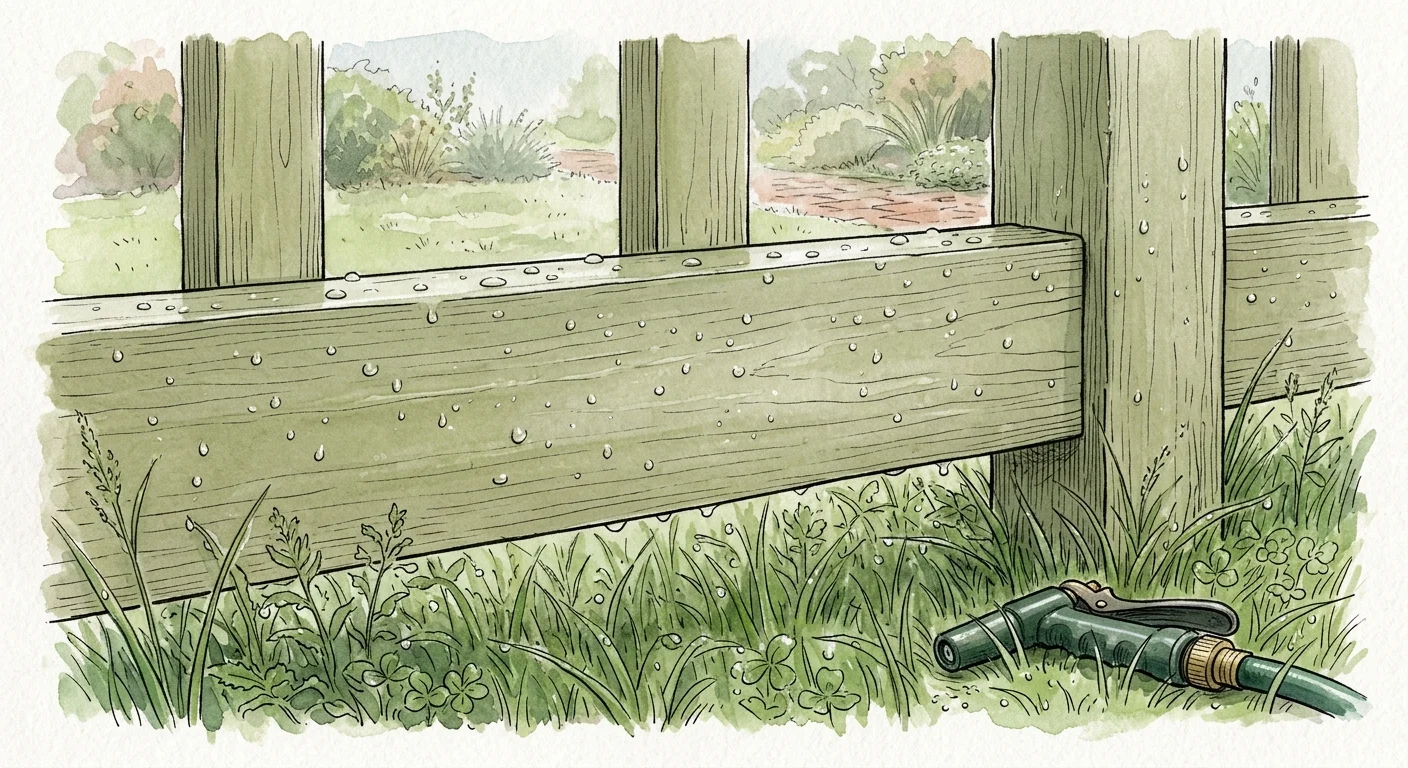
Even the most carefully applied paint jobs encounter issues over time. If you notice yellow or brown stains bleeding through your light-colored paint, you are experiencing tannin bleed; you must spot-treat these areas with a stain-blocking oil-based primer before repainting. Peeling and bubbling usually indicate moisture trapped behind the paint film, often caused by painting before the wood was entirely dry. To fix this, scrape the loose paint away, sand the edges smooth, dry the area completely, and touch up the patch. For routine maintenance, wash your fence annually using a gentle garden hose and a soft brush rather than a high-pressure wash, which can easily strip the finish. Touching up scuffs and lawnmower dings promptly prevents moisture from infiltrating the raw wood beneath.
Frequently Asked Questions
What tools provide the best coverage for a wooden fence?
Airless paint sprayers offer the fastest and most uniform coverage, especially for rough-sawn wood that snags roller covers. However, spraying requires extensive masking and ideal weather conditions. If you prefer manual tools, use a thick-nap roller to apply the bulk of the paint, followed immediately by a wide, stiff-bristled brush to work the product deeply into the wood grain. This combination ensures thorough protection and a smooth, professional finish.
How do you choose between exterior paint and solid stain?
Exterior acrylic paint creates a durable, film-forming barrier on top of the wood, offering maximum color saturation and long-lasting UV protection. It requires a primer and eventually peels if moisture breaches the surface. Solid stain, conversely, penetrates the wood fibers while depositing heavy pigment. It rarely peels or blisters, making it easier to recoat, but it typically fades faster than high-quality paint. Choose paint for a smooth, vibrant finish, and solid stain for textured, low-maintenance longevity.
Where should you source materials to ensure color consistency?
You should purchase your exterior coatings from dedicated paint retailers rather than big-box hardware stores whenever possible. Specialty stores cycle through their inventory quickly, ensuring fresh product, and they utilize high-end tinting machines that guarantee precise color matching across multiple gallons. Consult resources like Consumer Reports to identify top-performing brands, and always buy your paint in five-gallon buckets so you can mix it together in one large batch, a process called boxing, which eliminates minor color variations.
How do you adapt dark fence colors for small backyards?
Many homeowners fear dark colors will make a small yard feel claustrophobic, but black or navy fences actually create visual depth by causing the boundaries to blur into the background. To balance the dark perimeter, incorporate abundant bright, variegated plants and install adequate landscape lighting to illuminate the space at night. Additionally, according to the Department of Energy, utilizing lighter-colored paving materials nearby can reflect light and keep the surrounding patio area feeling bright and thermally comfortable.
Transform Your Backyard Today
Upgrading your backyard fence stands as one of the most rewarding exterior projects you can tackle over a long weekend. You possess the knowledge to properly prepare the surface, select the perfect application method, and troubleshoot common issues with confidence. Whether you crave the sophisticated depth of charcoal black, the rustic warmth of cedar, or the cheerful pop of dusty blue, your ideal color awaits. Gather your supplies, check the weather forecast, and start transforming your faded boundary into a stunning architectural feature that maximizes your home’s curb appeal.