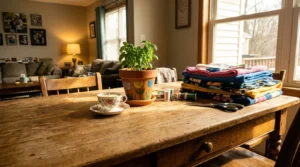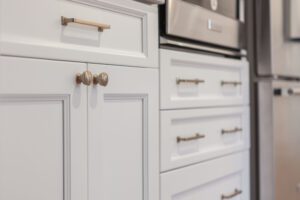
Deciding whether to sell your family house requires evaluating hidden financial pitfalls that often make relocating far more expensive than modifying your current property. You will discover how to calculate the true costs of moving, identify budget red flags, and determine if upgrading your existing space protects your senior finances. Retirees frequently assume a smaller footprint guarantees lower monthly expenses; however, skyrocketing mortgage rates, closing costs, and the hefty price tags of essential accessibility renovations quickly erode those anticipated savings. By examining these six critical indicators, you can confidently decide whether to invest your energy into downsizing your home or updating your current layout for a comfortable, secure future.
Planning Snapshot: Assessing Your Retirement Housing Reality
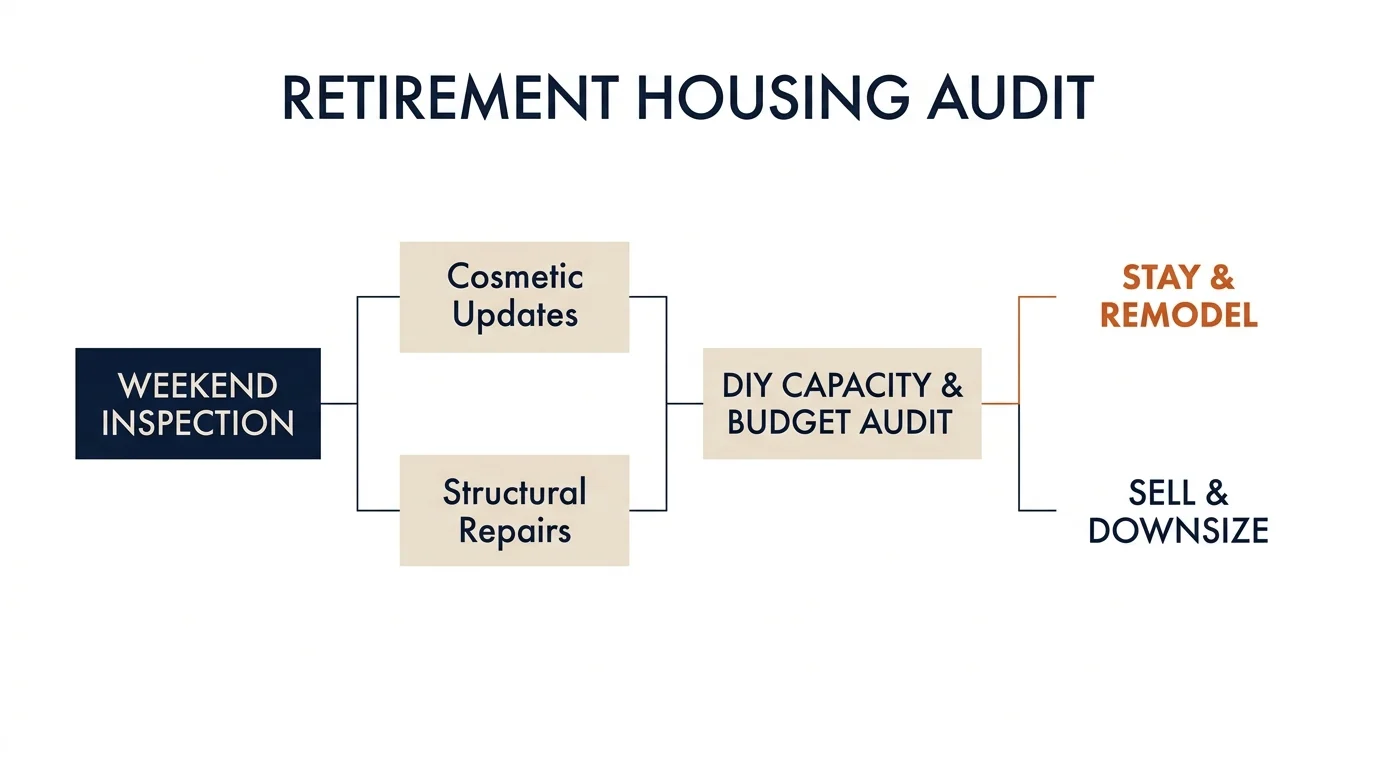
To accurately gauge your retirement planning trajectory, you must treat the decision to move or stay as a massive home improvement project. Before tearing down walls or packing boxes, you need a solid grasp of your budget, your expected timeline, and your personal DIY skill level. Evaluating your current property requires a weekend of thorough inspection and a realistic financial audit. You will spend a few days walking through every room, noting which spaces need cosmetic updates and which demand heavy-duty structural repairs. Your budget dictates whether you can absorb the exorbitant costs of preparing a property for the real estate market or if those funds better serve an aging-in-place remodel. If your DIY skills lean toward basic painting and minor fixture swaps, taking on a whole-house flip just to sell might overwhelm your timeline and your wallet. Understanding these baseline metrics ensures you do not blindly commit to moving when staying put provides the most practical and economical path forward.
Phase One: Preparation and Assessing the Six Signs
The preparation phase of any major life transition involves intense scrutiny of the physical and financial hurdles ahead. When analyzing your downsizing retirement options, you must look out for specific red flags indicating that staying and modifying your home is the smarter choice.
Sign 1: Pre-Sale Repairs Drain Your Renovation Budget
You might think listing your home requires just a fresh coat of paint, but buyers demand turnkey perfection. If you walk through your house and see failing siding, outdated electrical panels, and a roof nearing the end of its lifespan, bringing the property up to market standards will devour your savings. When you factor in the soaring costs of lumber, copper wiring, and professional labor, completing these heavy-duty repairs quickly drains the funds you earmarked for your future. Rather than sinking tens of thousands of dollars into a house you plan to leave, you can redirect that capital toward adapting the home for your own long-term comfort. A sensible prep phase involves prioritizing projects that benefit your daily life rather than impressing a picky buyer.
Sign 2: Current Mortgage Rates Outpace Your Equity
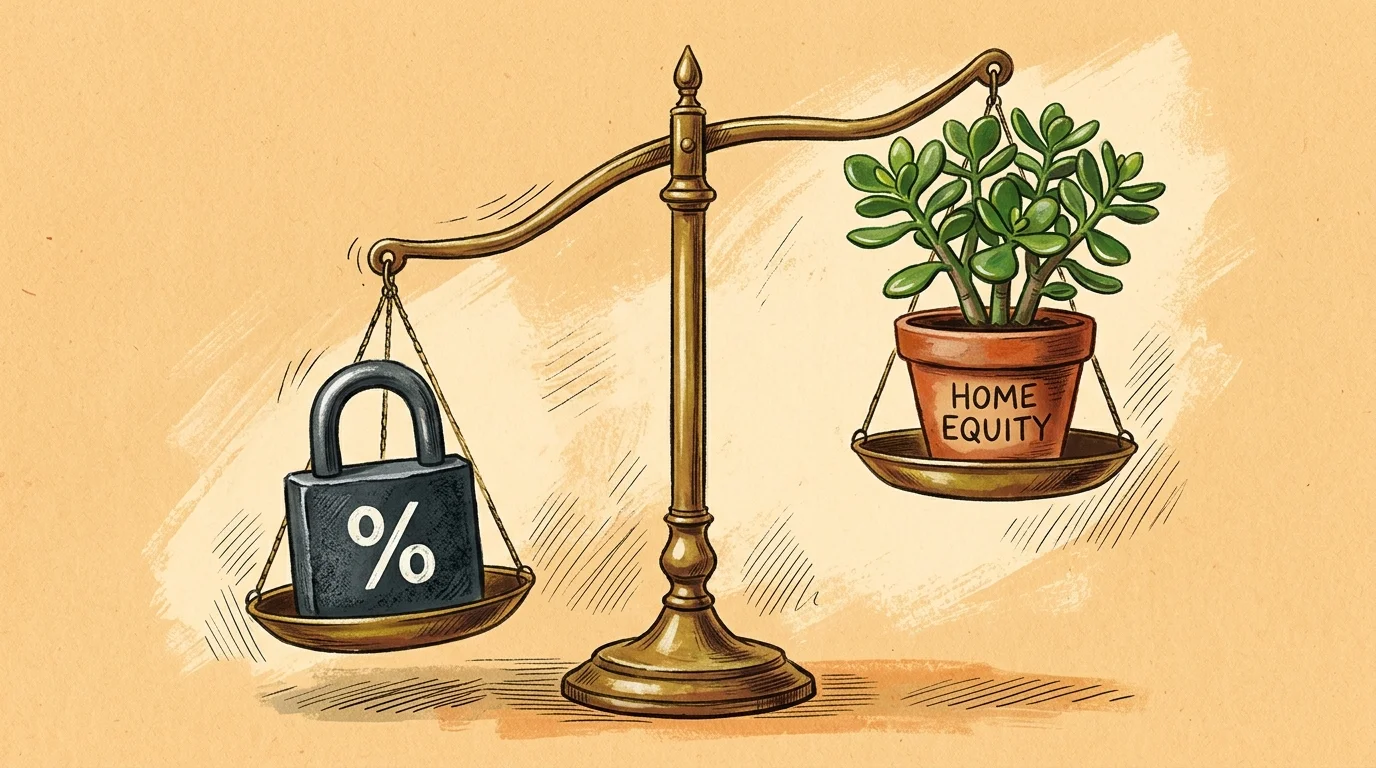
Trading a paid-off family home for a smaller property often seems like a brilliant retirement housing strategy until you encounter current lending rates. You might secure a tidy profit from selling, but financing even a modest townhouse at inflated interest percentages creates a suffocating monthly obligation. You end up trading a low or nonexistent mortgage for a smaller space that costs significantly more to carry each month. When you run the numbers and realize a smaller footprint equals a super-sized monthly payment, you have found a glaring sign that moving makes little financial sense. Staying put allows you to leverage your existing equity for targeted home improvements rather than handing those funds over to a bank.
Sign 3: You Cannot Finance New Accessibility Upgrades
Moving into a smaller house does not automatically mean the new space is safe for aging in place. Many condos and townhouses feature narrow doorways, steep entry stairs, and microscopic bathrooms that require total gut jobs to accommodate mobility aids. If the reality of a downsizing home transition leaves you with no remaining budget to widen hallways, install zero-threshold showers, and reinforce walls for heavy-duty grab bars, you simply cannot afford the move. Upgrading a newly purchased, cramped bathroom with proper blocking and slip-resistant tile often demands advanced plumbing and carpentry skills that go beyond weekend DIY capabilities. If your budget cannot handle these mandatory safety upgrades, staying in your current, familiar space proves much safer.
Sign 4: The Hidden Costs of Relocating Consume Your Profit
Relocating involves an avalanche of hidden expenses that quickly erode the financial benefits of a smaller home. You must account for real estate agent commissions, staging furniture, professional deep cleaning, and the physical act of hiring movers. These logistical costs often slice a massive percentage off your sale price, leaving you with far less cash than you projected. Once you calculate the staging expenses and closing fees, you might discover that the money lost in the transaction could have easily funded a luxurious, main-floor master suite addition in your current home. Keeping your wealth tied to your existing property rather than squandering it on moving logistics represents a cornerstone of smart retirement planning.
Sign 5: Your Existing Layout Easily Supports First-Floor Living
Take a critical look at the current footprint of your house. If you already possess a main-floor bedroom, an accessible full bathroom, and a laundry room on the ground level, your property holds immense untapped potential. Downsizing a home often stems from the desire to avoid stairs, but if your existing architecture allows you to live entirely on one level, leaving becomes an unnecessary expense. You can easily repurpose an underutilized dining room into a stunning, accessible master suite using straightforward framing and drywall techniques. Recognizing the inherent flexibility of your current floor plan proves that you do not need to abandon your property to achieve a comfortable, single-story lifestyle.
Sign 6: Your Energy Better Serves a Stay-in-Place Remodel
The physical and emotional toll of packing up decades of memories, coordinating a cross-country move, and navigating a volatile housing market requires immense stamina. If the mere thought of organizing an estate sale and negotiating with buyers exhausts you, your energy is far better spent on a measured, manageable stay-in-place remodel. Tackling one room at a time allows you to control the chaos, set your own pace, and utilize your DIY skills without the crushing pressure of a closing date. You can methodically upgrade lighting fixtures, install comfort-height toilets, and swap out finicky cabinet knobs for ergonomic pulls on your own schedule.
Phase Two: Executing a Stay-in-Place Renovation Strategy
When the financial realities dictate that staying put is your best option, you must pivot to executing a comprehensive remodeling strategy. The execution phase requires turning your current house into a safe, energy-efficient haven. You should begin by addressing the building envelope to lower your monthly utility bills. Upgrading your attic insulation and sealing drafty windows drastically reduces energy consumption, freeing up cash for interior aesthetic upgrades. For authoritative guidance on choosing the right insulation R-values and weather-stripping materials, you can consult the extensive homeowner guides provided by the Department of Energy to ensure your home performs at peak efficiency.
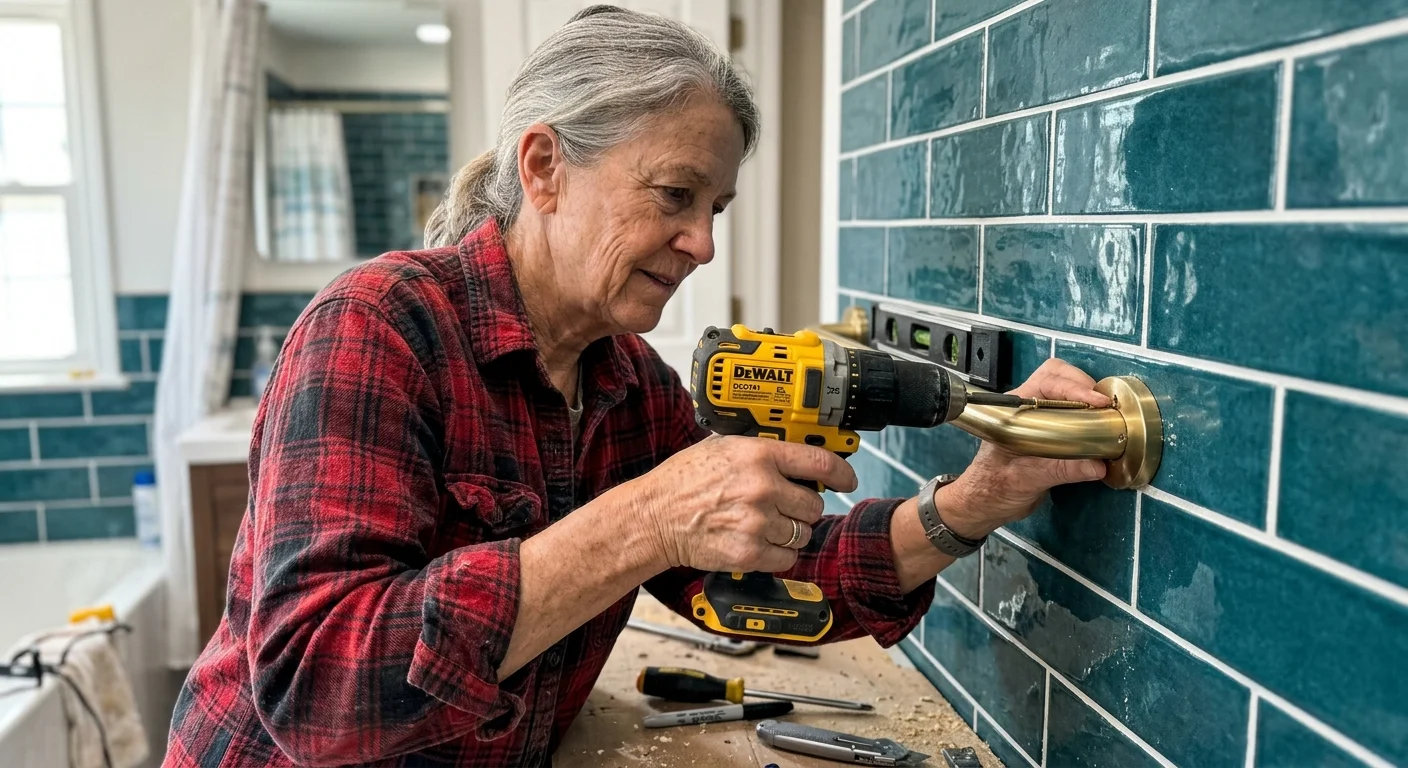
Once your home is sealed and efficient, shift your execution strategy to the most critical daily spaces: the kitchen and the bathroom. In the kitchen, focus on accessibility and ease of use. You can swap out deep, cavernous lower cabinets for full-extension pull-out drawers. This project requires precise measuring and basic drill skills, but it prevents you from awkwardly bending and reaching for heavy pots. In the bathroom, safety remains paramount. You must secure grab bars directly into wall studs, never relying on standard drywall anchors. A proper installation involves locating the studs with a high-quality magnetic finder, pre-drilling the holes, and driving heavy-duty lag screws to ensure the bar can support substantial weight. Weaving these safety and quality checkpoints into your renovation timeline guarantees that your modifications look professional while functioning flawlessly.

Phase Three: Styling and Personalization for Your Forever Home
Finishing your remodel involves far more than merely installing utilitarian safety features; you want your space to feel warm, inviting, and highly personalized. Aging in place does not mean your home must resemble a clinical hospital ward. You can elevate your surroundings by carefully selecting color palettes and textures that marry function with high-end design. High-contrast color schemes work exceptionally well for older eyes, allowing you to easily distinguish between walls, floors, and countertops. Consider pairing rich, dark baseboards with soft, light-reflective wall paints to create visual boundaries that naturally guide you through the house.
Texture plays an equally crucial role in both safety and style. When selecting flooring, you should bypass slick, polished tiles in favor of matte finishes or luxury vinyl planks with an embossed, wire-brushed texture that grips your feet. For cabinetry and furniture, tactile hardware like brushed brass cup pulls or leather-wrapped handles add a luxurious custom touch while remaining easy to grasp. You can find boundless inspiration for blending accessibility with breathtaking aesthetics by studying the featured homes in Architectural Digest, where top designers frequently prove that ergonomic spaces can look incredibly chic. By integrating deeply personal art, layered lighting, and comfortable, supportive textiles, you transform practical modifications into a gorgeous, curated retreat.
Troubleshooting and Upkeep for Aging in Place
No home improvement project ends the moment the paint dries; maintaining your updated space requires ongoing vigilance and proactive troubleshooting. One common pitfall hands-on homeowners face is neglecting the exterior maintenance once the interior feels comfortable. Overgrown landscaping and uneven walkways quickly become major tripping hazards. You must routinely inspect your exterior concrete paths for cracking or heaving caused by tree roots. If you spot a shift in the concrete, applying a heavy-duty masonry patching compound can level the surface before it causes an accident.
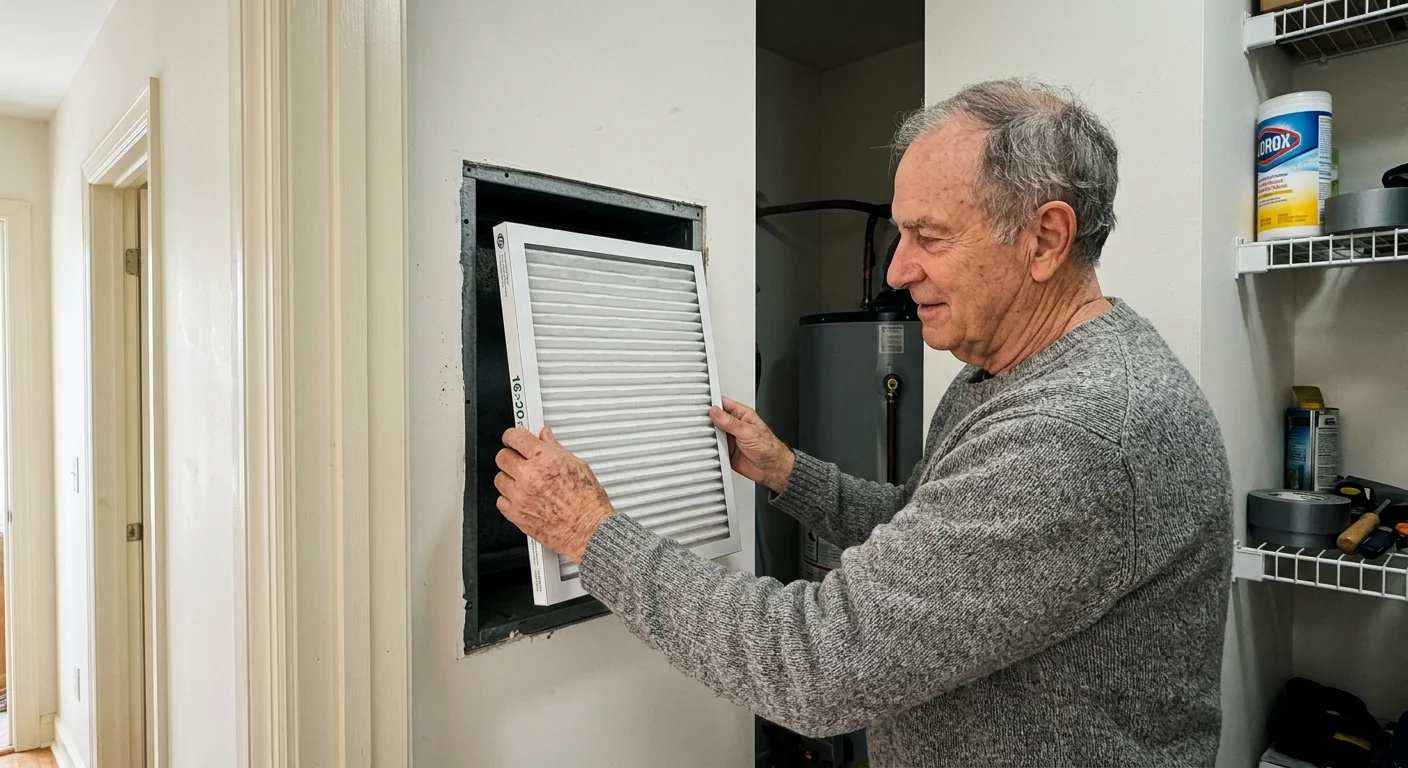
Another frequent issue involves the mechanical systems supporting your home. High-efficiency HVAC units and tankless water heaters require strict maintenance schedules to prevent sudden, costly breakdowns. You should make it a habit to flush your water heater annually and replace air filters every sixty days to ensure optimal indoor air quality. For regional advice on managing exterior upkeep, preventing soil erosion, and choosing native planting that requires minimal physical labor, you can look to local cooperative extension services. They provide brilliant, scientifically backed strategies for low-maintenance yard care, ensuring your forever home remains a safe, welcoming environment without breaking your back.
Frequently Asked Questions About Retirement Housing Projects
You might wonder what specific tools you need to begin preparing your home for long-term comfort. A well-stocked tool kit for aging-in-place modifications should include a robust cordless drill, a reliable stud finder, a digital level, and a variety of masonry and wood drill bits. These tools empower you to confidently tackle everything from securing heavy-duty grab bars to installing easily accessible shelving units.
Selecting the best materials for slip-resistant flooring often leaves homeowners feeling overwhelmed by options. Luxury vinyl plank stands out as an exceptional choice because it offers a softer underfoot feel than ceramic tile, resists water damage in kitchens and bathrooms, and features textured wear layers that significantly reduce slipping. Cork flooring provides another fantastic, eco-friendly alternative that naturally absorbs impact and provides excellent traction for those concerned about joint pain.
Finding affordable yet stylish plumbing fixtures without sacrificing quality requires strategic shopping. You should bypass the cheap, plastic-laden options at big-box hardware stores and instead source solid brass fixtures from dedicated plumbing supply houses or reputable online architectural salvage retailers. These heavy-duty fixtures often feature durable ceramic disc valves that prevent leaks and easily operate with a gentle push, making them ideal for stiff hands. You can also glean styling and sourcing tips from the experts at HGTV, who frequently highlight budget-friendly ways to achieve high-end bathroom aesthetics.
Adapting a remarkably tight space, such as a narrow hallway bathroom, presents a unique design challenge. You can maximize a small footprint by replacing traditional swinging doors with heavy-duty pocket doors or stylish barn doors mounted on reinforced exterior tracks. Removing the swing radius instantly frees up precious floor space, allowing easier navigation with mobility aids and making the room feel significantly larger without altering the home’s fundamental footprint.
Moving Forward with Confidence
Taking control of your future living situation requires absolute honesty about your financial resources and a willingness to rethink your everyday spaces. When you recognize that moving drains your savings faster than it reduces your expenses, you empower yourself to embrace the home you already love. Channeling your DIY enthusiasm into targeted, smart renovations provides a phenomenal return on investment and grants you the ultimate luxury of independent living. You possess the creativity, the tools, and the practical knowledge to transform your current property into a flawless forever home. Grab your tape measure, outline your budget, and start designing the beautifully adapted space you deserve today.