The 7 Overdone Kitchen Trends and Their Timeless Replacements
Trend 1: Stark All-White Kitchens and the Shift to Warm Wood Tones
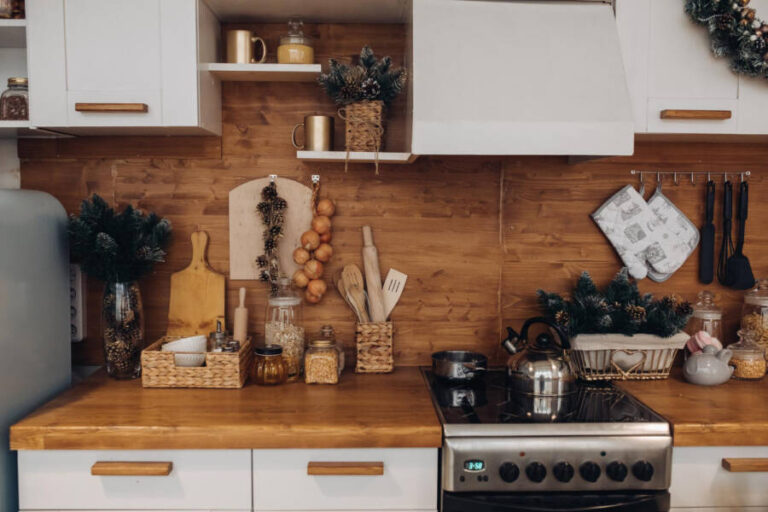
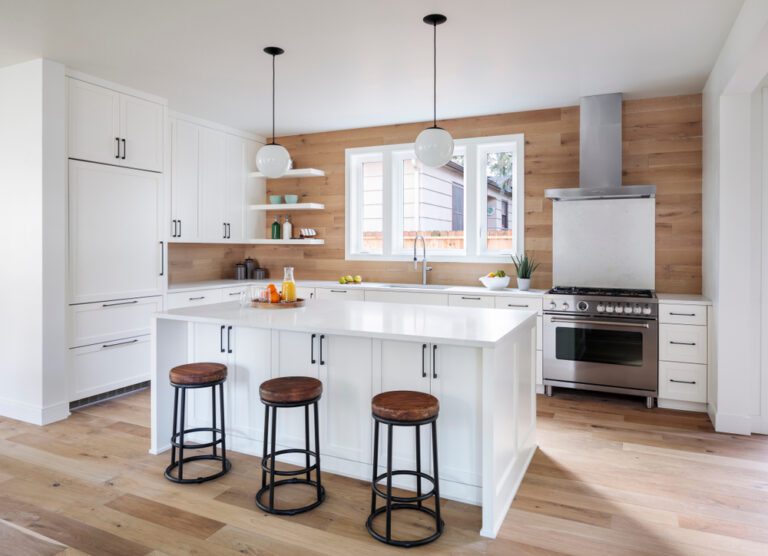
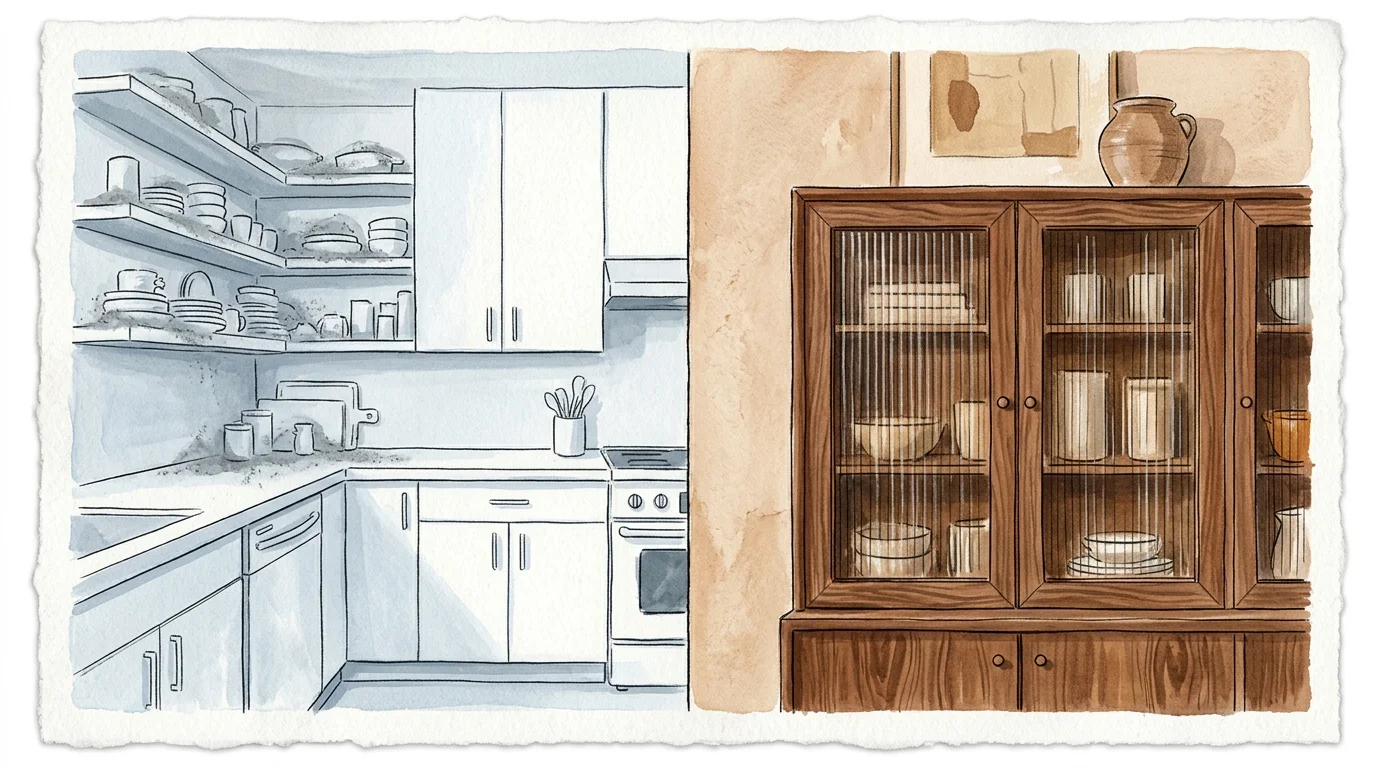
The clinical, all-white kitchen dominated interior design for the past decade, but industry professionals now view this monolithic palette as sterile and lacking personality. Homeowners report that keeping pristine white cabinets free of scuffs and grease feels like a second job. You can confidently leave this hospital-like aesthetic behind by introducing warm wood tones that ground the space with organic texture.
Walnut, white oak, and deeply stained ash cabinets offer rich grain patterns that hide minor imperfections while exuding warmth. If replacing all your cabinetry exceeds your current budget, you can execute a strategic two-tone transformation.
Consider sanding down your kitchen island and applying a protective natural wood stain, or install thick butcher-block floating shelves to break up a sea of white paint. Incorporating raw, natural wood elements immediately softens the room and creates a welcoming atmosphere that invites people to gather.
Trend 2: Impractical Open Shelving and the Return to Concealed Storage
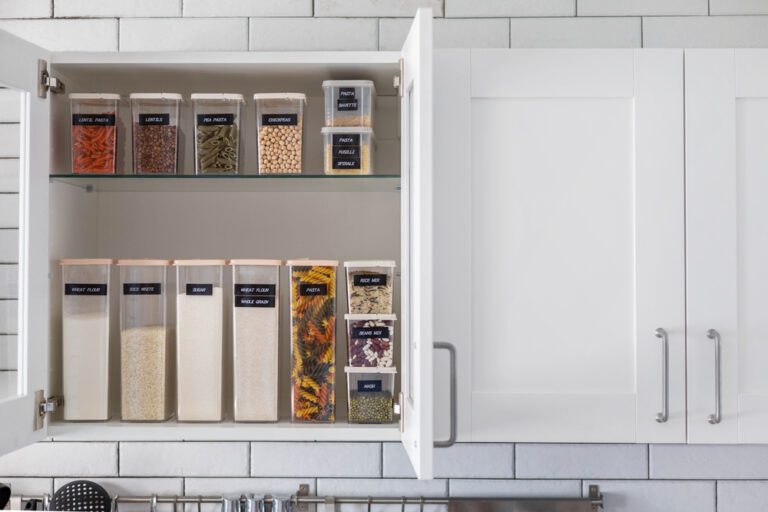
Design enthusiasts initially loved open shelving for its airy aesthetic, but the daily reality of dusting meticulously arranged bowls quickly exhausted homeowners. Constant exposure to cooking grease turns beautiful displays into sticky magnets for grime. Designers now champion the return to concealed storage, prioritizing highly organized, enclosed pantry walls that maximize vertical space without demanding constant curation.
You can achieve this streamlined look without making your kitchen feel heavy or closed off. Replacing solid wooden center panels on your upper cabinet doors with ribbed or fluted glass offers a perfect compromise.
The textured glass obscures the chaotic outlines of mismatched coffee mugs while reflecting light around the room. For guidance on creating sophisticated, balanced storage solutions that blend form and function, consult architectural resources like Architectural Digest, which consistently highlight the elegance of purposeful cabinetry design.
Trend 3: Matte Black Hardware Overload and the Pivot to Unlacquered Brass
Matte black finishes saturated the market so heavily that the look shifted from striking to standard almost overnight. Hardware acts as the jewelry of your kitchen design, and flat black pulls often create harsh visual interruptions against lighter cabinetry. The sophisticated replacement currently dominating high-end renovations is unlacquered brass.
Unlike heavily coated metals, unlacquered brass features a living finish that develops a unique, mottled patina over time through natural oxidation and daily touch. You can easily upgrade your space by unscrewing your current hardware and installing solid brass pulls.
Measure the center-to-center distance between existing drill holes with precise calipers before purchasing replacements; matching this measurement allows you to install the new hardware in minutes without breaking out the wood filler and drill. This simple metal swap elevates the entire room, injecting a sense of historic charm and quiet luxury.
Trend 4: Overly Ornate Range Hoods and the Move to Integrated Plaster
Oversized wooden range hoods featuring massive corbels, intricate molding, and heavy architectural details overwhelm average-sized kitchens. These bulky focal points consume valuable upper wall space and date a renovation instantly.
Modern kitchen remodeling favors integrated, minimalist range hoods that blend seamlessly into the surrounding drywall. You can tackle this architectural update by constructing a lightweight wooden frame over your existing mechanical vent insert and wrapping it in standard drywall. Finishing the structure with Roman clay or specialized joint compound creates a smooth, continuous surface that feels both earthy and modern.
Applying the finish with a flexible trowel allows you to control the texture, yielding a subtle, hand-troweled appearance that draws the eye upward without dominating the room. This integrated approach emphasizes clean geometry and makes ceilings appear taller.
Trend 5: Faux Distressed Farmhouse Details and the Rise of Transitional Elegance
The era of heavily distressed wood, overly rustic signage, and ubiquitous shiplap paneling has officially passed its expiration date. While the farmhouse style offered comfort, the faux-aged applications ultimately felt contrived and themed. Interior designers now guide homeowners toward transitional elegance—a sophisticated style that marries traditional architectural elements with crisp, modern lines.
You can eliminate dated farmhouse details by carefully prying off shiplap boards and patching the underlying drywall for a smooth, refined surface. Replace chunky rustic trim with classic beadboard or sleek flat-stock molding that offers subtle architectural interest.
If you want to understand how to balance these classic and contemporary elements seamlessly, industry platforms like HGTV provide excellent visual blueprints for transitional spaces. Upgrading your trim and smoothing your walls provides a timeless canvas that adapts easily to future design evolutions.
Trend 6: Tiny Subway Tile Backsplashes and the Popularity of Solid Stone Slabs
Standard three-by-six-inch white subway tile represents the ultimate safe choice, yet its sheer ubiquity makes it feel thoroughly uninspired today. Furthermore, the extensive network of grout lines requires constant scrubbing to prevent discoloration behind the stovetop. The industry pivot favors running the countertop material directly up the wall to create a dramatic, seamless stone slab backsplash.
While maneuvering heavy quartz or marble slabs typically requires professional fabrication and installation, you can achieve an identical aesthetic through clever DIY alternatives. Installing large-format porcelain tiles—often measuring two by four feet—drastically reduces the number of visible grout lines and closely mimics the sweeping veining of natural marble.
Utilizing a high-quality tile leveling system during installation ensures a perfectly flush surface, giving your kitchen that coveted high-dollar, continuous stone appearance without the exorbitant fabrication costs.
Trend 7: Matching Everything and the Embrace of Curated Eclecticism
Purchasing lighting, plumbing fixtures, and cabinet hardware in the exact same finish creates a rigid, catalog-showroom aesthetic. Spaces where every single metal matches perfectly lack depth and historical character. Curated eclecticism encourages mixing metal finishes strategically to build a layered, custom environment. You might combine a polished nickel kitchen faucet with unlacquered brass pendant lights and oil-rubbed bronze cabinet latches.
To execute this properly, you must establish one dominant metal finish that accounts for roughly seventy percent of the room, using a secondary metal for the remaining accents to provide visual contrast. If buying entirely new light fixtures strains your budget, you can use high-heat metallic spray paints to alter the finish of your existing pendants.
Gently scuffing the metal surface with fine-grit sandpaper prior to spraying ensures excellent paint adhesion and a durable, factory-like finish that perfectly complements your newly mixed scheme.