Upgrading your kitchen countertops transforms your living space faster than almost any other home improvement project, but selecting the right material requires balancing raw durability, daily maintenance, and personal style. Whether you prepare meals for a busy family or craft an eye-catching entertainment space, your surfaces must withstand scorching pans, accidental spills, and relentless daily wear. Most homeowners spend between $1,800 and $4,500 on total countertop replacement, making this a major investment where material failure carries real financial consequences. This comprehensive countertop material comparison ranks ten leading surface options by structural resilience and design flexibility, empowering you to execute your project with total confidence.

Planning Your Countertop Upgrade: Budget, Timeline, and Skill Level
Before purchasing samples or tearing out old surfaces, establishing clear parameters for your budget, timeline, and DIY capabilities prevents costly overruns. Countertop projects vary in complexity; swapping a prefabricated laminate surface represents an accessible weekend DIY undertaking, whereas installing natural stone slabs demands specialized lifting equipment and professional tooling. Total project spending averages between $1,800 and $4,500 ($3,100 to $3,250 average), though material choices dramatically shift final costs. Factoring in secondary expenses—such as sink cutouts, edge profiling, cabinet leveling, and plumbing reconnects—ensures your financial plan remains realistic.
Timeline considerations also dictate material choice. Prefabricated surfaces arrive ready for immediate trimming, letting you complete a refresh over a single weekend. Custom stone slabs require detailed digital templating after cabinet leveling, followed by a two to four-week fabrication window. Aligning expectations with these chronological realities ensures a smooth renovation experience without leaving your kitchen non-functional for extended periods.
The 10 Best Countertop Options Ranked for Durability and Style
Evaluating the most durable countertop materials requires examining how each option handles heat, impact, staining, and daily abrasion alongside its aesthetic appeal. Below, we rank ten leading options based on overall performance and style.
1. Quartzite
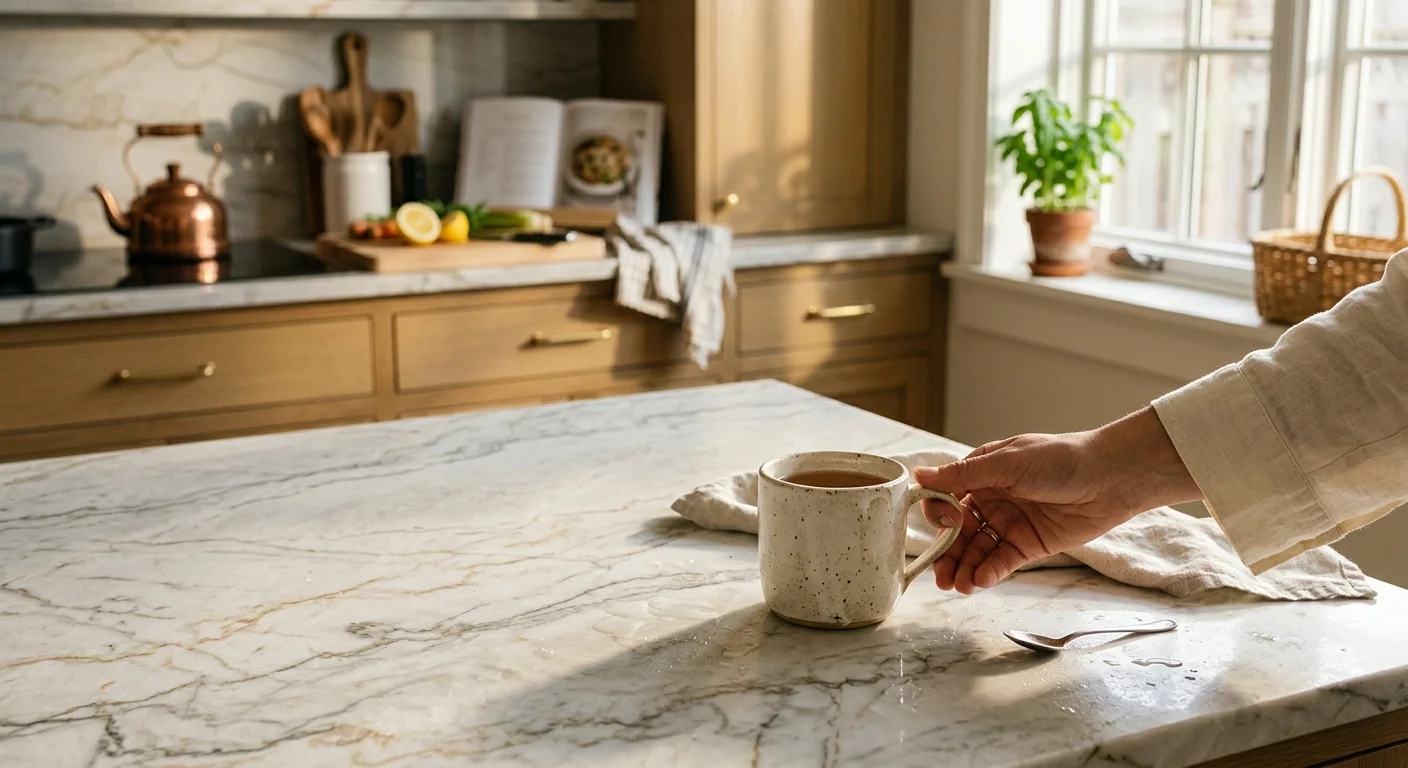
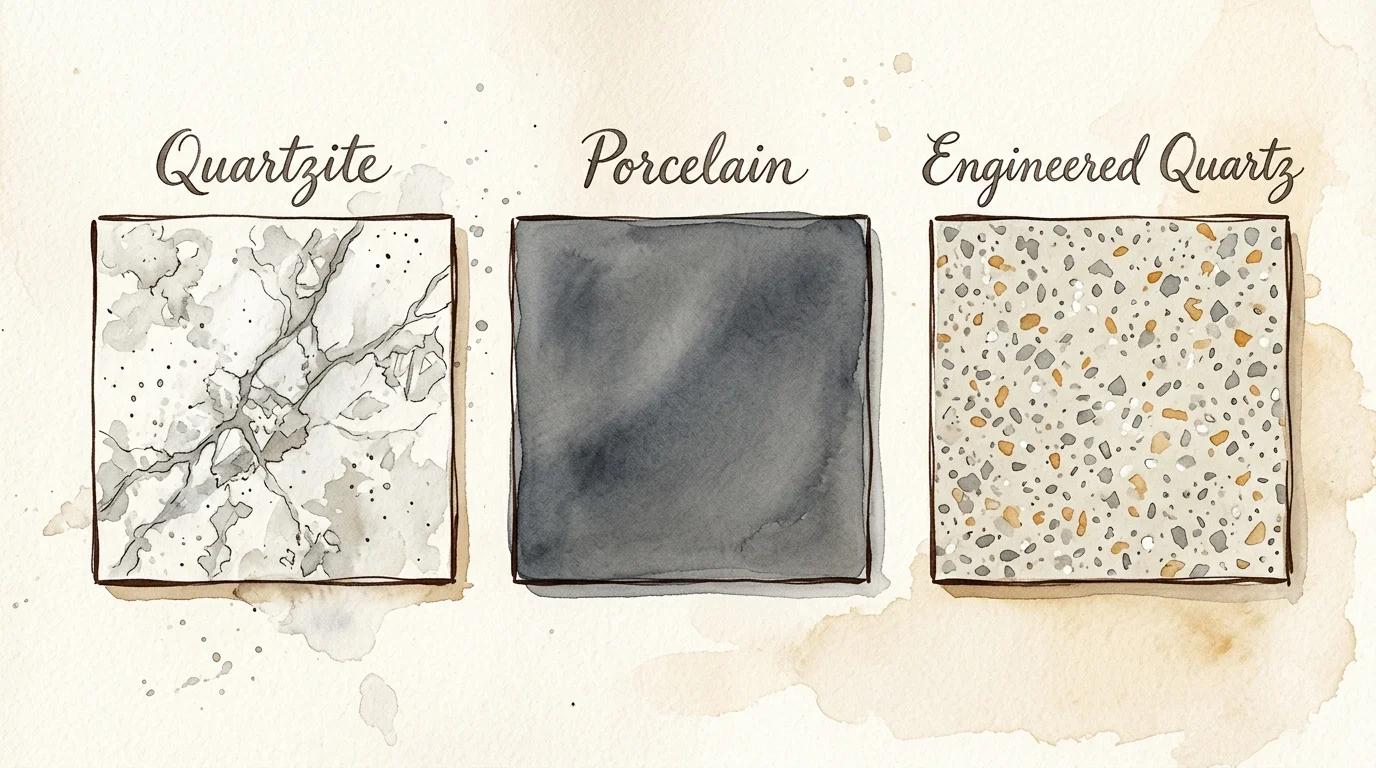
Quartzite earns our top ranking by combining the beauty of marble with superior physical hardness. Formed when sandstone undergoes intense heat and pressure underground, quartzite exceeds granite in scratch resistance and handles hot cookware effortlessly. Costing $80 to $200+ per square foot installed, quartzite serves as an elite surface for high-end performance. Recent National Kitchen & Bath Association research highlights quartzite as a fast-growing choice for custom kitchen remodels. Periodic sealing preserves its crystalline structure against oils and staining.
2. Porcelain and Sintered Stone
Porcelain slabs and sintered stone rank second for exceptional durability. Manufactured by firing natural clays and minerals at extreme heat, these non-porous slabs resist scratches, stains, UV light, and direct heat. Costing $60 to $120+ per square foot installed, porcelain contains zero synthetic resins, so hot pans will not scorch it. Furthermore, regulatory shifts—such as Australia’s ban on engineered stone effective July 1, 2024 (with an import ban January 1, 2025)—have accelerated global adoption of resin-free porcelain as a safer alternative.
3. Engineered Quartz
Engineered quartz ranks third, delivering stain resistance and design consistency. Made by bonding 90 percent crushed quartz with acrylic resins, quartz never requires sealing. Costing $50 to $150+ per square foot, quartz offers versatile patterns, though its resin binder makes it susceptible to heat damage from hot cookware. Fabrication requires strict silica dust safety controls; standards like Cal/OSHA workplace safety guidelines mandate wet-cutting methods and respirators to keep exposures below federal Permissible Exposure Limits.
4. Granite
Granite remains a gold standard for natural stone durability, taking fourth place. Available at $45 to $100+ per square foot installed, granite provides heat resistance, taking hot pots straight off the burner. Each granite slab features unique mineral patterns, providing authentic natural character. While granite resists chips and scratches exceptionally well, its porous nature demands annual sealing to block moisture, acidic juices, and cooking oils, ensuring long-term luster and moisture defense.
5. Soapstone
Soapstone takes fifth place thanks to its non-porous structure and thermal resistance. Composed largely of talc and magnesite, soapstone will not absorb liquids or food colors, eliminating chemical sealers. At $70 to $120 per square foot, soapstone offers a silky matte finish that deepens into a rich charcoal patina over time. While soapstone easily suffers minor surface scratches, you can buff out shallow marks with fine sandpaper and mineral oil treatments.
6. Solid Surface
Solid surface materials, such as Corian, earn sixth place by offering an integrated, seamless look. Ranging from $60 to $130 per square foot installed, solid surfaces consist of acrylic or polyester resins blended with mineral fillers. Because color runs uniformly throughout the slab, light scratches and stains can be sanded away by hand. Solid surface is hygienic and non-porous, though it requires trivets to prevent heat deformation from hot pans.
7. Stainless Steel
Stainless steel captures seventh place, delivering commercial hygiene and heat protection. Costing $80 to $150 per square foot, steel counters are non-porous, waterproof, and impervious to hot cookware or chemical spills. Coverage in Architectural Digest design archives highlights stainless steel in modern and industrial homes. However, steel scratches easily from utensil contact and shows fingerprints clearly, making it best suited for utilitarian prep zones.
8. Concrete
Custom concrete countertops secure eighth place for design customization and bold architectural presence. Ranging from $70 to $150 per square foot, concrete allows you to cast custom shapes, embed aggregates, or integrate drainboards. Concrete handles heat well, but its porous nature makes high-performance sealers essential to prevent deep staining from wine, coffee, or citrus. Additionally, concrete can develop hairline structural cracks over time as homes settle.
9. Wood and Butcher Block
Wood and butcher block take ninth place, bringing visual warmth and organic texture to your space. Available at $55 to $200 per square foot depending on species, butcher block creates a functional prep surface that protects knife edges. You can re-sand and oil wood surfaces repeatedly to fix cuts or stains. However, wood requires continuous maintenance with food-safe mineral oil and warps if exposed to standing water around sinks.
10. Laminate
Laminate closes our ranking at tenth place as the ultimate budget option. Costing $20 to $50 per square foot installed, modern laminate uses high-definition printing to convincingly mimic natural marble, granite, or wood patterns. While laminate resists surface spills, the plastic layer burns easily under hot cookware and scratches permanently from knives. Once moisture penetrates seams and causes swelling, complete replacement becomes necessary.
Complete Installation Framework: Prep, Execution, and Finishing
Executing a successful countertop replacement requires following a disciplined, three-phase framework. Skipping steps during initial preparation or rushing final adjustments compromises structural integrity and risks damaging expensive materials.
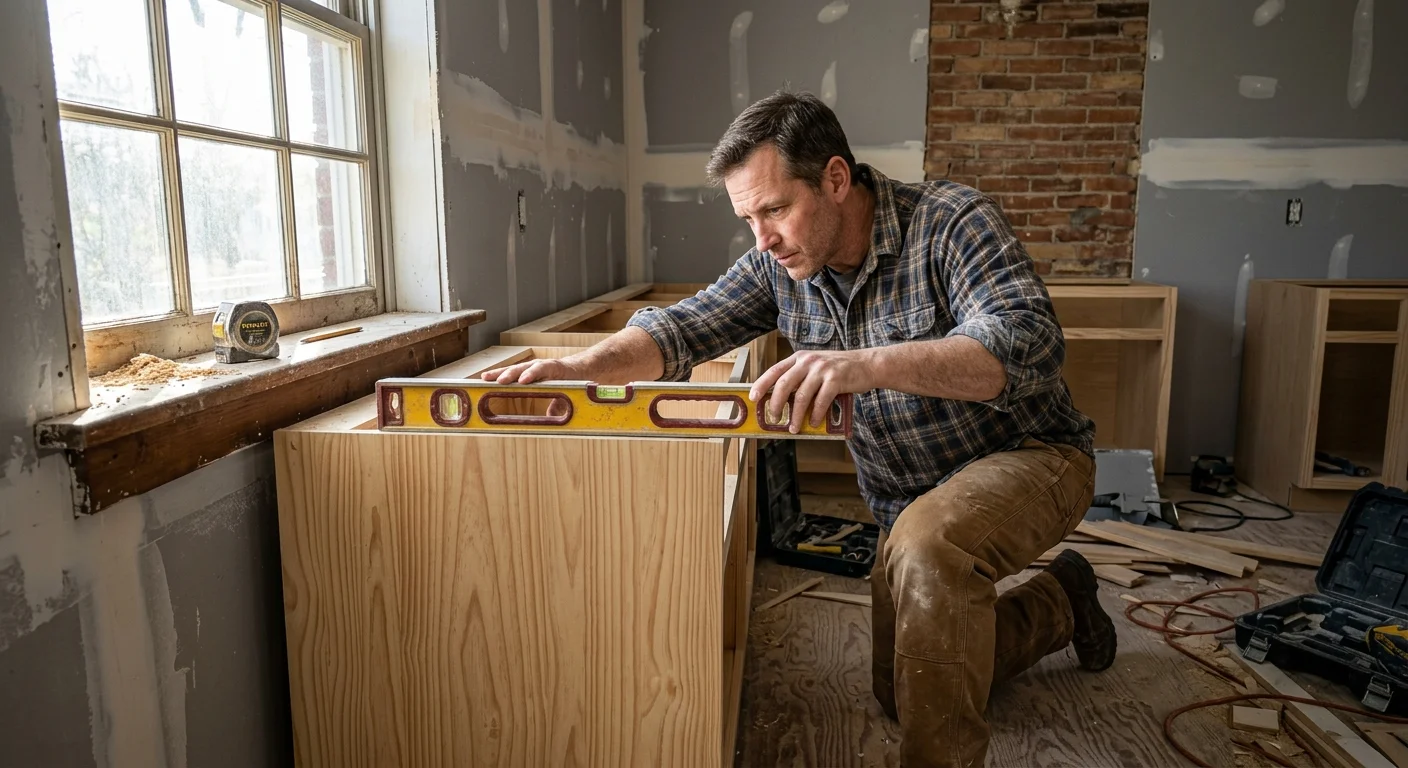
Phase one focuses on site preparation and precision measurement. Demolishing old countertops demands care so existing cabinetry, drywall, and plumbing lines remain undamaged. Once old tops are off, check your base cabinets using a level; cabinets must be shimmed flat within 1/16 inch across ten feet to prevent stress points in heavy stone slabs. Creating full-scale templates using thin plywood or corrugated plastic ensures sink and cooktop cutouts fit precisely during fabrication.
Phase two involves physical execution and careful material handling. Heavy stone slabs weigh between 18 and 25 pounds per square foot, requiring proper lifting techniques and helper support to avoid injury or cracked slabs. When dry-fitting slabs, check all perimeter gaps. If field trimming is required, follow guidance from HGTV home improvement guides by using continuous water feed grinders fitted with diamond blades, controlling dust while preventing edge chipping.
Phase three centers on structural anchoring, seam bonding, and finishing details. Join slab seams using color-matched two-part epoxy, securing joints with mechanical seam setters until cured. Mount undermount sinks using dedicated support harnesses rather than relying solely on silicone. Finally, apply penetrating sealers to natural stone, wire electrical outlets, and reconnect plumbing supply lines to complete your fully operational installation.
Design Trends, Texture, and Personalization
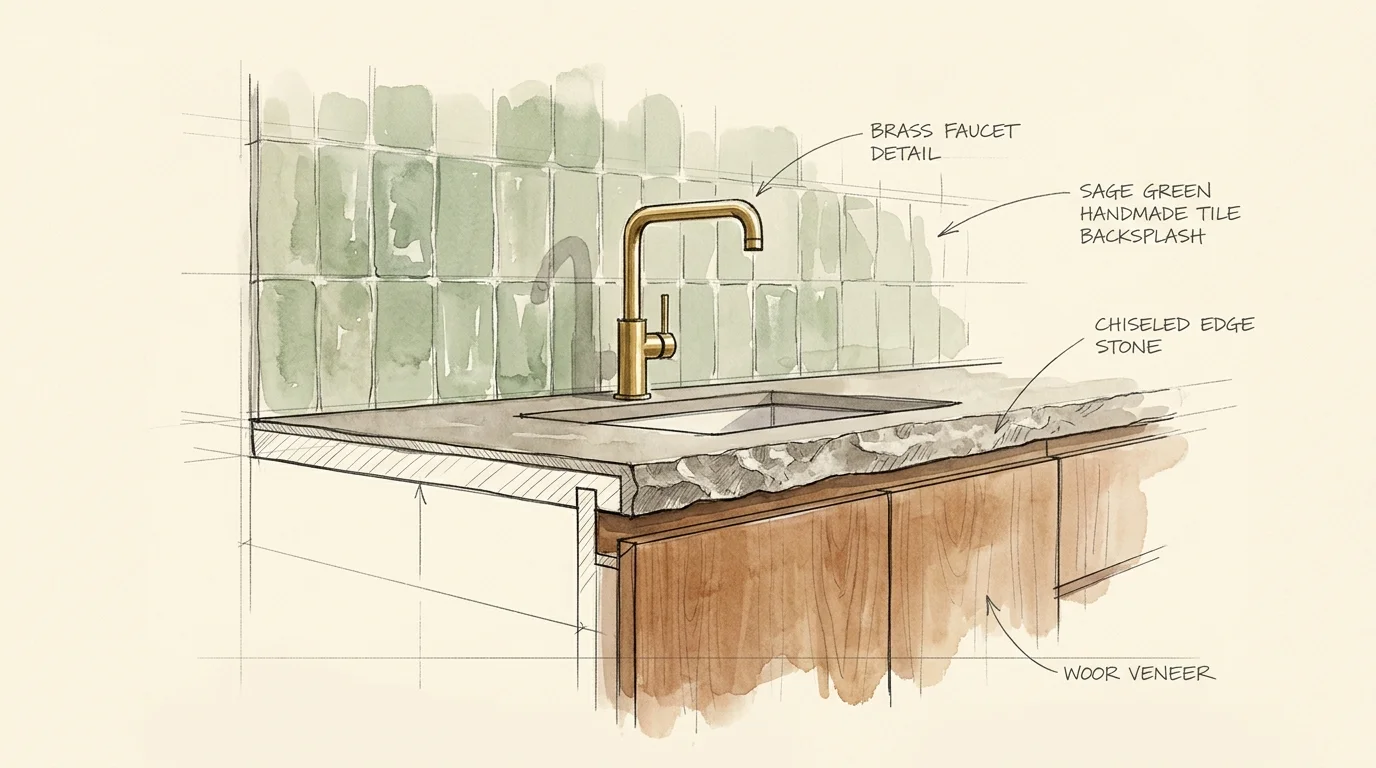
Personalizing your countertop choice goes beyond picking a material; color, texture, and layout decisions redefine your entire room’s visual impact. Design research from the National Kitchen & Bath Association reveals a shift away from all-white kitchens, with only 29 percent of homeowners choosing monochromatic white palettes. Instead, 71 percent opt for personalized spaces enriched with warm earth tones, natural stone veining, or contrasting island finishes that act as architectural focal points.
Texture plays a vital role in tactile enjoyment and light reflectivity. While polished finishes reflect light for a sleek look, honed or leathered textures mute reflections and mask minor surface wear. Layout choices further elevate design; 78 percent of kitchen design respondents report extending countertop materials continuously up the wall as full-height slab backsplashes, eliminating grout lines while simplifying cleaning behind cooktops.
Long-Term Maintenance and Troubleshooting
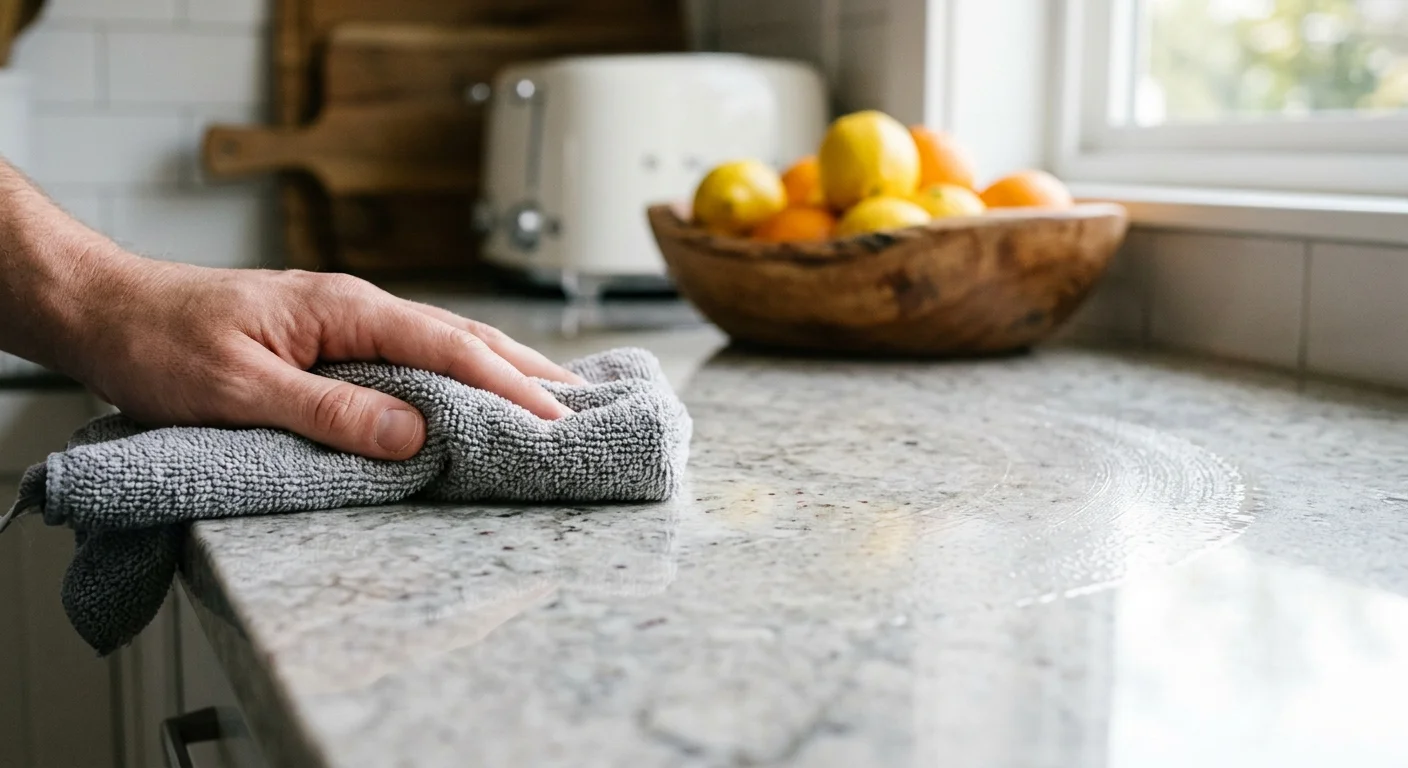
Maintaining pristine countertops requires tailoring your upkeep routine to your specific material. Natural stone options like granite and quartzite require routine seal testing; drop a few teaspoons of water onto the surface, and if it absorbs within ten minutes rather than beading up, reapply a penetrating sealer immediately. Clean natural stone using pH-neutral soap and warm water, avoiding acidic or bleach-based cleaners that strip sealants.
When minor damage occurs, prompt action prevents long-term problems. Fill small chips along stone or quartz edges using color-matched epoxy repair kits, scraping excess flush with a razor blade once cured. For wood butcher block, sand deep knife marks using medium-grit sandpaper before reconditioning with food-grade mineral oil. Heat protection remains critical; using trivets and hot pads consistently protects resin-bound quartz, solid surface, and laminate materials from irreversible thermal damage.
Frequently Asked Questions About Countertop Selection
What specialized tools do I need for DIY countertop installation? For basic laminate or butcher block projects, standard woodworking tools including a circular saw with a fine-finish blade, jigsaw, belt sander, level, and caulk gun suffice. For heavy stone or engineered slabs, professional installers rely on diamond wet saws, seam setters, digital finders, and vacuum suction lifting handles to maneuver heavy pieces safely without cracking edges.
How do I choose between prefabricated slabs and custom cut-to-size options? Prefabricated slabs come pre-cut to standard 26-inch counter depths with finished front edges, offering a cost-effective solution for straight kitchen layouts or standard islands. Custom fabrication becomes necessary if your kitchen features non-standard cabinet depths, angled corners, waterfall edges, or intricate wall cutouts that require digital laser templating for a precise fit.
What are the best countertop options for high-moisture spaces or rental units? For rental properties or heavy-use spaces, solid surface and high-grade engineered quartz offer ideal solutions because their non-porous surfaces resist moisture absorption, staining, and bacteria buildup. They withstand aggressive cleaning routines from tenants better than porous natural stones that depend on regular sealing routines for protection.
How can I ensure safety regarding silica dust when working with stone products? Working safely with quartz and natural stone requires strict dust mitigation to comply with safety standards, including recommendations from the U.S. Department of Energy building standards regarding indoor air quality during home renovations. Always use wet-cutting tools equipped with continuous water delivery systems, wear N95 or P100 NIOSH-approved respirators, and work in well-ventilated spaces during cutting or grinding.
Take the First Step Toward Your Dream Kitchen
Choosing the right countertop material sets the foundation for your entire kitchen design while enhancing daily functionality for years to come. By weighing factors like scratch resistance, thermal threshold, maintenance demands, and overall project costs, you can confidently select the perfect surface for your home and lifestyle. Gather material samples, test them under your kitchen’s natural lighting, test stain resistance with food samples, and start building the gorgeous, durable kitchen space you have always envisioned.