Transforming your home’s exterior does not require a massive renovation budget or weeks of grueling labor. Strategic exterior upgrades immediately elevate your property’s aesthetic charm while delivering substantial financial returns on investment. Data from the National Association of Realtors indicates that 97 percent of real estate professionals deem curb appeal essential for attracting potential buyers; basic landscape maintenance alone can recover up to 217 percent of its original cost at resale. Whether you want to prepare your house for the market or simply take pride in pulling into your driveway each evening, tackling focused weekend improvements will yield striking visual dividends without draining your savings account.
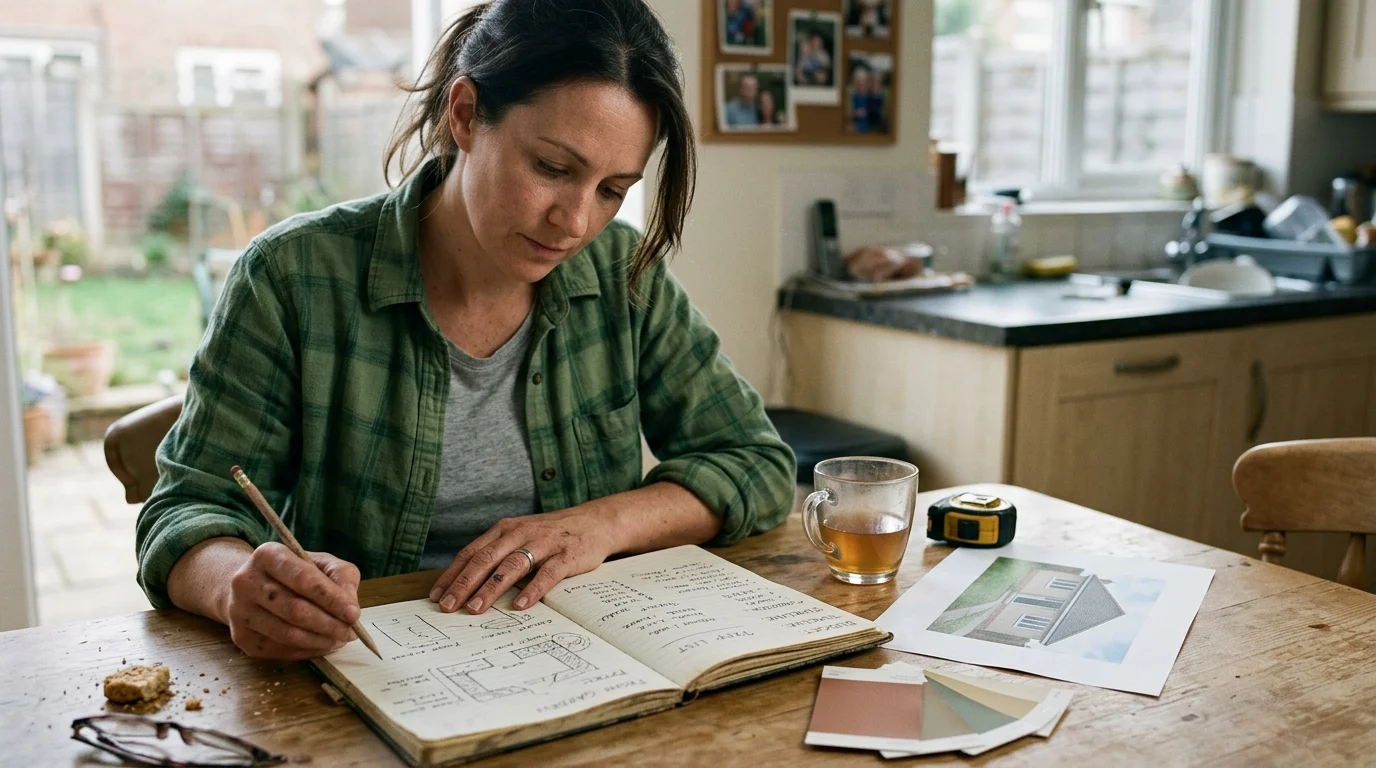
Perfect.A woman carefully plans her exterior DIY upgrades with sketches, paint swatches, and a budget checklist.
Planning Your Exterior Upgrades: Budget, Timeline, and Prep
Before purchasing supplies, evaluate your facade from across the street in morning and late afternoon light. Photograph dark entryways, cracked walkways, and faded fixtures to prioritize high-impact areas. Most weekend curb appeal projects require modest budgets between fifty and three hundred dollars, utilizing basic hand tools, safety glasses, and work gloves.
Divide your efforts into three phases: surface preparation, structural installation, and final cosmetic detailing. Clear your work zones, check weather forecasts for dry conditions, and review local municipal guidelines before altering structures to ensure smooth, professional-grade results across your exterior.
This is extremely engaging, highly relevant to the article title (“9 Outdoor DIY Projects That Boost Curb Appeal”
Nine High-Impact Outdoor DIY Projects
1. Revitalize Your Front Door with Contrasting Color
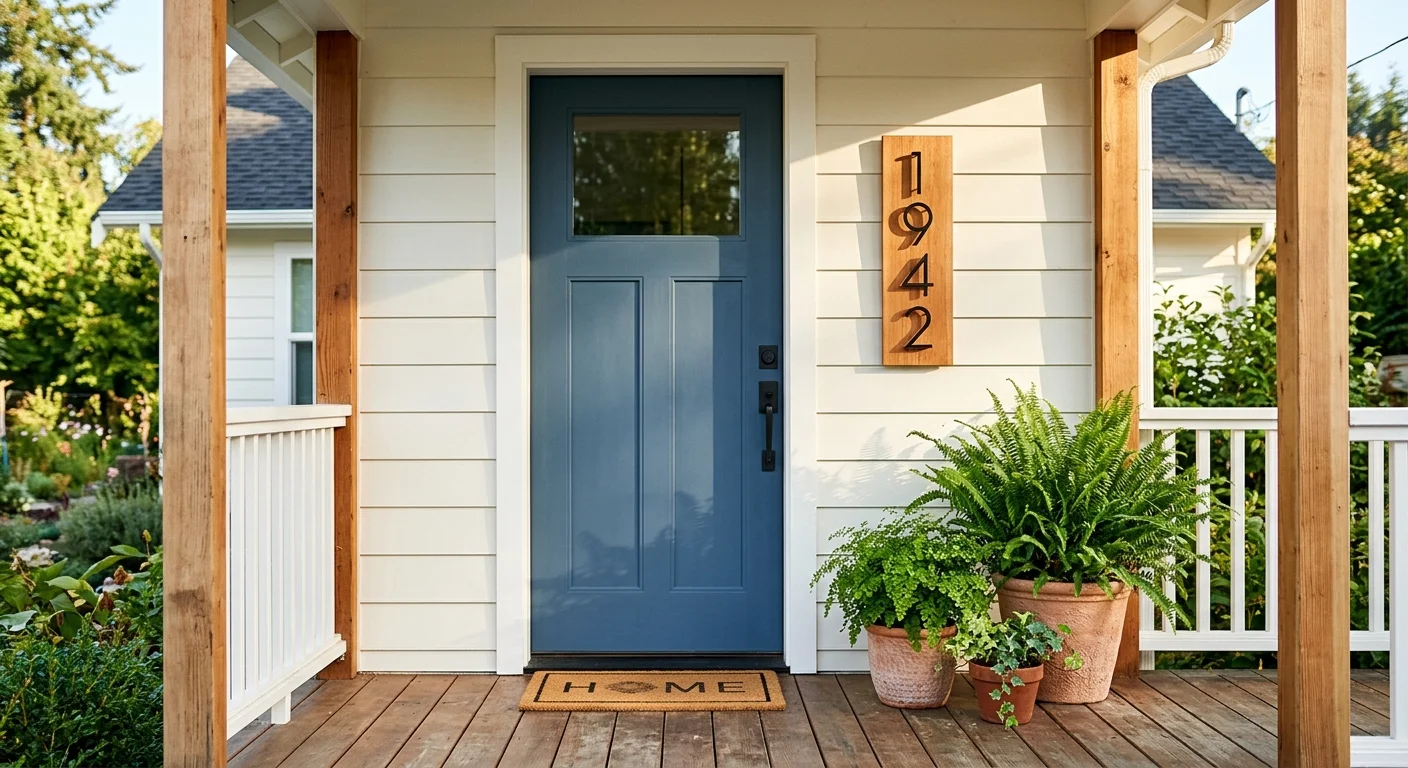
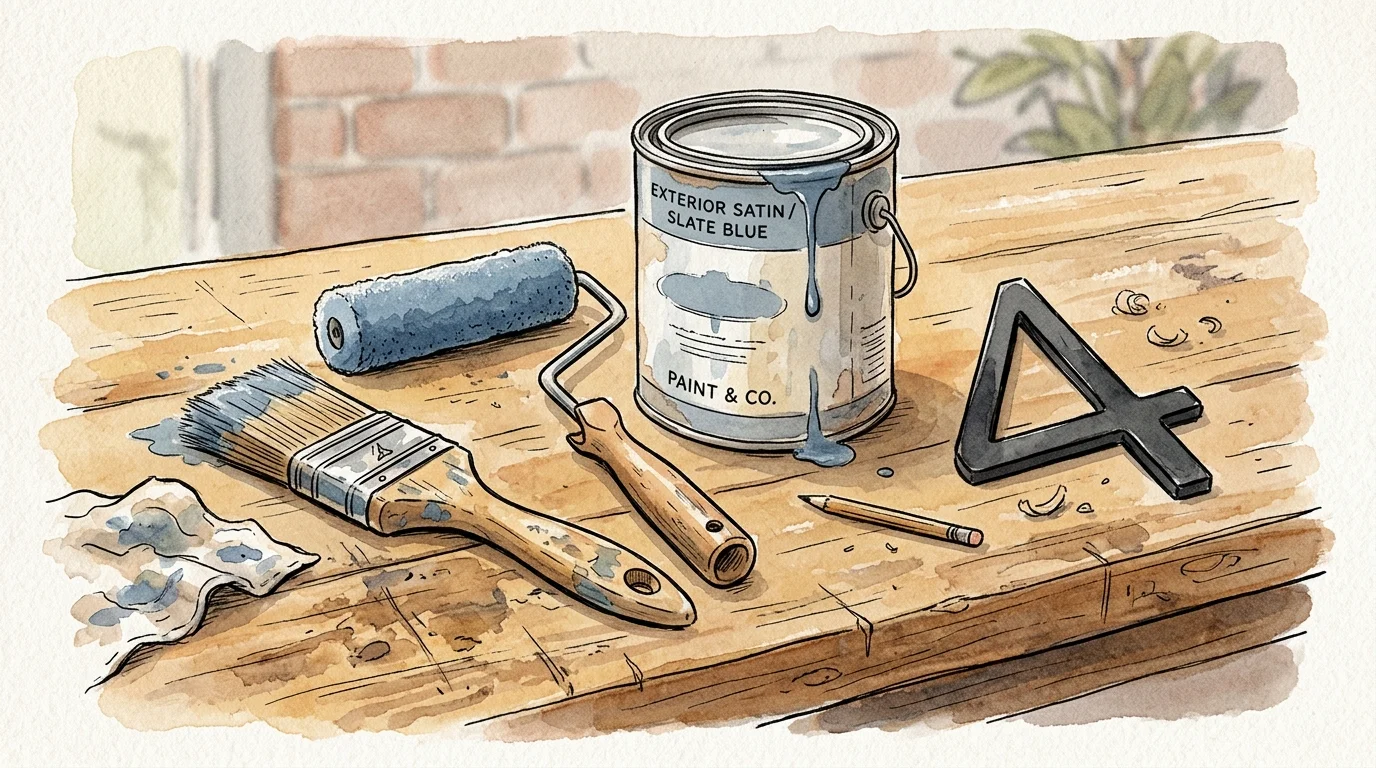
Your front door serves as the architectural focal point of your home. A single quart of exterior paint costs between $20 and $45 and covers up to 100 square feet, providing two full coats. Real estate research from Zillow indicates that bold, contrasting front doors—such as charcoal, deep black, or rich slate blue against neutral siding—can increase buyer offer prices by $3,700 to $6,450 compared to faded entryways.
Remove door hardware, clean the slab with a TSP substitute, and scuff-sand the finish with 120-grit sandpaper. Apply a bonding primer if covering dark stains. Use an angled sash brush for recessed panel moldings, then roll flat areas with a high-density foam roller for a smooth, brushmark-free finish.
2. Upgrade to Architectural High-Visibility House Numbers
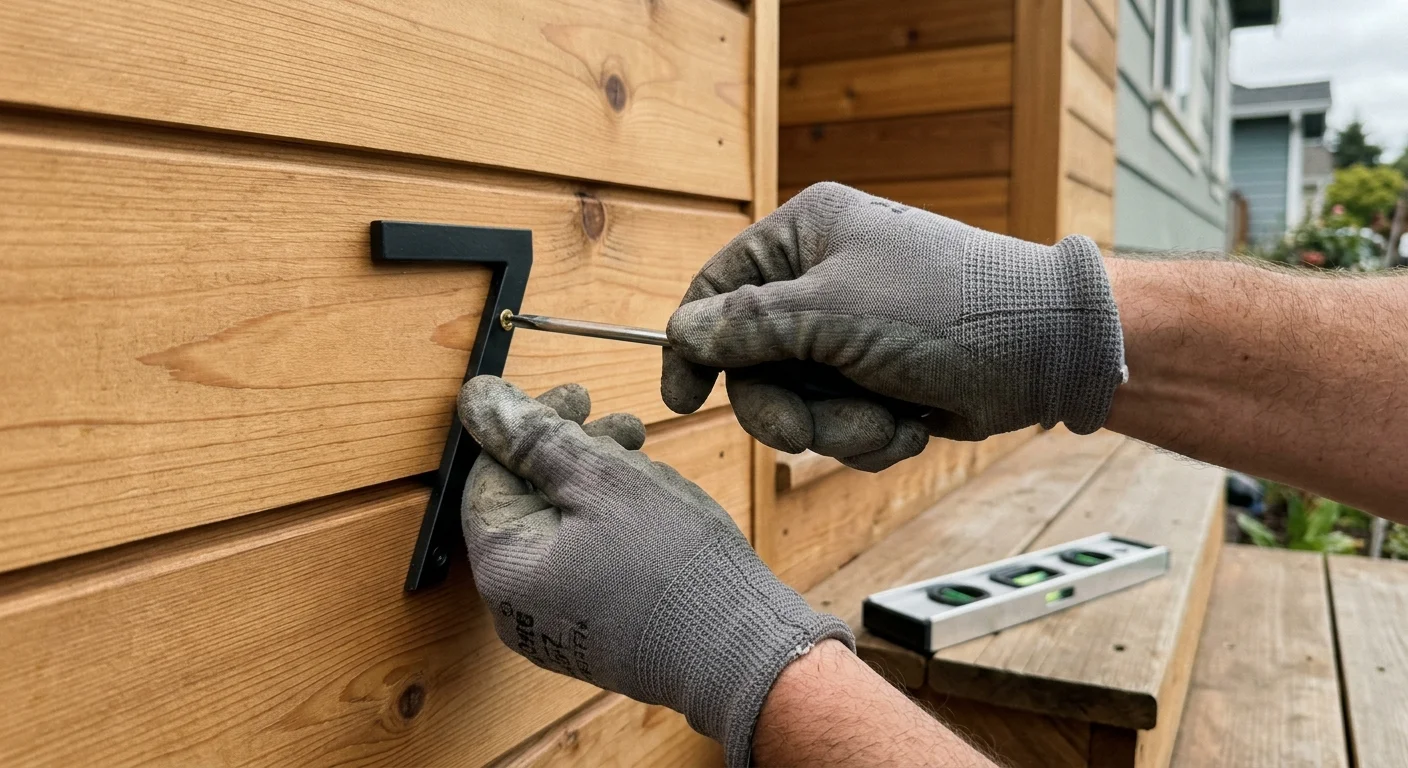
Tarnished or undersized house numbers diminish exterior polish and hinder emergency responders. Modernize your entryway by mounting bold, floating metal numerals in matte black, brushed brass, or satin nickel to coordinate with your light sconces and door locksets.
Ensure your installation complies with the International Fire Code address visibility guidelines, requiring residential numbers to measure at least 4 inches (10.2 centimeters) tall with a 0.5-inch stroke width. Use a level and mounting template for uniform spacing. Standoff spacers cast subtle drop shadows behind the numbers, boosting three-dimensional legibility from the street day and night.
3. Power Wash Concrete and Soft-Wash Siding
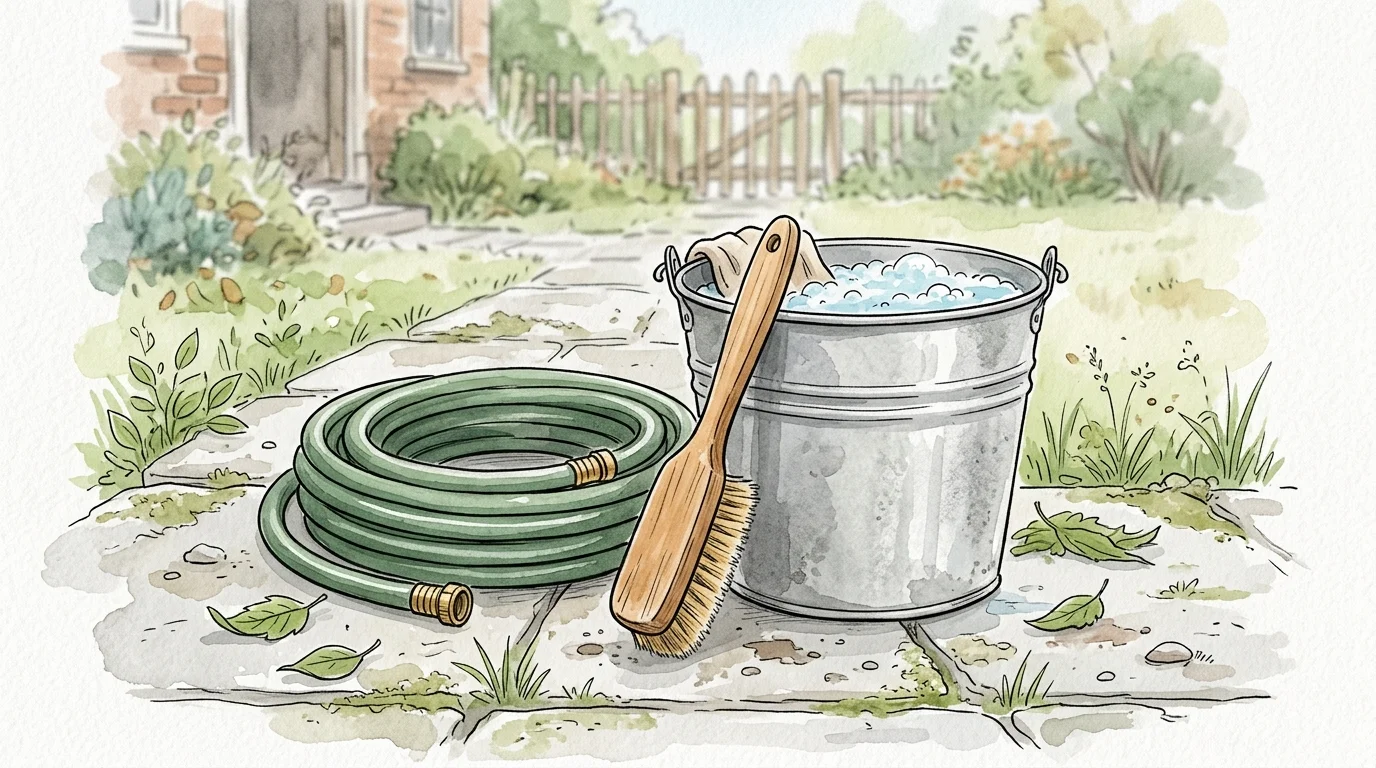
Years of accumulated mildew and road dust dull exterior surfaces, making siding look aged and concrete look neglected. Pressure washing delivers an immediate visual reset, but matching operating pressure to specific building materials prevents surface damage.
Clean concrete driveways, stone steps, and unsealed paver walkways at 2,500 to 3,500 PSI using a dedicated surface cleaner attachment. Conversely, protect delicate wood trim and vinyl siding by soft washing at 500 to 1,500 PSI with a 40-degree wide fan nozzle. Direct your spray angle downward to avoid forcing water beneath overlapping siding panels or around window seals.
4. Trench Crisp Bed Edges and Lay Fresh Mulch
Overgrown turfgrass blurs the boundary between lawn and planting beds, giving yards an unkempt look. Carving a defined mechanical edge creates crisp lines and prevents grass runners from invading garden beds. Use a straight-edge spade or half-moon edger to cut a 3- to 4-inch deep vertical trench along bed perimeters.
Spread a uniform 2- to 3-inch layer of organic mulch across the planting area. Bagged mulch costs $3 to $6 per two-cubic-foot bag, while bulk deliveries average $35 to $50 per cubic yard. Proper mulching suppresses weed germination, locks in soil moisture, and creates striking visual contrast against green foliage.
5. Install Low-Voltage or Solar Pathway Lighting
Illuminating your primary walkway enhances nighttime safety and highlights architectural features after dark. Low-voltage landscape kits plug into exterior GFCI outlets, while solar fixtures offer wire-free placement along sunny borders.
Adhere to the Department of Energy outdoor lighting recommendations by selecting energy-efficient LED fixtures emitting warm-white color temperatures between 2700K and 3000K. Maintain illumination between 100 and 300 lumens per fixture to create inviting warmth without harsh glare. Space individual path lights 6 to 8 feet apart in alternating staggered patterns rather than straight lines to achieve balanced, natural illumination.
6. Rebuild and Landscape Your Mailbox Post
Positioned at the street edge, your mailbox forms an immediate first impression. Replacing a weathered post with rot-resistant cedar, redwood, or composite lumber paired with a powder-coated steel box instantly upgrades your frontage. Secure the new post firmly in quick-setting concrete, using a level to guarantee vertical plumb.
Always contact the national 811 utility notification service at least two to three business days before digging to avoid striking buried utility lines. Complete the installation by planting drought-tolerant perennials around the base and applying clean, matching address numbers.
7. Frame the Entryway with Symmetrical Statement Planters
Flanking your front porch steps or entryway with matching statement planters creates a balanced, inviting entrance. Choose containers measuring at least one-third the height of the door to maintain proper scale. Durable materials like glazed ceramic, fiberclay, or resin resist tipping in heavy winds.
Arrange plantings using the thriller, filler, and spiller design formula. Place an upright architectural plant like a dwarf Alberta spruce or boxwood topiary in the center as your thriller. Surround the base with colorful annuals as fillers, and drape trailing ivy over container rims as your spiller to establish lush visual depth.
8. Build and Mount Custom Wooden Window Boxes
Window boxes add architectural depth and organic color to blank exterior facades. Construct custom boxes from weather-resistant cedar, cypress, or cellular PVC lumber to match the exact width of your window trim. Drill half-inch drainage holes every six inches along the bottom to prevent waterlogged soil from rotting roots.
Mount your window boxes directly into structural wall framing studs using heavy-duty lag screws and corrosion-resistant washers. Insert nylon spacers behind mounting points to maintain a half-inch air gap between the box and your wall, allowing moisture to drain freely and preventing hidden wall rot.
9. Camouflage Utility Fixtures and HVAC Equipment
Exposed electrical meters and central air conditioning compressors disrupt clean sightlines. Building a freestanding slatted cedar screen conceals these functional eyesores behind an attractive architectural barrier.
Maintain at least 12 to 24 inches of clearance around air conditioning condensers to ensure adequate intake airflow, preventing compressor overheating and system strain. Build modular or hinged screen panels so utility workers and HVAC technicians can easily access equipment for maintenance without dismantling your woodwork.
Styling, Texture, and Color Coordination
Achieving a cohesive exterior requires intentional coordination between landscaping, hardscaping, and accents. Apply the 60-30-10 color principle featured in Architectural Digest exterior styling advice: allocate 60 percent of your facade palette to dominant siding, 30 percent to trim and shutters, and 10 percent to an accent hue on your front door and planters.
Layer distinct textures across your entryway by pairing smooth painted trim with textured masonry and natural wood grain. Maintain consistency across metal hardware—including sconces, handlesets, house numbers, and mailbox accents—for a polished, unified aesthetic.
Seasonal Maintenance and Pitfall Prevention
Preserve your curb appeal upgrades through routine seasonal maintenance. When applying mulch around foundation plantings, avoid piling mulch against tree trunks or siding; maintain a three-inch clear gap to deter pests and rot. Inspect painted exterior doors and window boxes semi-annually, touching up paint chips promptly before moisture penetrates wood fibers.
Clean exterior light fixture lenses every spring to remove dust and cobwebs that diminish illumination. Inspect low-voltage wiring after aeration, and replace solar fixture batteries when they fail to hold an evening charge. Routine seasonal care preserves your craftsmanship and keeps your home looking welcoming.
Frequently Asked Questions
Which curb appeal project delivers the highest return on investment?
According to the National Association of Realtors Remodeling Impact Report, basic landscape maintenance and lawn care recover between 104 and 217 percent of project costs at resale. Furthermore, 92 percent of Realtors recommend upgrading curb appeal before listing a property. Pairing lawn maintenance with a front door paint refresh yields the highest financial return of any exterior DIY project.
How do I choose the best paint sheen for exterior surfaces?
Select satin or semi-gloss sheens for exterior front doors, shutters, and decorative trim. These finishes offer superior moisture resistance, clean easily, and subtly reflect sunlight to accentuate architectural details. Reserve flat or matte sheens for broad siding surfaces to conceal minor imperfections.
What tools are essential for a beginner attempting exterior DIY projects?
Beginners can execute most exterior curb appeal projects with a basic toolkit containing a cordless drill and bits, a torpedo level, a 25-foot tape measure, an adjustable wrench, a hand saw, a garden spade, and safety equipment like gloves and eye protection.
How can renters improve curb appeal without violating lease agreements?
Renters can enhance curb appeal using non-permanent solutions such as freestanding entryway planters, solar-powered stake lights pushed into garden borders, magnetic carriage hardware for metal garage doors, removable vinyl address decals, and all-weather front porch rugs.
Bring Your Home Exterior Vision to Life
Transforming your home’s exterior does not require expensive remodeling contractors or endless weeks of labor. With thoughtful planning, basic tools, and a weekend of focused effort, you can dramatically enhance your property’s visual charm, neighborhood presence, and market value. Choose one approachable project from this guide, assemble your supplies, and start elevating your home’s curb appeal today.