You do not need a custom trade account or a five-figure budget to give your rooms a collected, designer-finished look. Luxury interior stylists quietly comb the aisles of HomeGoods every week for six specific categories that anchor high-end spaces.
Knowing what to grab—and what to leave behind—turns a chaotic treasure hunt into a repeatable styling system. You will learn the exact materials, proportions, and price benchmarks pros trust to elevate your home for less.
From heirloom French cookware to sculptural ceramic lighting, these six targets pair effortlessly with thrifted treasures and sustainable swaps. Grab your tape measure and step inside with a clear plan.
Setting the Stage for High-Low Luxury
Walking into a designer-styled home feels calm, tactile, and deliberate rather than cluttered with impulse buys. You create that same architectural warmth when you pair substantial natural textures with disciplined scale across every room.
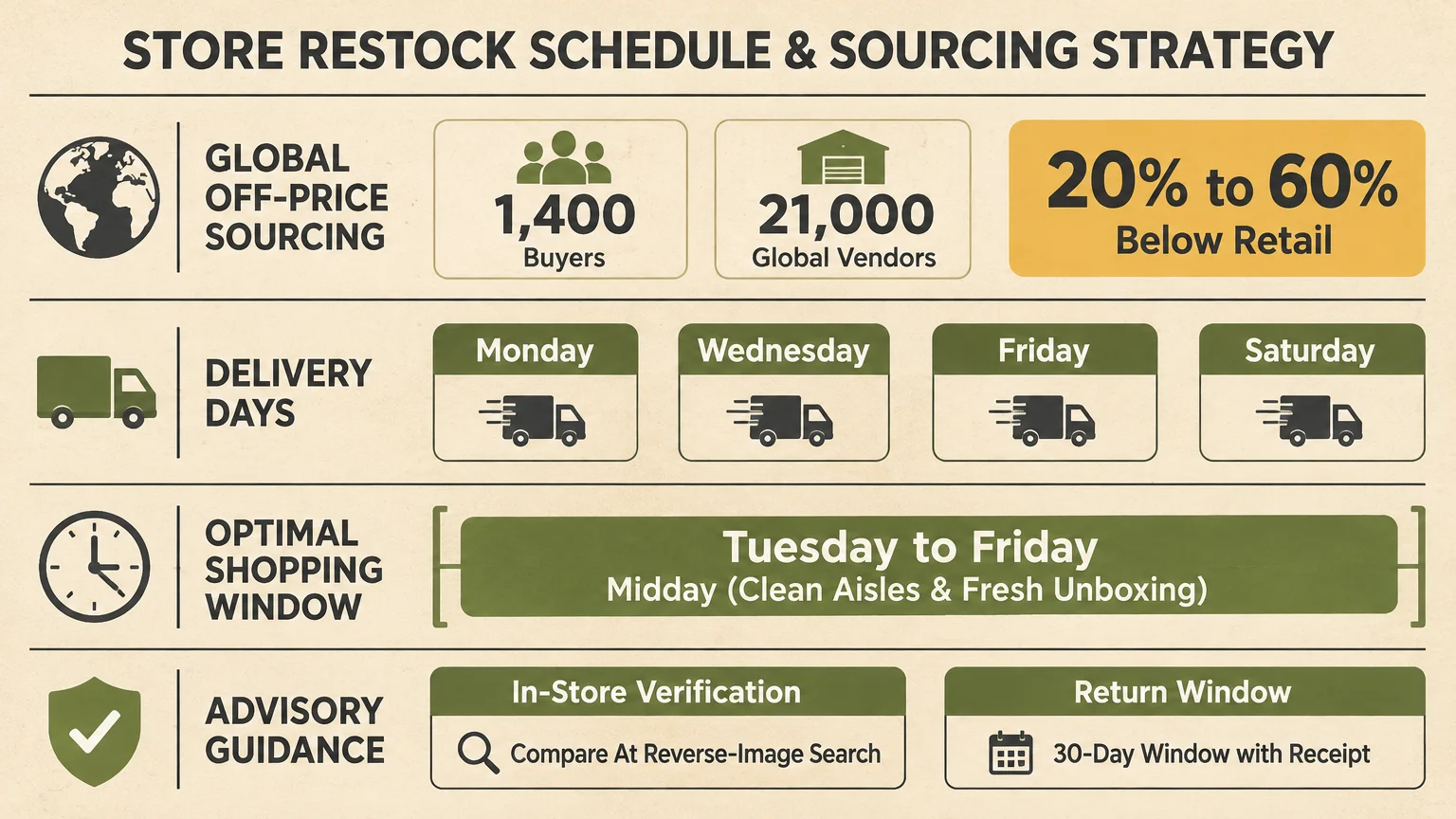
Because HomeGoods closed its online storefront after October 21, 2023, every single find happens exclusively inside physical stores. Today, the brand operates 985 HomeGoods locations and 89 Homesense stores across the United States, with larger furniture and ceiling lighting concentrated at Homesense.
Over 1,400 buyers source closeouts, order cancellations, and manufacturer overruns from roughly 21,000 global vendors. That off-price model puts comparable pieces 20% to 60% below standard retail prices without relying on coupons or seasonal sales events.
Smart shoppers also know that store inventory shifts constantly because most merchandise arrives with zero backstock. According to HomeGoods specialist Christine Lee in a November 2026 Apartment Therapy feature, most stores receive deliveries four days a week: Monday, Wednesday, Friday, and Saturday.
Skipping Monday recovery chaos and shopping Tuesday through Friday midday gives you clean aisles and freshly unboxed arrivals. Be sure to inspect locked Treasure Chest display cases for small luxury accents.
Never trust a hangtag blindly when comparing value in the aisle. Independent retail testing reported by Zozy in October 2026 cautions that some Compare At prices match standard online listings, so run a quick reverse-image search on your phone before checking out.
You can still shop with confidence thanks to the 30-day return window for unused items with attached tags and a register receipt. Just remember that HomeGoods purchases cannot go back to sister chains like T.J. Maxx or Marshalls.
Building Your Concept, Palette, and Focal Points
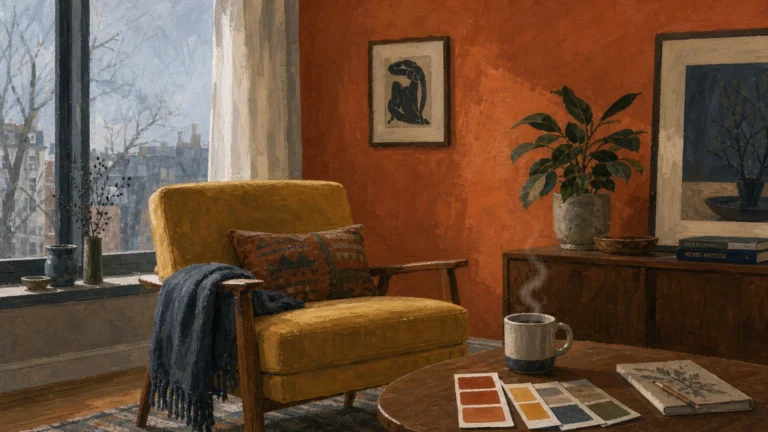
Before you load a shopping cart, establish a tight color story so your rooms look curated rather than random. Start by pulling three dominant hues and two metallic or wood undertones from a single anchor piece you already love.
Exploring color relationships through the Pantone color library helps you balance warm neutrals against moody accent shades with confidence. When every purchase echoes that shared palette, affordable off-price finds sit seamlessly beside heirloom investments.
Every room also needs one clear focal point before you layer secondary objects. A dramatic stone lamp, a textured oversized canvas, or a sculptural dining vessel should command attention while smaller pieces provide quiet visual breathing room.
To keep spaces soulful and sustainable, blend brand-new discount scores with genuine vintage character. Pairing a fresh woven ottoman from HomeGoods with a weathered mirror from Habitat for Humanity ReStores adds instant patina that no single store can replicate.
Think in contrasts whenever you edit a surface or corner. Balance sleek brushed brass against rough raw ceramic, pair crisp organic linen with dark walnut, and offset heavy leather seating with airy botanical silhouettes.
The Six Designer Targets Worth Hunting Every Trip
1. Ceramic, Stone, and Designer Table Lighting
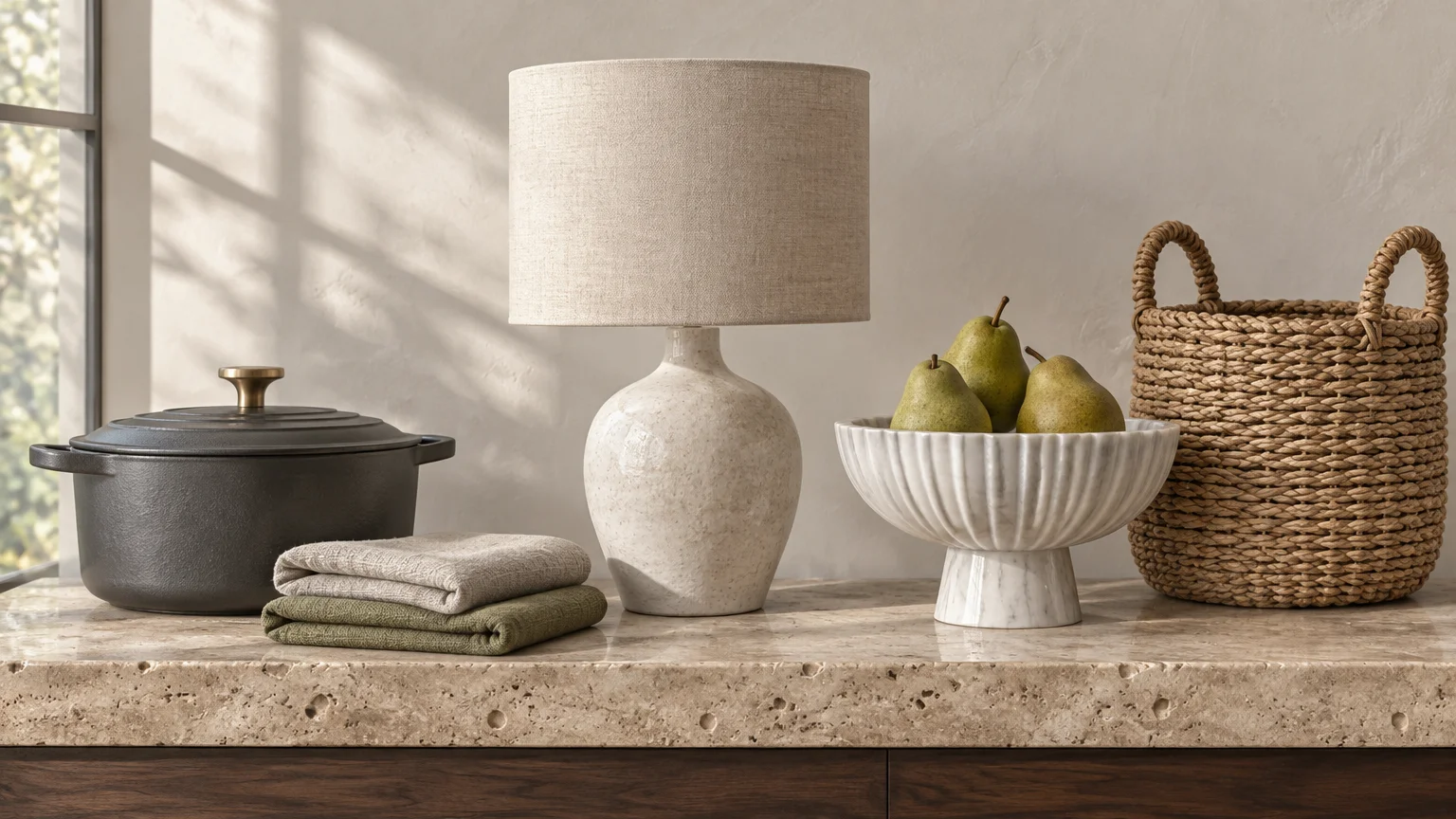
Cheap lamps immediately betray a budget room through flimsy shades, plastic finials, and awkward proportions. Designers head straight to the lighting aisle at HomeGoods because heavy ceramic, travertine, and solid wood bases show up there for a fraction of boutique pricing.
Interior designer Viviane d’Adesky noted in Apartment Therapy in November 2026 that substantial ceramic and stone table lamps routinely land around $40. September 2026 store walkthroughs also turned up 31-inch Nate Berkus table lamps at $39.99, walnut-base lamps at $79.99, and tall glass cylinder lamps at $99.99.
You will even spot cordless rechargeable accent lamps that solve dark bookshelves and kitchen counters without dangling cords. Before carrying any lamp to the register, check the cord and socket label for safety certification.
According to UL Solutions safety resources, decorative indoor luminaires should carry markings compliant with UL 1598 or UL 8750 standards to guard against fire and electrical shock hazards. Inspect the harp and shade attachment too, ensuring the linen drum sits straight without warping.
Once you bring your lighting home, proportion dictates whether a fixture looks custom or undersized. Aim for at least three separate light sources in your living room, fitted with warm 2700K to 3000K bulbs for flattering evening glow.
Position living room chairside lamps so the bottom of the shade lands roughly 40 inches from the floor. On bedroom nightstands, choose lamps measuring 24 to 27 inches tall so the lower rim of the shade aligns with your seated eye level.
For floor lamps, match fixture height to your room footprint rather than guessing in the aisle. Choose 50-to-58-inch profiles in compact rooms under 150 square feet, and step up to 58-to-64-inch silhouettes in medium rooms between 150 and 300 square feet.
2. Oversized Vases, Marble Vessels, and Sculptural Objects
Small knickknacks create visual static on coffee tables and bookshelves, making an expensive room look busy. Luxury stylists skip tiny figurines and hunt for generously scaled matte ceramics, solid marble vessels, and bone inlay storage boxes instead.
In May 2026, interior designer Nicole DelaCruz documented oversized matte-textured vases at HomeGoods priced between $20 and $40, compared with $80 to $100 or more at specialty boutiques. Sculptural organic bowls followed the same pattern at $20 to $30 instead of $80 to $150.
Designers Jamie Loren and Viviane d’Adesky likewise prioritize real stone catchalls and bone inlay boxes because heavy natural materials instantly elevate a console or dresser. Turn every vessel upside down in the aisle to verify solid weight and clean glazing.
Avoid shiny resin imitations painted to mimic travertine or alabaster, as their edges chip easily and catch light unevenly. Real stone shows subtle mineral variation and feels cool against your palm.
When styling shelves or dining tables, commit to one oversized statement vase filled with seasonal branches rather than crowding five tiny jars together. If you prefer a grouping, arrange vases in twos or threes with clearly staggered heights so your eye travels smoothly.
3. Natural-Fiber Bedding, Linens, and Tailored Throw Pillows
Nothing ages a bedroom or sofa faster than stiff synthetic fabrics with flat prints. HomeGoods advertises top-brand bedding at 20% to 50% below department store pricing, making its linen aisles a goldmine for 100% organic cotton sheets, textured quilts, and wool throws.
Stylists from Everly Design Co., Design To Amaze, and Cara Woodhouse Interiors routinely inspect the bedding bins for chunky knits, breathable cotton weaves, and quilts. During designer walkthroughs at TJX sister stores, pairs of 20-by-20-inch Brooks Brothers throw pillows appeared for just $29.
Always flip directly to the sewn-in fiber tag before admiring a pattern or color. Designer Viviane d’Adesky recommends skipping polyester blends altogether and holding sheets or pillow covers up to store lights to confirm a tight, even weave that survives repeated washing.
Pay attention to pillow inserts as well as outer covers when editing the bedding aisle. Zippered covers housing genuine feather-down inserts hold a crisp karate chop and recover their loft far better than stiff polyfill cushions.
Layer two oversized neutral shams against your headboard, add a folded linen quilt across the lower third of the bed, and finish with one patterned lumbar pillow. That simple three-tier texture stack creates boutique hotel volume without needing twelve decorative cushions.
4. Heritage French Cookware, Tri-Ply Pans, and Crystal Glassware
Designer kitchens shine through functional objects left proudly in plain sight on ranges and open shelving. Discontinued colors and overstock shipments from Le Creuset, Staub, All-Clad, and Riedel surface unpredictably in HomeGoods cookware aisles at dramatic markdowns.
Verified store finds include Le Creuset enameled cast-iron Dutch ovens—typically $400 to $460 at retail—marked down to $150 to $250, alongside round braisers at $149.99 to $164.99. Staub 13-by-9-inch enameled stoneware baking dishes frequently appear for $30 to $35.
In the stainless steel rack, All-Clad D3 and D5 skillets, three-quart sauté pans, and roasting pans ($150 to $200 retail) regularly drop to $50 to $100. Four-packs of Riedel stemless wine glasses often sit nearby for $30 against a $40 compare-at tag.
Many discounted French cast-iron pots are factory seconds carrying minor cosmetic glaze pinholes that never affect heat retention or cooking performance. Still, you must inspect every piece carefully under bright overhead lighting before purchasing.
Confirm the authentic Made in France stamp cast into the bottom of Le Creuset pots or the engraved All-Clad mark on stainless bases. Run your fingertip along interior enamel surfaces to rule out structural chips, hairline cracks, or warped rims that compromise safety.
Leave a vibrant Dutch oven resting cleanly on your stove burner, or stack crisp crystal glassware on an open oak shelf. Functional heirlooms double as living kitchen décor every single day.
5. Solid-Wood Accent Furniture, Leather Seating, and Paired Ottomans
Off-price accent furniture gives you the fastest leap in perceived home value when you focus on real wood and genuine hide. Designer Viviane d’Adesky reported spotting a genuine leather Natuzzi sofa—normally $5,000 at retail—on a HomeGoods floor for half price at $2,500.
Smaller anchor pieces deliver equally compelling savings across entryways and bedrooms. Recent verified store finds include upholstered storage ottomans around $79, coastal woven rattan ottomans near $99, and three-section mid-century benches at $199, alongside mango-wood consoles and solid teak shower benches.
Before rolling any furniture piece toward checkout, conduct a thorough structural audit right in the aisle. Check upholstery seams for tight stitching and aligned patterns, and verify that brass hardware or leather upholstery is genuine rather than thin foil coatings or peeling vinyl.
Give wooden legs and console frames a gentle lateral nudge to ensure mortise joints sit tight without wobbling. Solid mango wood and teak gain warmth with age, whereas hollow particleboard swells at the first spilled drink.
At home, designers love styling matching ottomans in pairs tucked beneath a console table or lined along the foot of a bed. Twin silhouettes immediately establish architectural symmetry and give guests flexible extra seating in seconds.
Keep standard spacing rules handy whenever you pair accent chairs or coffee tables with existing upholstery. Choose a coffee table standing 16 to 18 inches high, spanning one-half to two-thirds your sofa’s length, and placed 14 to 18 inches away for comfortable legroom.
6. Statement Area Rugs, Heavy Mirrors, and Oversized Wall Art
Undersized rugs and postage-stamp artwork make generous rooms feel disconnected and unfinished. HomeGoods stocks Moroccan, Scandinavian, wool, and braided jute rugs alongside oversized mirrors and spackled textural wall art spotted around $50.
Pre-packaged drapery panels also offer budget relief when you check length tags closely for standard 84-inch, 96-inch, or occasional 120-inch ceiling drops. Mount your curtain rods 4 to 6 inches above the window frame and wide enough that fabric clears the glass and gently kisses the floor.
In living rooms, anchor your seating arrangement by placing at least the front legs of every sofa and armchair firmly onto the area rug. Dining rooms demand extra perimeter clearance: extend your rug 24 inches past the table on all sides by adding four feet to both table dimensions.
For bedrooms, slide an 8-by-10-foot rug beneath a queen bed—or a 6-by-9-foot rug under the lower two-thirds—and step up to a 9-by-12-foot rug for a king bed. Both layouts should leave 18 to 24 inches of plush pile exposed along the sides for soft morning footing.
Hang framed artwork so its visual center rests 57 inches above the floor, maintaining balanced sightlines across adjoining walls. Over a sofa, pick a piece roughly two-thirds the sofa’s width—about 56 inches wide over an 84-inch sofa—and hang it 6 to 8 inches above the backrest.
Above fireplace mantels, leave 4 to 6 inches between the shelf and the bottom frame edge for clean visual grounding. Skip glass-fronted frames directly over headboards to keep sleeping zones safe during accidental bumps.
Heavy wall mirrors require extra care during installation so beauty never compromises household safety. Anchor every substantial mirror directly into wall studs or heavy-duty rated anchors, and secure leaning floor mirrors to the wall to prevent tip-over hazards around pets or kids.
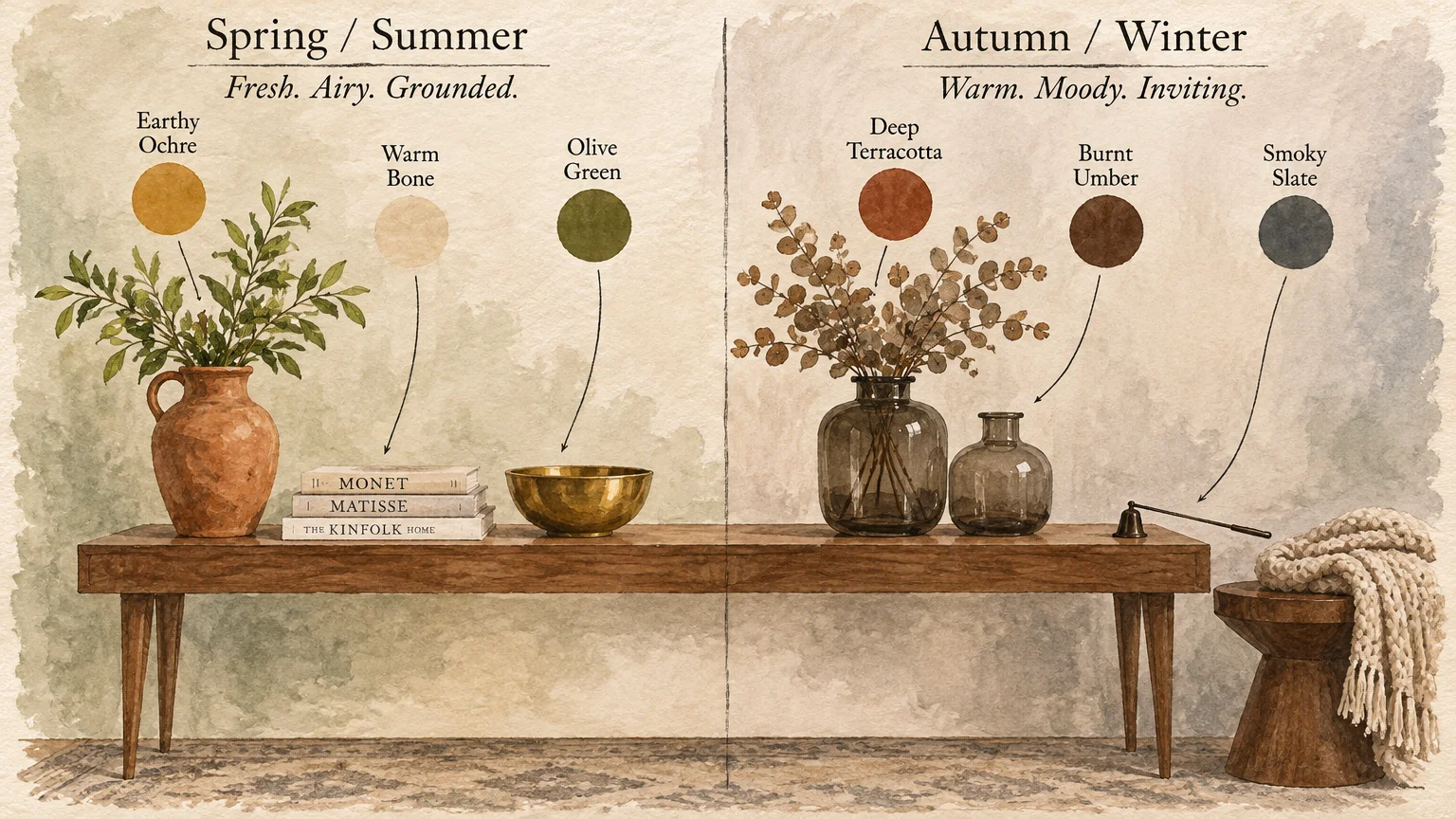
Seasonal Layering Without Full-Room Resets
Great rooms evolve gracefully across the calendar without forcing you to haul out bins of disposable plastic seasonal clutter. Keep your core furniture, lighting, rugs, and wall art neutral and evergreen so your foundation works effortlessly all twelve months.
When spring or autumn arrives, limit your refresh to three tactile touchpoints: sofa throw pillows, an armchair blanket, and fresh foliage inside your favorite ceramic vessel. Swapping airy cream linen for rust-toned wool immediately shifts the room’s temperature in ten minutes.
Watch HomeGoods’ monthly markdown cycle if you love hunting seasonal accents for next year’s rotation. Stores mark seasonal and slow-moving pieces down with red and yellow clearance stickers.
Skip novelty word signs and glittered holiday trinkets that look dated within two seasons. Instead, pick timeless seasonal textures—amber glass candlesticks for fall, woven seagrass trays for summer, or brass taper holders for winter—that blend smoothly with your year-round palette.
Rotate kitchen styling the same way by bringing out your enameled braiser for autumn stews and swapping in crisp white stoneware platters for bright summer entertaining. Living items earn their keep while keeping storage closets remarkably light.
Smart Storage, Surface Care, and Sustainable Swaps
Protecting the designer treasures you find ensures they stay crisp and functional for decades rather than ending up in landfills. Wrap fragile stoneware, crystal stemware, and spare ceramic lampshades in acid-free tissue paper inside rigid, lidded bins tucked off damp basement floors.
Clean enameled cast iron gently with warm soapy water and nylon brushes rather than abrasive metal pads that dull glossy finishes. Condition genuine leather ottomans or sofas seasonally with mild hide balm, and keep natural rattan or jute rugs away from standing moisture.
Whenever a room feels tired, test a zero-cost furniture swap between bedrooms and living areas before buying anything new. Moving an accent chair, lamp, or framed print into fresh daylight often sparks immediate energy without spending a dollar.
When you genuinely outgrow a quality vase, lamp, or side table, pass it forward responsibly rather than tossing serviceable pieces. Following U.S. EPA reuse and recycling guidelines helps you donate intact home goods to community thrift outlets and reduce household waste.
Pairing smart donations with targeted HomeGoods hunts keeps your home clutter-free, budget-conscious, and environmentally thoughtful year after year.
Frequently Asked Questions About Designer Hunting
How do I keep budget HomeGoods finds from looking cheap?
Focus strictly on authentic natural materials—solid wood, stone, wool, cotton, and heavy ceramic—while skipping thin plastic, faux metal coatings, and hollow composites. Scale also matters hugely, so choose one substantial oversized vase or lamp rather than scattering five inexpensive miniatures.
Can I mix off-price HomeGoods pieces with vintage thrift finds?
Yes, blending fresh off-price textiles and lighting with secondhand wood furniture or antique mirrors creates genuine designer tension. Tie old and new pieces together through a shared three-color palette so contrasting eras feel intentional rather than mismatched.
What are the smartest renter-friendly upgrades to hunt for?
Prioritize heavy table lamps, oversized area rugs, tailored cotton curtains, and leaning floor mirrors anchored safely to the wall. All four elements transform bland apartment finishes dramatically and pack effortlessly when your lease ends.
How do I stop impulse buying and avoid clutter in the aisles?
Shop with room measurements, fabric swatches, and a strict shopping list saved on your phone before stepping inside. Before reaching the register, hold every item up and picture its exact shelf, wall, or table spot at home—if you have no home for it, put it back.
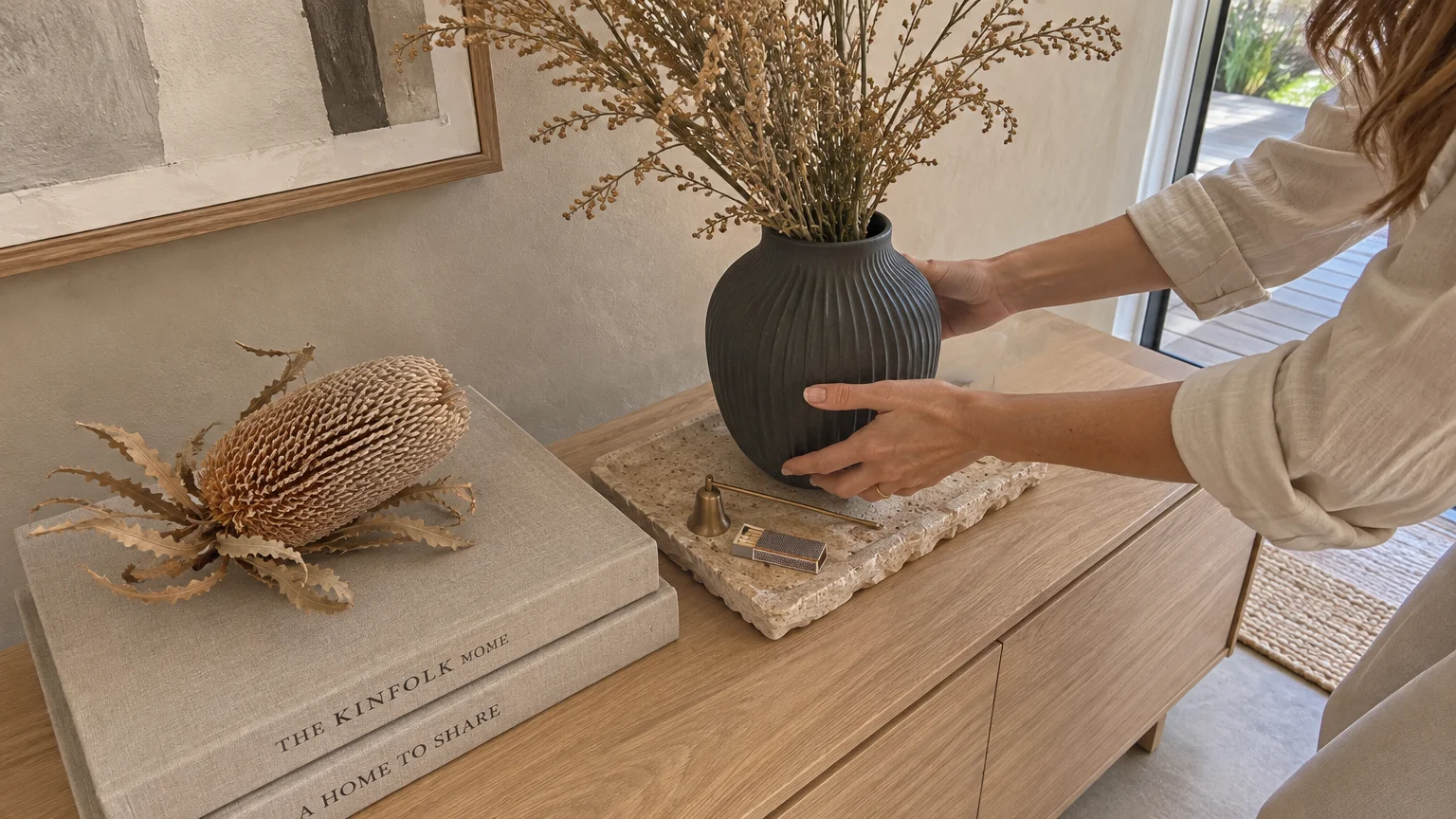
Style Your First Vignette Today
You do not need to overhaul an entire house in one weekend to feel the shift of thoughtful design. Pick a single surface right now—an entryway console, a bedside table, or your coffee table—and edit it down to three intentional textures.
Step into your local store midweek armed with your tape measure, your palette notes, and these six designer categories in mind. One perfectly scaled ceramic lamp, a sculptural stone bowl, and a crisp linen throw will prove just how effortless high-style living can feel.