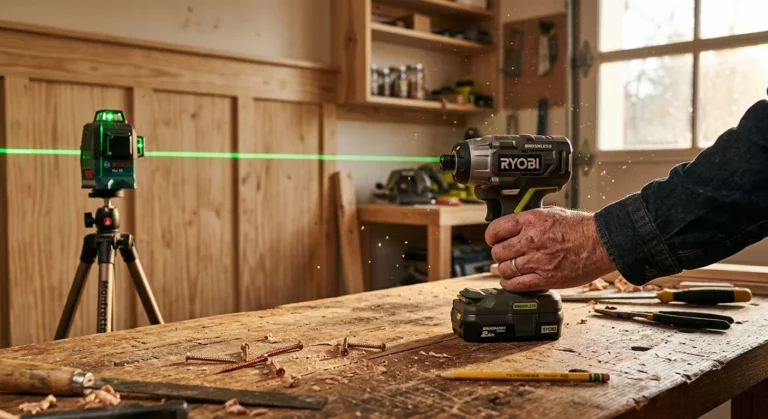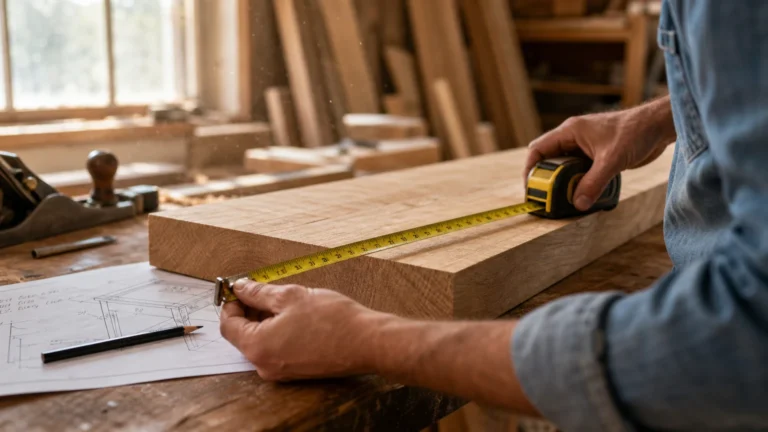
Retirement brings the perfect opportunity to tackle home improvement projects, refresh your living space, and maintain your house without relying on costly contractor visits. Building an essential home tool kit tailored for comfort and efficiency ensures you can fix a leaky faucet, hang heavy artwork, or assemble new furniture with total confidence. By prioritizing lightweight materials, cushioned ergonomic grips, and versatile multi-use gear, you eliminate physical strain while keeping your home in peak condition. Equipping yourself with the right basic tools for homeowners transforms everyday repairs into satisfying, stress-free accomplishments that protect your investment and preserve your independence for years to come.

Planning Your Home Tool Kit: Budget, Ergonomics, and Strategy
Assembling a practical home repair toolkit essentials collection does not require spending thousands of dollars or cluttering your garage with bulky commercial machinery. Instead, smart planning centers on selecting versatile, comfortable instruments that address 80 percent of typical household tasks—from tightening loose cabinet hardware to sealing drafty windows. You can easily build a top-tier kit for a total budget between $150 and $250 by investing in high-quality individual pieces rather than oversized pre-packaged sets filled with redundant pieces you will never use.
Ergonomics play a vital role when choosing must have tools seniors can use comfortably without fatigue. Heavy steel handles and stiff mechanisms increase hand strain; therefore, prioritize tools featuring thermoplastic rubber grips, spring-assisted jaws, and lightweight composite frames. Research from Penn State Extension home safety guides emphasizes that proper grip sizing and balanced weight distribution significantly reduce joint stress during repetitive motions. When you select equipment that matches your physical capabilities, you transform physically demanding chores into smooth, enjoyable achievements.
Plan your purchases with a clear timeline and skill level in mind. You do not need to master advanced carpentry to perform essential maintenance; taking a structured, step-by-step approach allows you to build confidence at your own pace. Start by acquiring core fastening and measuring tools before moving on to specialized diagnostic items like digital levels or lighting accessories.
The 7 Must-Have Tools for Every Retiree
1. Lightweight 12-Volt Cordless Drill and Driver
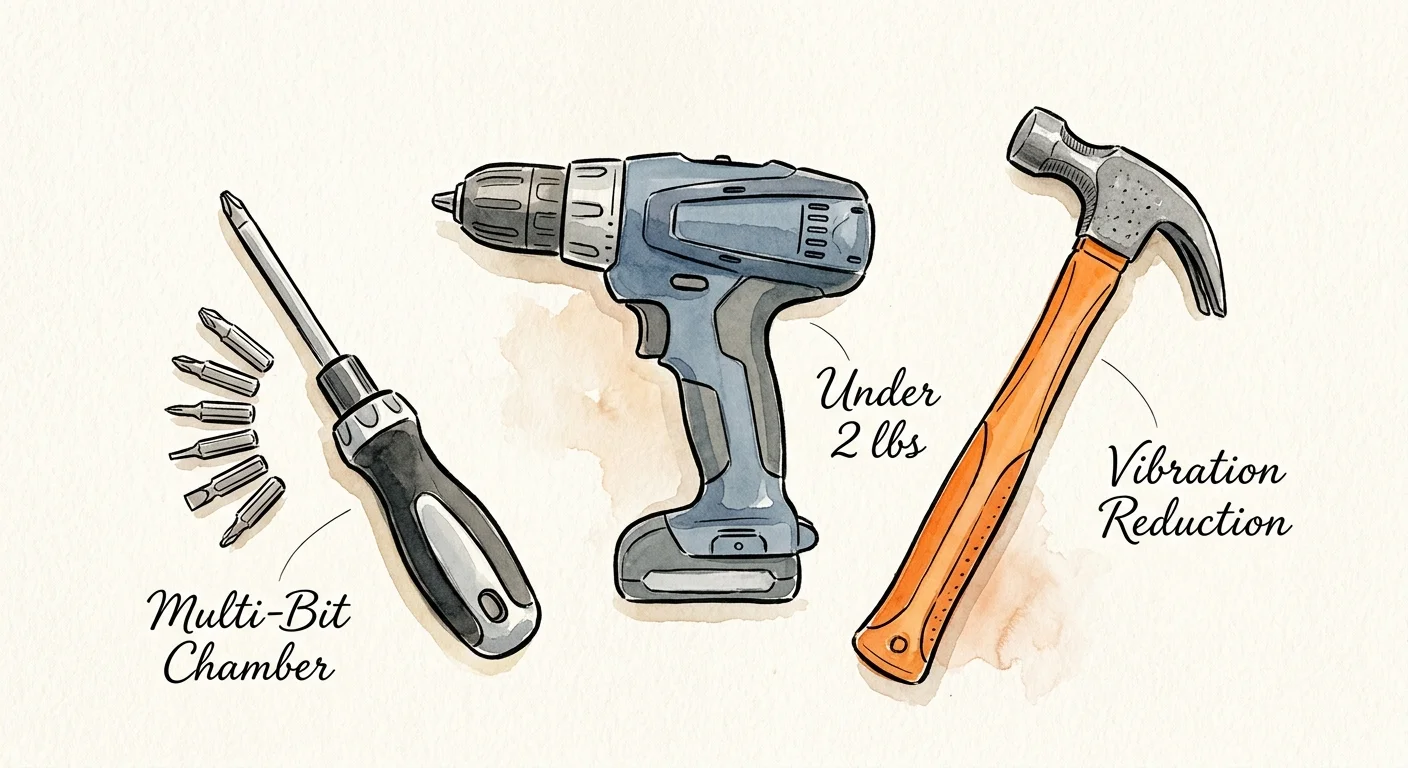
Heavy 18-volt or 20-volt professional power drills often weigh upwards of four pounds, causing severe wrist fatigue during extended overhead tasks. A modern 12-volt cordless drill delivers more than enough torque for hanging blinds, securing drywall anchors, and driving cabinet screws while keeping total weight under two pounds. Look for models with brushless motors; they offer longer battery life, cooler operation, and a compact body that fits easily into tight spaces. A keyless 3/8-inch chuck allows you to swap drill bits instantly without fumbling for extra chuck keys.
2. Ergonomic Claw Hammer with Vibration Reduction
Driving nails or prying old fasteners demands a claw hammer that absorbs impact energy before it reaches your elbow and shoulder. Standard solid-steel hammers transmit harsh shockwaves directly into your joints, leading to soreness after just a few strikes. Choose a 12-to-16-ounce hammer featuring a fiberglass core or a specialized anti-vibration rubber handle. The drop-forged steel head provides ample driving power, while the curved claw gives you the leverage needed to pull stubborn nails effortlessly without damaging your drywall or wooden trim.
3. Ratcheting Multi-Bit Screwdriver
Carrying a dozen separate screwdrivers that clutter your toolbox creates unnecessary frustration when you simply need to tighten a cabinet hinge. A ratcheting multi-bit screwdriver solves this problem by housing standard Phillips, flathead, Torx, and square drive bits directly inside the handle. The ratcheting mechanism allows you to turn screws continuously without changing your hand position, drastically reducing wrist rotation and joint pressure. Look for a cushioned, wide-barrel handle that gives your palm extra contact surface area for maximum torque with minimal effort.
4. Auto-Locking 16-Foot Tape Measure
Measuring furniture, doorways, and wall spaces becomes frustrating when traditional tape blades constantly retract before you can record the numbers. An auto-locking tape measure holds the blade securely in place the moment you pull it out; you simply push a smooth thumb release button to retract it safely. Select a 16-foot model over an unwieldy 30-foot version to keep the overall housing lightweight and compact. Choose a tape featuring large, high-contrast numbers and fractions printed directly on the blade so you can read measurements accurately without straining your eyes.
5. Adjustable Wrench Set with Cushioned Grips
Plumbing touch-ups, bicycle adjustments, and outdoor furniture assembly frequently require gripping hex nuts and bolts of various sizes. Instead of carrying a heavy box of fixed wrenches, keep a set of two adjustable wrenches—specifically an 8-inch and a 6-inch model—in your beginner tool kit list. Precision-machined adjustment thumbscrews allow you to set exact jaw widths without slipping, while dip-molded vinyl or rubber handle sleeves protect your hands from pinching. According to popular HGTV home improvement guides, adjustable wrenches remain among the most versatile assets for quick plumbing fixes under sinks.
6. Magnetic Torpedo Level with Digital Display
Hanging framed photographs, mounting floating shelves, and installing TV wall mounts require exact alignment to keep your home looking polished. Traditional bubble levels force you to bend and squint to center tiny air bubbles between faint lines. A modern 9-inch magnetic torpedo level equipped with an illuminated digital display presents exact angle numbers in large text, eliminating all guesswork. Powerful rare-earth magnets along the aluminum frame hold the level firmly against metal shelving or conduit, freeing both of your hands to adjust fasteners.
7. High-Lumen Rechargeable LED Headlamp
Holding a heavy flashlight between your teeth or struggling to angle a floor lamp inside a dark utility closet makes simple repairs unnecessarily complicated. A comfortable, lightweight LED headlamp straps around your forehead with an adjustable elastic band, directing bright light precisely wherever you look. Look for models offering variable brightness settings and a tiltable lamp head so you can illuminate electrical panels, under-sink pipes, or attic corners without neck strain. USB-rechargeable lithium-ion batteries eliminate the need to constantly buy replacement batteries, making this lighting tool both convenient and cost-effective.
Organizing and Personalizing Your Workspace
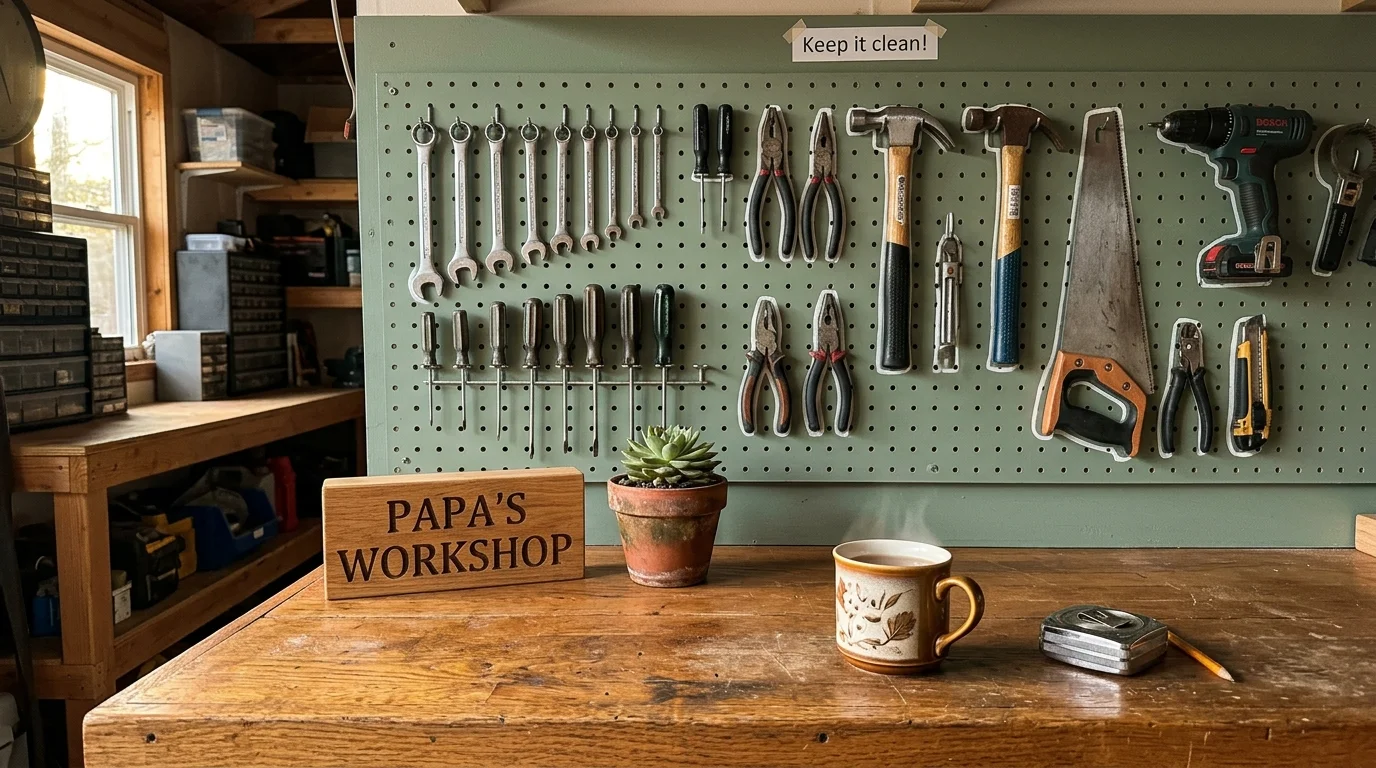
Having the best equipment offers little benefit if you cannot locate your tools quickly or if retrieving them causes physical pain. Ditch heavy metal toolboxes that force you to dig through dark compartments; instead, opt for an open-top canvas tool tote with dedicated exterior pockets. Soft bags keep gear visible, organized, and lightweight enough to transport anywhere in your house. For central storage, install a vertical pegboard system on a garage or utility room wall between waist and shoulder height, ensuring you never need to bend down or reach precariously overhead.
Incorporate smart design choices to integrate your workspace seamlessly into your overall interior style. Ideas highlighted in Architectural Digest design recommendations demonstrate how clean, color-coded storage bins and wall-mounted wooden racks keep utilitarian tools neatly tucked away while maintaining an attractive home aesthetic. Labeling tool slots with high-contrast text or color tape makes cleanup quick and prevents misplaced gear, turning routine maintenance into an organized, stress-free system.
Tool Maintenance and Upkeep for Long-Term Safety
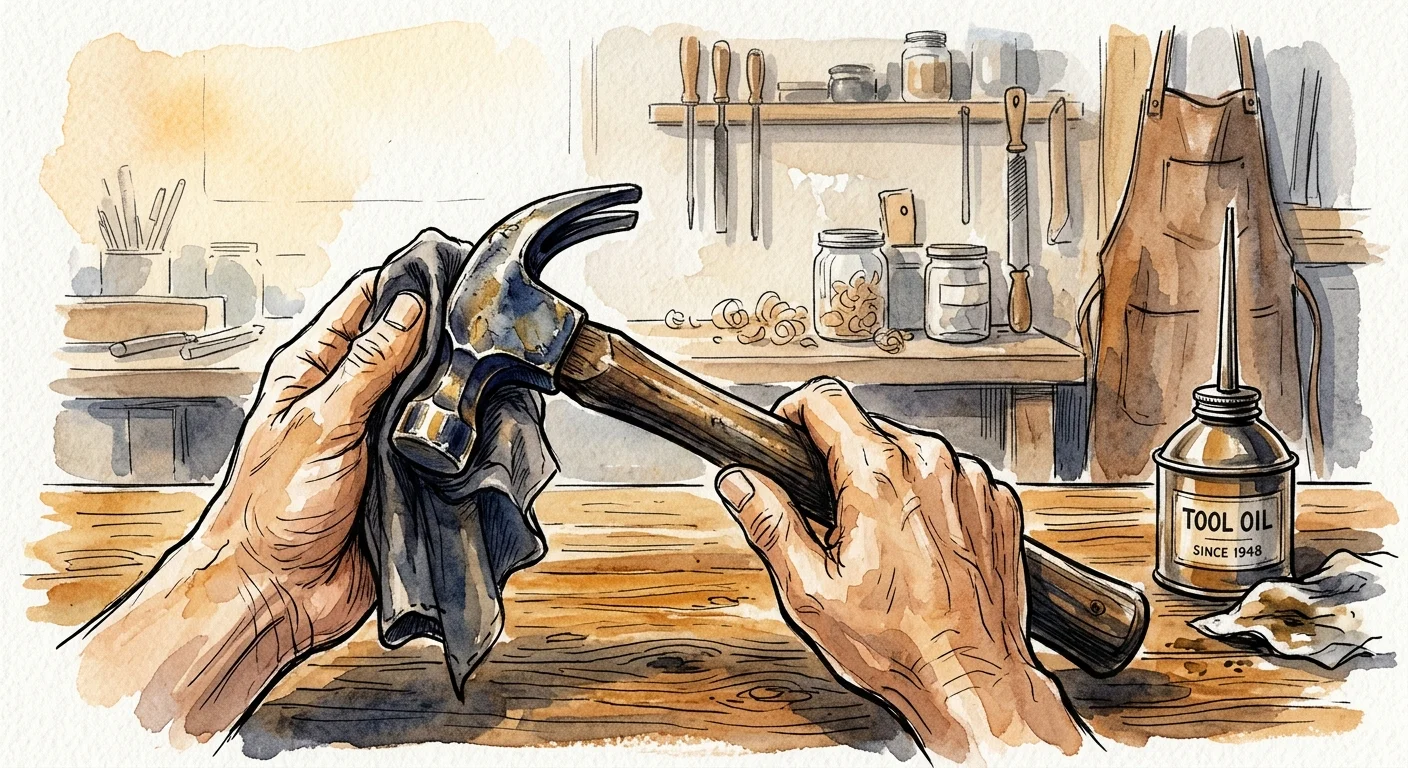
Proper maintenance protects your investment and ensures your gear functions safely whenever an unexpected repair arises. Moisture represents the primary threat to metal hand tools, leading to rust that ruins delicate mechanical parts. Wipe down metal blades, jaws, and drill bits with a light coat of multi-purpose machine oil or silicone spray twice a year. Store your equipment in a climate-controlled area or place silica gel packets inside your tool bag to absorb ambient humidity.
Power tool lithium-ion batteries also require specific care to maximize their operational lifespan. Never leave your 12-volt batteries sitting completely discharged for extended months; store them at roughly 50 percent charge in a dry environment between 50 and 70 degrees Fahrenheit. Following energy efficiency and equipment guidelines from the U.S. Department of Energy home maintenance resources helps prevent premature battery degradation and reduces standby power waste, ensuring your cordless drill remains fully powered whenever you need it.
Frequently Asked Questions About Senior Home Tool Kits
Should you choose cordless battery tools or corded tools for basic home maintenance?
Cordless 12-volt battery tools offer superior maneuverability and eliminate tripping hazards caused by trailing extension cords. Modern lithium-ion batteries provide ample run time and hold their charge for months while sitting idle in your toolkit. Unless you plan to undertake heavy-duty masonry cutting or continuous timber sawing, lightweight cordless tools provide the ideal combination of power, convenience, and safety for home repairs.
How can you reduce joint strain and arthritis pain while using hand tools?
Select tools specifically designed with wide, ergonomic handles made from soft-touch rubber or gel padding. Look for spring-loaded pliers that automatically reopen after each squeeze, eliminating the need to pry jaws apart with your fingers. Additionally, choose ratcheting mechanisms for screwdrivers and wrenches, which minimize repetitive wrist rotations and allow you to leverage larger arm muscles rather than small finger joints.
What is a reasonable budget for a complete home repair toolkit essentials package?
You can build a high-performing starter set for approximately $150 to $250. Investing in seven core quality tools yields far better durability and performance than buying cheap 100-piece clearance sets containing weak metals and poor ergonomics. Spend slightly more on your primary cordless drill and multi-bit driver, as these two items perform the vast majority of household tasks.
How should you store tools safely to avoid lifting heavy loads or bending down?
Store heavy equipment on sturdy shelving located between knee and chest height to prevent back strain when lifting. Avoid storing frequently used items on low floor levels or high top shelves requiring step stools. Using lightweight canvas totes or rolling cart drawers allows you to move gear smoothly across floor surfaces without carrying excessive weight in your arms.
Take Control of Your Living Space Today
Maintaining your home during retirement should feel like an empowering, creative outlet rather than a physical chore. Equipping yourself with ergonomic, purpose-built tools eliminates the discomfort and frustration often associated with home repairs. Start by auditing your current tool drawer and replacing worn, heavy gear with lightweight alternatives tailored to your physical comfort. Each small repair you handle independently enhances your living environment, protects your financial investment, and reinforces your self-reliance. Gather your essentials today and take complete charge of your personal space with pride and confidence.