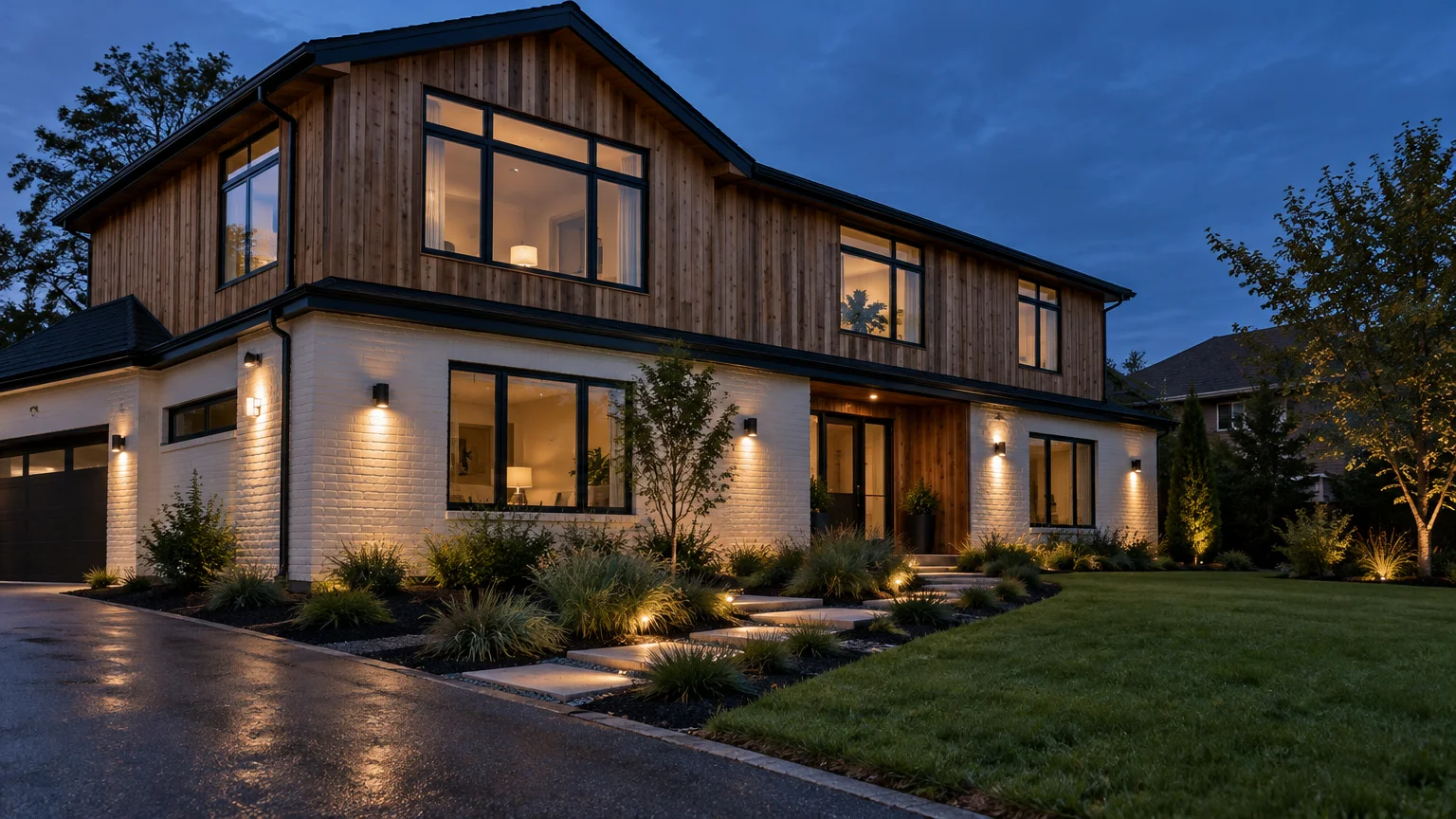
You can transform tired siding, dated trim, and faded accents into an inviting modern facade without hiring an expensive contractor. Strategic updates instantly elevate curb appeal and build real equity.
Data from the National Association of Realtors outdoor remodeling report reveals that ninety-seven percent of real estate agents believe curb appeal attracts buyers. In fact, exterior remodeling projects routinely dominate national return-on-investment rankings.
These nine high-impact exterior home upgrades will refresh your home exterior and make an aging property feel brand new on a realistic budget.

Planning Your Exterior Refresh
Before picking up tools or ordering supplies, establish clear expectations for your budget, timeline, and physical labor. A structured plan prevents scope creep and keeps your upgrades manageable.
Most of these projects require only a weekend afternoon and basic hand tools. You can complete several cosmetic adjustments for under two hundred dollars each.
Always verify municipal building codes and neighborhood guidelines before altering structural facades or choosing paint palettes. Careful preparation guarantees that your exterior improvements proceed smoothly and stay within budget.
1. Restore Siding and Masonry with Deep Cleaning
Years of atmospheric soot, pollen, and mildew can dull even high-grade building materials. A thorough wash strips away decades of grimy residue to reveal bright, original color underneath.
Renting a commercial power washer costs between $40 and $100 per day. Purchasing an entry-level electric unit costs about $120 to $250, while professional pressure washing averages $200 to $450.
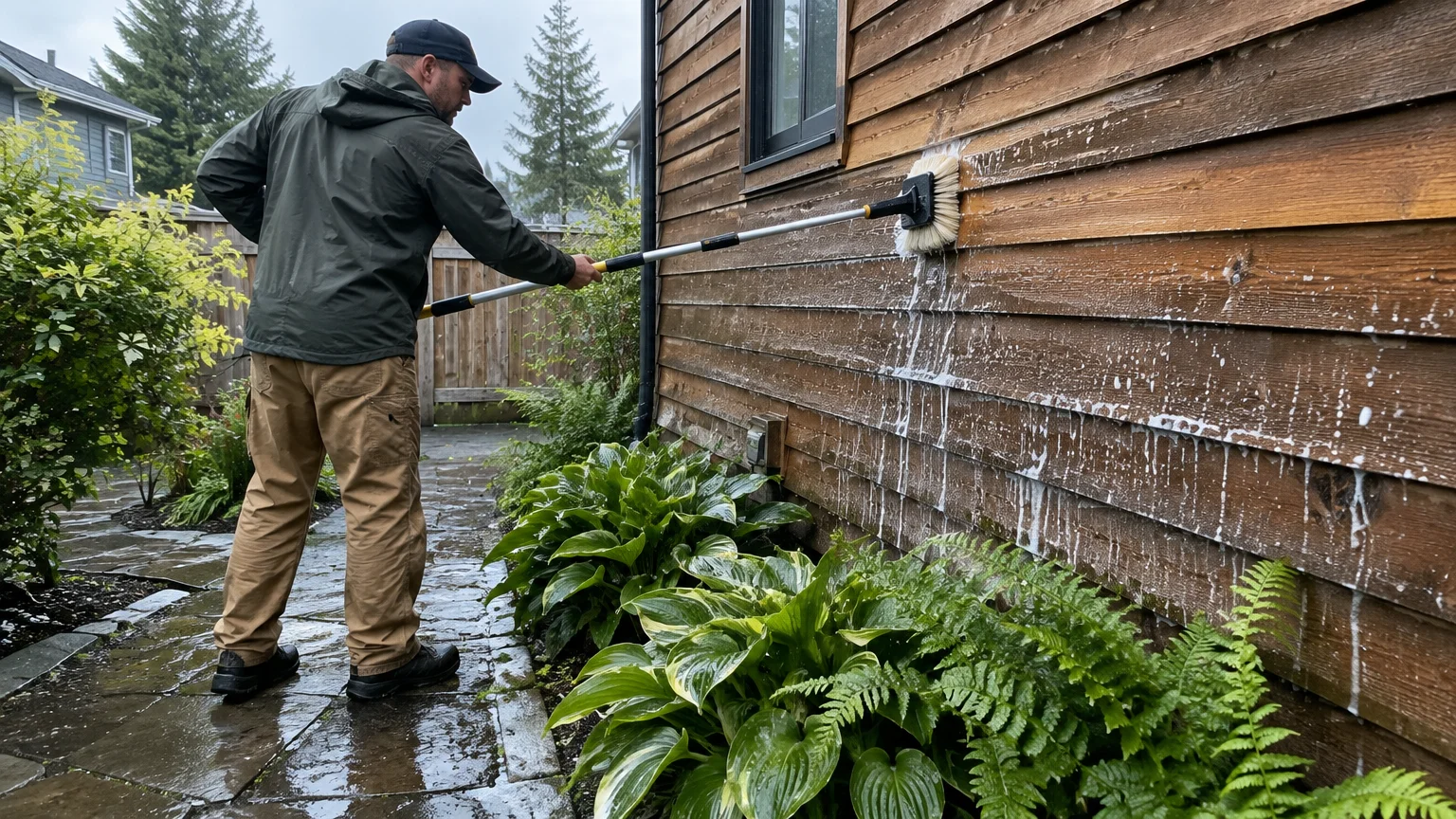
Pre-wet adjacent garden beds with fresh water so plant roots do not absorb cleaning detergents. Apply a biodegradable wash from the bottom up, let it dwell for ten minutes, and rinse thoroughly from top to bottom.
Never use high pressure on vintage brick, soft mortar, or aged wood clapboards. Gentle scrubbing with an extendable soft-bristle brush prevents water intrusion while delivering spotless masonry and siding.
2. Revitalize the Front Door with High-Impact Color
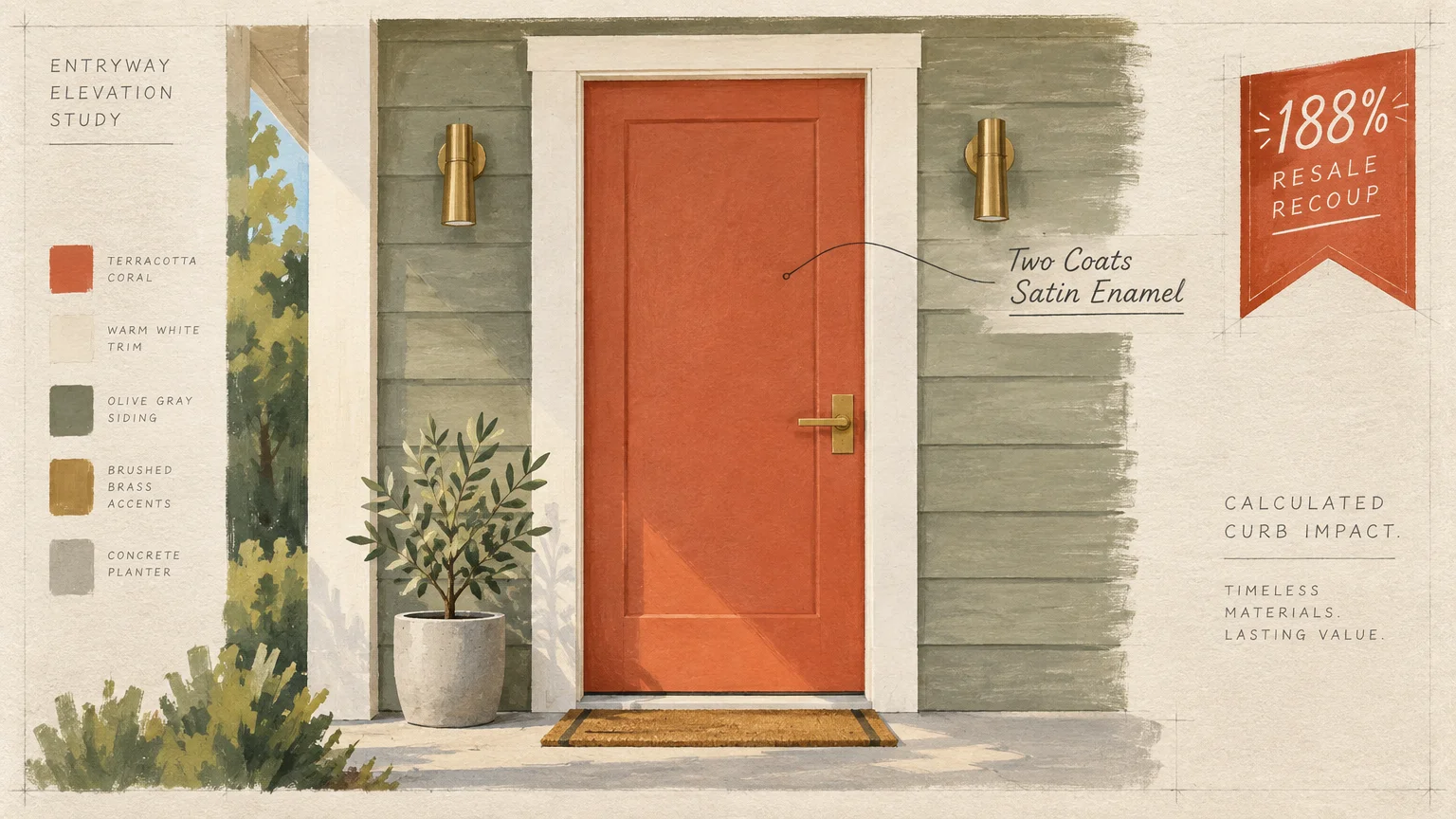
Your entryway serves as the primary visual focal point for the entire property. A bold, modern color choice draws the eye, anchors your porch, and establishes an inviting ambiance.
Refinishing an existing entry door with fresh exterior paint and primer costs just $30 to $75. In contrast, purchasing and installing a new pre-hung exterior door unit costs between $500 and $2,000.
If you choose to replace a damaged door, energy-efficient steel models recoup an average of 188 percent at resale. Furthermore, qualifying installations earn a federal tax credit under IRS Section 25C capped at $250 per door.
Review the latest Department of Energy door performance ratings before purchasing replacements. If painting your existing door, remove all hardware and apply two coats of exterior satin enamel for durable protection.
3. Upgrade to Modern Architectural Lighting
Dated brass carriage lanterns often shrink the perceived scale of an entryway. Contemporary fixtures instantly modernize the elevation and improve nighttime visibility around steps.
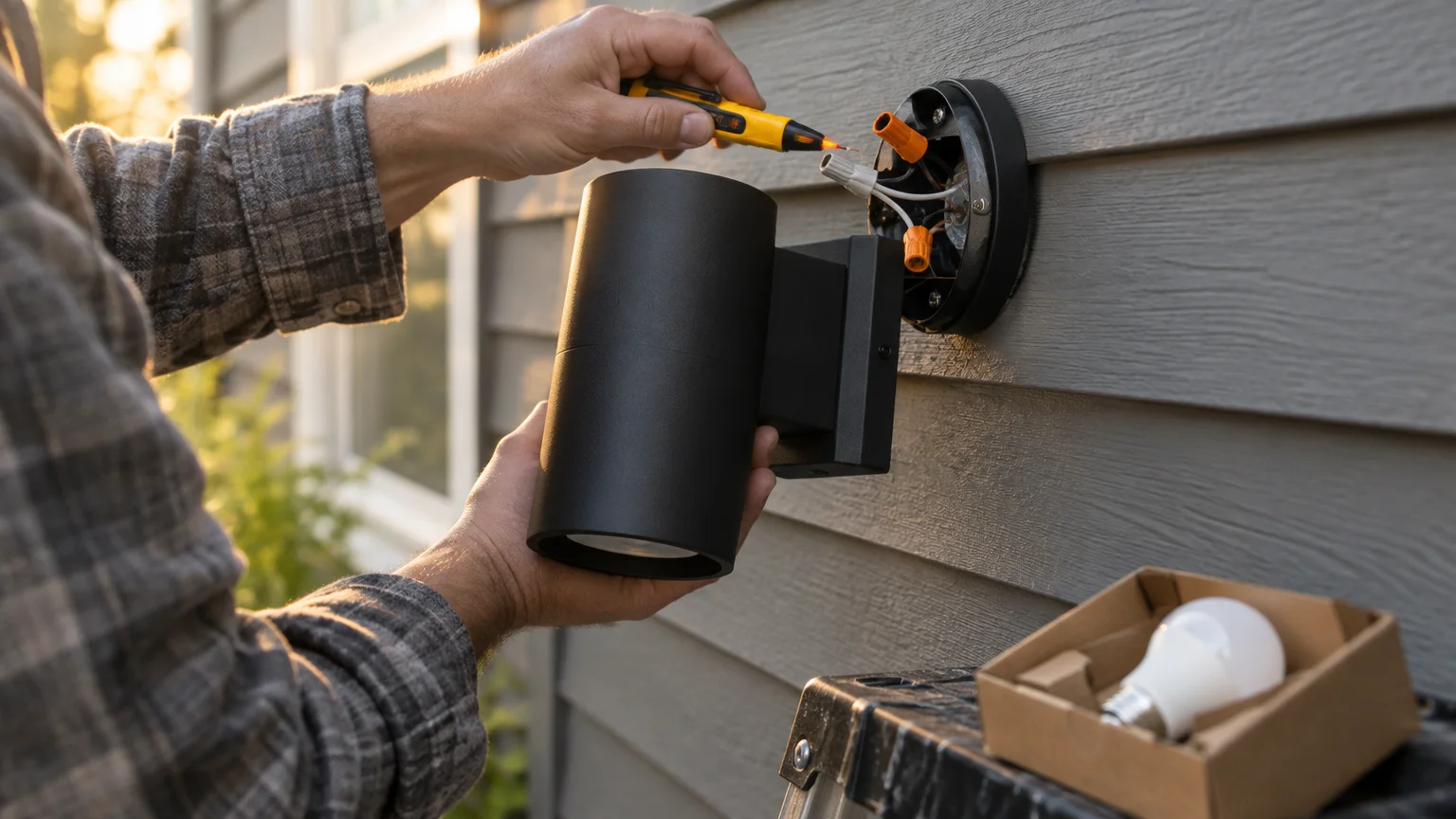
Replacing outdated sconces typically costs between $40 and $150 per fixture. Choose fixtures sized roughly one-third the height of your front door to preserve balanced architectural proportions.
Turn off the power at the main breaker panel before disconnecting any existing electrical wires. Test the lines with a non-contact voltage tester to verify the circuit is completely dead before mounting the new bracket.
Select warm white LED bulbs between 2700K and 3000K to produce a welcoming glow without clinical glare. Downward-facing fixtures reduce light pollution while accenting architectural siding textures.
4. Transform the Garage Door Facade
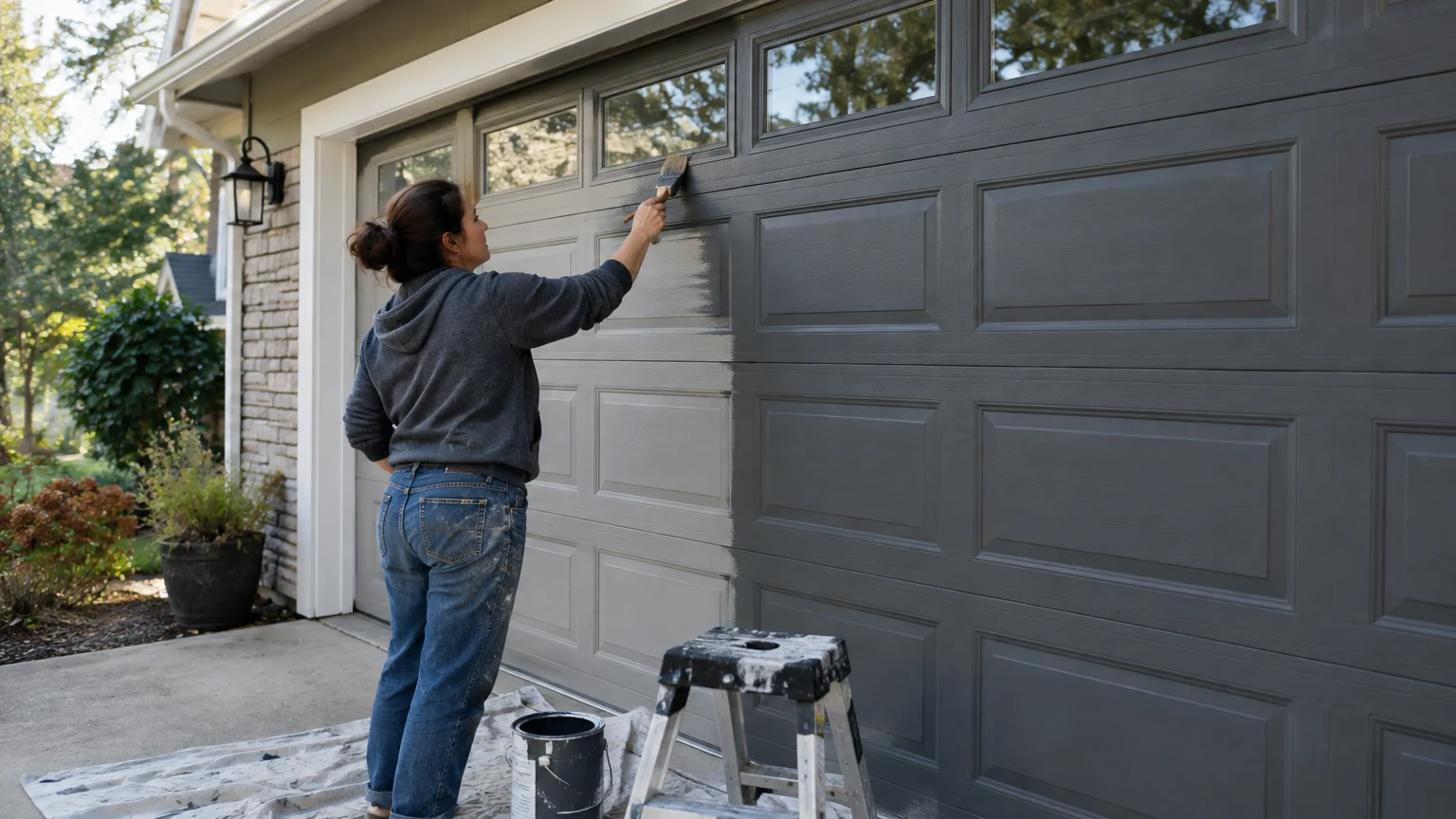
Because garage doors often cover up to thirty percent of a front facade, a tired door drags down curb appeal. Refreshing this massive surface produces immediate architectural impact.
According to the Zonda Cost vs. Value Report, replacing a garage door ranks first nationwide for return on investment. The project recoups an astounding 194 percent of costs at resale, yielding nearly double your investment.
If complete replacement is outside your budget, magnetic decorative carriage hardware kits cost under thirty dollars. These simple handles and faux hinges snap directly onto steel doors without drilling.
Clean the door panels thoroughly, scuff glossy paint, and apply two coats of exterior acrylic latex. Deep charcoal, slate gray, or warm gel stains deliver sophisticated contrast against light siding.
5. Install Contemporary House Numbers and Door Hardware
Small details telegraph the care you invest in your property. Faded address numbers or tarnished locksets signal deferred maintenance to visitors and potential buyers.
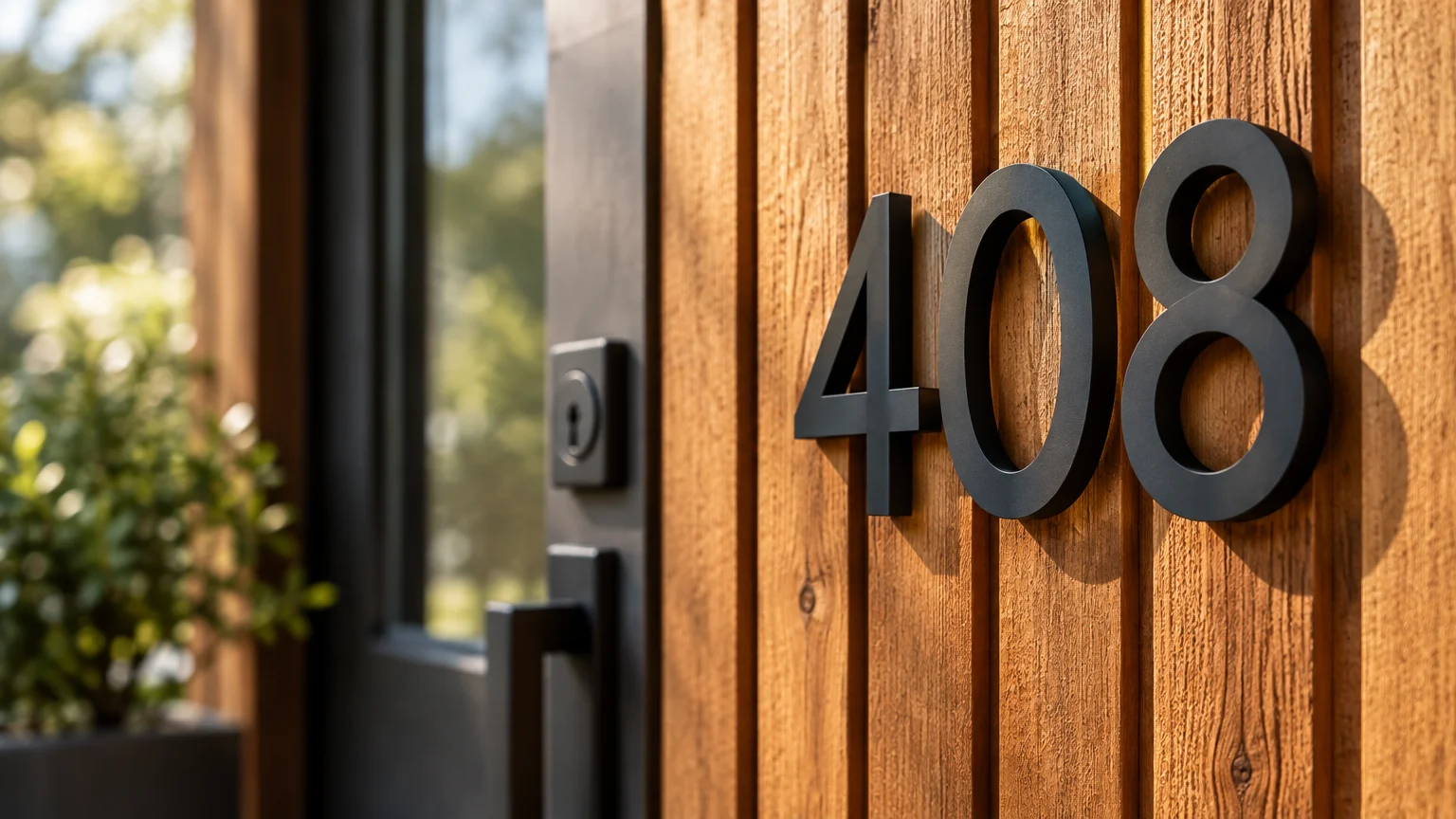
Modern architectural house numbers average $15 to $50, while updated exterior locksets generally run $50 to $200. This affordable exterior update provides an instant visual lift.
Select five-to-eight-inch floating metal numbers in matte black or brushed brass. Mount them near an exterior light source where emergency responders and delivery drivers can read them effortlessly.
Pair the new numbers with a heavy-duty deadbolt and sleek entry lever in an identical finish. Cohesive metallic hardware unifies your entryway and establishes a refined design narrative.
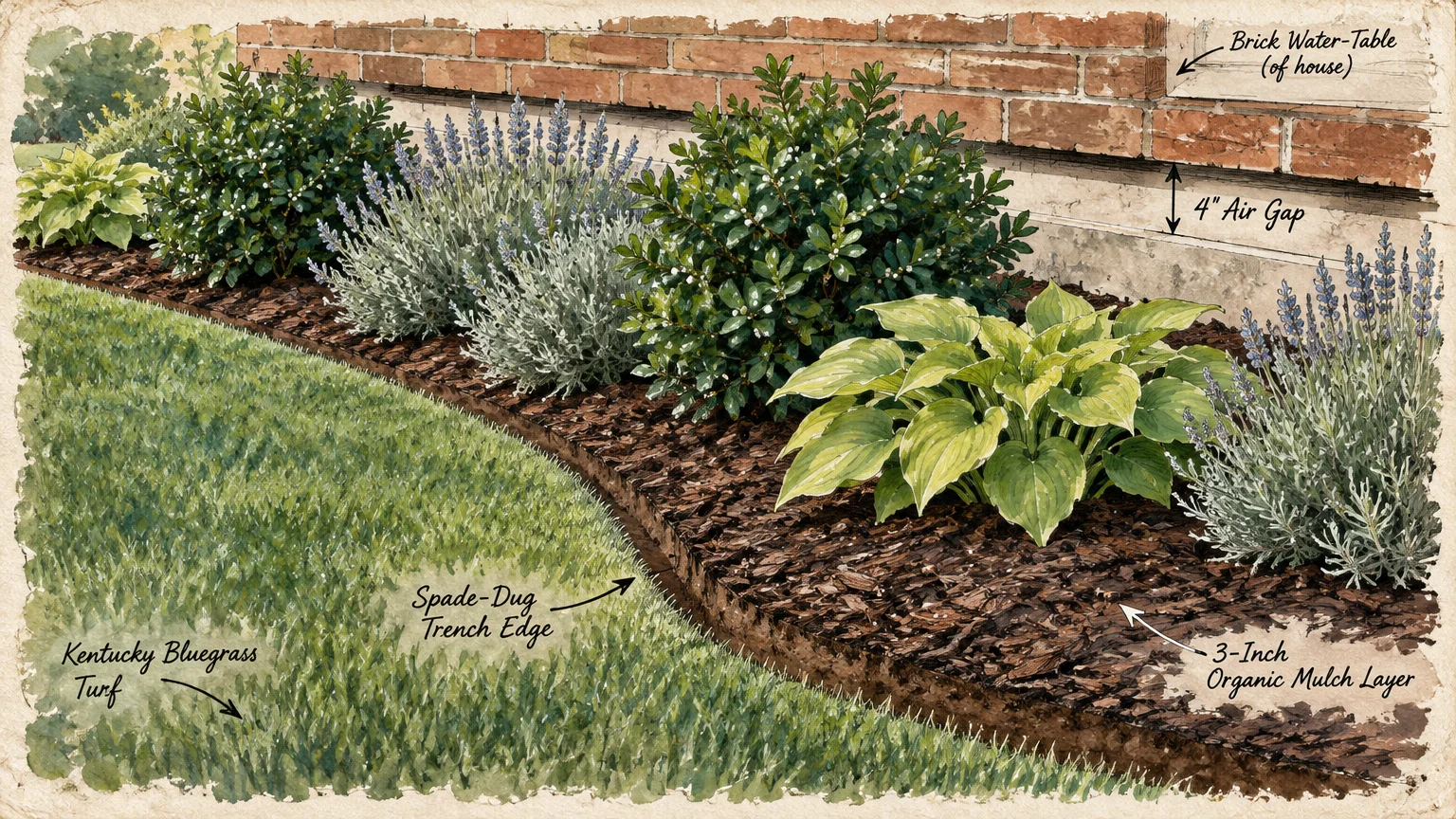
6. Edge, Mulch, and Revitalize Foundation Landscaping
Overgrown foundation shrubs and ragged lawn edges hide architectural charm. Crisp garden borders create structured geometry that frames your home beautifully.
National Association of Realtors data indicates that basic lawn care recovers up to 217 percent of project costs at resale. General landscape maintenance delivers an equally impressive 104 percent cost recovery.
Carve a clean three-inch-deep trench edge between your lawn and planting beds using a sharp spade. This physical trench blocks turfgrass roots and gives garden beds sharp, professional definition.
Prune branches away from siding, and consult regional planting advice from Cooperative Extension services to select resilient native perennials. Spread two inches of dark hardwood mulch over bare soil to lock in moisture and deter weeds.
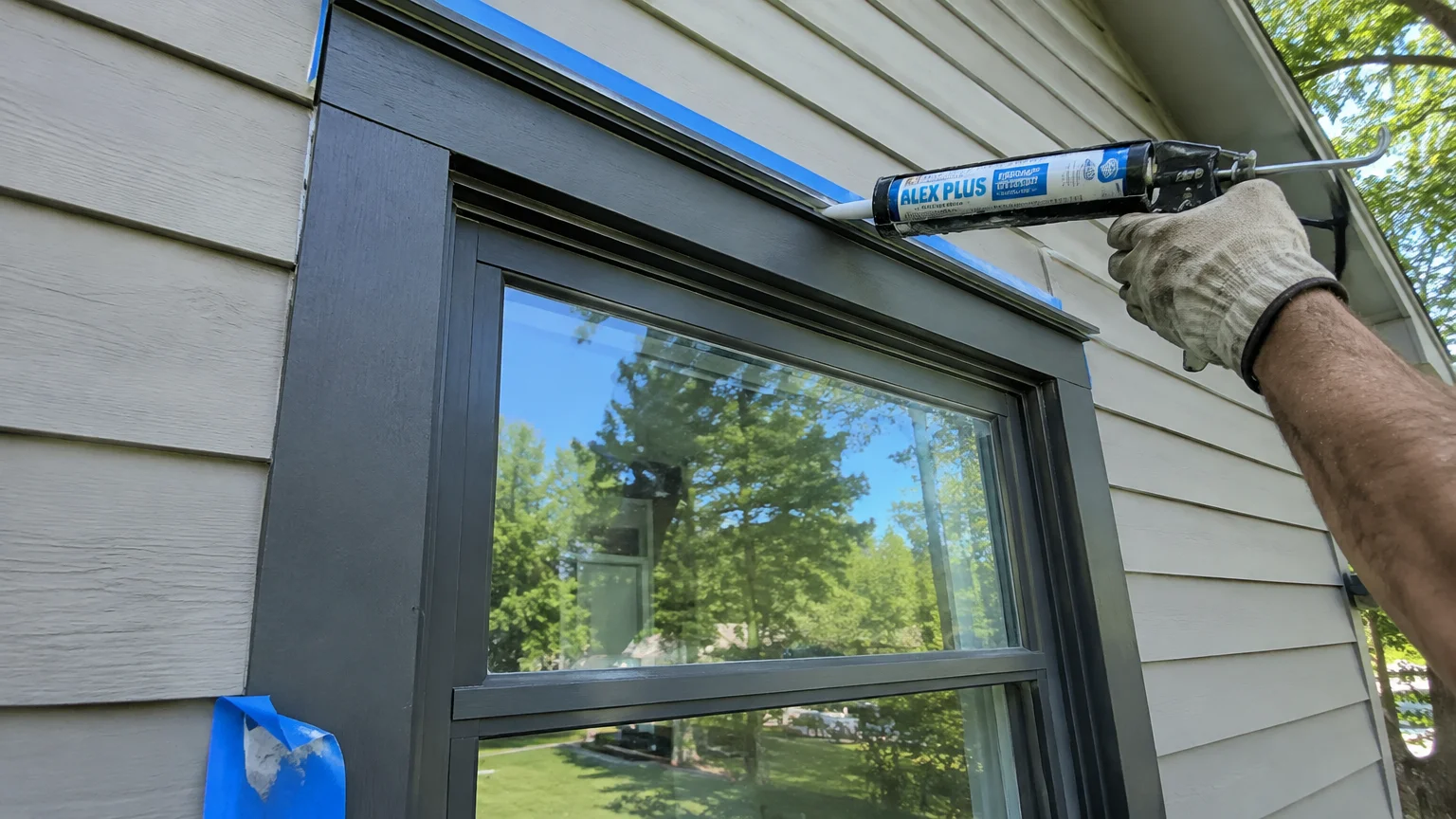
7. Frame Windows with Crisp Trim and Modern Shutters
Windows serve as the expressive focal elements of exterior architecture. Peeling window frames or faded shutters leave your facade looking worn and neglected.
Scrape loose paint from window sills, apply exterior primer, and seal exterior perimeter seams with flexible polyurethane caulk. A coat of bright white or contrasting dark trim paint creates sharp visual pop.
Replacing warped plastic shutters with cedar board-and-batten styles adds rich organic texture. Ensure your shutters measure half the width of the window opening to preserve authentic architectural scale.
Homeowners replacing older units with high-efficiency models can earn federal tax credits up to $600 under IRS Section 25C. Review ENERGY STAR building efficiency standards to verify qualifying performance criteria before ordering windows.
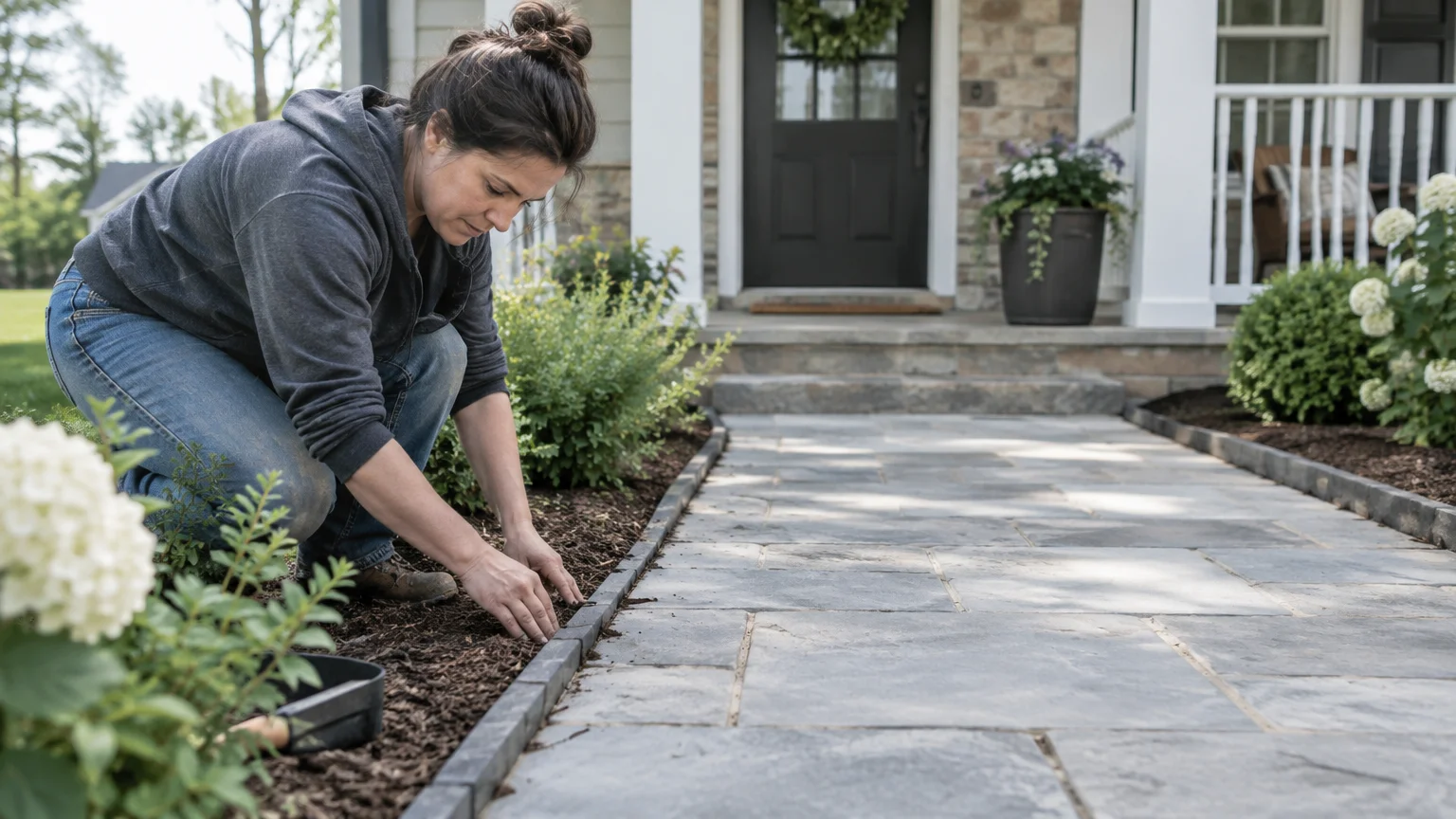
8. Build Defined Walkways and Porch Borders
A crumbling or indistinct pathway disrupts visual flow and creates tripping hazards. A well-defined walkway guides visitors smoothly toward your welcoming front entrance.
Excavate four inches of soil along your path, compact the ground, and lay down durable landscape fabric. Add two inches of crushed stone base followed by a level layer of setting sand.
Lay concrete pavers or natural flagstone in a running bond pattern. Sweep polymeric sand into the joints and lightly mist with water to lock the pavers against weed growth.
If you already have a sound concrete walkway, install stacked stone or steel border edging along the sides. Low-voltage path lighting installed along the perimeter enhances nighttime safety and highlights surrounding plants.
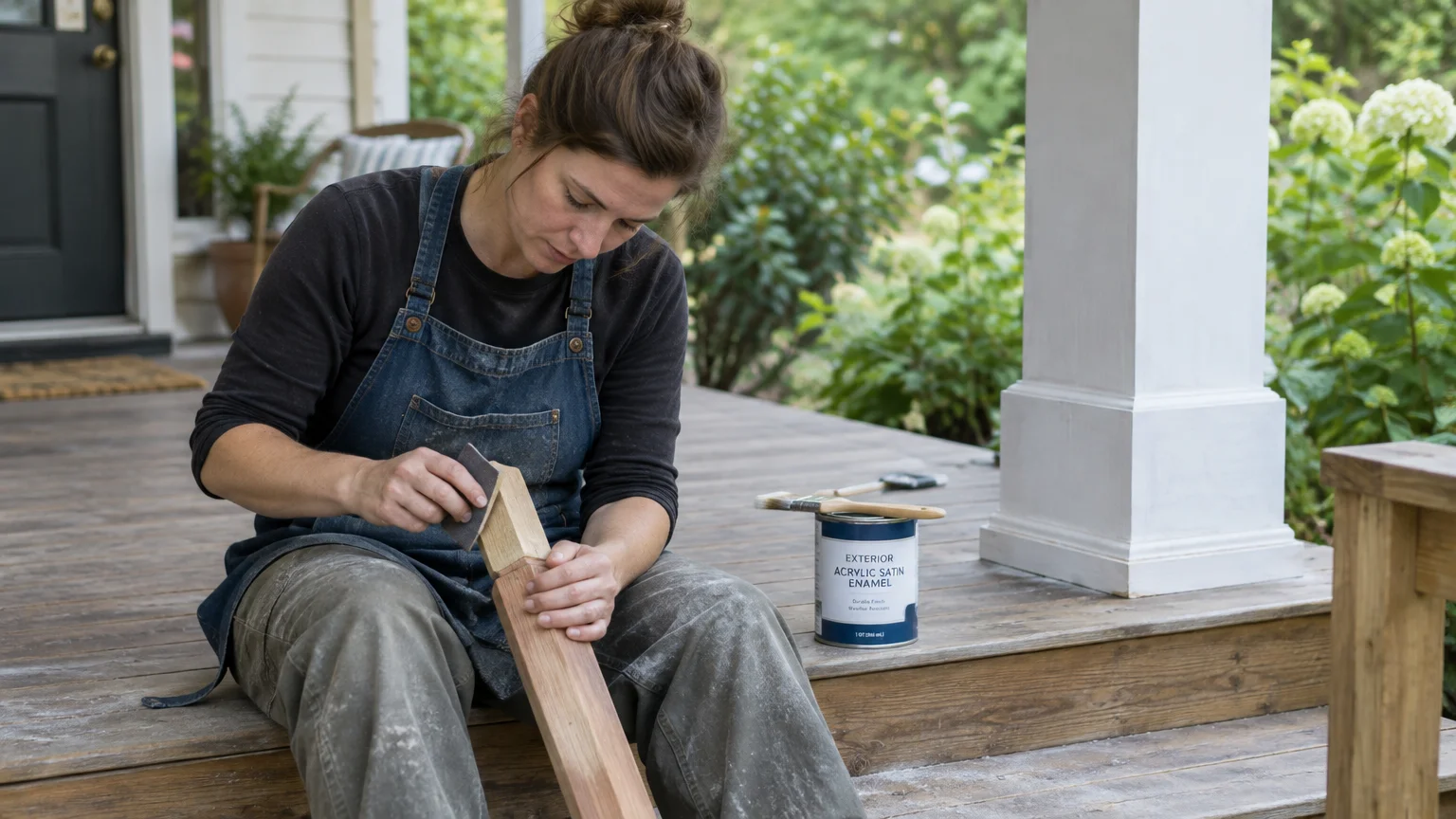
9. Refresh Porch Railings and Accent Columns
Thin porch posts and weathered railings make an entryway feel insubstantial. Upgrading these support features lends architectural weight and commanding curb presence to your facade.
Wrap existing four-by-four posts in cellular PVC, cedar, or stained fir column wraps. This simple trim project increases post dimensions to six or eight inches without requiring complex structural carpentry.
Inspect existing wooden railings for loose balusters or peeling paint. Sand the woodwork smooth and apply two coats of durable exterior porch enamel for long-lasting weather protection.
According to styling ideas curated by Architectural Digest exterior trends, pairing warm natural wood tones with crisp architectural trim creates timeless exterior harmony. Even subtle column improvements dramatically redefine the character of your facade.
Troubleshooting Pitfalls and Long-Term Maintenance
Aggressive power washing remains the most frequent DIY exterior mistake. Excessive water pressure strips paint prematurely, damages window seals, and injects unwanted moisture behind siding.
Never paint damp exterior surfaces or apply acrylic coatings under harsh midday sun. Quick drying prevents paint from adhering properly to substrates, which causes blistering and flaking.
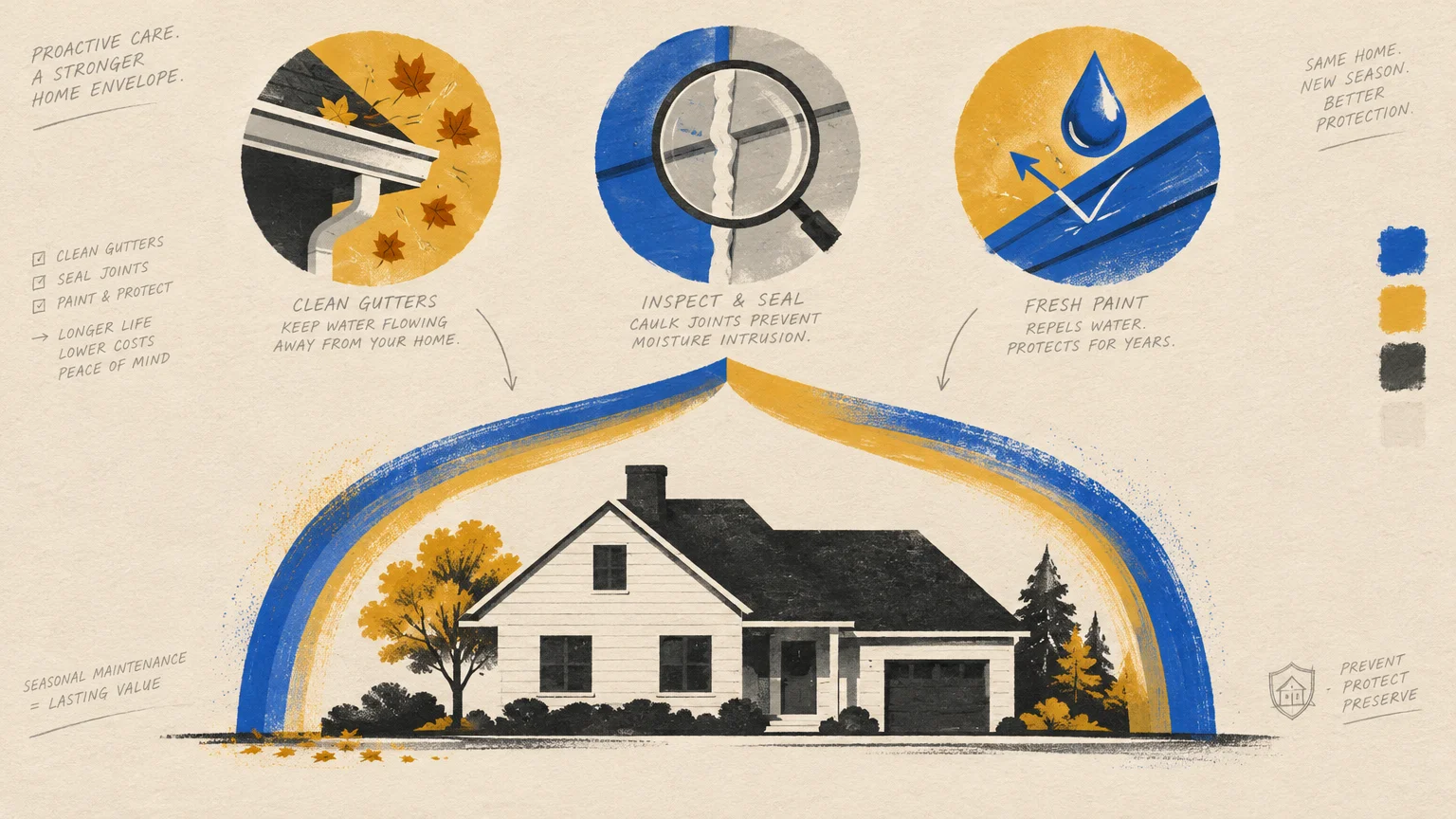
Direct roof runoff away from foundation walls by maintaining clear gutters and installing downspout extensions. Proper drainage safeguards newly laid walkway pavers, garden mulch, and foundation masonry against water erosion.
Conduct a brief exterior inspection each spring to spot cracked caulk, faded stain, or loose fasteners. Catching small cosmetic issues early protects your remodeling investments for years to come.
Frequently Asked Questions
Which exterior upgrade yields the highest financial return?
Garage door replacement delivers the highest nationwide return on investment at roughly 194 percent of costs recouped at resale. Steel entry door replacements follow closely behind with an impressive 188 percent return.
Basic lawn care and simple landscape maintenance also provide extraordinary financial recovery, returning between 104 and 217 percent of expenses. Exterior curb-appeal upgrades consistently outperform interior remodels in national cost recovery data.
Can I paint vinyl siding or aluminum trim without peeling?
Yes, you can successfully paint vinyl siding and aluminum trim with proper prep and materials. Wash the surface with a TSP substitute to remove dirt, grease, and chalky oxidation.
Apply exterior acrylic latex specifically formulated for vinyl and metal surfaces. Select a shade no darker than the original siding color to prevent excessive heat buildup and thermal warping.
How do I qualify for federal tax credits on exterior replacements?
Under IRS Section 25C, homeowners can claim a thirty percent credit on qualifying energy-efficient improvements. Eligible exterior doors qualify for up to $250 each, with a $500 total annual cap.
Replacement windows must meet ENERGY STAR Most Efficient ratings and qualify for up to $600 annually. Retain your manufacturer certification statements and purchase receipts to substantiate your credit at tax time.
What basic power tools should I invest in for exterior DIY work?
A cordless drill and impact driver combo handles house numbers, locksets, shutters, and railing assembly with ease. These versatile tools form the essential core of your exterior home improvement toolbox.
An electric pressure washer rated between 1500 and 2000 PSI safely cleans siding, pavers, and decks. A random orbital sander and a sharp hand saw provide plenty of capability for trim projects.
Start Your Exterior Transformation Today
Revitalizing your home exterior does not require a massive construction budget or professional contractors. Tackling one manageable project this weekend builds great momentum and immediately boosts your pride of ownership.
Choose the single upgrade that addresses your home’s most pressing visual need, whether painting the entry door or edging overgrown beds. Grab your tools today and start creating the home exterior you love.