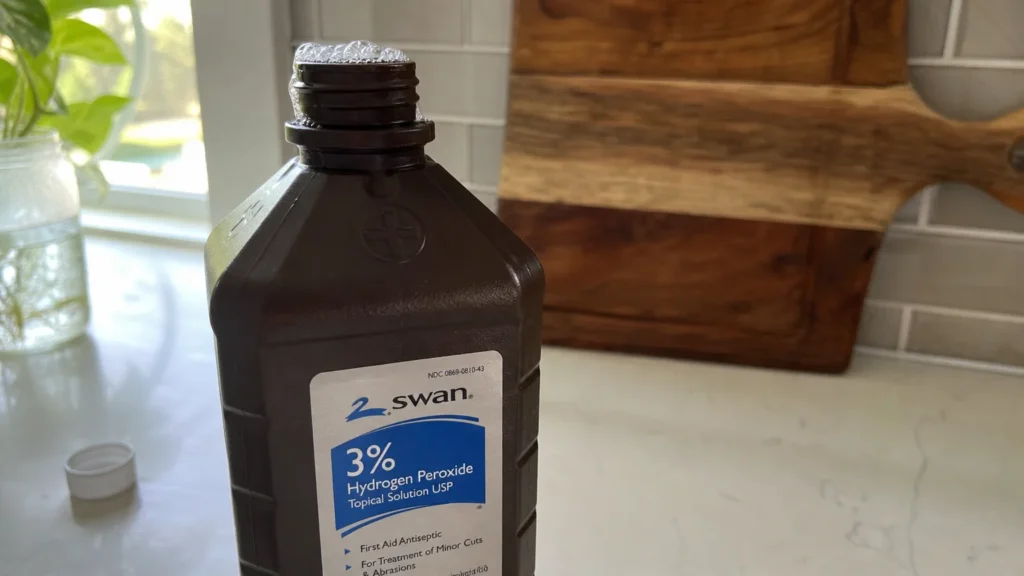
Transform your daily cleaning routine and banish stubborn stains using a cheap, widely available brown bottle you already have hiding in your bathroom cabinet. Hydrogen peroxide offers a powerhouse alternative to harsh commercial chemicals, giving you professional-level sanitation for pennies per ounce. This unassuming liquid tackles everything from dingy tile grout to wilted houseplants without leaving toxic residues behind. When you understand how to harness its natural oxidizing power, you instantly unlock a safer, more efficient way to maintain every room in your home. Dive deep into the science and strategy behind this miraculous household staple so you can upgrade your DIY cleaning solutions and breathe fresh life into your living spaces right now.

Planning Your Deep Clean Overhaul
Before you gut your entire cleaning caddy, you need to establish a clear project baseline. This home sanitation overhaul stands out as one of the most budget-friendly domestic projects you will ever undertake. A standard thirty-two-ounce bottle of hydrogen peroxide costs approximately two dollars at your local pharmacy. You can realistically upgrade your entire cleaning system for under ten dollars, including the cost of baking soda and a fresh set of microfiber cloths. This project scales perfectly to your available timeline. You can knock out quick tasks like sanitizing wooden cutting boards in under five minutes, while heavily scorched pans or stubborn carpet stains require a hands-off, overnight soaking period. You do not need any advanced DIY skills or specialized equipment to achieve professional-grade results. If you can spray a bottle and wipe a counter, you possess all the necessary expertise to execute this comprehensive household transformation.

Phase One: Preparation and Materials
Gathering the right supplies ensures your cleaning sessions remain efficient and entirely safe. You need several bottles of fresh, three-percent hydrogen peroxide. Inspect the expiration dates closely before purchasing, as expired fluid provides zero sanitation benefits. Procure a dedicated set of color-coded microfiber cloths; assign blue cloths exclusively for bathrooms and green cloths for kitchen surfaces to prevent cross-contamination. Wear heavy-duty rubber gloves to protect your skin, as prolonged exposure to the oxidizing liquid temporarily turns your fingertips white and causes mild irritation. Always test your homemade cleaning pastes on a small, hidden patch of fabric or flooring before committing to a widespread application. Proper preparation mitigates the risk of accidental bleaching and guarantees your materials are perfectly primed to tackle severe grime.

Phase Two: Executing the 11 Surprising Uses
1. Reviving Dingy Grout Lines
Revitalizing your bathroom floor requires nothing more than baking soda and standard three-percent hydrogen peroxide. Pour a half-cup of baking soda into a bowl and stir in peroxide until you form a thick paste. Apply this directly to dingy grout lines using an old toothbrush. Let it sit for ten minutes so the bubbling action lifts embedded mold spores. Scrub vigorously, then wipe away the residue with a damp cloth. You can learn more about expert bathroom maintenance strategies to keep floors pristine.
2. Rescuing Scorched Pots and Pans
Salvage heavily scorched pots by thoroughly dusting the bottom of the pan with baking soda. Spray pure hydrogen peroxide directly over the powder until fully saturated. Leave the pan on your counter for three hours. The chemical reaction between the mild abrasive and the oxidizer effectively breaks the tight bonds of the baked-on carbon. Wipe the mess away with a standard sponge and rinse with hot water.
3. Eliminating Armpit Stains from White Shirts
Banish stubborn yellow underarm stains by mixing one part liquid dish soap with two parts hydrogen peroxide. Massage this liquid deeply into the affected fabric fibers using a soft laundry brush. Allow the garment to sit for exactly thirty minutes before laundering it on your usual wash cycle. The peroxide naturally bleaches the yellow discoloration while the dish soap dissolves lingering oil residues.
4. Sanitizing Wooden Cutting Boards
Porous wooden cutting boards harbor invisible bacteria deep within their grain. Wash your board with soap and hot water to remove surface debris first. Spray pure three-percent hydrogen peroxide generously across the damp wood. Watch as the liquid fizzes, indicating the destruction of harmful microbes. Let the board sit for five minutes, rinse under running water, and stand it upright to dry.
5. Boosting Plant Health and Fighting Root Rot
Overwatering your indoor jungle often leads to root rot and annoying fungus gnats. Save your houseplants by mixing one tablespoon of hydrogen peroxide into one cup of room-temperature water. Pour this aerating solution directly into the soil. The extra oxygen aggressively aerates the waterlogged root system and kills fungal spores. Check with university extension services for comprehensive guides on identifying specific plant diseases.
6. Disinfecting Beauty and Grooming Tools
Makeup brushes, metal tweezers, and nail clippers accumulate dead skin cells and bacteria with daily use. Disinfect these grooming items quickly by submerging metal tools entirely in pure hydrogen peroxide for ten minutes. For makeup brushes, dip only the synthetic bristles into a half-water, half-peroxide mixture, keeping the glued ferrules dry. Rinse thoroughly with warm water and air dry.
7. Clearing Up Cloudy Humidifiers
Ultrasonic humidifiers quickly become breeding grounds for mold and pink slime. Empty the water tank and pour in two cups of pure hydrogen peroxide. Swish the liquid around vigorously to coat every interior surface. Let the tank sit for thirty minutes to obliterate bacterial biofilms. Rinse repeatedly with fresh water. Understanding optimizing household appliance efficiency ensures your devices run safely all winter.
8. Removing Organic Carpet Stains
Accidental spills and pet messes demand immediate attention. Blot up as much of the fresh spill as possible using a dry towel. Spray hydrogen peroxide directly onto organic stains like red wine or pet urine. Wait for the liquid to foam, signaling the lifting of pigments from the synthetic fibers. Blot the area gently with a clean cloth—never rub, as rubbing pushes stains deeper.
9. Whitening Yellowed Plastics
Vintage electronics and aging appliance covers turn yellow over time due to degrading fire-retardant chemicals. Restore their crisp white color using the retro-brighting technique. Coat the plastic thoroughly with hydrogen peroxide cream, wrap the item tightly in clear plastic wrap, and place it outside in direct sunlight. The combination of ultraviolet rays and oxidation reverses the chemical degradation entirely.
10. Refreshing Musty Towels in the Wash
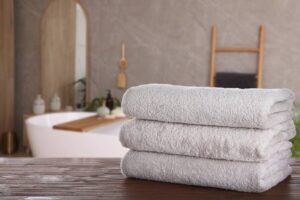
Bath towels frequently trap moisture and develop a sour, mildewed odor that detergent fails to remove. Refresh your linen closet by adding a half-cup of hydrogen peroxide directly into the bleach dispenser of your washing machine. The extra oxygen attacks the lipid barriers of trapped bacteria and neutralizes embedded mildew spores, leaving your towels smelling incredibly clean and restoring their fluffy texture.
11. Cleaning Refrigerator Shelves Safely
Sticky condiment rings and raw meat drippings create hazardous zones inside your refrigerator. Clean these food-storage areas safely without relying on heavily perfumed, toxic chemical sprays. Wipe down all glass shelves and plastic crisper drawers with pure three-percent hydrogen peroxide. The solution reliably sanitizes surfaces and rapidly evaporates into harmless water. This zero-residue approach is critical for maintaining healthy indoor air quality.

Phase Three: Finishing Touches and Utility Styling
Now that your home sparkles, you must elevate the visual appeal of your newly formulated cleaning arsenal. Ditch the ugly, commercial plastic bottles that clutter your countertops. Decant your hydrogen peroxide into beautiful, opaque amber glass spray bottles. The dark amber color serves a critical functional purpose—it blocks ultraviolet light, which rapidly degrades the peroxide and turns it into ordinary water. Equip these glass bottles with matte black silicone sleeves to provide texture and prevent accidental shattering on hard tile floors. Create custom, minimalist waterproof labels to easily identify your various cleaning solutions. Arrange your bespoke bottles on a woven water hyacinth tray or a sleek galvanized metal caddy alongside your freshly folded microfiber cloths. Thoughtful organization transforms a mundane chore into a satisfying ritual. Explore resources dedicated to curating elegant utility spaces to find endless inspiration for your laundry room and under-sink cabinets.

Troubleshooting and Routine Upkeep
Mastering DIY cleaning solutions requires an understanding of basic household chemistry and preventative maintenance. Never mix hydrogen peroxide and white vinegar together in the same container. Combining these two common liquids creates peracetic acid, a highly corrosive substance that irritates your skin and damages your lungs. If you need the power of both cleaners, spray them sequentially and wipe the surface completely dry between applications. Always verify the potency of your peroxide before starting a major project. Pour a tiny splash directly into your kitchen sink drain. If the liquid aggressively fizzes and bubbles, the active oxygen remains potent and ready to clean. If it lies completely flat, the solution has naturally expired and requires immediate replacement. Store your bulk refill bottles in a cool, dark hallway closet away from direct sunlight and extreme temperature fluctuations to guarantee maximum shelf life.
Frequently Asked Questions
How long does hydrogen peroxide remain effective after opening?
Once you crack the seal on a fresh bottle, the solution maintains its peak effectiveness for approximately six months. An unopened bottle lasts up to three years when stored in a climate-controlled, dark environment. Write the date you opened the bottle directly on the label using a permanent marker so you can easily track its expiration timeline and avoid cleaning with degraded fluid.
Can I use higher concentrations like food-grade peroxide for deep cleaning?
You must stick strictly to the standard three-percent formulation sold at local pharmacies for everyday household cleaning. Thirty-five-percent food-grade peroxide is highly caustic, incredibly dangerous to handle without specialized safety gear, and requires precise dilution. The three-percent concentration provides more than enough oxidizing power for tough stains without introducing unnecessary chemical hazards into your living space.
Is this solution safe to use on my natural stone countertops?
Keep hydrogen peroxide completely away from delicate natural stone surfaces like marble, granite, and limestone. The liquid is mildly acidic and will physically etch the sealant and the stone itself over time, leading to dull, irreparable spots. Use a dedicated, pH-neutral stone cleaner instead to protect your expensive kitchen and bathroom investments.
How do I efficiently apply these treatments to large outdoor living spaces?
Tackling expansive outdoor spaces like wooden decks or sprawling patio furniture sets requires a dedicated garden pump sprayer. Fill the reservoir with your three-percent solution to quickly coat wide surface areas. You must apply the treatment during the early morning or late evening hours when the sun is low. Direct, intense sunlight immediately neutralizes the liquid before it has the opportunity to break down outdoor mold and stubborn algae.
Embrace a Fresher Living Space
Taking control of your domestic environment feels incredibly empowering when you utilize safe, accessible, and highly effective materials. You no longer need to rely on harsh fumes or overpriced commercial sprays to achieve a meticulously sanitized home. By incorporating these surprising techniques into your weekly routine, you drastically simplify your cleaning processes while extending the lifespan of your fabrics, appliances, and surfaces. Grab that brown bottle from the back of your bathroom cabinet, put on your favorite pair of rubber gloves, and start tackling those stubborn stains right now. Your flawlessly clean, beautifully refreshed home is just one simple spray away.