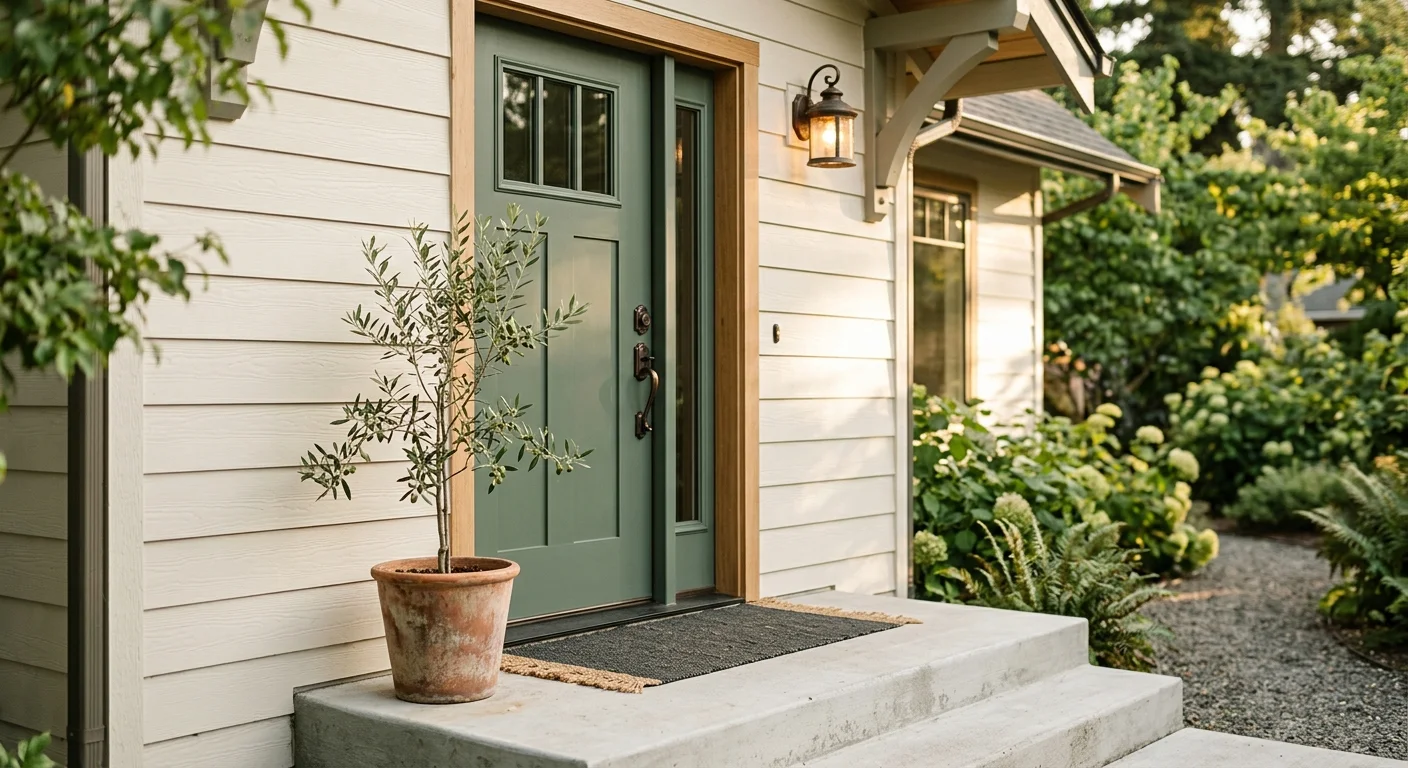
Smart home updates do far more than improve your daily routine; they build direct equity while maximizing your property’s resale value. According to recent housing market data, 72% of home sellers complete at least one renovation before listing their property. However, not all home improvement projects yield equal financial returns. While lavish, major interior overhauls often recoup less than half their cost, exterior replacements and targeted minor upgrades frequently deliver well over 100% ROI upon resale. By choosing strategic projects like steel entry doors, garage upgrades, and minor kitchen refreshes, you can maximize your home’s equity while creating beautiful, highly functional living spaces today.

Strategic Renovation Planning: Maximize Equity and Impact
Navigating home improvements requires balancing immediate aesthetic enjoyment with long-term financial payoff. Recent industry data from the Zonda Cost vs. Value Report indicates that exterior replacement projects represent eight out of the top ten highest-ROI renovations nationwide. This trend stems from lower labor costs, immediate curb appeal, and enhanced weather protection. Conversely, major upscale interior remodels typically recoup only 38% to 50% of their cost. When planning your project schedule, prioritize high-yield exterior replacements and modest interior updates to secure strong equity growth.
Before picking up a hammer, create a planning snapshot evaluating your budget, timeline, and skill level. Assessing these factors prevents budget creep and unexpected contractor fees. While basic woodworking and painting steps are easily DIY-friendly, complex electrical setups require licensed professionals. Focusing on projects with predictable material expenses keeps your investment secure while building real hands-on home improvement confidence.
1. Steel Entry Door Replacement
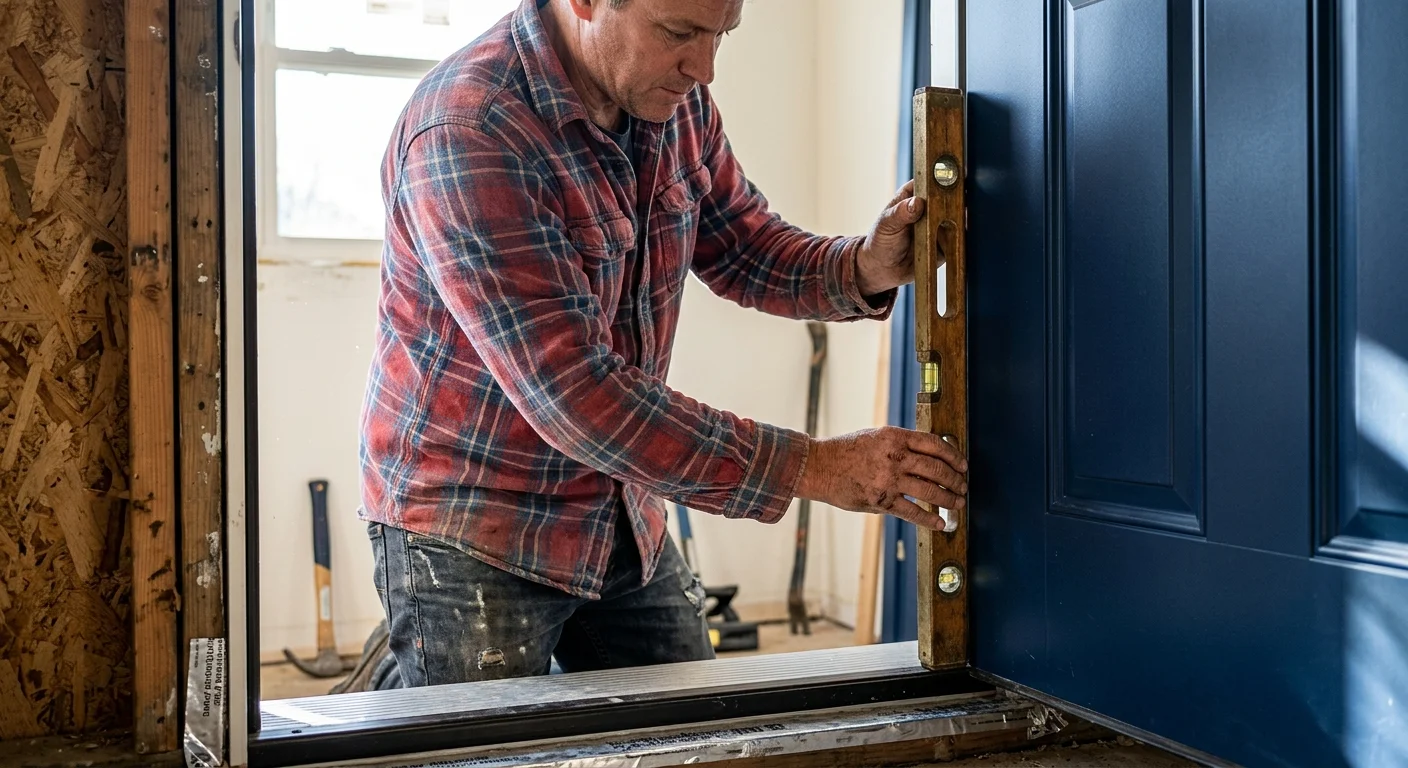
Swapping an outdated front door for a heavy-duty steel entry door yields an impressive average return on investment between 188% and 216%. With an average national cost of $2,435 returning $5,270 in estimated resale value, steel doors deliver exceptional security, thermal efficiency, and rot resistance that buyers love.
To execute this upgrade, measure your rough opening and apply self-adhering flashing tape along the sill to block moisture. Set the pre-hung steel door, shim near hinge points, and verify square alignment with a four-foot level. Finish by filling perimeter gaps with low-expansion insulating foam, setting weatherstripping, and applying an inviting exterior paint color.
2. Garage Door Replacement
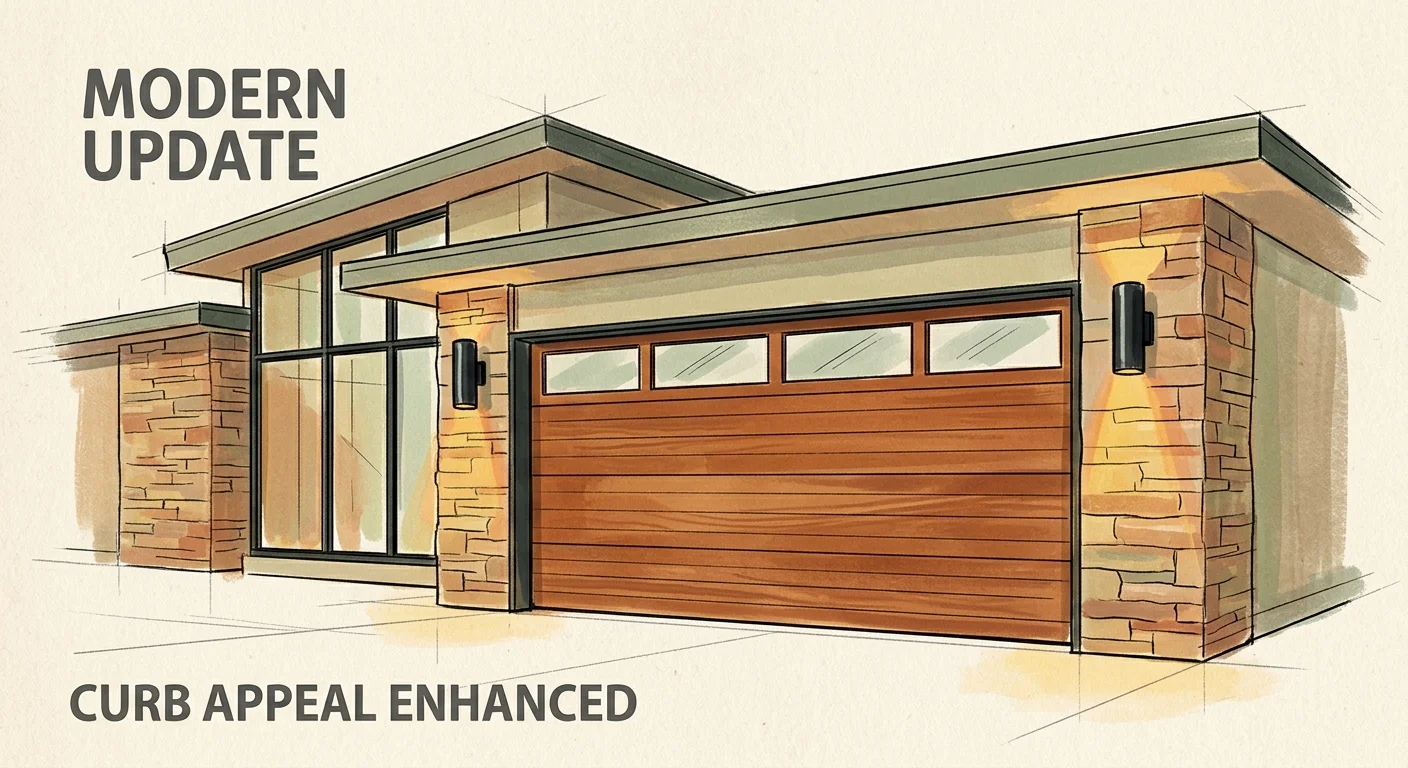
Replacing an aging garage door ranks as the single top home improvement project nationwide, delivering an average return between 189% and 193.9%+. An average national cost of $4,300 to $4,500 generates $8,500 to $12,500+ in estimated resale value. Because garage doors cover significant exterior area, this upgrade completely refreshes curb appeal while reducing thermal loss in attached garages.
Installation requires precise mechanical alignment and strict safety precautions. Secure structural framing supports along the header, stack door panels vertically, and set side rollers into steel tracks while checking plumb alignment. Hire a professional for high-tension spring adjustment, then finish by attaching perimeter weather seals and a modern garage opener.
3. Manufactured Stone Veneer Accent
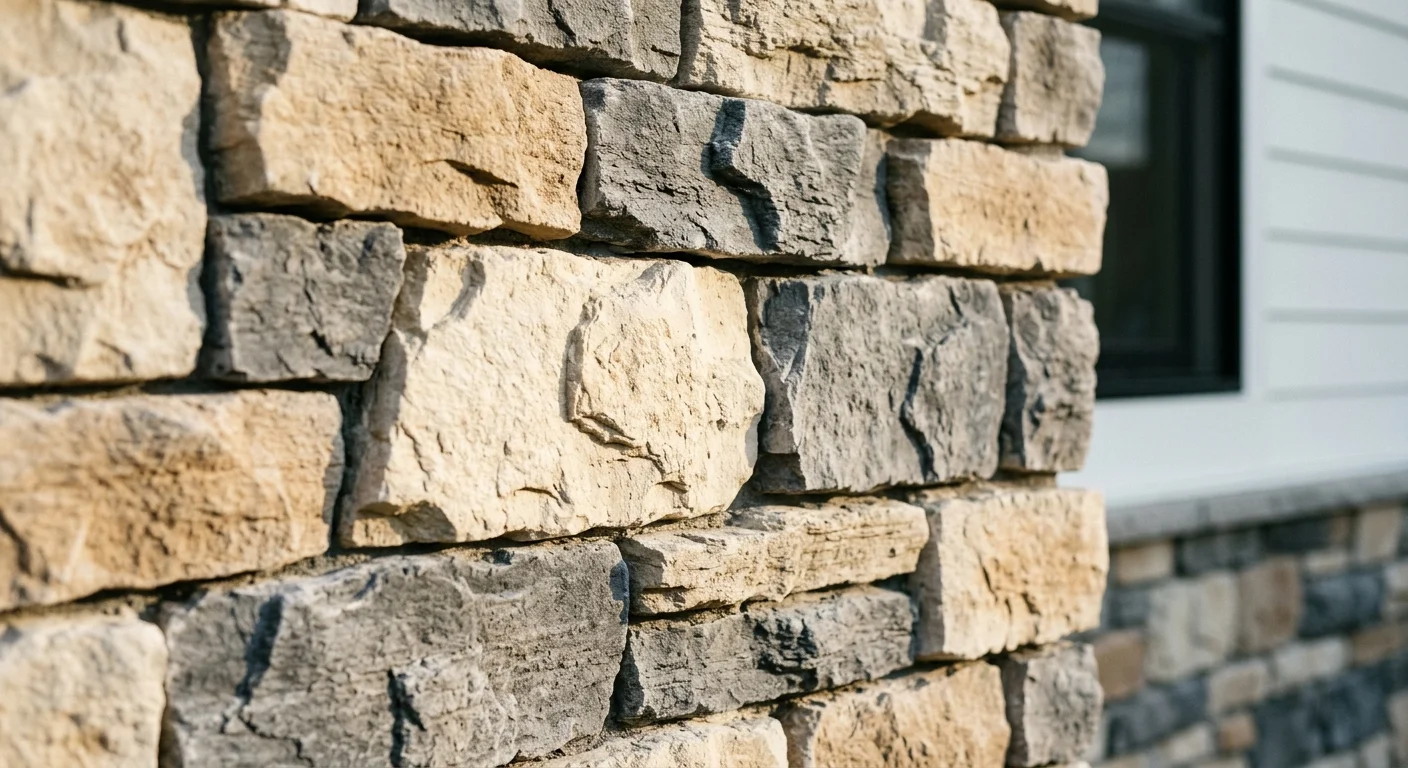
Adding exterior manufactured stone veneer yields an average return of 208%, making it an extraordinary project for building resale value. With a national average cost of $11,702 returning $24,328 at resale, replacing vinyl siding with stone along entryways, columns, or lower accent bands adds rich texture and high-end visual weight.
Moisture protection is critical for long-lasting stone installation. Install two layers of weather-resistive barrier over sheathing, attach self-furred metal lath, and apply a half-inch scratch coat of mortar. Butter the back of each manufactured stone unit, press it firmly onto the set scratch coat from the bottom up, and tool mortar joints cleanly.
4. Minor Kitchen Remodel
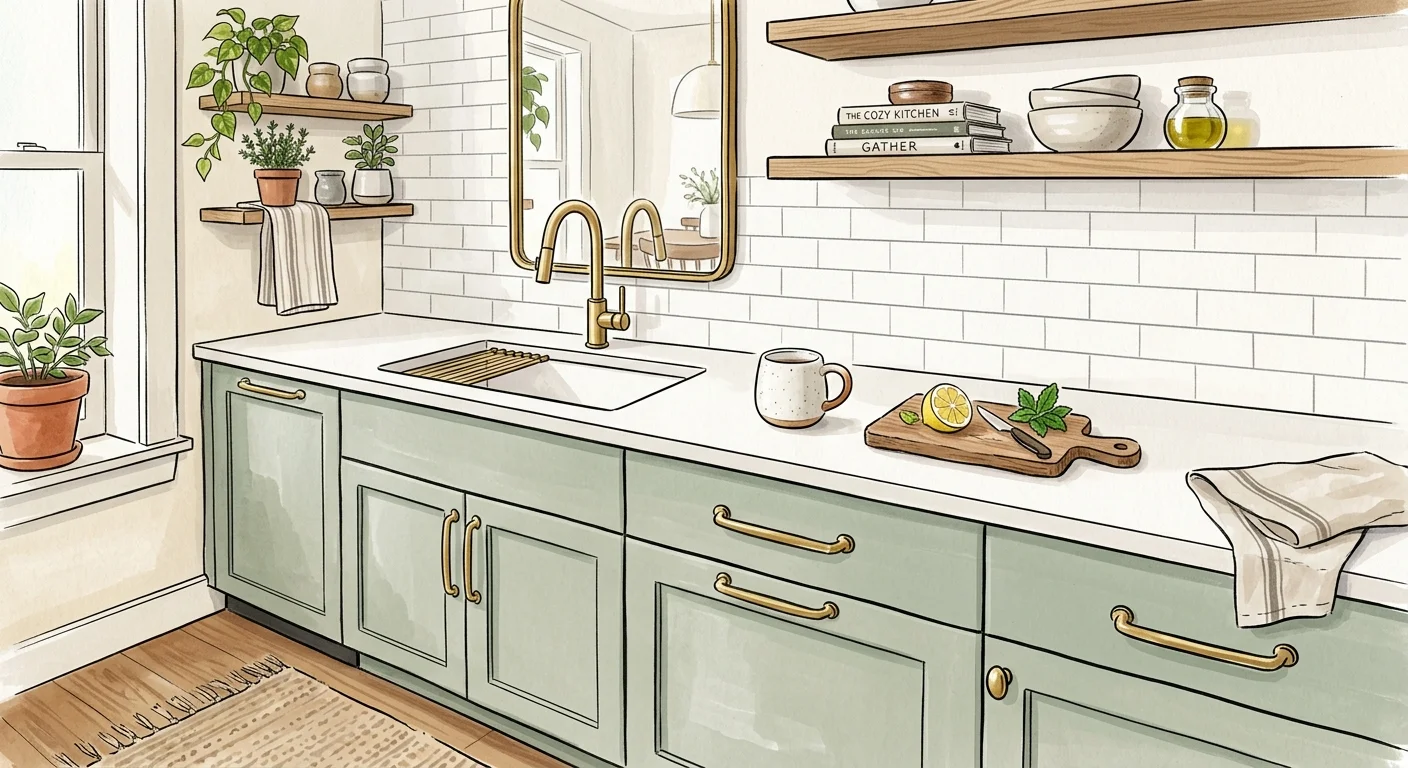
A midrange minor kitchen update is the highest-performing interior renovation, returning 92% to 113% on investment. With average national costs between $24,000 and $28,458, this project focuses on cosmetic refreshes rather than structural changes. You preserve existing cabinet boxes while refacing cabinet doors and drawer fronts for a sleek, modern look.
Clean and sand existing cabinet frames before applying a stain-blocking bonding primer and durable cabinet enamel. Upgrade tired laminate counters to durable quartz, install a clean tile backsplash, and add energy-efficient appliances recommended by design experts at HGTV home design guidelines. Complete the update with modern cabinet pulls and under-cabinet LED lighting.
5. Fiber-Cement Siding Replacement
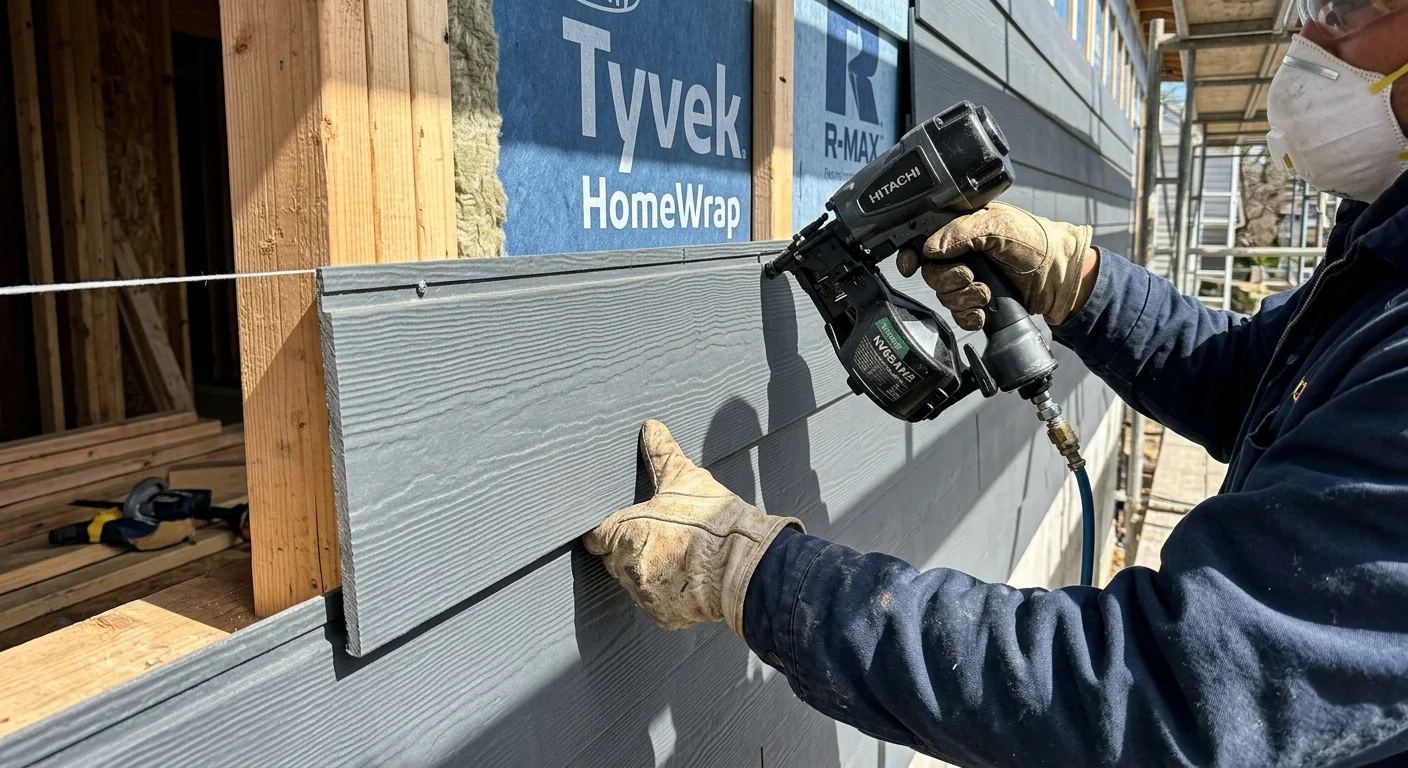
Replacing aged siding with durable fiber-cement cladding safeguards your home’s structural shell while boosting resale equity significantly. Fiber-cement offers exceptional resistance against severe weather, rot, insects, and fire. Because exterior replacement projects dominate high-ROI rankings nationwide, fiber-cement keeps curb appeal high for decades without requiring constant maintenance.
Remove old siding and inspect wall sheathing before wrapping the exterior with high-performance house wrap. Cut planks with dust-reducing shears, blind-nail each course along level layout lines, and maintain proper ground clearance. Seal all end-cuts with factory-matched touch-up paint to keep moisture out.

6. Wood Deck Addition
Adding a pressure-treated wood deck expands your usable living space outdoors, capturing strong equity gains upon resale. Creating dedicated outdoor gathering areas appeals directly to modern home buyers. Pressure-treated lumber offers an affordable initial material cost while delivering excellent structural durability when properly sealed against moisture and solar damage.
Dig concrete footings below local frost depth, pour concrete piers, and install heavy-duty post anchors. Frame the perimeter using pressure-treated joists set on sixteen-inch centers, checking diagonal measurements for squareness. Secure deck boards with hidden fasteners, maintaining even spacing for drainage, and apply a penetrating exterior oil stain.
7. Energy-Efficient Attic Insulation and Air Sealing
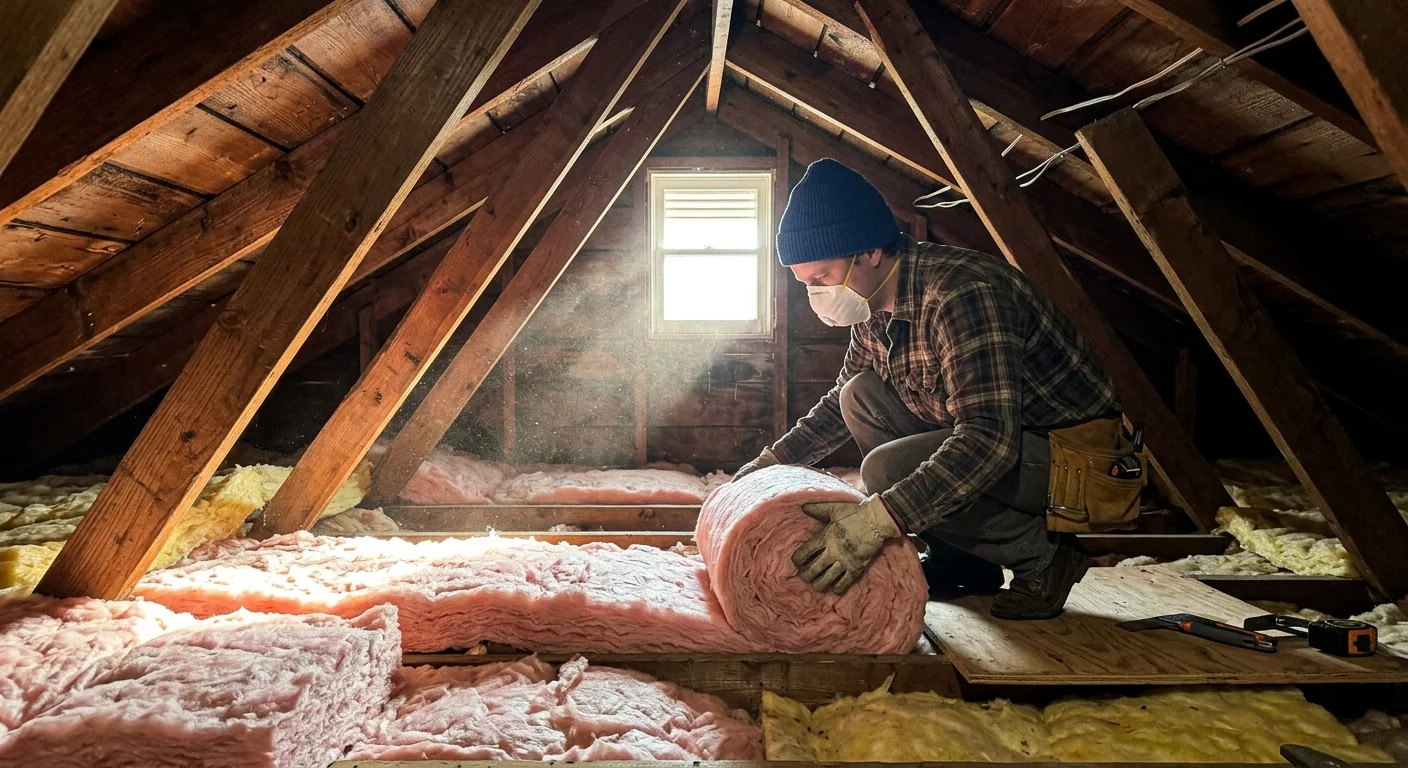
Sealing attic air leaks and adding insulation reduces monthly utility bills while recouping substantial value at resale. Buyers value consistent indoor temperatures and lower operating expenses. Guidelines from the U.S. Department of Energy highlight air-sealing attic bypasses as one of the most effective energy upgrades you can perform.
Locate air leaks around attic access panels, plumbing stacks, and electrical penetrations, sealing them with expanding spray foam. Install soffit baffles to maintain continuous roof ventilation and prevent moisture condensation. Blow in loose-fill fiberglass or cellulose insulation until achieving an R-49 rating across your attic floor.
8. Minor Bathroom Refresh
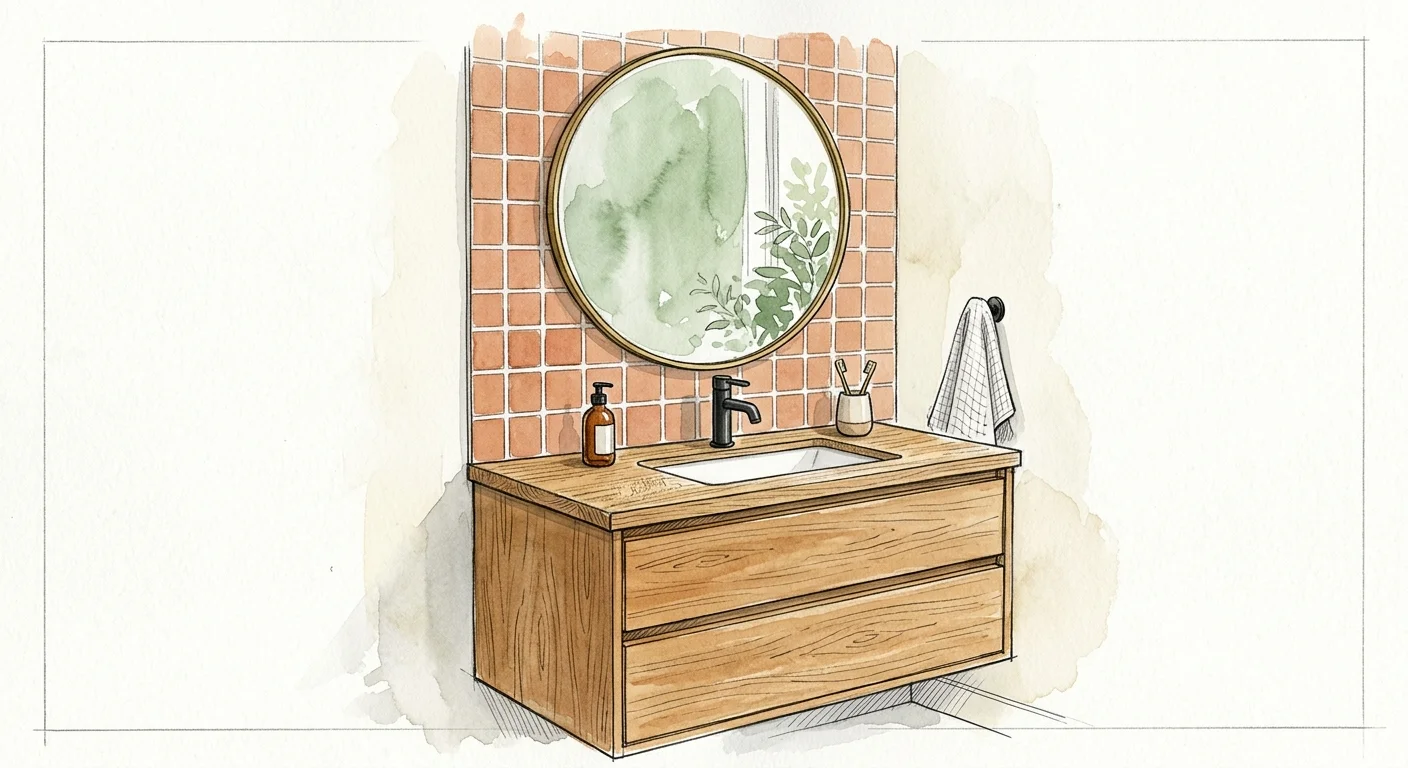
Refreshing an outdated bathroom boosts home value without requiring expensive plumbing line relocations. Replacing a worn vanity, updating faucets, and re-grouting tile transforms a tired space into a clean, modern retreat that attracts prospective buyers.
Scrape away old, discolored tub caulk and reapply mold-resistant silicone sealant. Swap out dated light fixtures for bright LED vanity bars, and install a low-flow modern showerhead. Mounting a new floating vanity with integrated storage makes small bathrooms feel spacious while hiding plumbing neatly.
9. Neutral Interior and Exterior Painting
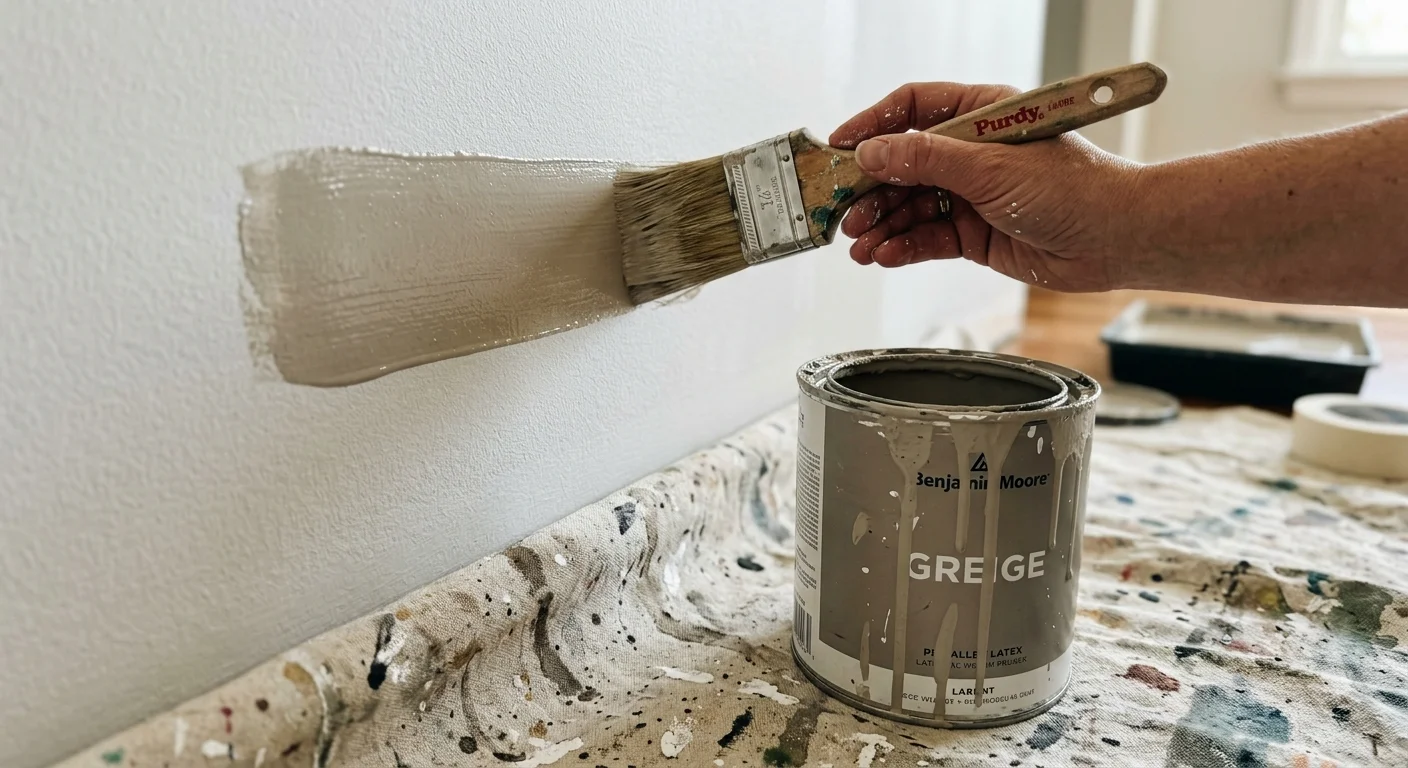
Painting delivers an exceptional budget-to-return ratio for DIY homeowners. Fresh coats of neutral paint mask minor surface flaws, brighten dark rooms, and present a move-in-ready aesthetic. Warm neutral shades like soft greige and warm beige help buyers easily visualize living in the space.
Clean walls thoroughly, fill nail holes with spackling compound, and sand smooth. Mask trim using painter’s tape, then apply high-quality acrylic latex paint with a microfiber roller, keeping a wet edge to avoid lap marks across walls.
10. Vinyl Window Replacement
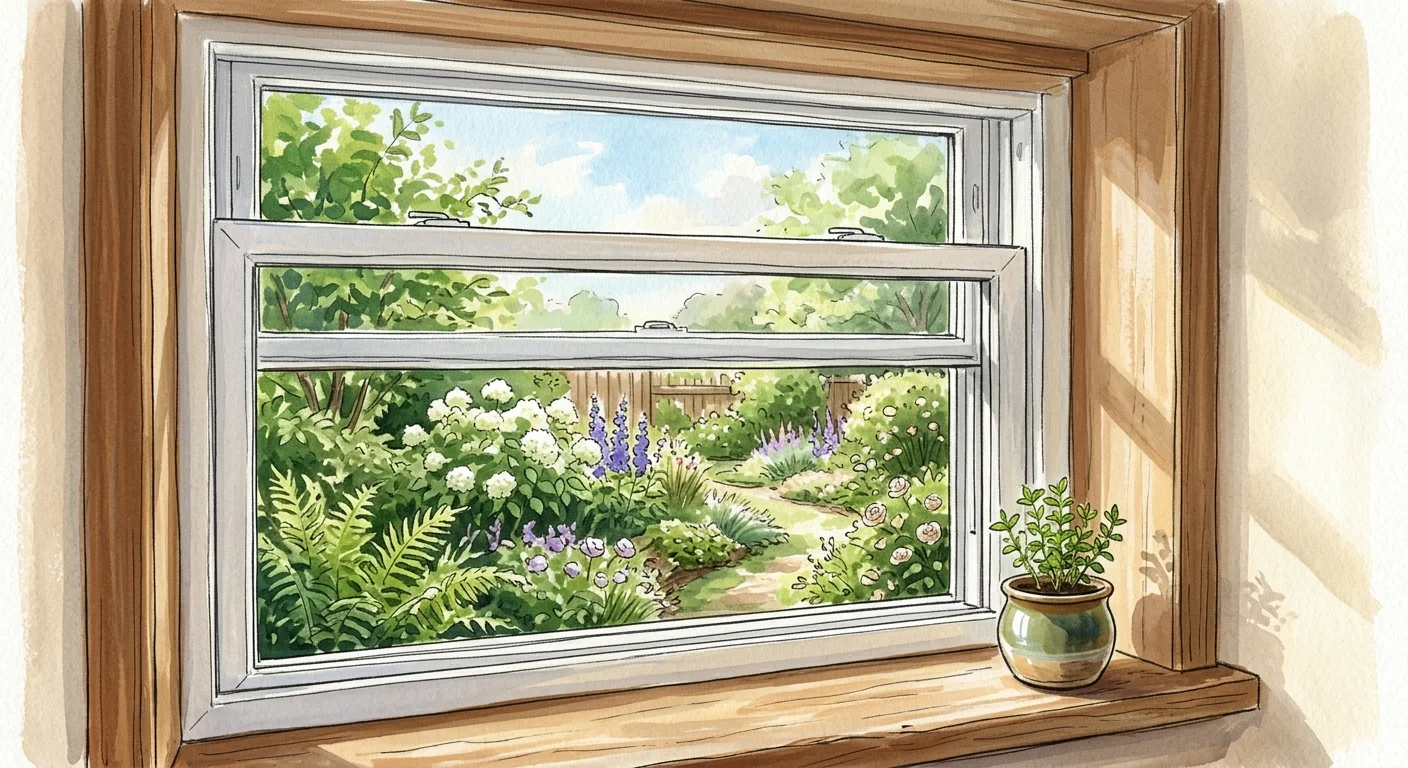
Replacing drafty, single-pane windows with energy-efficient vinyl units enhances thermal comfort while recouping steady equity. Double-pane vinyl windows with low-emissivity glass block summer heat solar gain and retain winter warmth, cutting energy bills and insulating against outside street noise.
Extract old sashes carefully without damaging interior trim, clean the rough opening, and lay down self-adhering sill flashing tape. Set the new vinyl window on shim blocks, check for level, and screw into side jambs. Seal perimeter gaps with low-expansion window foam for a tight seal.
Styling, Personalization, and Maintenance for High-ROI Upgrades
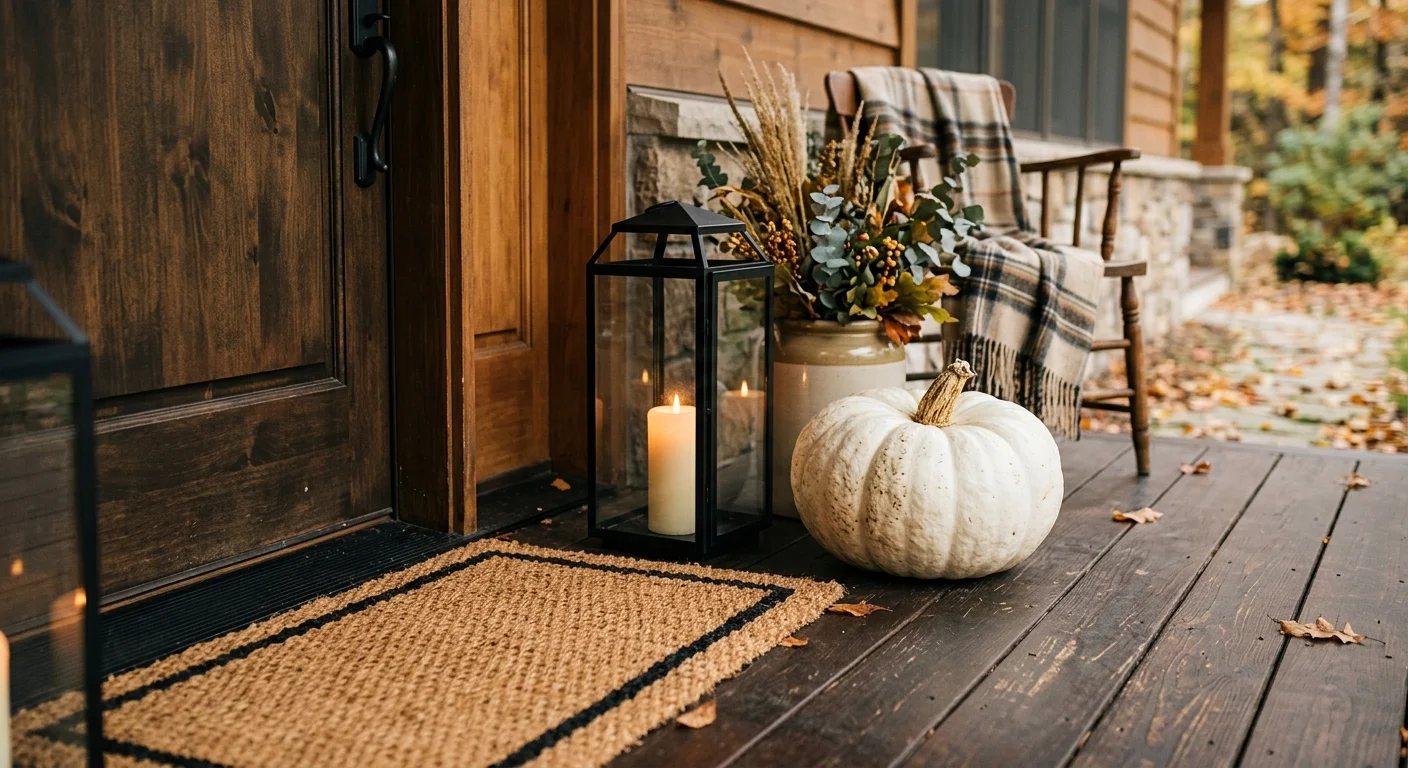
Maximizing return on investment requires balancing custom design choices with broad buyer appeal. Select classic textures and neutral color palettes over fast-moving design trends that quickly date your home. Add personal flair through hardware, light fixtures, and textiles while keeping countertops and flooring universal. Design insights from Architectural Digest emphasize that cohesive material choices consistently command higher resale prices.
Protect your investment with routine maintenance. Inspect exterior caulk around windows and stone veneer yearly, touching up seals to block water intrusion. Clean quartz counters and tile grout with non-abrasive pH-neutral cleaners, and keep garage door tracks free of debris to preserve peak performance and appraisal value.
Frequently Asked Questions
Which tools are essential for tackling these high-ROI DIY upgrades?
Essential tools include a four-foot digital level, a quality cordless drill and impact driver set, an adjustable miter saw, and a laser measure. Investing in proper safety equipment—such as impact-resistant safety glasses, ear protection, and dust respirators—ensures safe, accurate project execution.
How do I choose materials that look custom without exceeding my budget?
Choose durable mid-tier materials like quartz countertops, fiber-cement siding, and manufactured stone veneers that mimic luxury finishes. High-quality cabinet hardware in matte black or brushed brass elevates standard fixtures instantly without custom price tags.
Where should I source high-value building supplies to protect my margin?
Source materials through local contractor supply yards, overstock outlets, and direct distributor sites to bypass retail markups. Watch for seasonal clearance events at home centers for appliances, tile, and major power tools.
How can renters or small-space homeowners adapt these high-return projects?
Renters can use temporary peel-and-stick tile backsplashes, removable wallpaper, and plug-in under-cabinet lighting. Swapping cabinet knobs and installing modern showerheads upgrades small spaces significantly without permanent modifications.
Take Action on Your Home’s Equity Today
Building lasting home equity does not require massive budgets or complete tear-outs. Focusing on high-return upgrades like steel entry doors, minor kitchen refreshes, and energy-efficient attic insulation builds real property value while enhancing daily comfort. Market data in the Zillow Consumer Housing Trends Report confirms that targeted home improvements remain the best way to maximize seller equity. Pick one high-yield project, gather your materials, and begin upgrading your home with confidence today.