
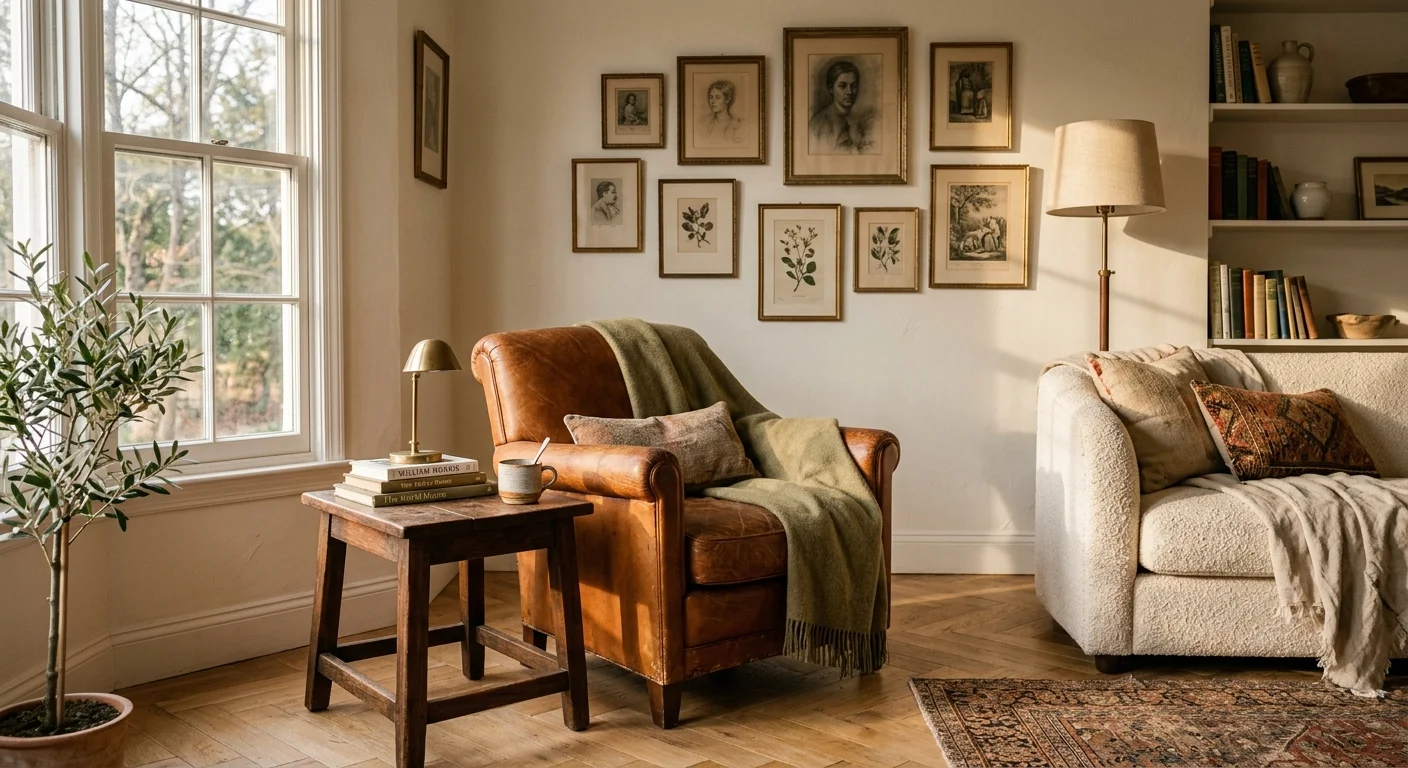
Scrolling through social media feeds packed with picture-perfect rooms often leaves you tempted to copy popular interior design trends directly into your living space. You need to know which fads actually add lasting value and which ones professional decorators quietly avoid in their personal sanctuaries. Creating a home that feels both stylish and authentic requires looking past fleeting internet crazes to understand how materials, proportions, and layouts function in daily life. This guide breaks down six specific home decorating fads that experts skip, offering you practical replacement strategies that maximize your budget and elevate your space. Skip the expensive mistakes and learn how to curate a timeless environment that genuinely serves your everyday routine.

Planning Your Project Snapshot
Tackling outdated design trends does not require a massive home renovation budget or hiring a general contractor. You can achieve a profound transformation over a few weekends by relying on strategic swaps, fresh paint, and thoughtful curation. Your budget will vary based on whether you merely replace small decorative accents or decide to invest in high-quality anchor pieces to break up fast-furniture sets. A reasonable starting point for a moderate room refresh hovers around a few hundred dollars, primarily allocated toward premium paint, vintage textiles, and upgraded lighting fixtures. The skill level required remains firmly in the beginner to intermediate tier. You only need a willingness to wield a paintbrush, rearrange heavy furniture, and perhaps patch a few drywall holes left behind by discarded wall decor.
Phase One: Evaluating Your Space and Prepping for Change
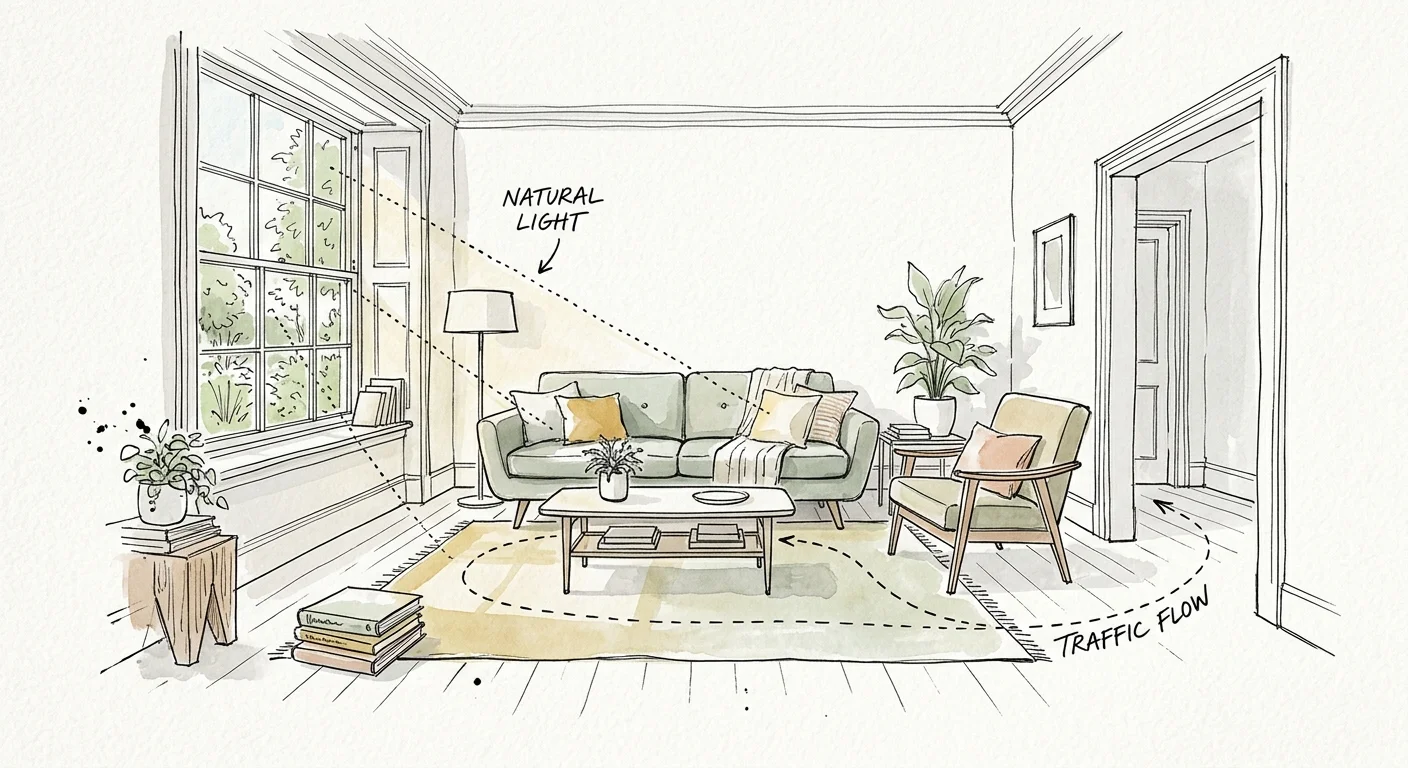
Before you start tearing down shelves or dragging furniture to the curb, you must step back and assess your current environment with a highly critical eye. Walk into your living room or bedroom as if you are viewing it for the first time, noting which elements feel visually heavy, disjointed, or entirely unused. Professional interior designers begin every project by establishing a functional baseline; they determine how traffic flows through the space and where natural light falls throughout the day. Reviewing resources on fundamental furniture arrangement techniques provides an excellent starting point for this evaluation. Once you identify the specific pieces that drag your rooms down, clear the clutter to create a blank canvas. Remove the generic decor, take down the overly styled knickknacks, and prep your walls by filling holes and sanding rough spots.
Phase Two: Ditching These 6 Outdated Design Trends
Trend 1: The Matching Furniture Set
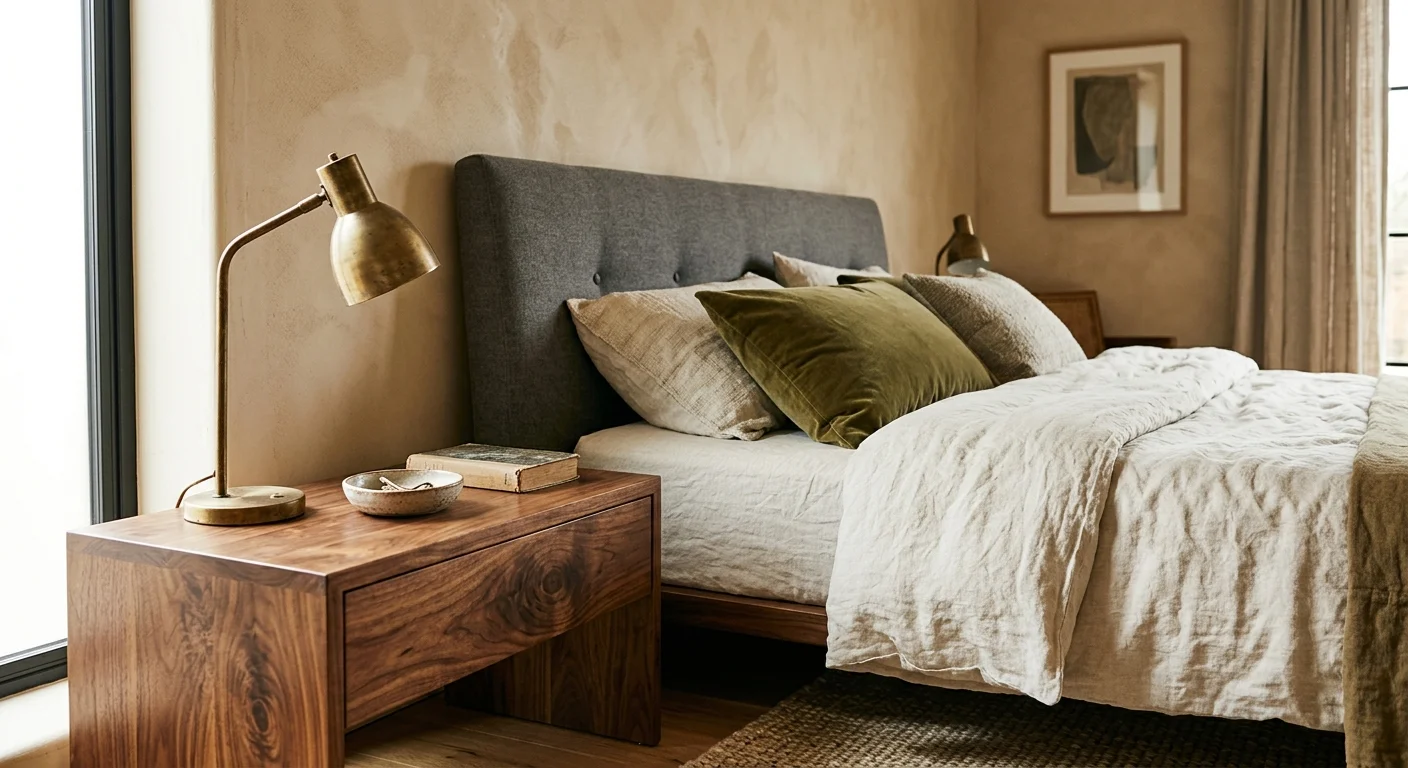
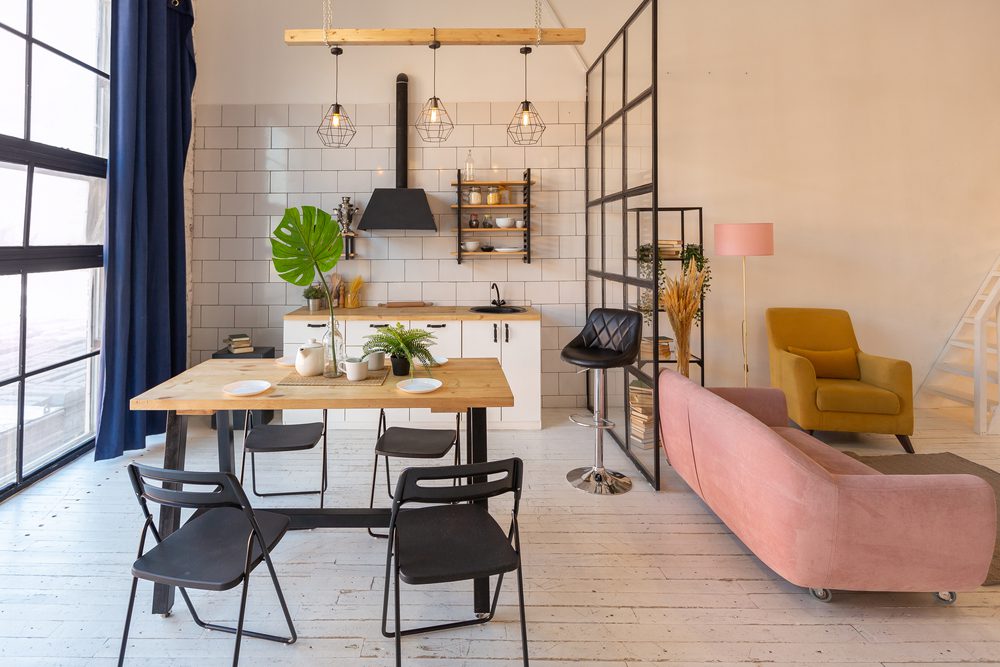
Purchasing an entire matching bedroom or living room set straight off a showroom floor feels incredibly convenient, but designers strictly avoid this approach. A bed, dresser, and pair of nightstands all featuring the exact same finish creates a flat, commercial aesthetic that lacks personal history. To execute a sophisticated update, you need to break up these matched sets by relocating certain pieces to guest rooms or offering them for resale. Replace the missing elements with contrasting materials—pair a sleek upholstered headboard with warm walnut nightstands, or place a vintage metal trunk at the foot of a wooden bed. This intentional mixing introduces dynamic visual tension, making your space look curated over decades rather than delivered in a single afternoon.
Trend 2: All-Gray Color Palettes
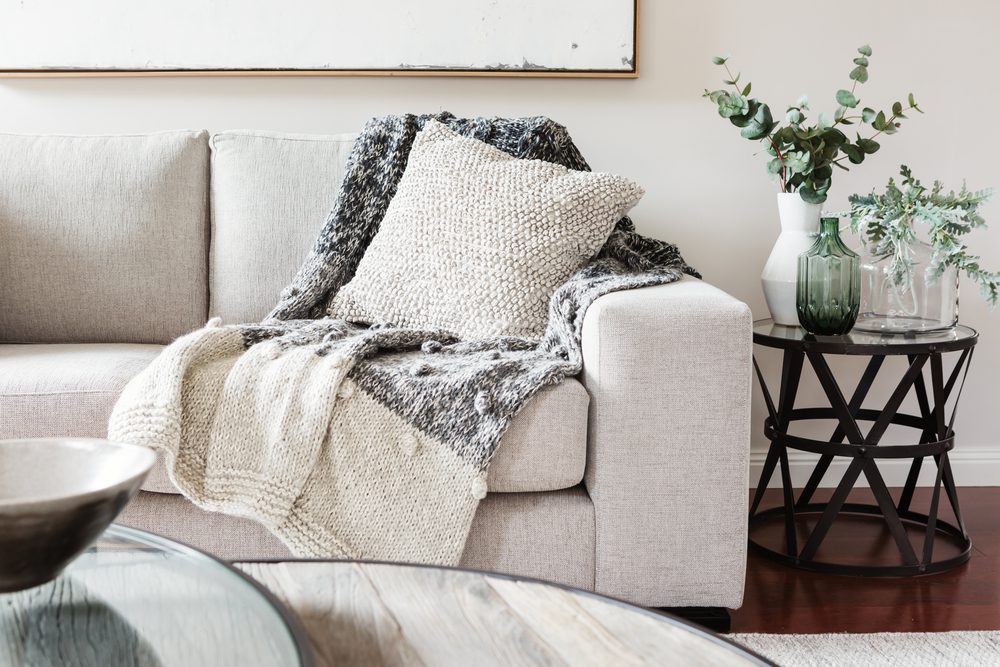
The absolute dominance of sterile, cool-toned gray across walls, floors, and upholstery defined the previous decade of home decorating, leaving many homes feeling cold and uninviting. Professional decorators are actively steering their clients away from this monochromatic chill, favoring nuanced earth tones, warm whites, and rich jewel accents. If your home currently suffers from gray overload, you do not need to replace every item at once. Begin your execution phase by repainting the walls in a creamy, warm white to instantly reflect more natural light and soften the room. Introduce warmth through textiles like rust-colored velvet throw pillows, olive green blankets, and natural jute rugs. These organic colors counteract the starkness of gray, bridging the gap between outdated sterility and modern comfort.
Trend 3: Impractical Open Kitchen Shelving
Taking down upper cabinets to install raw wood floating shelves looks beautiful in a controlled photo shoot, but designers know this trend rarely survives the reality of daily cooking. Grease, dust, and pet hair quickly coat exposed glassware and dinner plates, turning a chic display into a constant cleaning chore. Reversing this trend involves executing a more balanced storage strategy. If you still crave an airy feel, consider replacing solid cabinet doors with glass fronts; this protects your dishware while maintaining visual depth. Alternatively, remove the excessive shelving and install just one small, intentional shelf dedicated exclusively to closed canisters or decorative ceramics well away from the stove.
Trend 4: Fake Distressed Finishes
Mass-produced furniture featuring machine-made scratches and faux peeling paint attempts to mimic the charm of antique heirlooms but usually ends up looking cheap. Interior experts instantly recognize artificial patina and prefer materials that age gracefully through genuine daily use. To elevate your home, stop buying items manufactured to look old. Instead, swap out that faux-chippy console table for a piece of solid, raw wood that you can oil and maintain yourself. Seeking inspiration from expert guides on blending vintage and modern elements will help you hunt down authentic secondhand furniture with true historical character. Genuine scratches tell a story; factory-stamped wear merely follows a fading fad.
Trend 5: Random, Unanchored Accent Walls
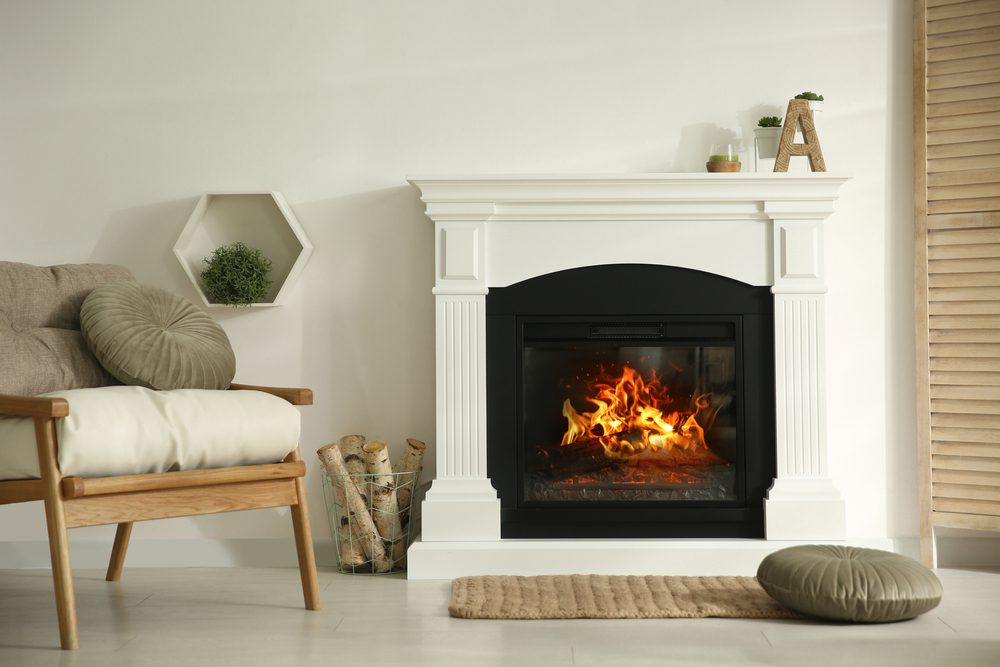
Painting a single wall a bold color while leaving the other three stark white often chops up a room and makes the space feel smaller and fragmented. Designers know that an accent wall must serve a distinct architectural purpose, such as highlighting a fireplace or anchoring a bed, rather than just acting as a random pop of color. If you have an arbitrary blue or red wall, the most transformative execution step is to embrace color drenching. Commit to your chosen hue and paint the entire room—including the baseboards and trim—to create an enveloping, jewel-box effect.
Trend 6: Generic Mass-Produced Word Art
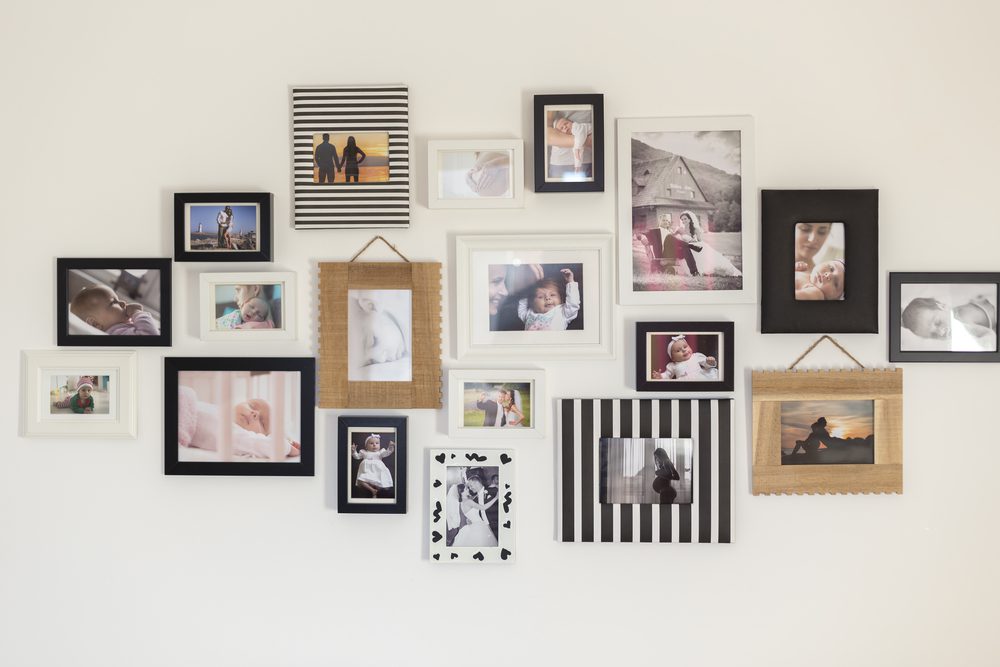
Signs commanding you to gather, eat, or wash your hands offer no genuine insight into your personality or tastes. Designers universally reject this literal approach to wall decor, viewing it as missed real estate for true artistic expression. As you finalize your room updates, take down the mass-market typography and replace it with pieces that spark conversation and joy. Frame a collection of old family photographs, stretch a beautiful piece of vintage fabric over a canvas, or support a local painter. The artwork you hang should invite viewers to pause and interpret the space, rather than simply reading literal instructions off the wall.
Phase Three: Finishing, Styling, and Personalization
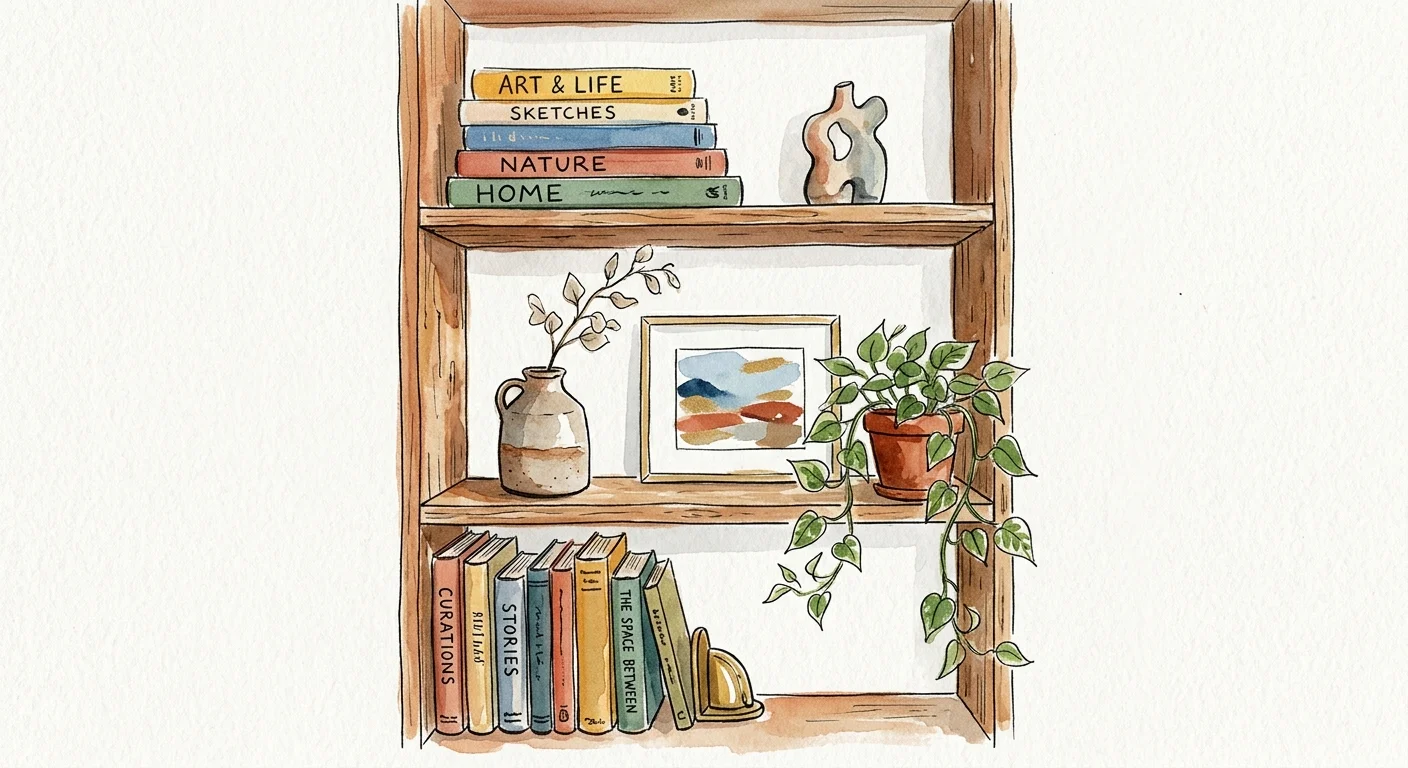
Once you have eliminated the outdated fads and executed your structural updates, the finishing phase allows you to infuse the space with authentic character. Styling is where your home becomes distinctly yours. Focus heavily on layering varying textures to create a welcoming depth that no single trend can replicate. Combine smooth leather chairs with chunky knit throws, or place a glossy ceramic lamp atop a deeply grained wood credenza. Pay close attention to your layout during this final stage; pull your furniture slightly away from the walls to encourage conversation and improve the overall flow. Consider your lighting design as the ultimate finishing touch. Layer your illumination by utilizing floor lamps, table lamps, and wall sconces rather than relying solely on harsh overhead fixtures. Thoughtful styling requires constant editing, so do not hesitate to remove an accessory if the surface begins to feel cluttered.
Troubleshooting and Long-Term Upkeep
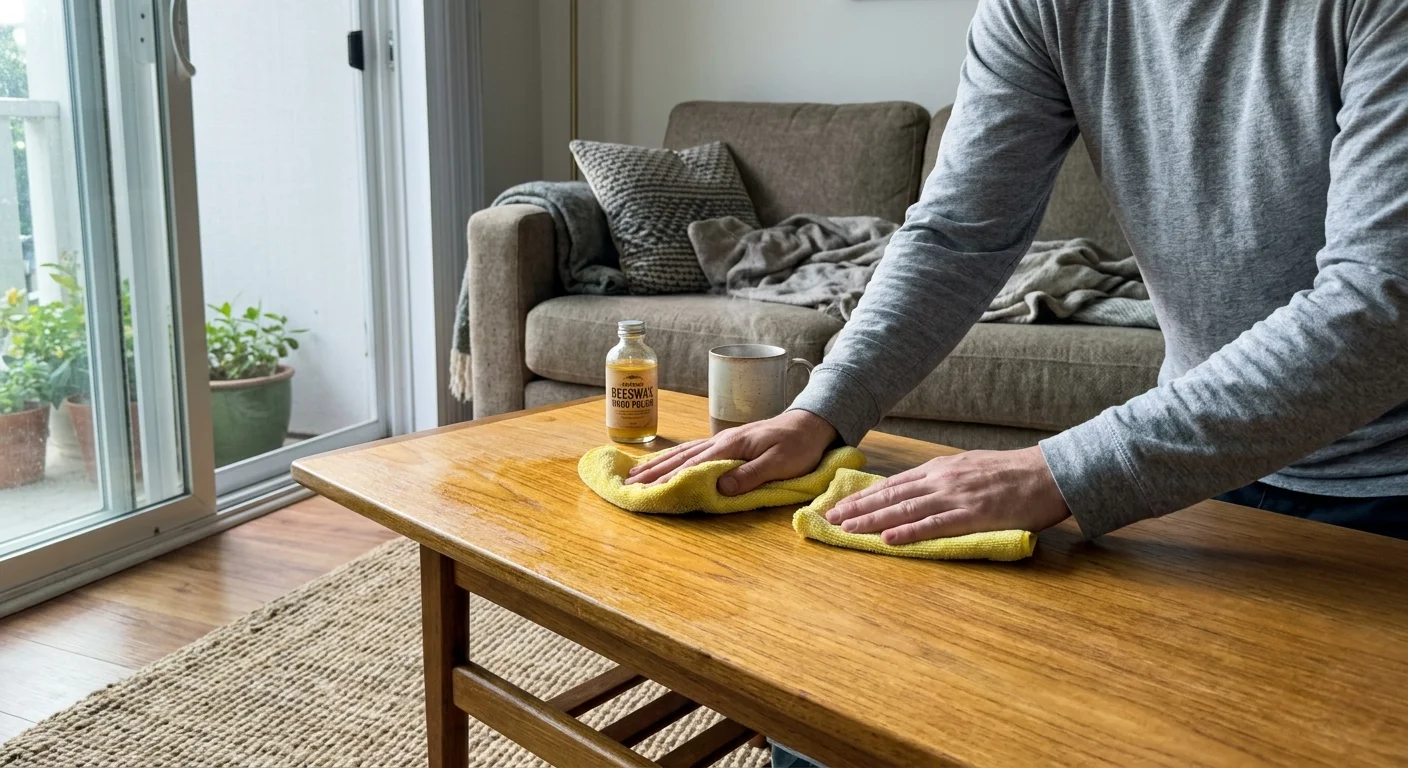
Maintaining a timeless aesthetic requires ongoing attention and a willingness to troubleshoot minor issues before they disrupt your entire design scheme. A common pitfall homeowners face after a major refresh is allowing clutter to slowly creep back onto newly styled surfaces. Combat this by implementing a strict one-in, one-out rule for decorative accessories. Address the atmosphere by adjusting your lighting or adding organic life. Consulting the latest recommendations for energy-efficient lighting helps you select LED bulbs with the correct color temperature to enhance your warm tones rather than washing them out. Additionally, integrating live plants breathes movement and vitality into static spaces. If you lack a green thumb, reviewing guidelines from a university cooperative extension on houseplant maintenance will ensure your indoor greenery thrives. Simple upkeep—like properly oiling real wood furniture and rotating your rugs to prevent uneven wear—preserves the integrity of your classic design choices for decades.
Frequently Asked Questions
How do I mix wood tones effectively without making the room look chaotic?
The secret to mixing wood tones is identifying the underlying temperature of the finishes. You can successfully combine light oak and dark walnut as long as both share a warm, yellowish undertone or a cool, grayish undertone. Select one dominant wood finish for your large anchor pieces, such as the flooring or dining table, and use two secondary wood tones as accents through smaller chairs, frames, or shelving. Bridging the gap with a neutral rug helps separate clashing legs from the floor.
What is the most budget-friendly way to replace my matching furniture set?
You absolutely do not need to buy all new furniture to break up a matched set. The most economical approach involves a can of high-quality furniture paint and fresh hardware. Leave your wooden bed frame in its natural state, but sand and paint the matching nightstands in a deep, contrasting color like navy or forest green. Swapping out standard factory drawer pulls for brushed brass or matte black handles instantly customizes the pieces, entirely removing the showroom aesthetic for under fifty dollars.
How do I know if a design element is a fleeting trend or a timeless classic?
Timeless design elements usually derive their appeal from historical architecture and natural materials rather than a sudden burst of internet popularity. If a specific pattern, bold color, or quirky material suddenly dominates every major retail store and social media feed simultaneously, it will likely look dated within five years. Classic choices—like subway tile, hardwood floors, natural linen, and brass fixtures—have maintained steady popularity for over a century. When in doubt, prioritize natural textures over synthetic, highly engineered finishes.
Can I still use gray if it already dominates my home?
You can certainly keep your gray foundation if replacing it all at once falls outside your current budget or timeline. The trick is to shift the surrounding elements from cool to warm. Swap out bright white light bulbs for soft white alternatives to instantly warm up the paint color. Layer vibrant, saturated textiles over your gray sofa, and bring in large, leafy house plants. Wood furniture in medium tones will also inject much-needed life and warmth into an otherwise cool, gray-heavy room.
Making Your Space Authentically Yours
Creating a beautiful, functional home is an ongoing journey rather than a race to mimic the latest catalog cover. By actively choosing to reject fleeting designer fads and prioritizing authentic, personal elements, you grant yourself the freedom to design a living space that truly supports your daily life. You have the tools, the strategies, and the critical eye needed to evaluate your rooms and confidently strip away what no longer works. Grab a paintbrush, start rearranging your layout this weekend, and take pride in cultivating an environment that will feel fresh, welcoming, and deeply personal for years to come.


Leave a Reply