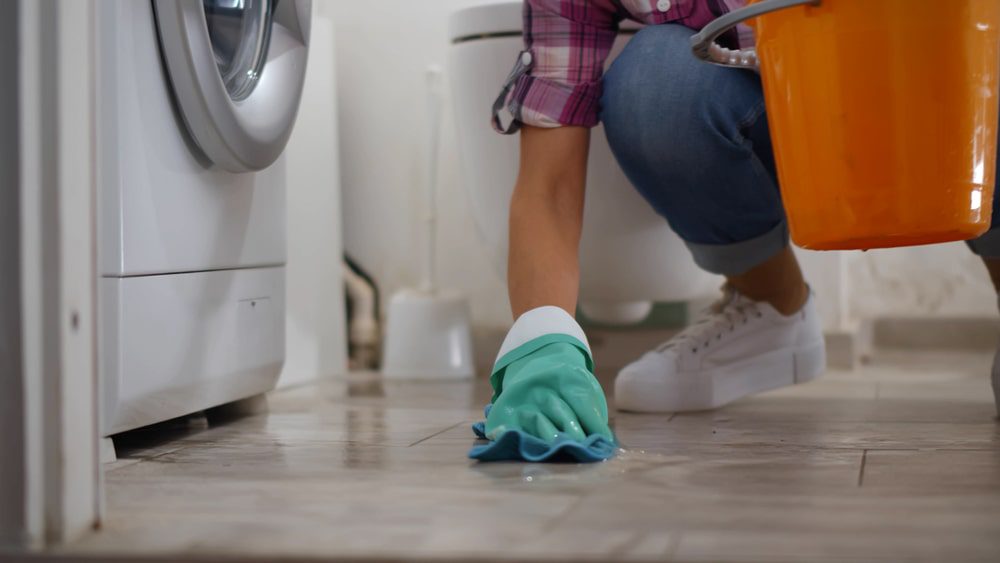
Let’s talk about the common causes of household leaks!
Sanitary sewer and running water systems are key household advancements that have considerably improved quality of life. However, if an issue occurs with pipes, plumbing fixtures, drain lines, or any water-using appliance, leaks can develop, resulting in serious household damage, including mold growth, rot, ceiling and wall discoloration, peeling paint, sagging floors and ceiling, a decrease in the water pressure, and increased water bills.
The good news is that you can prevent leaks by taking appropriate home maintenance steps. But if an accident occurs or an unseen problem causes a leak, it’s essential to stop the leak and solve the problem as soon as possible. This article is your guide to learning more about the common causes of household leaks and how you can prevent them.
But before getting started, let’s see some of the most common signs of a household water leak!
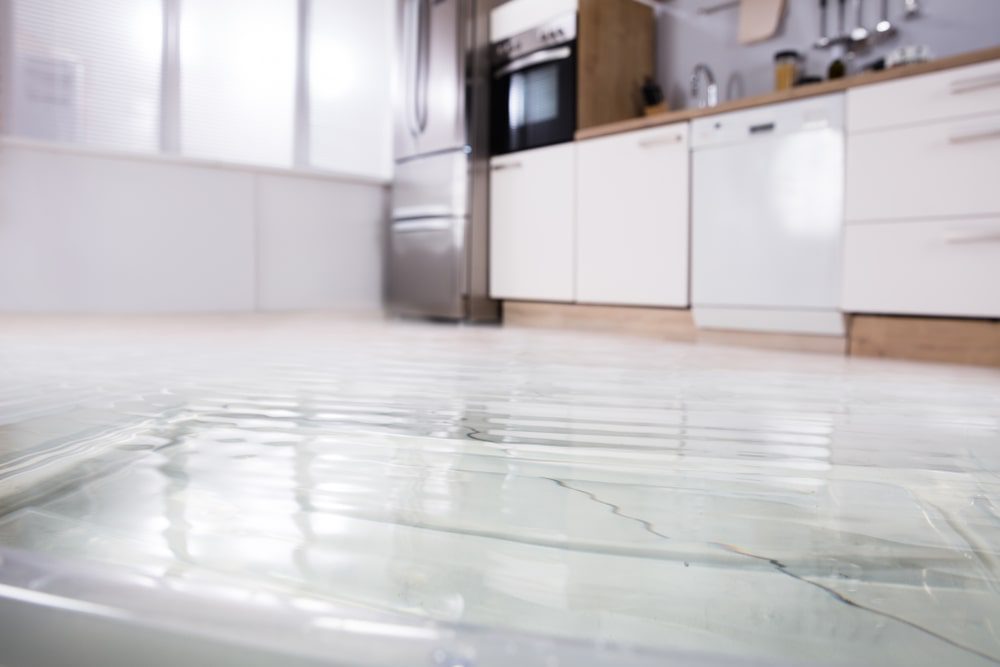
Signs of a household leak
Once a leak starts, it may create a range of issues throughout the house, leading to expensive repairs. Because of this, it’s important to learn how to spot signs of a water leak so you can take action quickly and fix the problem before the situation worsens.
There are many different common causes of household leaks. The most common are: inexplicable water bill increase; mild and mildew accumulation; the sound of running water, hissing, or rattling when the plumbing fixtures are turned off; sudden decrease in water pressure when no other fixtures are turned on; warped, sagging, or stained floors and ceilings; peeling or blistering paint or wallpaper.
If your house shows any of these signs, you may want to suspect a leak. Now, let’s see the most common causes of household leaks!
1. Loose or broken hose connections
Leaks can happen outside the house as well, so if you notice any wet areas or spots in the yard that seem to be sunken down, it can pinpoint an underground leak. One of the most common causes of household leaks is loose or broken hose and irrigation system connections.
This kind of issue can cause sinkholes, puddles, and soil erosion around the foundation of the house if left unresolved. You can fix the problem by locating the leak and tightening the connection. This will stop the leak. If the issue is due to a split, cracked, or otherwise damaged connection, the connector and any other broken parts of the system will need to be replaced to ensure the leak won’t come back again.
2. Faulty faucets and toilets
When it comes to common causes of household leaks, you should know that not all are obvious or easy to spot. In fact, if they don’t create rot or water damage, leaks can actually go completely unnoticed if you’re not paying attention to your water bills.
When this happens without you realizing it, the water runs directly into the drain, such as when a toilet runs intermittently or continues to run. A similar problem happens with leaking faucets that constantly drip into the sink.
As one of the most common causes of household leaks, a running toilet is an easy thing to fix and can be as simple as replacing the flapper or shortening the flapper chain. When it comes to leaking faucets, replacing the washer may prevent the faucet from dripping. However, if the water keeps leaking into the sink, it would be better to invest in a new faucet. This is also a relatively easy fix that most DIYers can handle.
3. Worn-out seals
Toilets and sinks aren’t the only things that can lead to a leak. Worn-out seals are also among the most common causes of household leaks. Washing machines, refrigerators, and dishwashers frequently use water during regular operation.
If the washers or seals on these appliances become worn, old, or misshapen, it can cause the appliance to leak. Fixing this issue isn’t necessarily difficult, as long as you can find the correct replacement seal for the specific machine you’re dealing with.
If you’re having problems sourcing the right parts, consider hiring an appliance repair professional to solve the issue quickly.
4. Cracked tub or sink
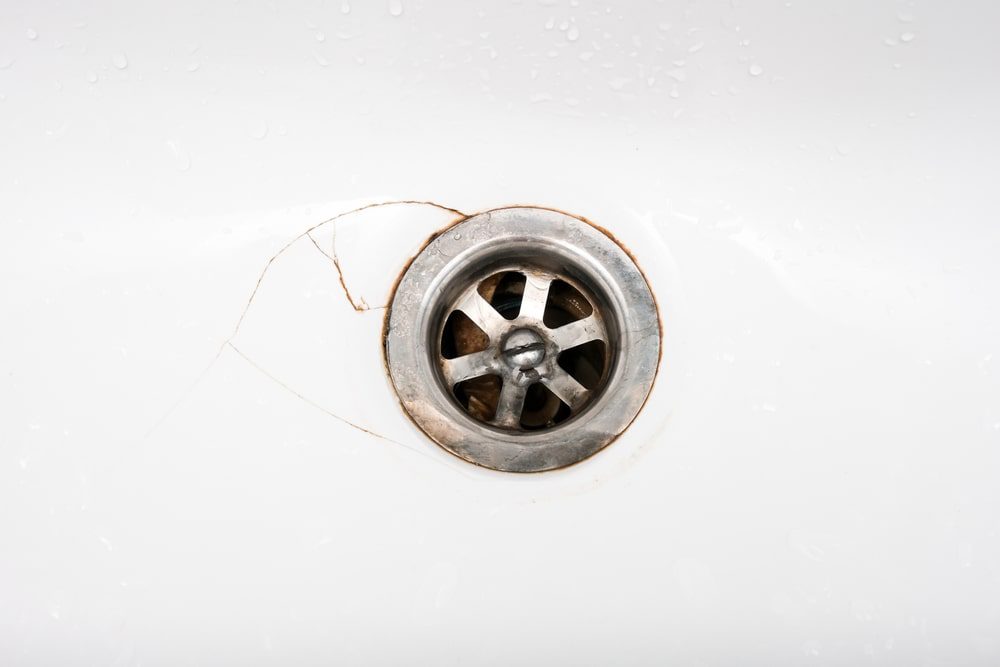
Next on the list of common causes of household leaks is a cracked sink or tub. Sinks, tubs, and basins are used to catch and redirect the water flow into an open drain, but if the body is cracked, water can leak out, causing mildew, rot, and mold. Cracks can happen as a result of general wear and tear, frequent use, corrosion, and impact damage.
If you notice a small crack spreading across the sink or see a crack forming in the bathtub, it’s important to stop using the damaged thing. To fix this issue, either tackle it as a DIY project or hire a professional to replace the damaged sink or tub.
Read on to discover other common causes of household leaks!
5. Corroded pipes
While most houses now have plastic or copper pipes, this wasn’t always the case. For many years, galvanized iron and, in some cases, even lead pipes were the primary materials used for pumping water into the house.
Not only can these materials contaminate water because of the substances they contain, but they can also deteriorate pipes over time to the point where the exterior of the pipe becomes as thin as paper. When it comes to old houses, this is one of the most common causes of household leaks.
If the corrosion isn’t taken care of, the pipes may start to leak, especially near old, degraded connections and joints. While you might be able to minimize the damage caused by minor leaks, these pipes can also break entirely, flooding the house (this is among the most common causes of household leaks).
You don’t want that to happen, so it’s recommended to repair damaged or leaking copper pipes, replace old lead or galvanized pipes, and replace them with new plastic or copper plumbing lines.
6. Clogged drain lines
When a drain line gets blocked, the water that would typically drain into the septic or sewer system has nowhere to go. So what happens is that the drain line will fill up as more and more water gets into the drain, until it completely backs up into the tub, sink, appliance, or laundry basin.
This is among the common causes of household leaks that can result in pretty serious damage. In some cases, a clog can even cause the pipe to burst, so if you notice one sink, tub, or even an entire part of the house isn’t draining properly, stop pouring water into the drain.
A DIY option would be to clear the clogged drain with a mix of baking soda and vinegar, but if this chemical mixture isn’t strong enough to break up the clog, a plumber’s drain auger may be required. If you don’t know how to snake a drain, the best thing you can do is hire a plumber to clear the clog.
7. Invasive tree roots
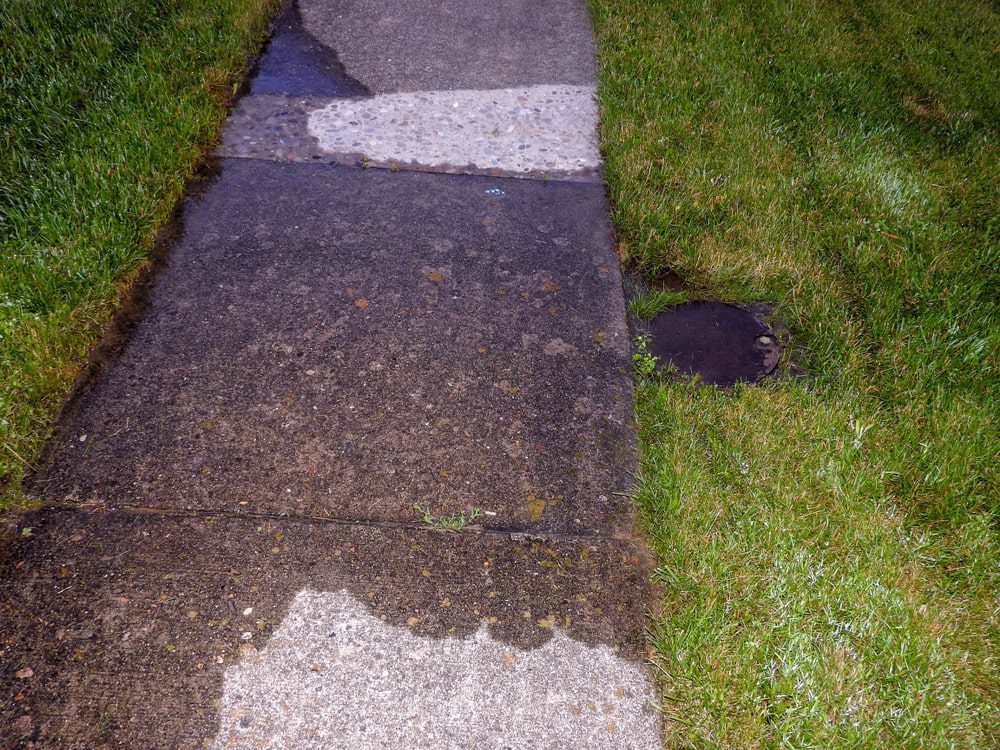
The next one on the list of common causes of household leaks is an issue that can create havoc outside the house or lead to issues inside the house: encroaching tree roots. Trees tend to look for high-moisture areas, growing roots toward these spots to draw in water from deep underground. A leaking water line can result in a high-moisture area in the yard that draws any nearby tree roots.
Over time, the tree roots can wrap around or even break the water line, causing a leak in the yard. If you notice new sinkholes or wet patches in the yard or experience a sudden drop in water pressure, you should have a plumber check for tree root intrusion.
8. Ruptured water heater
A standard water heater usually lasts around eight to 12 years before it needs to be replaced. But if there’s a significant amount of sediment in the water, it could make the tank corrode at a faster pace.
Even a tiny leak in the water heater will result in a continuous flow of water getting into the house from the tank, which can cause significant damage, rot, and mold growth. A ruptured water heater is one of the most common causes of household leaks, so don’t worry if this happens.
By the way, if you’re dealing with mold, here’s a cleaning product that works miracles.
That’s why it’s important to have the water heater regularly checked and maintained to avoid any unwanted surprises. If you spot a leak in the tank, turn off the water flow and contact a water heater technician or professional plumber as soon as possible to replace the water heater.
If you liked our article on the most common causes of household leaks, you may also want to read 10 DIY Home Improvement Jobs Better Left to the Pros.