Transform your weekend hobby into a lucrative income stream by creating premium handmade goods that command top-tier market prices. Buyers routinely pay hundreds of dollars for bespoke home decor items you can craft right in your spare room. Transitioning from basic DIY projects to a profitable crafts business requires understanding which items dominate current trends and mastering the techniques to produce them flawlessly. By elevating your materials and focusing on impeccable finishing details, you can capitalize on the booming demand for artisanal products. This guide reveals the high-ticket crafts capturing buyer attention today and provides the actionable framework you need to design, build, and market your stunning creations successfully.
Planning Your High-End Craft Venture
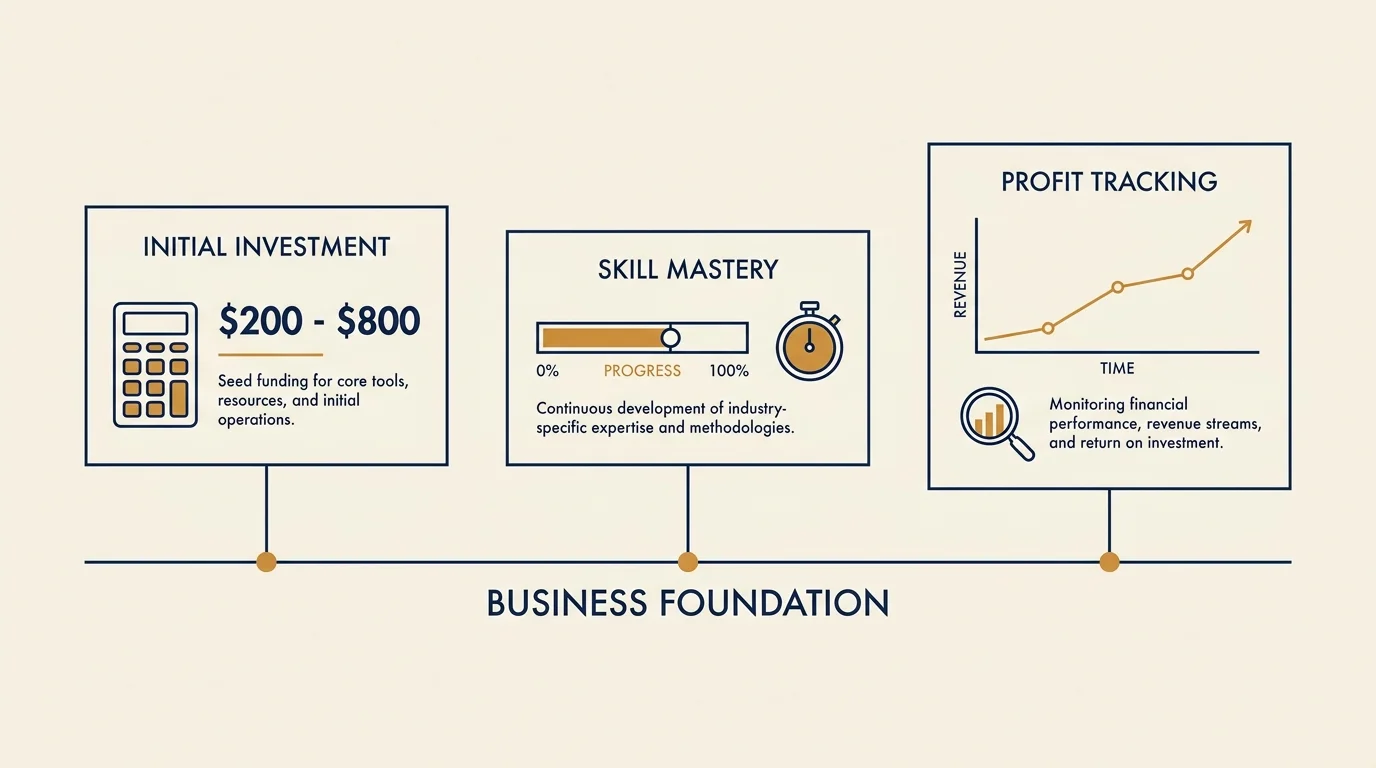
Before pouring a single drop of resin, establish a solid foundation for your handmade products. Transitioning from a casual hobbyist to a successful seller requires a strategic approach to your budget, timeline, and skill level. Expect an initial financial outlay ranging from two hundred to eight hundred dollars to secure professional-grade tools. Skimping on cheap supplies will only result in inferior products that fail to justify premium price tags. Your timeline will vary heavily based on the complexity of your chosen medium. Be entirely honest about your current skill level, and dedicate ample time to practicing your techniques before listing anything for sale. Many university extension services highlight the critical nature of tracking initial expenditures to ensure your new crafts business remains profitable right out of the gate.
The 8 High-Ticket Crafts Dominating the Market
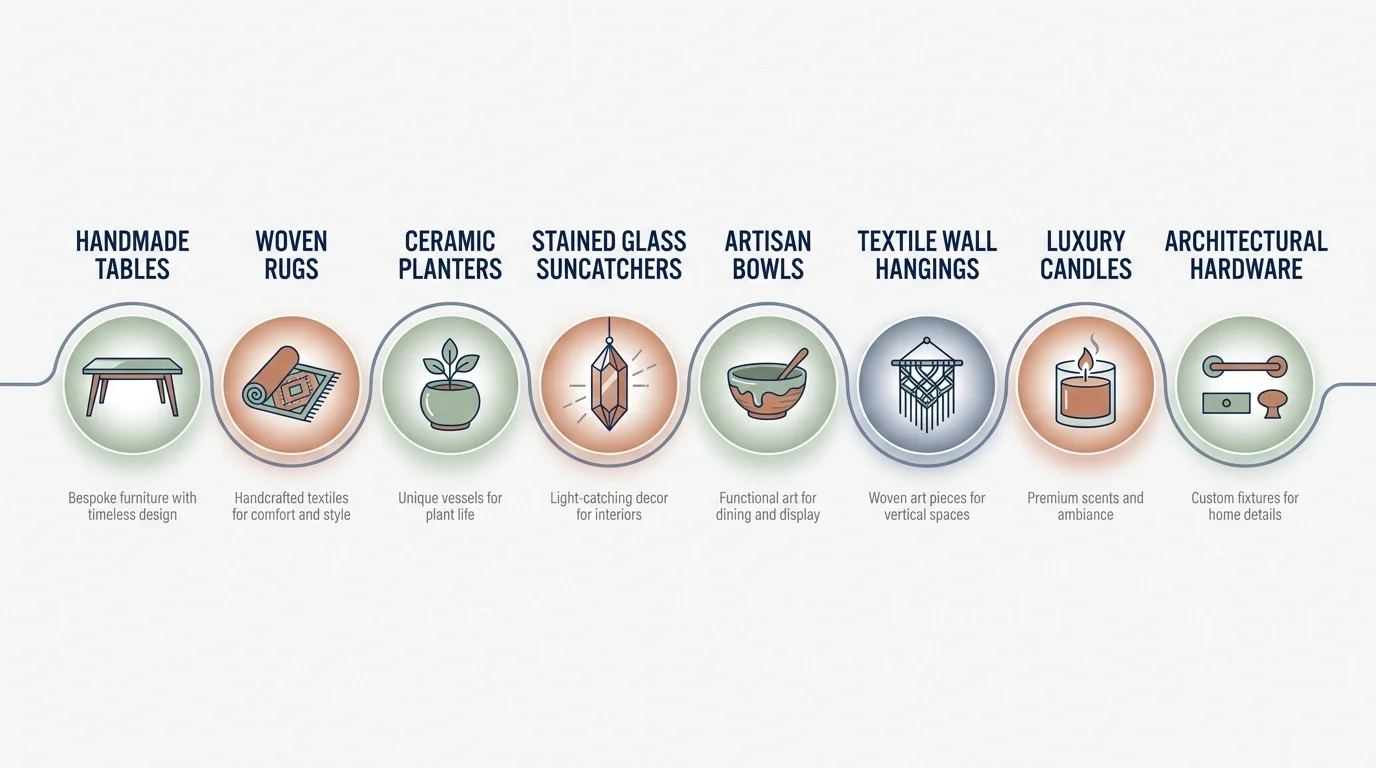
You might wonder exactly what buyers are searching for when they willingly open their wallets for luxury goods. Tracking current Etsy trends reveals a massive shift toward statement pieces that cannot be easily replicated by big-box retail stores. People crave authenticity, hefty materials, and bold designs. Here are the specific crafts commanding shocking prices online right now.

1. Live-Edge Epoxy River Tables
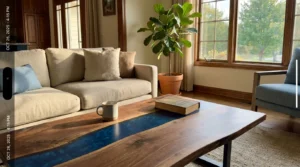
Woodworkers routinely sell custom river tables for thousands of dollars. You create these statement pieces by suspending a glass-like expanse of epoxy resin between two slabs of raw, live-edge timber. Buyers happily pay a premium for the organic aesthetic combined with sleek materials. Mastering this craft requires patience, strict temperature control, and a significant investment in deep-pour epoxy. You must seal the wood edges perfectly to prevent air bubbles, but the eventual profit margins on a flawless table easily justify the rigorous effort.
2. Large-Scale Tufted Area Rugs
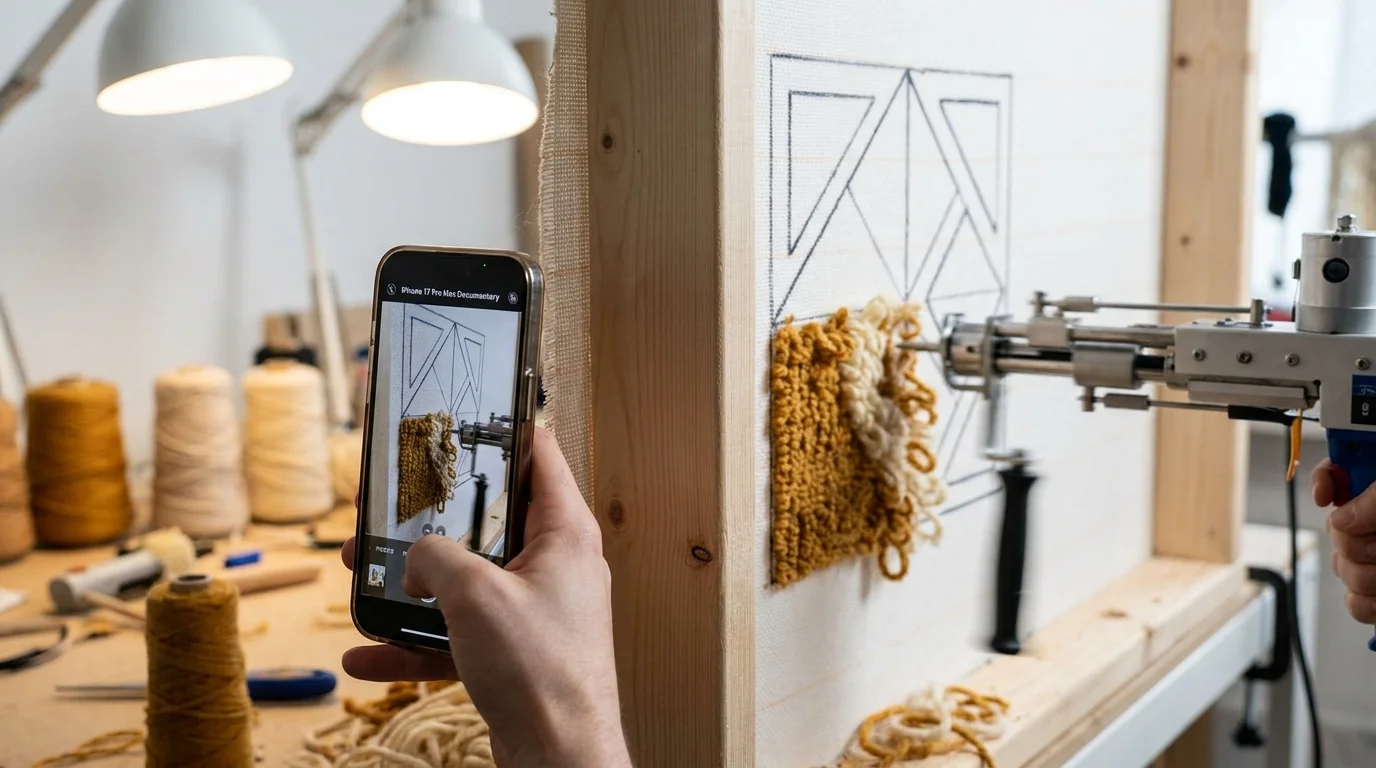
Custom rug tufting has exploded in popularity, transforming yarn into highly sought-after floor art. Using a mechanical tufting gun, you punch heavy-duty yarn through a stretched backing cloth to create intricate, plush designs. Sellers who create oversized rugs featuring retro typography or geometric patterns regularly charge upwards of six hundred dollars. The vibrant texture and completely personalized nature of these handmade products make them irresistible to buyers looking to elevate their interior spaces with a unique, touchable focal point.
3. Architectural Concrete Planters
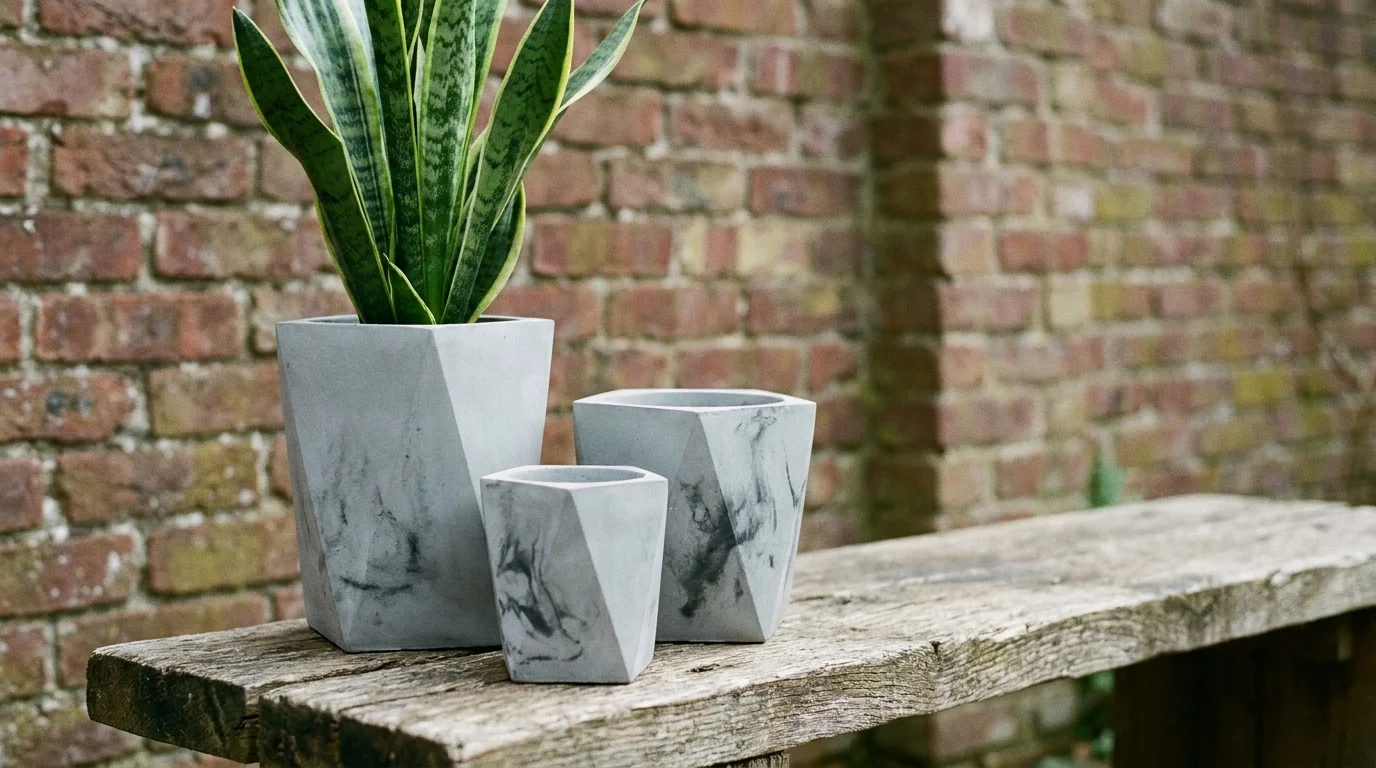
Concrete firmly establishes itself as a staple of modern home styling. By building custom silicone molds, you can cast sleek, architectural concrete planters that appeal to high-end indoor plant enthusiasts. Incorporating unique mineral pigments or metallic leaf accents allows you to elevate a highly affordable base material into a genuine luxury product. Heavy, geometric planters featuring crisp edges often sell for over one hundred dollars, offering an incredible return on the minimal cost of cement and fine sand.

4. Bespoke Stained Glass Suncatchers
Stained glass is experiencing a massive revival among younger demographics seeking vibrant window decor. You can step away from outdated designs and focus entirely on modern motifs like botanical leaves and abstract shapes. Cutting, grinding, and soldering glass requires a moderate initial investment in specialized tools, but the finished pieces fetch premium prices. Elaborate custom panels and modern suncatchers easily command two to three hundred dollars from buyers eager to bathe their living rooms in dynamic, colorful light.
5. Hand-Turned Hardwood Bowls
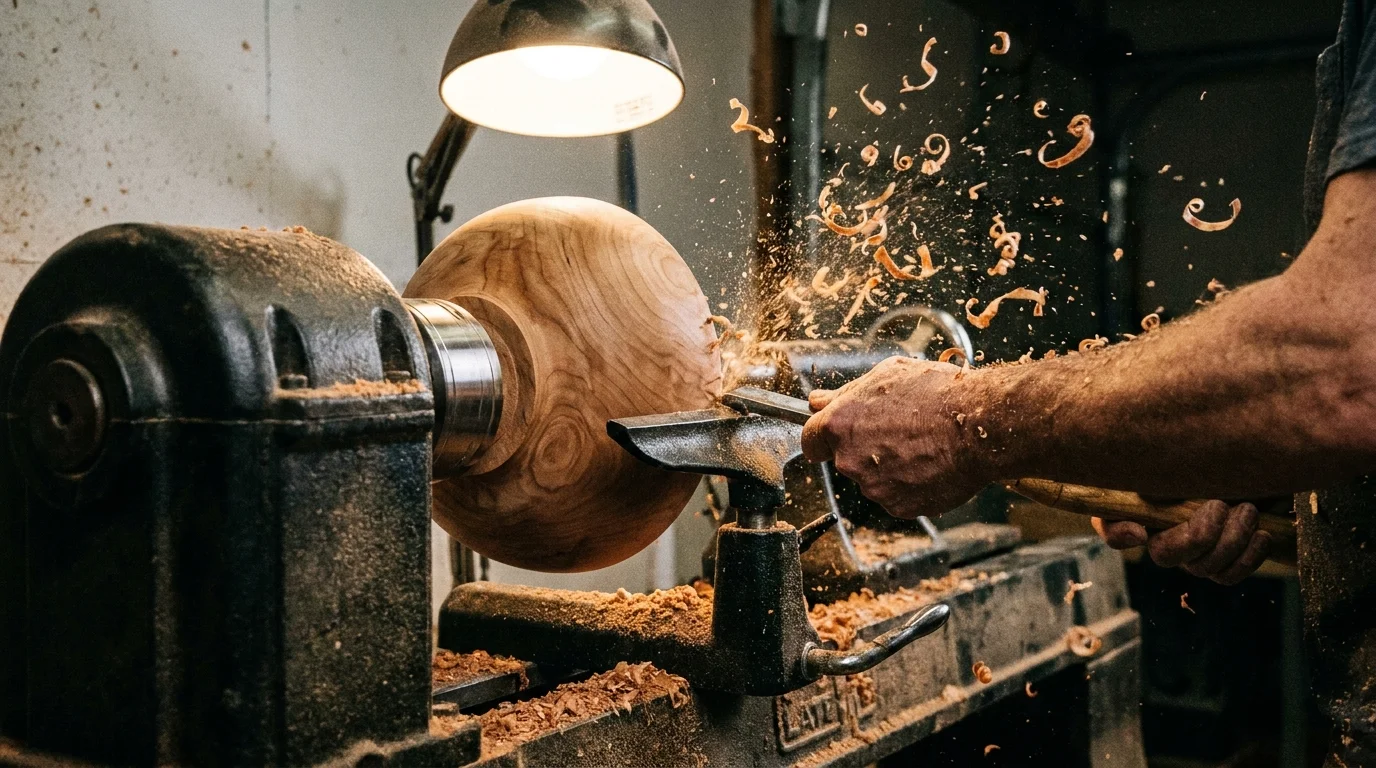
If you possess space for a wood lathe, transforming rough logs into smooth, hand-turned bowls offers incredible financial potential. Buyers appreciate the tactile beauty of a perfectly balanced wooden bowl, especially when carved from striking species like cherry or figured burls. You can frequently source fallen timber locally for free, keeping overhead low while selling finished, food-safe bowls for hundreds of dollars each. Achieving a flawless interior requires sharp gouges, but the heirloom-quality pieces practically sell themselves.
6. Giant Macrame Wall Hangings
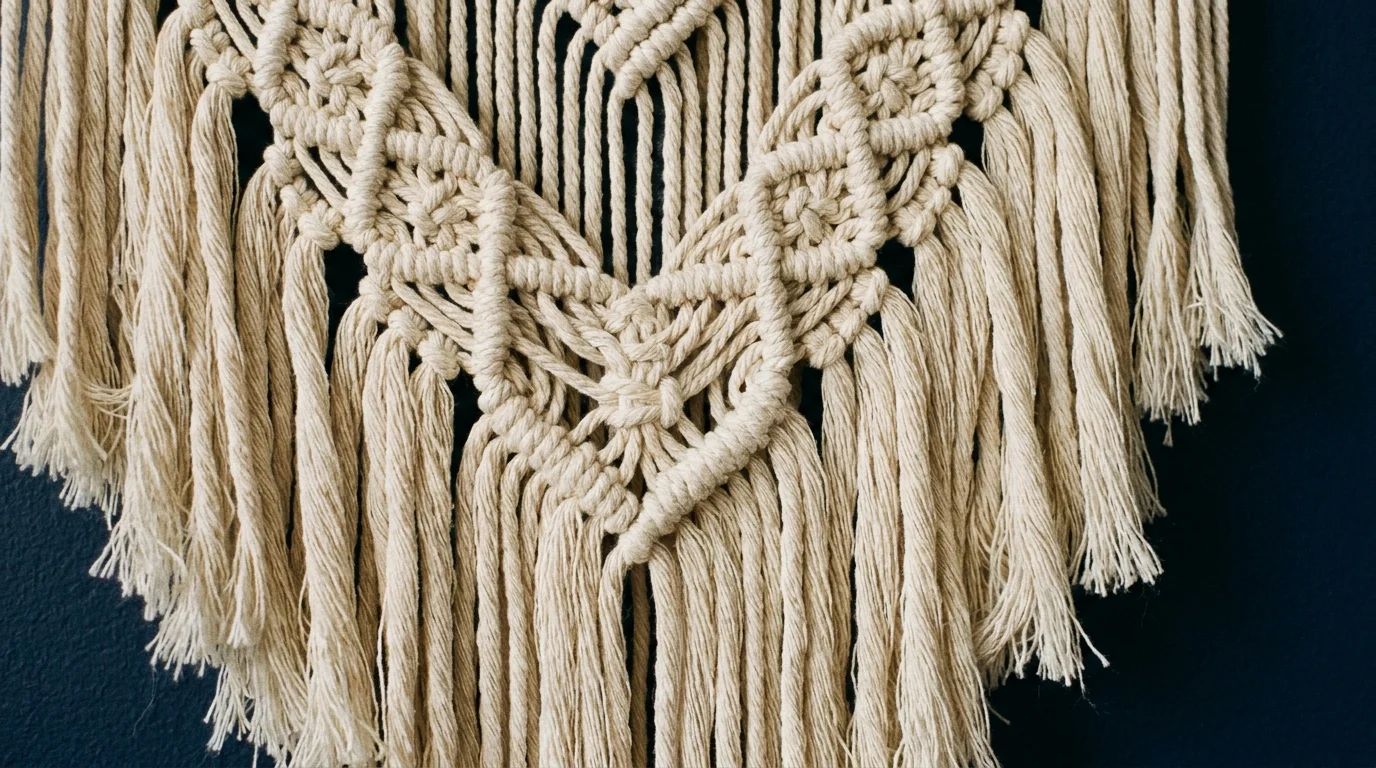
Fiber artists weave massive, intricate tapestries that serve as dramatic focal points for entire rooms. By utilizing high-quality cotton cord, you can knot expansive designs featuring cascading fringe and complex geometric diamond patterns. Because these sprawling pieces require dozens of hours of intensive manual labor, buyers deeply respect the craftsmanship. They routinely pay anywhere from four hundred to eight hundred dollars for a custom macrame installation perfectly tailored to their home decor scheme.
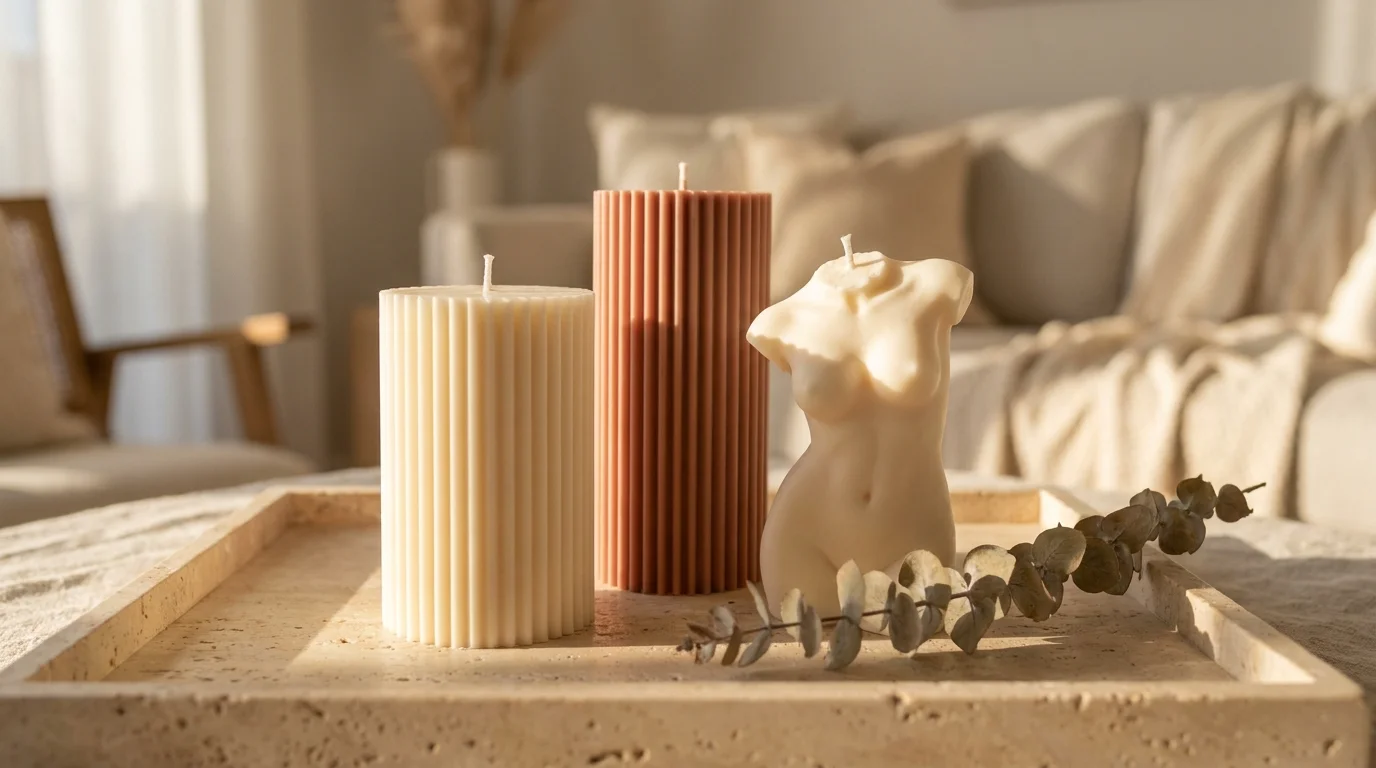
7. Sculptural Soy-Blend Candles
To command shocking prices in the booming home fragrance market, you must venture into sculptural, mold-poured candles that double as temporary art installations. Using high-grade silicone molds and custom-blended soy wax, you can cast striking shapes like knot pillows or classical busts. When paired with complex fragrance oils and minimalist packaging, these functional sculptures easily sell for fifty to eighty dollars apiece. This specialized craft generates fantastic DIY money with excellent overall profit margins.
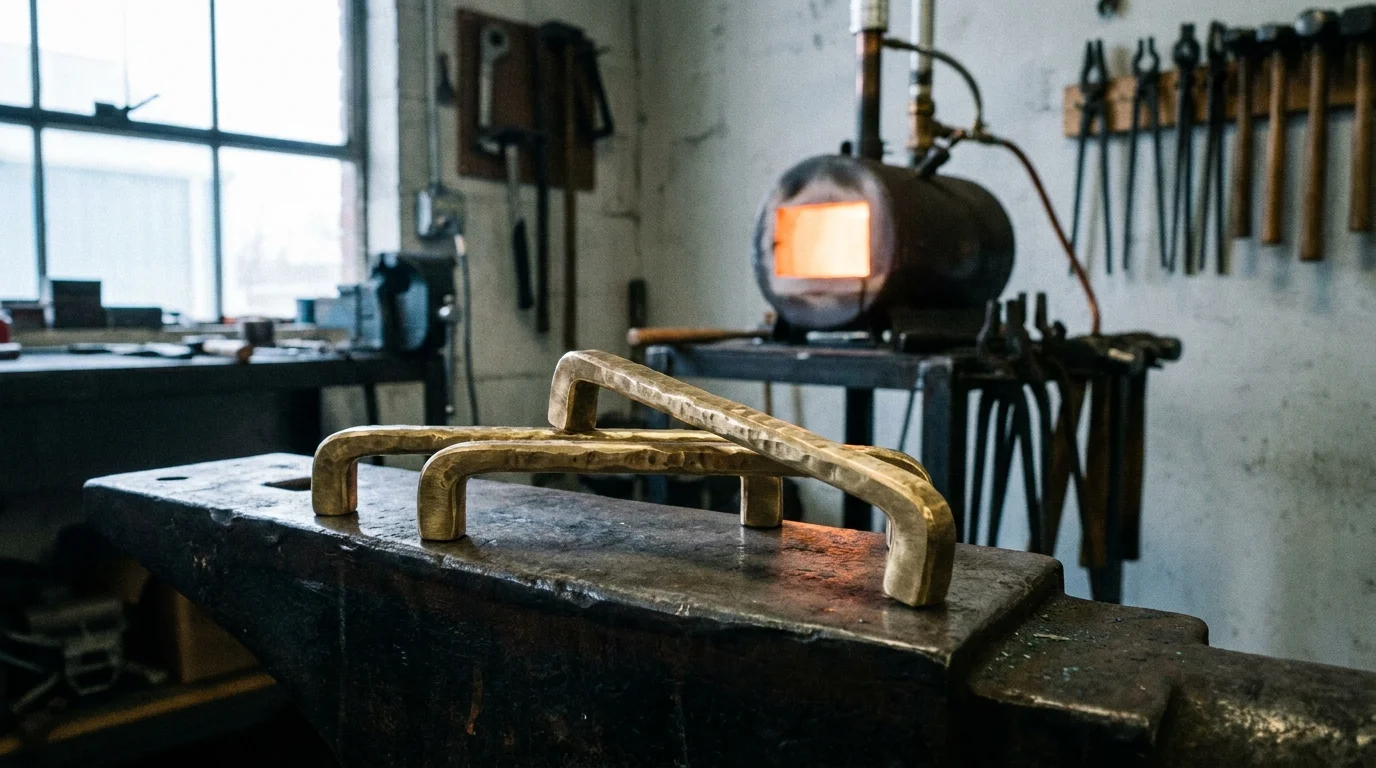
8. Hand-Forged Brass Hardware
Interior designers constantly seek unique cabinet pulls and switch plates to distinguish their newly renovated spaces. By working with solid brass—through basic metalsmithing techniques or precision pipe cutting—you can produce weighty, sophisticated hardware. Even simple brushed brass drawer pulls crafted with precision can sell for thirty dollars per individual handle. When a customer remodels an entire massive kitchen, a single hardware order easily totals several hundred dollars, making this a highly lucrative niche.
Phase One: Preparation and Material Sourcing
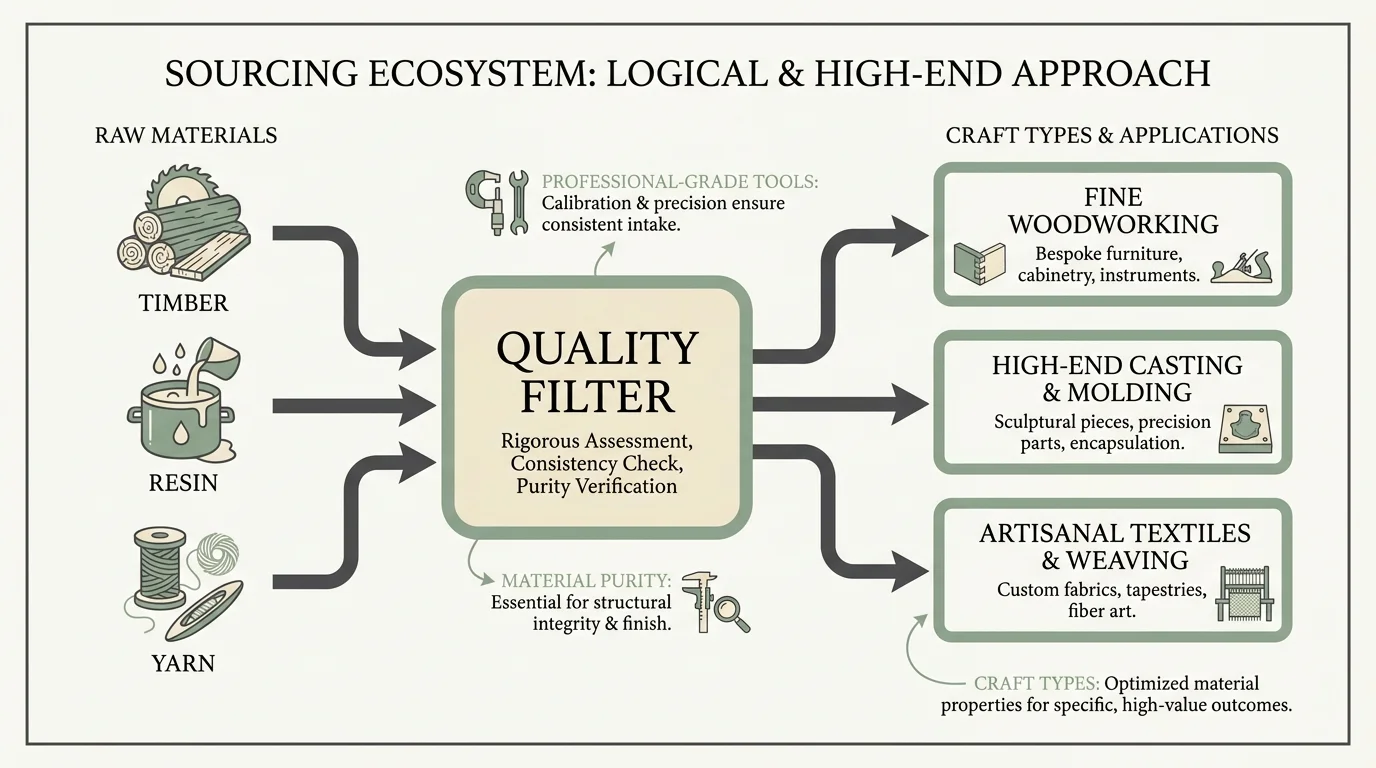
Creating luxury goods begins long before you touch your tools. Preparation and intelligent material sourcing dictate the ultimate quality of your final piece. Evaluate your suppliers carefully, bypassing cheap craft store materials in favor of wholesale components. If you cast concrete, source flow-control additives to prevent cracking; if you pour resin, invest in UV-resistant epoxies. Proper preparation demands strict adherence to safety protocols. Working with fine particulates requires a well-ventilated workspace. Review the guidance from the Department of Energy on proper ventilation strategies to ensure your studio remains safe. Set up your lighting to mimic natural daylight so you can accurately gauge pigment mixing and spot tiny imperfections before they become permanent flaws.
Phase Two: Execution and Quality Control
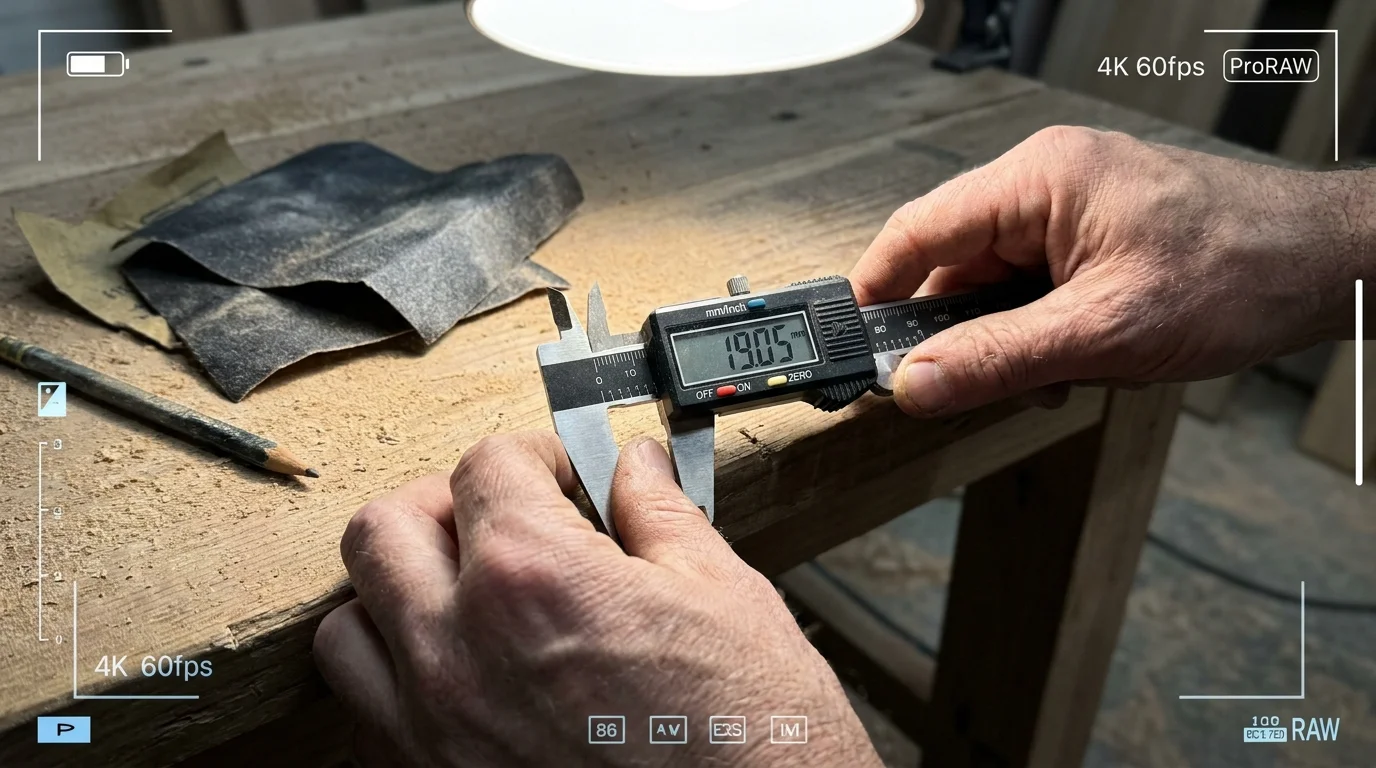
The execution phase distinctly separates amateur hobbyists from professional artisans. When you begin your build, purposefully slow down and apply rigorous quality control. If you tuft a rug, pause frequently to check the tension of your backing cloth and ensure color borders remain perfectly crisp. If you pour a river table, monitor your ambient temperature and use a heat gun to eliminate micro-bubbles. High-end buyers inspect their purchases closely; they will absolutely notice a poorly sanded edge or a wandering solder line. Do not rush the necessary drying or curing times. Implement a personal standard of excellence where any piece featuring a noticeable flaw is relegated to a discounted seconds sale.

Phase Three: Finishing and Presentation
Expert finishing techniques elevate a merely good project into a breathtaking luxury item. This phase demands extreme patience as you painstakingly sand wood through progressive grits until it feels exactly like glass. Apply high-quality sealants to protect your hard work; a premium hard-wax oil on a turned bowl ensures long-term longevity and justifies your prices. Beyond the physical object, your presentation and unboxing experience play a massive role in perceived value. Wrap your items in thick tissue paper, include a handwritten thank-you note, and use sturdy shipping boxes. When customers feel like they are opening a high-end boutique purchase, they instantly become loyal repeat buyers.

Styling and Personalization for Maximum Profit
Customization serves as the ultimate lever for drastically increasing your profit margins. Buyers browsing for handmade products seek something perfectly tailored to their specific interior design scheme. By explicitly offering personalized color palettes or custom dimensions, you can confidently charge a significant premium. Stay actively informed about shifting aesthetic preferences by studying prominent design publications. Exploring high-end bespoke decor trends featured in Architectural Digest gives you direct insight into the specific textures and silhouettes luxury buyers currently prefer. Additionally, observing the latest color trends highlighted by HGTV helps you accurately anticipate which shades will dominate the upcoming decorating season. If earthy terracotta is currently trending, incorporate those pigments into your concrete planters. Photograph your finished pieces in beautifully styled environments that help the prospective buyer visualize the item sitting proudly in their own living room.

Troubleshooting Common Crafting Pitfalls
Even highly skilled artisans encounter unexpected disasters in the studio. Resin might fail to cure properly due to an inaccurate mixing ratio, leaving you with a sticky mess. Concrete can develop hairline cracks if it dries too rapidly. Stained glass might shatter under the pressure of a poorly adjusted grinder bit. When these inevitable issues arise, pivot quickly from frustration to objective analysis. Document your mistakes meticulously in a dedicated workshop journal, noting the exact room temperature and humidity levels. Often, resolving these pitfalls simply requires adjusting your environmental controls. Furthermore, provide a detailed care card with every purchase, explaining precisely how to dust a tufted rug or keep a brass handle from tarnishing.
Frequently Asked Questions
Readers and aspiring makers constantly seek granular details about safely transitioning from hobby crafting to selling high-ticket items online. Here are four practical, highly relevant questions you must consider as you launch your new enterprise.
What specific tools should I invest in first to maximize quality?
You should aggressively prioritize tools that directly impact the structural integrity and surface finish of your crafts. Invest heavily in a high-quality random orbital sander, a precision digital scale for measuring volatile compounds, and professional-grade safety equipment like a dual-cartridge respirator. Upgrading your core tools immediately elevates the baseline quality of your work, drastically reducing fatigue and saving you countless hours of frustrating manual corrections.
How do I source premium materials without bankrupting my budget?
Building strong relationships with wholesale suppliers is absolutely crucial for securing top-tier materials at reasonable prices. Skip the retail craft stores entirely, as their markups will devour your profits. Instead, seek out local lumber mills for your rough hardwood, industrial construction suppliers for specialized concrete aggregates, and online wholesale distributors for bulk waxes. You can frequently negotiate significant discounts by purchasing larger quantities upfront.
How do I adapt large-scale projects for a cramped workspace?
You do not need a sprawling warehouse to produce luxury crafts, but you absolutely need extreme organizational discipline. Maximize your vertical storage by installing heavy-duty wall shelving for your raw materials. Utilize mobile workbenches equipped with locking casters so you can easily reconfigure your layout based on the task at hand. Install a sturdy ceiling mounting bar to roll up large macrame hangings as you work.
How should I price my customized, high-end handmade goods?
Pricing remains one of the most notoriously challenging aspects of generating DIY money. You must meticulously calculate the exact cost of your materials and factor in your hourly labor rate, hidden overhead expenses, and a healthy profit margin for future reinvestment. Never attempt to compete on price with mass-produced factory goods imported from overseas. Confidently price your items based on the exceptional craftsmanship and personalized service you provide.
Your Next Creative Step
The barrier to entry for building a highly profitable creative venture has never been lower, yet demand for handmade luxury goods continues to soar. You possess the capability to transform basic materials into stunning art pieces that redefine a residential space. Stop letting your creative potential sit idle in the planning phase. Choose one specific craft from this guide, gather your premium materials, and commit to mastering the process this weekend. Your hands are entirely capable of building something visually extraordinary, and a vibrant market of eager buyers is already waiting. Clear off your workbench, turn on your favorite workshop playlist, and take that thrilling first step toward building your artisanal empire today.