Transform your cleaning routine and save money by unlocking the hidden potential of a simple pantry staple. You can ditch harsh chemicals and expensive specialty products when you harness the natural neutralizing power of baking soda throughout your home. Whether you need to lift stubborn carpet stains, refresh a musty closet, or polish tarnished hardware, sodium bicarbonate acts as a gentle yet highly effective abrasive and deodorizer. Tackling these fifteen versatile applications requires nothing more than a few basic household supplies and a willingness to rethink your approach to home maintenance. Grab a fresh box from the grocery store to discover how easily you can elevate your space with this safe, eco-friendly powerhouse.
Planning Your Natural Cleaning Shift
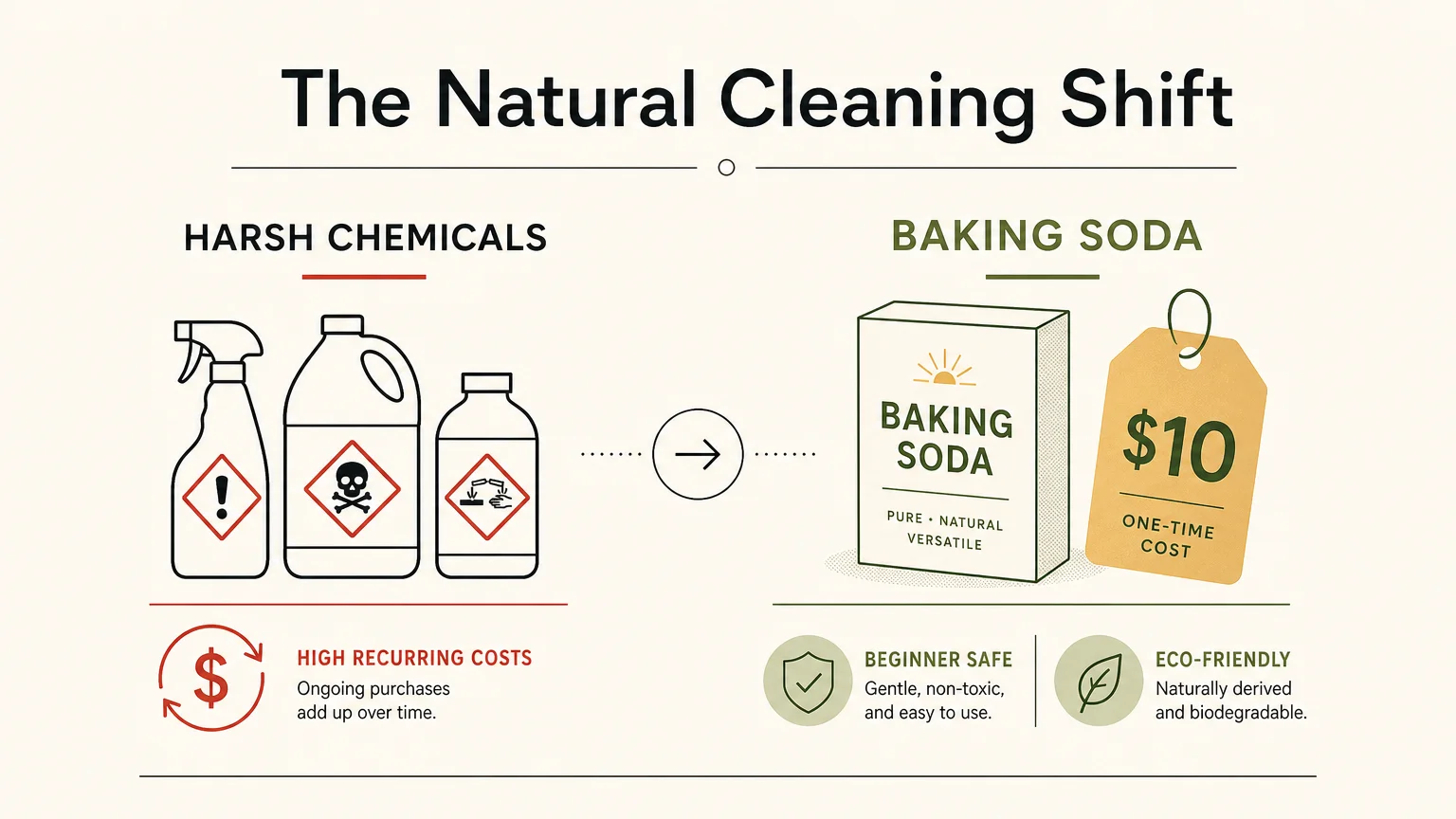
Before diving into your home refresh, evaluating the scope of this natural cleaning approach helps you prepare effectively. Switching to baking soda is incredibly budget-friendly; you can purchase large warehouse-club bags for less than ten dollars, providing enough material to last for months of heavy use. The timeline for these projects varies significantly based on the task at hand. Some applications, like wiping down a wall scuff, take mere seconds; others, such as deep-cleaning a mattress or lifting an oil stain, require the powder to sit overnight to absorb moisture and odors fully. Skill-wise, every single method outlined here falls comfortably into the beginner category. You do not need specialized safety gear, complex tools, or prior chemical knowledge to achieve professional-level results.
Preparation Phase: Setting Up Your Supplies
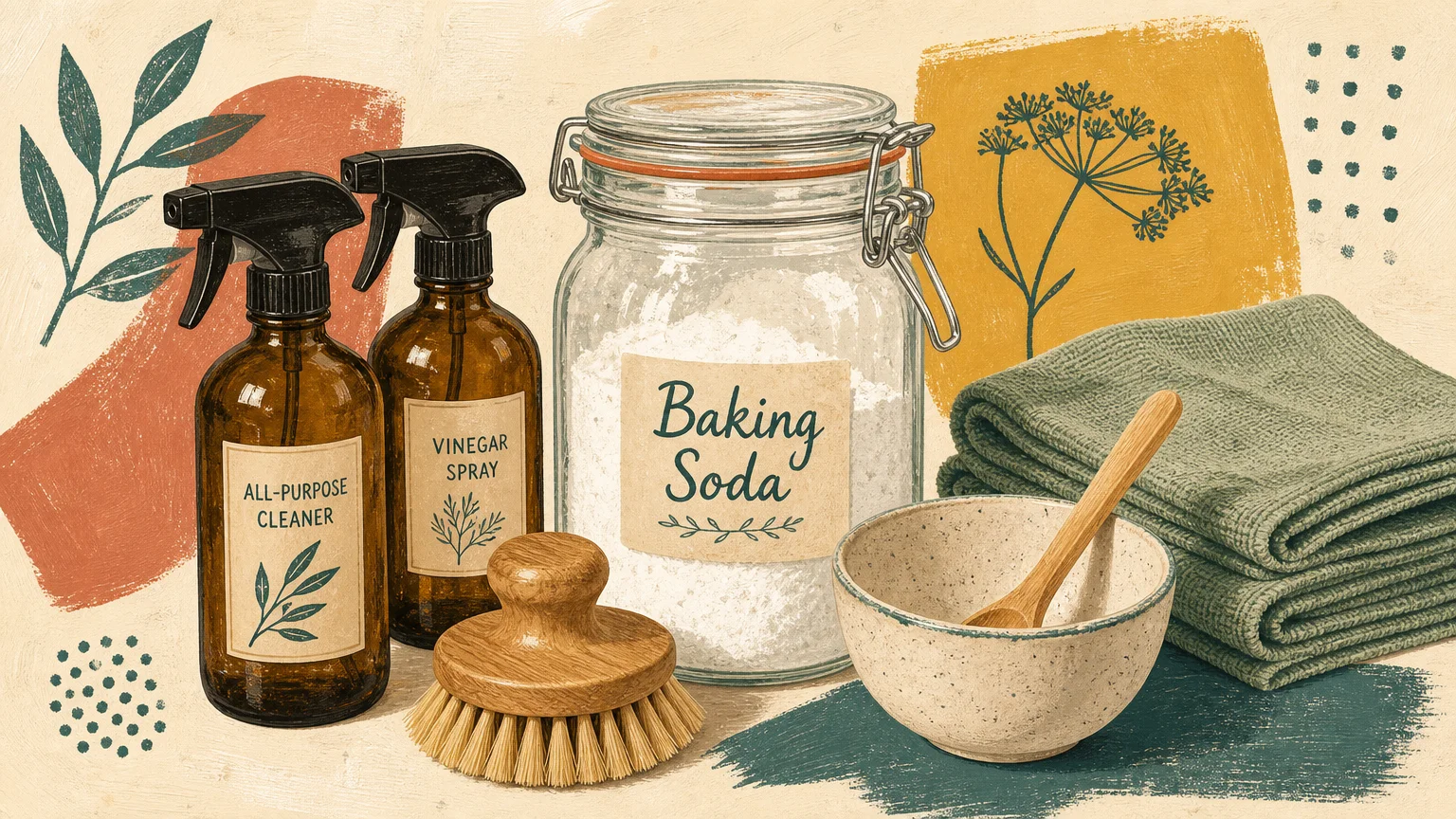
Success with natural home remedies begins with proper staging and supply gathering. Because you will use this versatile compound across multiple rooms, buy baking soda in bulk rather than relying on the tiny boxes meant for baking cookies. Transfer your bulk supply into airtight glass or heavy-duty plastic containers to prevent the powder from absorbing ambient moisture and clumping before you even use it. You will also want to gather a few reliable spray bottles, a stack of clean microfiber cloths, a soft-bristled scrub brush, and an old toothbrush for tight corners. If you plan to create paste cleaners, keep a small mixing bowl and a dedicated stirring spoon handy. While baking soda is inherently safe, wearing comfortable cleaning gloves prevents the mild abrasive from drying out your hands during extended scrubbing sessions.
Understanding the basic chemistry of your new favorite tool ensures you get the best performance. Baking soda is a mild alkali, which means it easily cuts through grease and acidic grime like sweat or spilled wine. When used dry, it acts like thousands of microscopic sponges, trapping odor molecules rather than just masking them with heavy artificial perfumes. Taking a few minutes to organize your cleaning caddy with these tools sets a productive, stress-free foundation for the work ahead.
Execution Phase: 15 Brilliant Household Hacks
1. Revive Tired Carpets and Area Rugs
High-traffic areas quickly trap odors from pets, cooking, and daily living. To refresh your carpets, sprinkle a generous, even layer of dry baking soda across the entire surface. Use a dry scrub brush or a clean broom to gently work the powder down into the fibers where the trapped odors live. Allow the treatment to sit for at least thirty minutes—though leaving it overnight yields superior results for heavily soiled rugs. Vacuum the area thoroughly using slow, overlapping strokes to extract both the baking soda and the neutralized grime.
2. Deep Clean Your Mattress
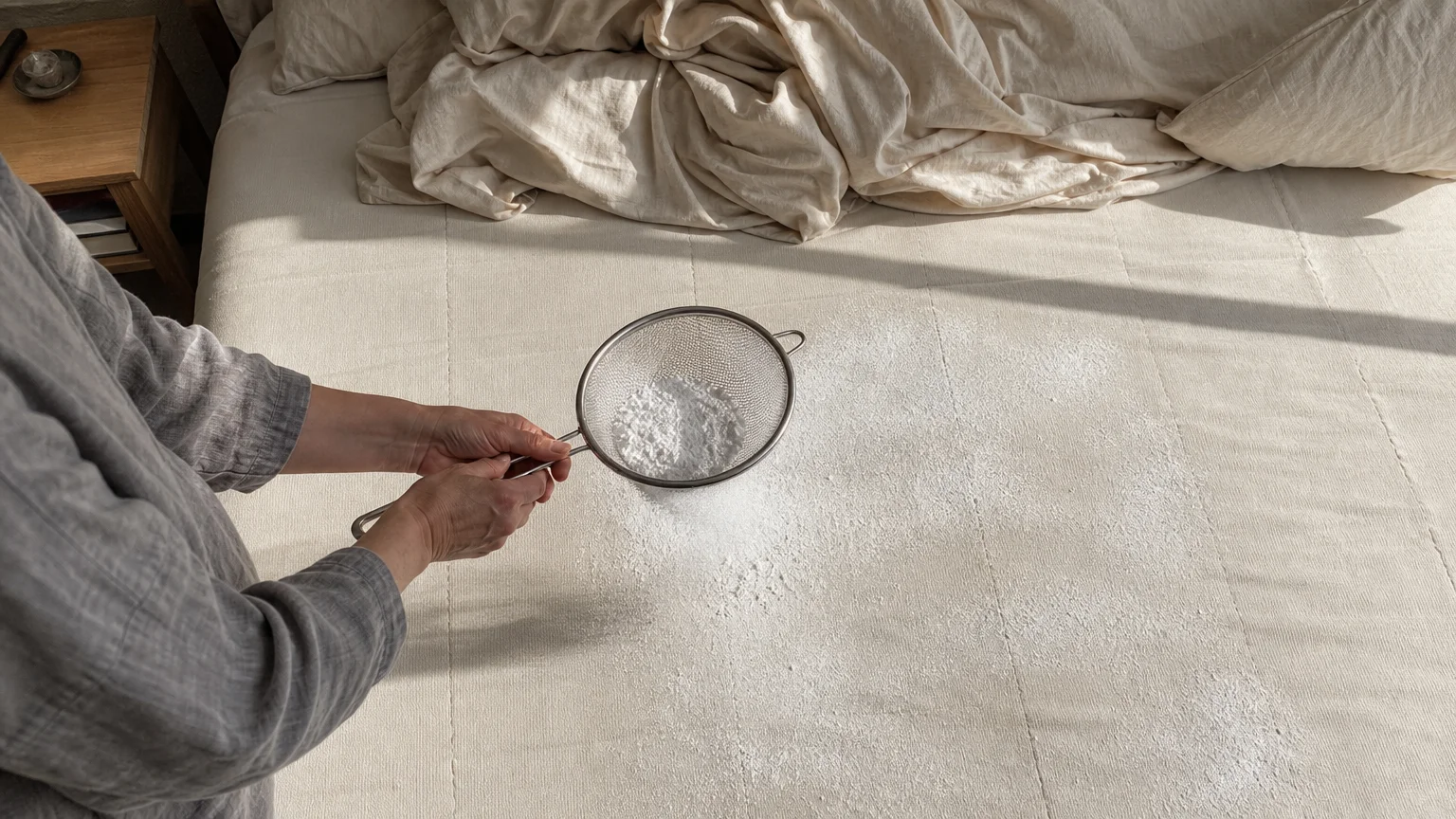
Your mattress absorbs sweat and dead skin cells every night, yet it rarely receives a thorough washing. Strip all your bedding and throw it in the wash. Next, use a fine mesh sieve to dust a uniform layer of baking soda directly onto your bare mattress pad. Let the powder rest undisturbed for a full hour to draw out moisture and trapped smells. Attach the upholstery nozzle to your vacuum cleaner and meticulously sweep the entire surface, paying special attention to the seams and piping where dust mites like to hide.
3. Brighten Discolored Tile Grout
Dingy grout lines instantly make a bathroom or kitchen look unkempt. Create a thick, spreadable paste by mixing three parts baking soda with one part warm water. Apply this mixture directly to the grout lines using your fingers or a small spatula, pressing it firmly into the porous surface. Let the paste sit for ten minutes to break down the embedded soap scum and mildew. Scrub vigorously with an old toothbrush, then wipe the area clean with a damp microfiber cloth to reveal dramatically lighter grout.
4. Rescue Odor-Heavy Footwear
Running shoes and heavy winter boots easily develop unpleasant aromas due to trapped sweat and poor ventilation. You can create custom deodorizing sachets by pouring two tablespoons of baking soda into the toe of an old, clean sock. Tie off the ankle of the sock tightly and shove the bundle deep into the offending shoe. Leave the sachets inside whenever you are not wearing the shoes. The powder constantly absorbs lingering moisture and neutralizes bacterial odors without leaving messy white residue directly on the insoles.
5. Deodorize Lingering Trash Can Smells
Even after you take out the garbage, liquid spills and bacterial growth leave indoor bins smelling foul. After washing out the plastic basin with warm soapy water, dry the interior completely. Sprinkle a dense, half-inch layer of baking soda directly onto the bottom of the empty can before inserting a fresh liner. This invisible barrier catches drips and actively neutralizes new odors as they develop throughout the week. Dump out the old powder and replace it once a month during your routine deep clean.
6. Polish Stainless Steel Sinks
Stainless steel sinks take a massive beating from acidic food scraps and heavy cookware, leading to dullness and micro-scratches. Following guidance that experts at HGTV recommend for stainless steel maintenance, you can restore that original showroom shine. Wet the entire sink basin, then sprinkle baking soda generously over the damp metal. Use a soft, non-abrasive sponge to buff the sink in the direction of the metal’s natural grain. Rinse away the slurry with hot water, and buff the steel dry with a clean cloth to prevent water spots.
7. Rescue Mildewed Shower Curtains
Plastic shower curtain liners act as magnets for pink mold and stubborn soap scum. Instead of throwing them away and creating plastic waste, take down the liner and place it in your washing machine along with two plush bath towels. The towels act as gentle scrubbers during the wash cycle. Add half a cup of your regular laundry detergent and half a cup of baking soda directly to the drum. Run a warm water cycle, then immediately rehang the wet liner in your shower to drip-dry completely wrinkle-free.
8. Clear Sluggish Drains Naturally
Before reaching for caustic, toxic liquid plumbers, clear slow-moving drains with simple pantry chemistry. Pour a full cup of dry baking soda directly down the affected drain, ensuring it falls past the stopper. Follow this immediately with a kettle full of boiling water to flush the heated alkaline powder through the grease and hair blockages. If the drain remains slow, repeat the process. This routine maintenance prevents severe clogs from forming while simultaneously eliminating the source of fruit fly infestations and rotten sink smells.
9. Cut Through Tough Grill Grease
Outdoor barbecue grates accumulate stubborn, carbonized food bits that defy ordinary dish soap. Wait until your grill is completely cool, then remove the grates and lay them on a flat, protected surface. Dip a stiff-bristled, damp grill brush into a bowl of dry baking soda and scrub the metal vigorously. The powder’s gentle abrasiveness shears off the burnt-on grease without scratching the protective enamel coating. Rinse the grates thoroughly with a garden hose and dry them immediately to prevent flash rusting.
10. Neutralize Stubborn Pet Accidents
When furry family members have accidents on the living room rug, quick action is vital. First, blot up as much of the liquid as possible using heavy paper towels—never rub, which pushes the stain deeper. Once the area is relatively dry to the touch, cover the entire damp spot with a thick mountain of baking soda. Leave this mound undisturbed for at least twelve hours; it will slowly wick the remaining urine up out of the carpet pad. Vacuum the hardened crust away to reveal a dry, odor-free surface.
11. Restore Shine to Tarnished Silver
You can reverse the chemical reaction that causes silver to tarnish without spending hours rubbing harsh polishing creams. Line the bottom of a glass baking dish with a sheet of aluminum foil, shiny side facing upward. Place your tarnished silver flatware or jewelry directly on the foil, ensuring physical contact. Sprinkle a heavy layer of baking soda over the items, then carefully pour boiling water into the dish until everything is submerged. You will see the tarnish miraculously transfer from the silver onto the foil; rinse and buff dry.
12. Erase Wall Scuffs and Marks
High-traffic hallways inevitably accumulate black shoe scuffs and mysterious dark streaks. Lightly dampen a clean sponge and dip a single corner into dry baking soda. Gently buff the scuff mark using light, circular motions. Because the powder breaks down as you rub, it removes the transfer mark without eating through your expensive interior paint. Wipe the wall clean with a fresh, damp cloth to remove any residual white film, leaving your painted surfaces looking freshly rolled.
13. Freshen Vintage Upholstery
Bringing home thrifted or antique furniture often means bringing home an array of musty, aged odors. In alignment with Architectural Digest’s detailed upholstery care guides, you can safely refresh delicate fabrics without risking water damage. Use a soft upholstery brush to knock away loose surface dust. Dust the entire piece generously with dry baking soda and let it sit in a well-ventilated room for twenty-four hours. Vacuum using a soft brush attachment to lift away decades of trapped, stale air.
14. Absorb Garage Floor Oil Spills
Motor oil and transmission fluid stains turn a clean concrete garage floor into a hazardous, unsightly mess. The moment you spot a fresh leak, pour a heavy, thick layer of baking soda directly over the puddle. Allow the powder to sit for several hours to soak up the viscous fluid. Once the powder looks dark and clumped, use a stiff push broom to sweep it into a dustpan. For older, set-in stains, wet the baking soda slightly to form a paste and scrub the concrete with a heavy-duty nylon brush before rinsing.
15. Rescue Musty Books and Heirloom Furniture
Old books, wooden dresser drawers, and antique luggage often harbor a distinct, mildew-heavy scent that transfers to your belongings. Place the offending item inside a large, sealable plastic storage bin. Set an open, shallow bowl filled with one cup of baking soda right next to the item, ensuring they do not physically touch. Snap the lid tightly onto the bin and leave it in a dry place for a full week. The enclosed environment forces the baking soda to absorb the ambient moisture and musty odors completely.
Finishing Phase: Proper Cleanup and Storage
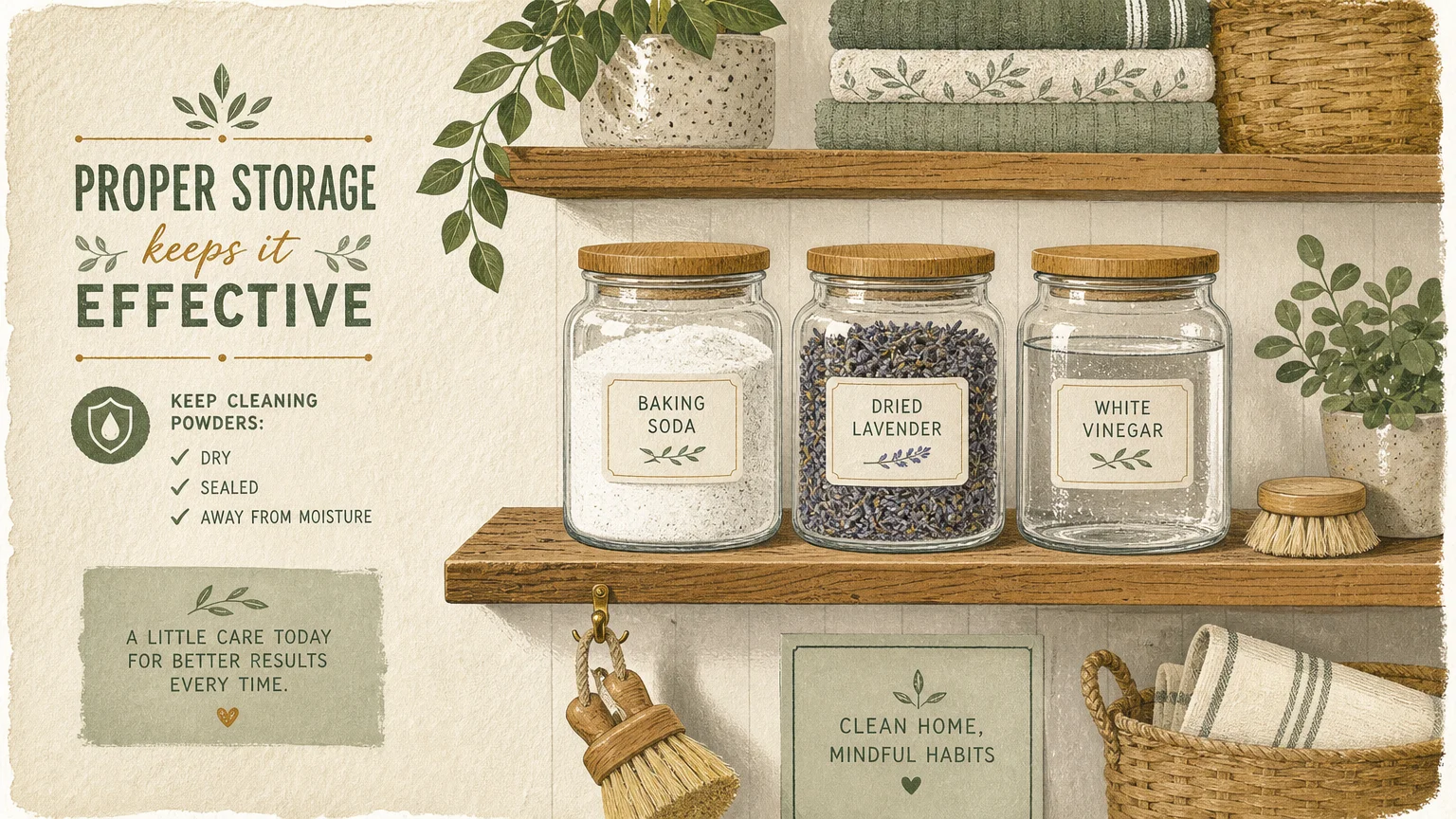
Wrapping up your natural cleaning session properly ensures your tools are ready for the next project. Whenever you use baking soda pastes on hard surfaces like tile or metal, you must perform a final rinse with clean water. If left behind, dried baking soda leaves a chalky, white film that dulls shiny finishes. Wipe down your counters and sinks with a damp cloth, then dry them to a polish. For storage, tightly seal your bulk container to prevent humidity from causing hard, unusable lumps. Never pre-mix baking soda and vinegar in a closed bottle for storage; the resulting gas expansion will cause the container to violently burst. Keep your dry powder clearly labeled and stored alongside your other household cleaning supplies in a cool, dry cabinet.
Styling and Personalization: Elevating the Experience
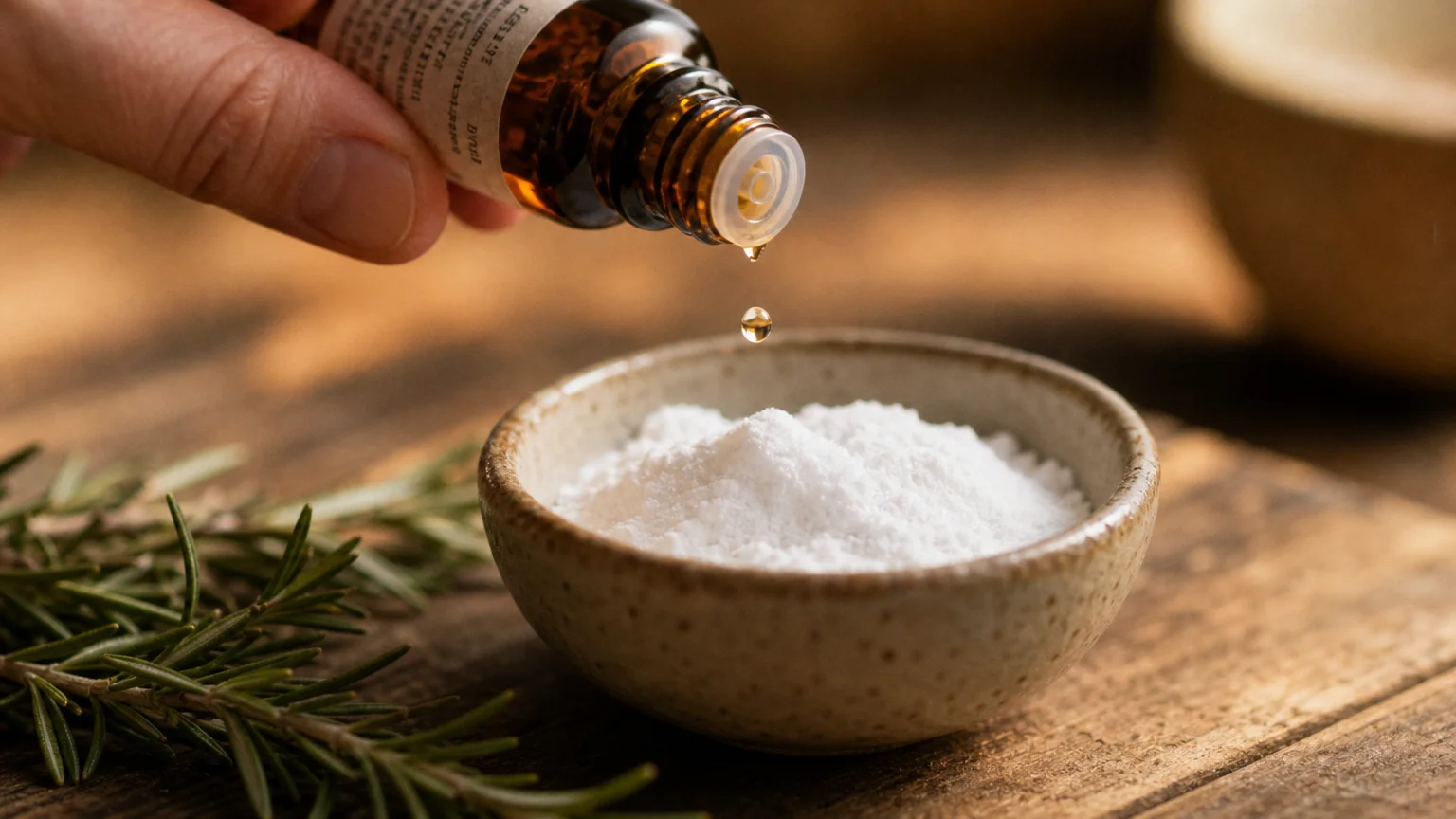
Who says utilitarian cleaning supplies cannot feel luxurious? You can easily elevate your natural cleaning routine by infusing your baking soda with high-quality essential oils. Add twenty drops of lavender, sweet orange, or tea tree oil to a glass mason jar filled with baking soda. Shake the jar vigorously to distribute the oils, creating a custom-scented carpet or mattress refresher that rivals expensive boutique brands. By transferring your cleaning powder into attractive glass canisters with stainless steel shaker lids, you remove visual clutter from under your sink and keep your supplies within easy arm’s reach. Tailoring the scents to match the seasons—think bright citrus in the summer and warm cedarwood in the winter—makes weekly maintenance feel less like a chore and more like a holistic home ritual.
Troubleshooting Common Pitfalls and Routine Upkeep
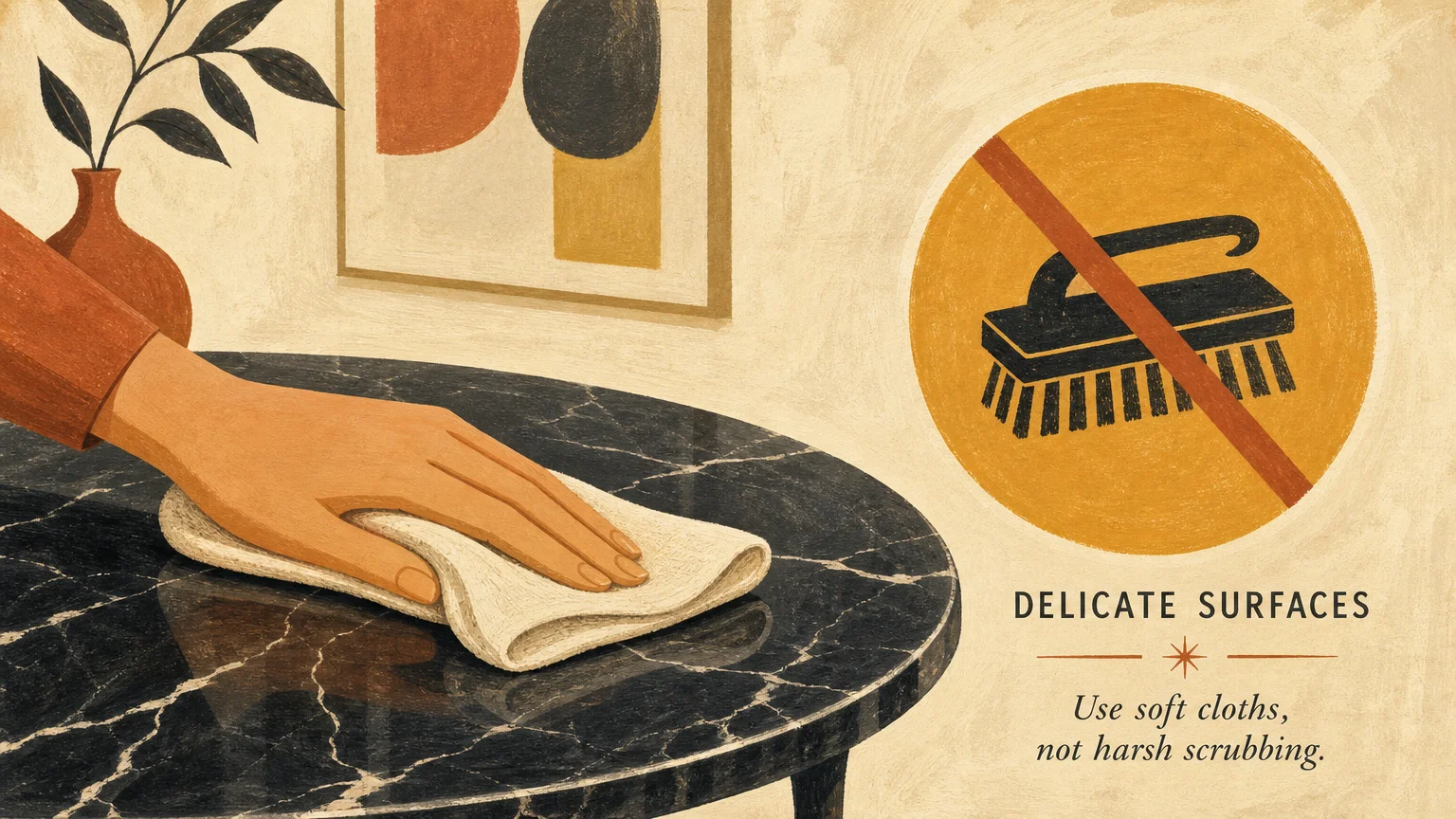
While baking soda is incredibly forgiving, a few missteps can frustrate a beginner. The most common issue is the aforementioned white, powdery residue left behind on dark floors or countertops. If you notice this chalky film, simply lightly mist the area with water and wipe it away with a clean towel. Be aware of the surfaces you should never treat with this mild abrasive. Avoid using baking soda on raw marble, antique silver with delicate patinas, or aluminum cookware, as it can cause micro-scratching or discoloration over time.
For routine upkeep, establish a monthly schedule for your passive deodorizers. The open bowl in the back of your refrigerator and the powder sitting at the bottom of your trash cans lose their absorbing capabilities after about thirty days. Instead of throwing this spent powder away, pour it down your kitchen sink drain followed by hot water; you get a secondary cleaning benefit as you dispose of the old material. By leaning on university extension service recommendations for safe handling, you ensure your home stays brilliantly clean without accidentally damaging sensitive surfaces.
Frequently Asked Questions
Can I use the baking soda sitting in the back of my fridge for active cleaning?
You should absolutely recycle that older powder for basic cleaning tasks, but manage your expectations regarding its potency. Baking soda left open in a refrigerator absorbs heavy food odors and ambient moisture, which causes it to clump and reduces its overall effectiveness as a dry deodorizer. While you should not use it to freshen a mattress or sprinkle on a carpet, that older powder works perfectly fine for scrubbing a dirty stainless steel sink, clearing a sluggish drain, or degreasing your outdoor grill grates.
Are there any specific household surfaces that baking soda will damage?
Yes, despite its gentle nature, you must avoid a few specific materials. Never use baking soda on marble or quartz countertops; repeated friction dulls the expensive, glossy sealant over time. You should also keep it away from aluminum pots and pans, as the alkaline nature of the powder reacts with the metal, causing deep oxidation and dark discoloration. Finally, avoid using it on wood furniture finished with delicate varnishes or antique gold plating, where even a mild abrasive can strip away the protective topcoat.
Does mixing baking soda and vinegar cancel out their cleaning power?
This is one of the most common misunderstandings in natural cleaning. When you mix baking soda (a base) with vinegar (an acid), they immediately react to form carbon dioxide gas, water, and a small amount of salt. The bubbling mechanical action is fantastic for physically lifting grime out of tight spaces or pushing clogs down a drain. However, once the bubbling stops, the resulting liquid is essentially neutral water. To get the best results, use them sequentially rather than mixing them into a dormant paste; scrub with baking soda first, then spray vinegar to lift the residue.
Where is the most cost-effective place to buy baking soda for large home projects?
If you plan to overhaul your entire cleaning routine, skip the small baking aisle boxes at your local grocery store. Check the laundry detergent aisle instead, where you can often find larger, multi-pound boxes designed specifically for household chores. For the best value, visit wholesale club stores or hardware stores, which frequently sell enormous ten-to-fifteen-pound resealable bags for a fraction of the retail cost per ounce. Storing these large bags in a dry, climate-controlled utility room ensures you always have plenty on hand for unexpected spills.
Empower Your Next Cleaning Project
Making the switch to natural, household-safe cleaners does not require compromising on performance or spending a fortune. By integrating these fifteen practical applications into your weekly routine, you drastically reduce your reliance on harsh synthetic chemicals while achieving a deeper, longer-lasting clean. Taking control of your environment—from the fresh scent of your area rugs to the brilliant shine of your kitchen sink—fosters a deeper sense of pride in your space. This strategy also aligns perfectly with modern Department of Energy home maintenance strategies that emphasize safer indoor air quality. Grab a scrub brush, unbox a fresh supply of baking soda, and start transforming your most stubborn household challenges into satisfying, quick-fix victories today.